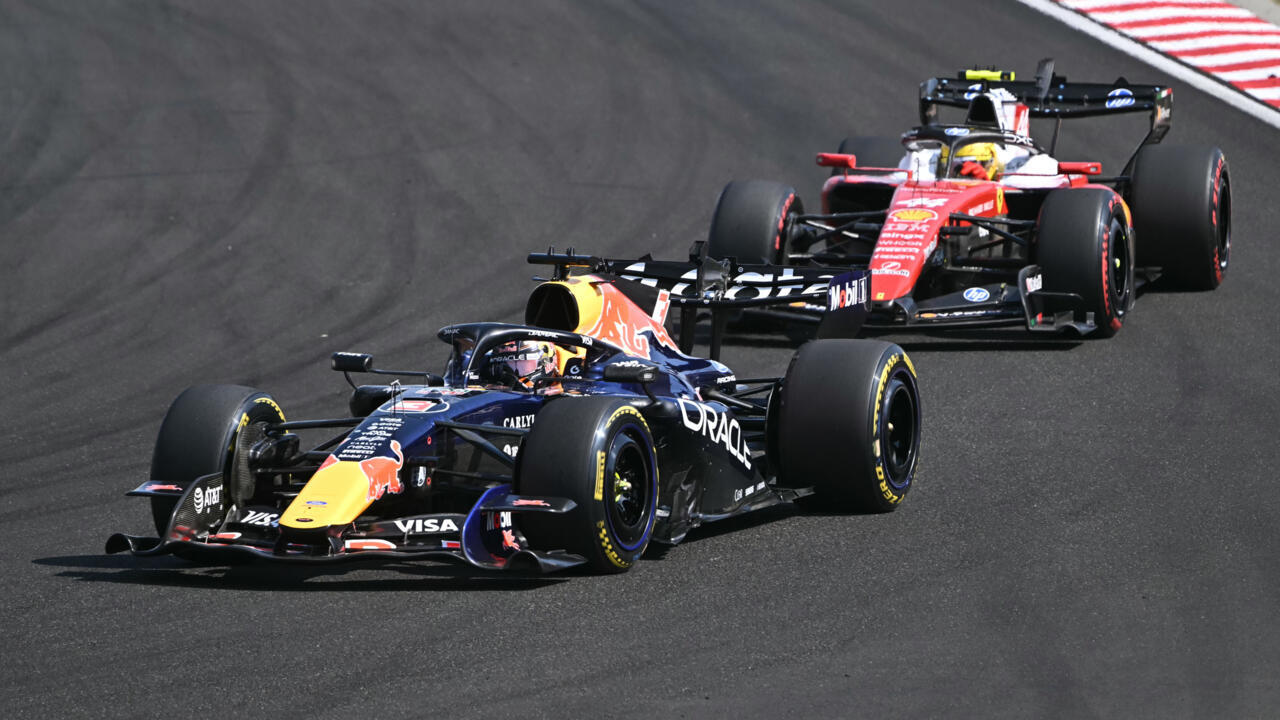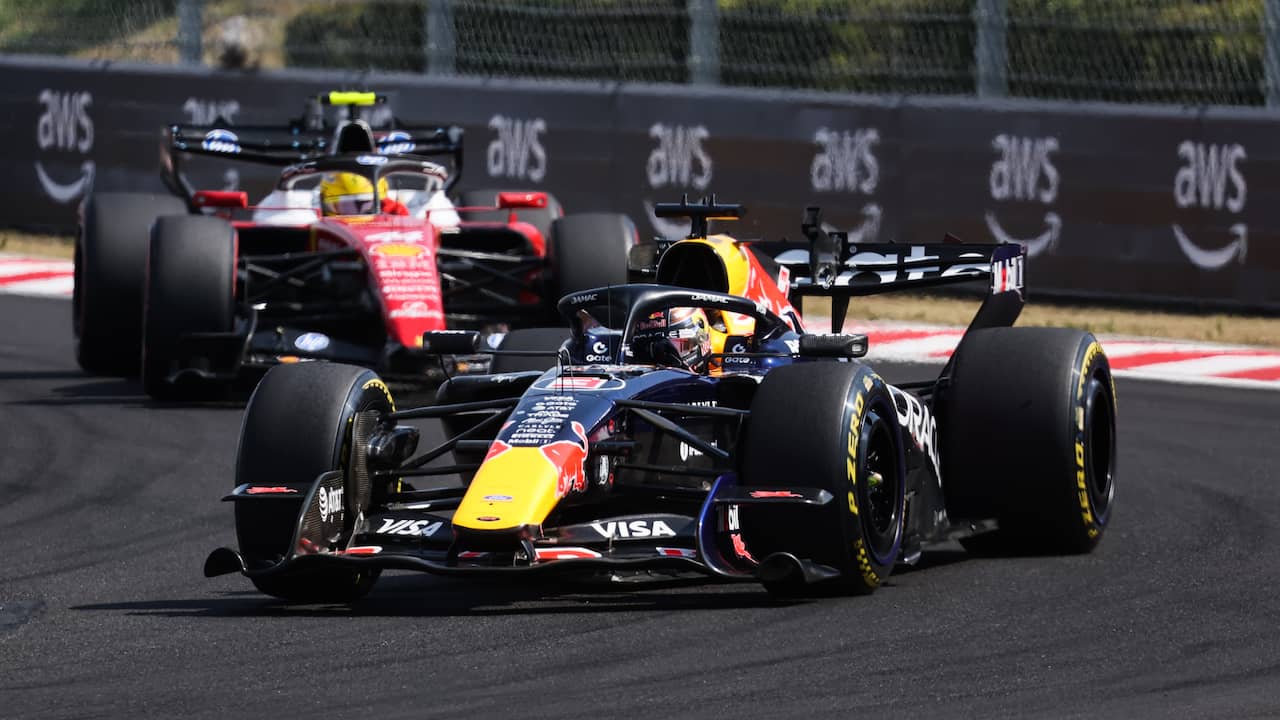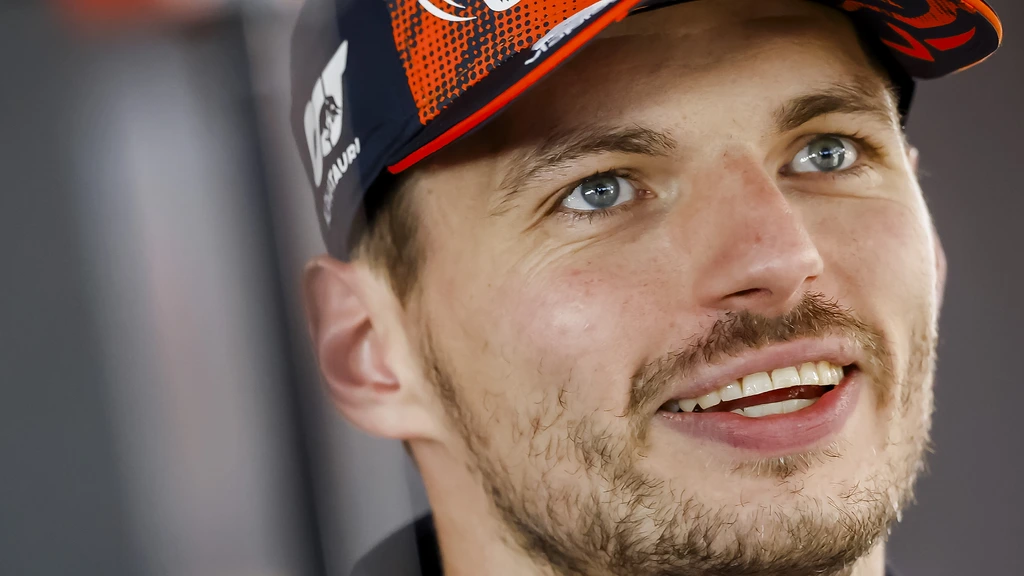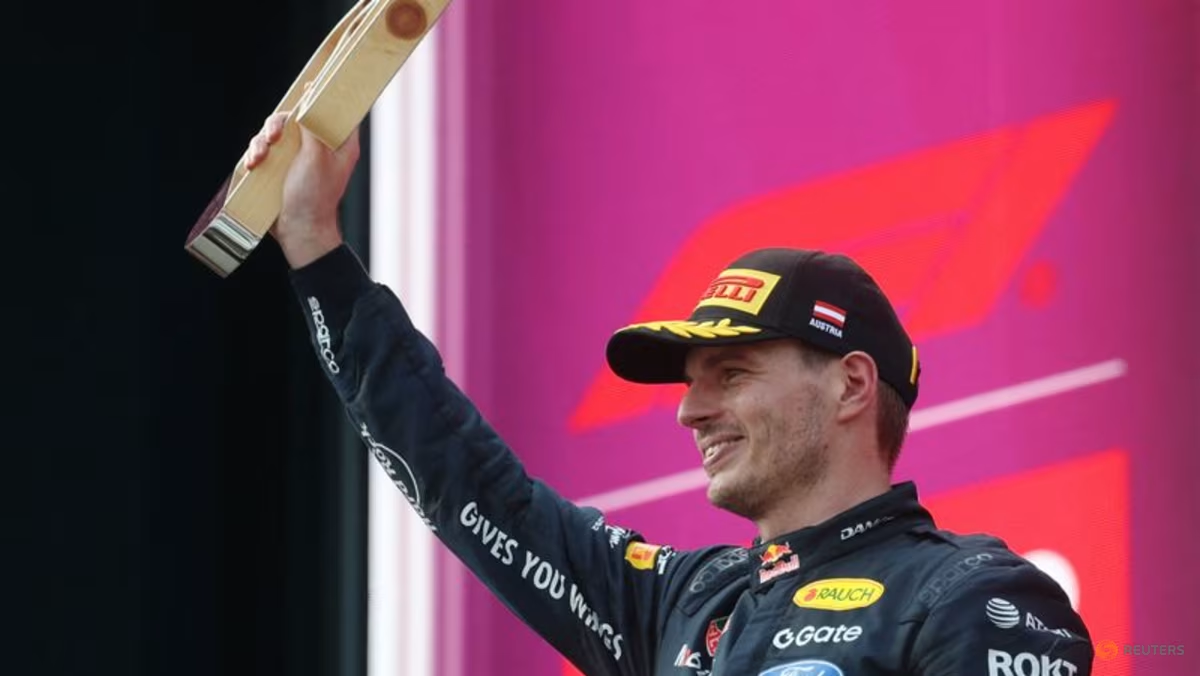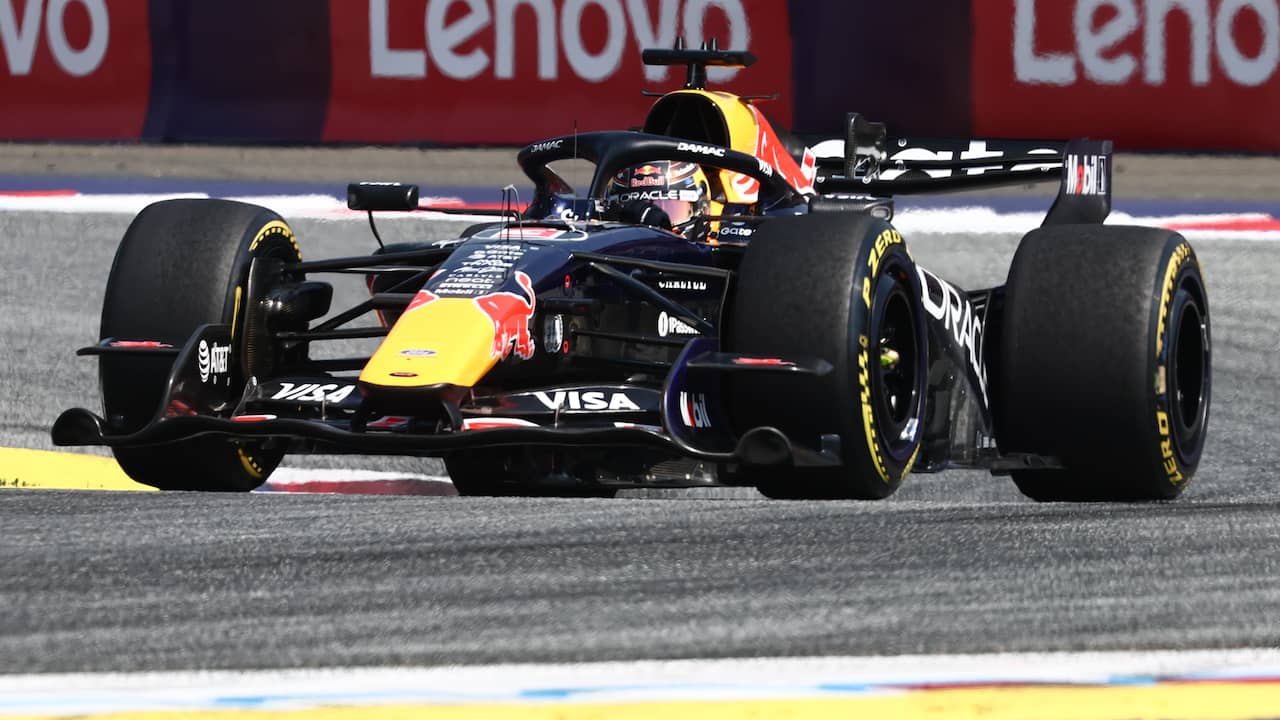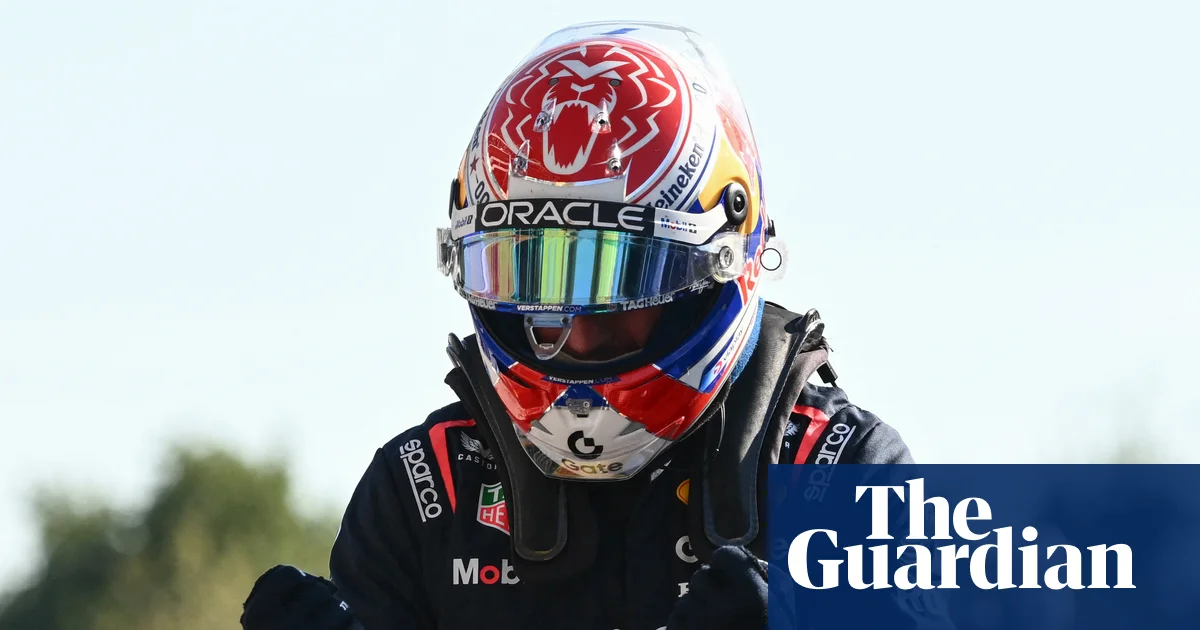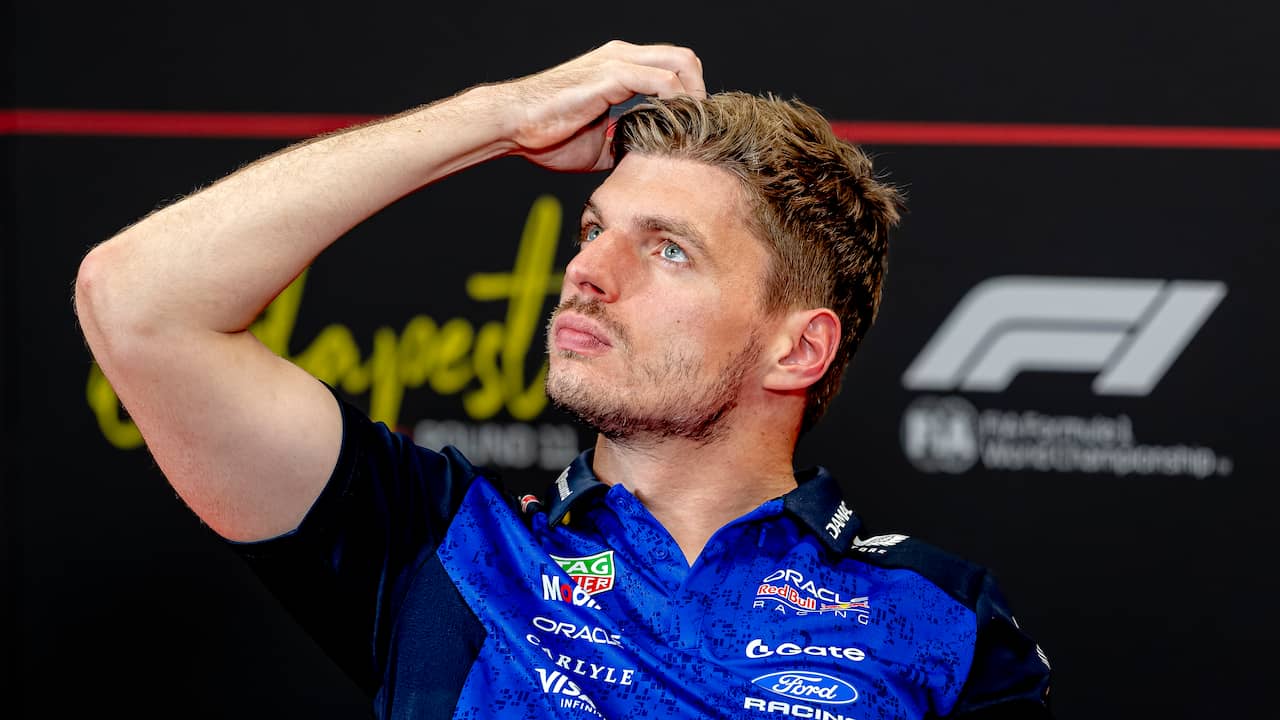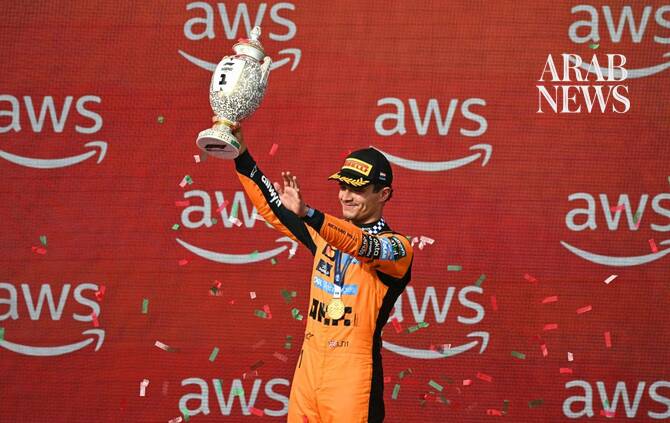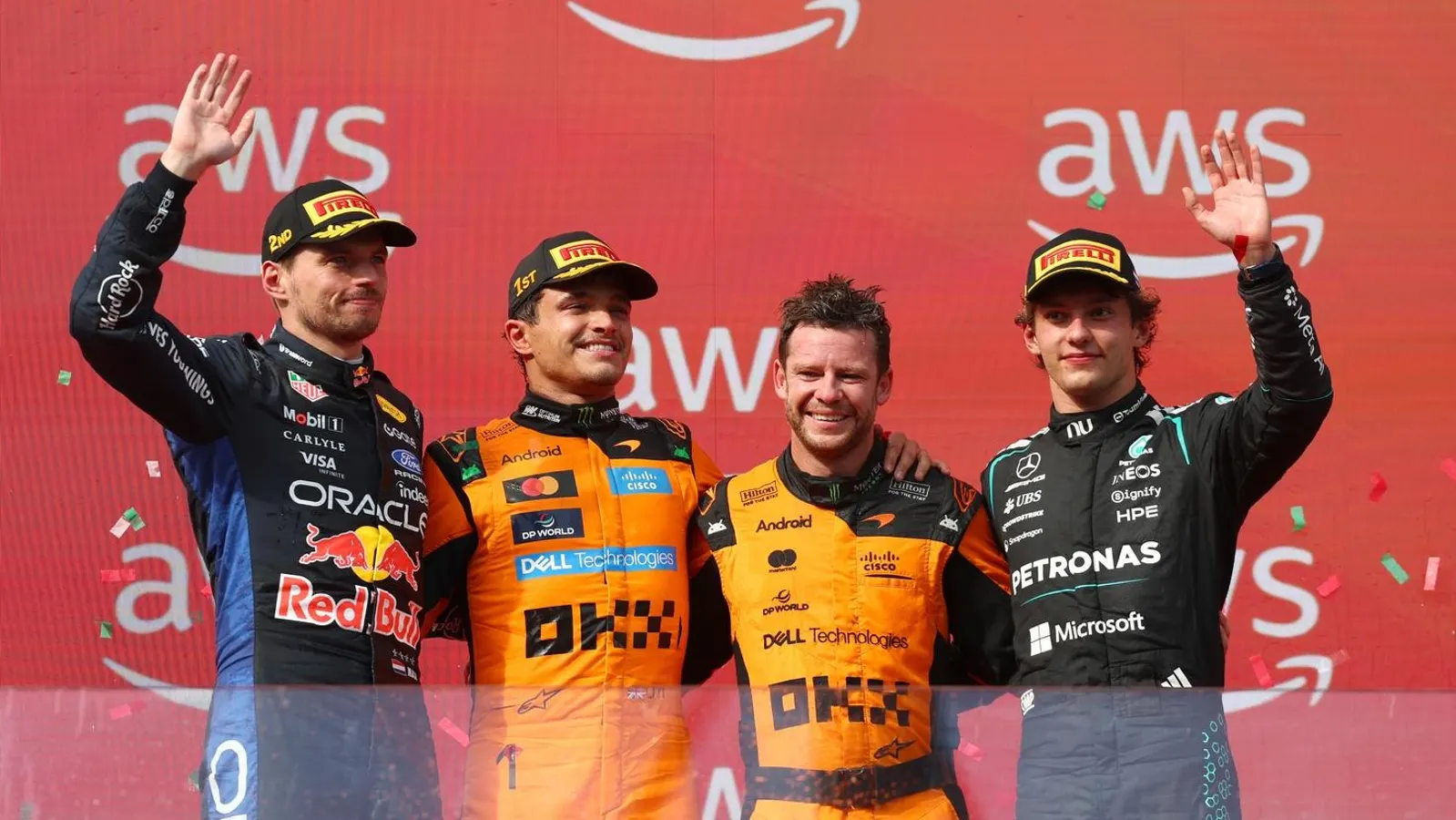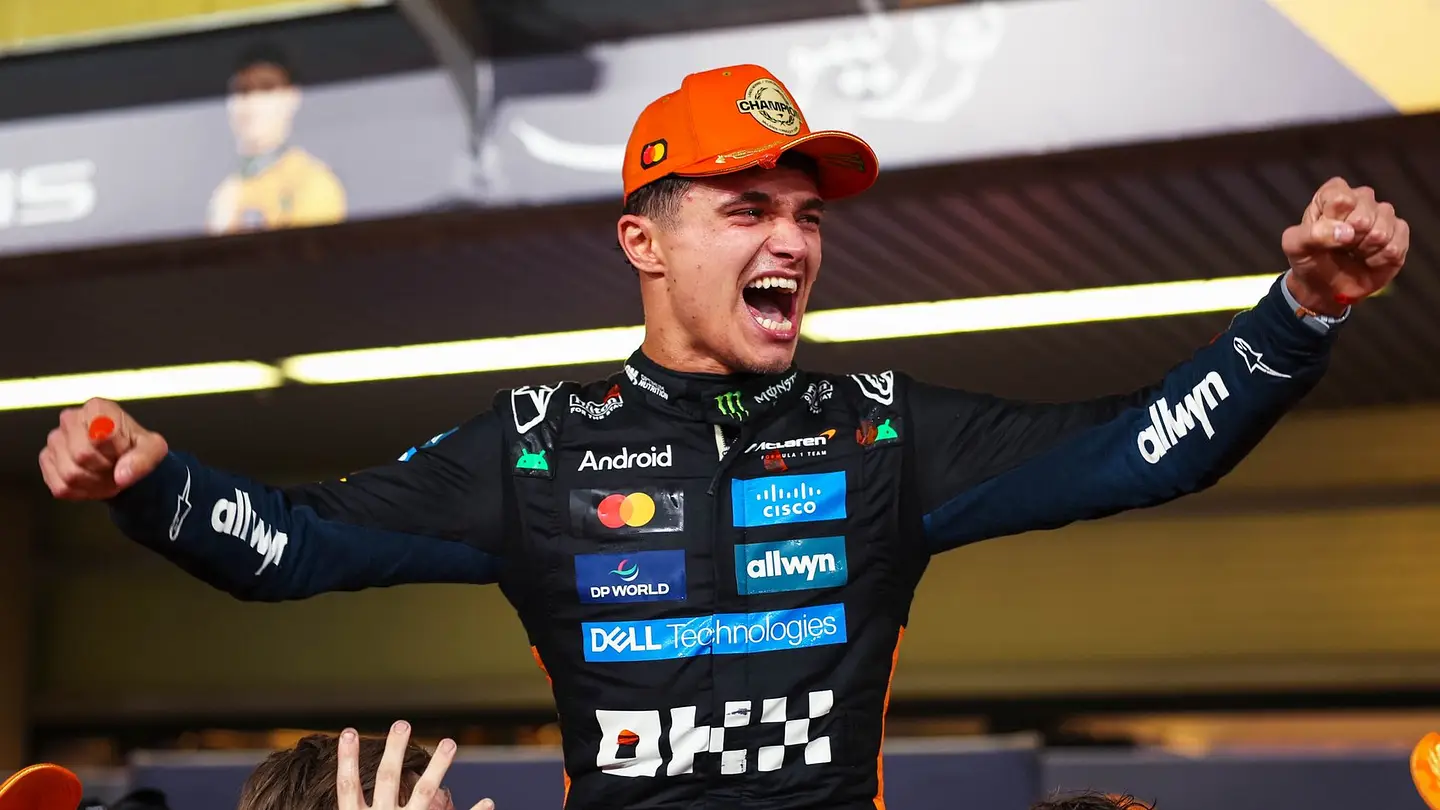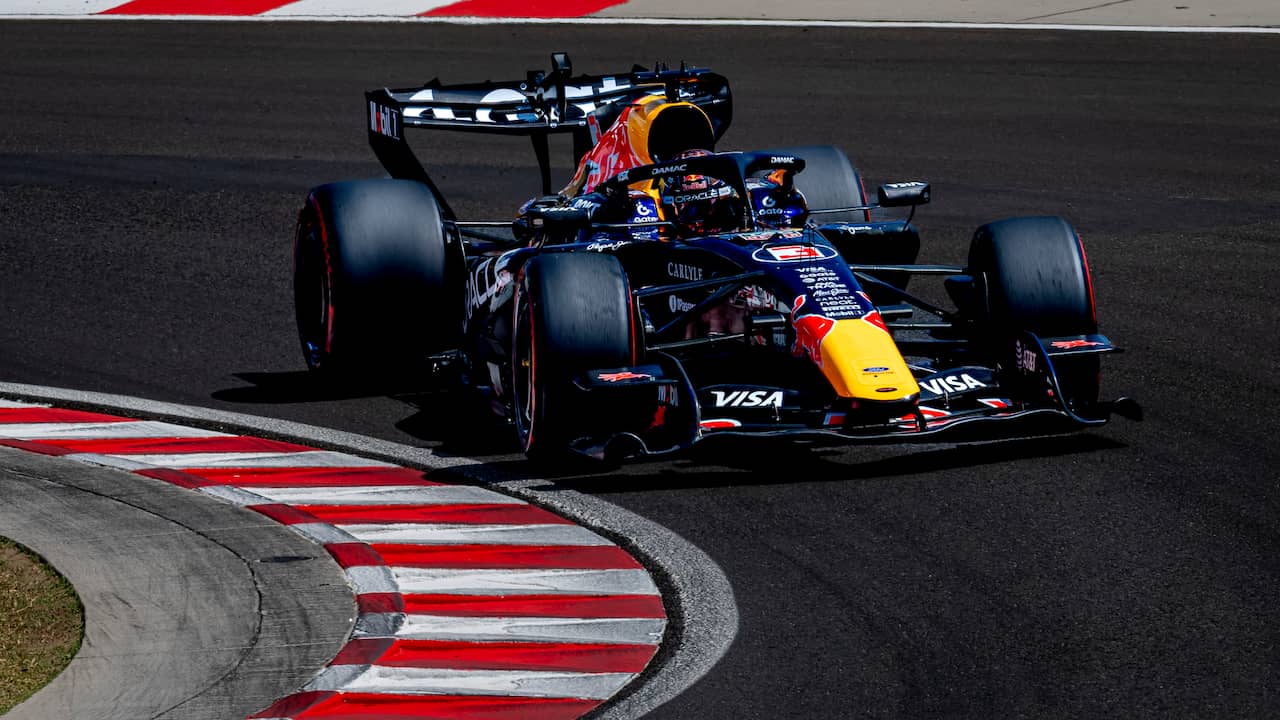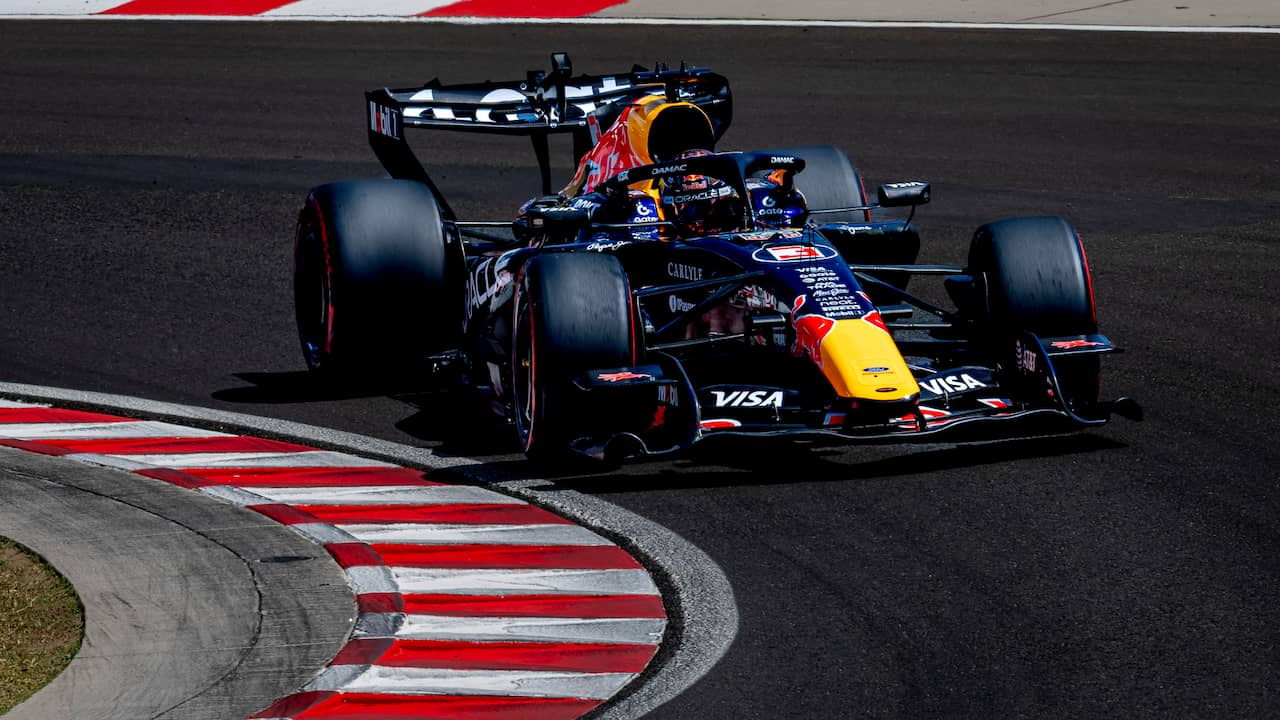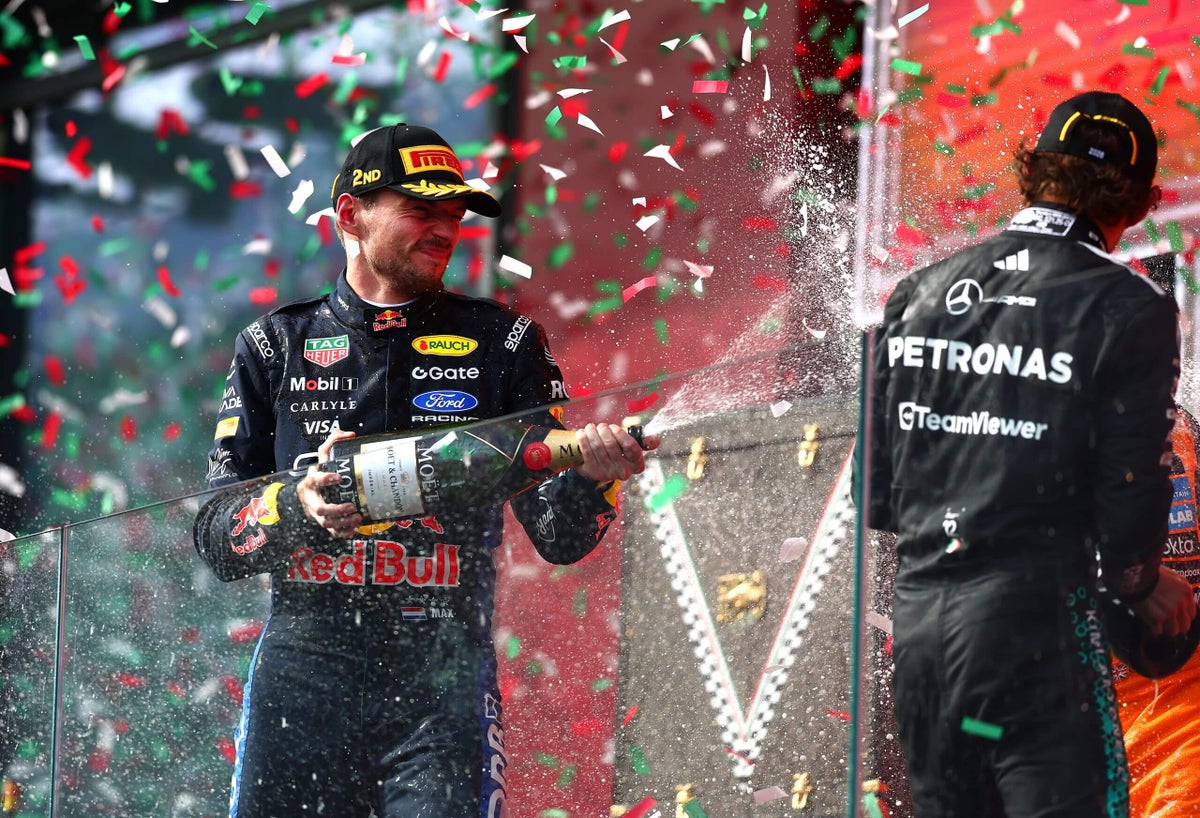
Max Verstappen smiled as he stood in the cordoned-off zone that is parc fermé. He looked happier than he had sounded over the radio during the Hungarian Grand Prix.His second-placed finish marked his third podium in four races. But he is still trying to understand how he finished ahead of everyone except race winner Lando Norris. Asked what went through his mind as he completed his final lap, Verstappen said: “‘How did I end up here?’ I was shocked. I’m actually still shocked.”Coming into Sunday, the 28-year-old said he “didn’t expect to be on the podium,” and the Dutchman has grown frustrated with the car issues his team is facing, the problem seemingly different every time. In a slew of comments over the radio throughout the weekend, he mentioned balance and shift issues, as well as the car being aerodynamically broken.Verstappen and Isack Hadjar qualified outside the top five, but Saturday’s sessions saw problems arising that the Dutchman described in the team’s post-session recap as “out of our control and quite unexpected.” They ranged from degradation to aerodynamic losses. Oversteering was another pain point, and Verstappen felt like the car was getting worse with each lap.So, how did he manage a surprise second and what does it really say about Red Bull’s cars?Despite Verstappen’s second and Hadjar sixth-placed finish in Hungary, Red Bull is facing a reality check. The team needs to create a more all-around car where both Verstappen and Hadjar can push, rather than having to overcompensate or wrestle with it.“If I look back to drivers’ feedback in Spa or in Austria, they would probably have said that the car was pretty much ballpark to how it should feel and to what it allows them to do,” team principal Laurent Mekies said Sunday in Hungary. “That was never the case this weekend.”Hungaroring posed a different challenge to Circuit de Spa-Francorchamps during the Belgian GP nearly a fortnight ago, where Verstappen finished third. The expectation was that energy deployment would be healthier at the Hungary track, allowing the drivers to drive as fast as possible, similar to Monaco in June.What that meant for the pecking order, though, was unclear due to the development battle unfolding within the paddock. Verstappen had strong pace during qualifying at Monaco, but Red Bull technical director Pierre Waché wasn’t confident that would translate in Hungary because of how much had changed with the cars, plus the narrow and historically bumpy track layout.“With this new car, you see a different problem every time you go to the track, when you put the car on the ground,” Waché said during Friday’s news conference. “We try to maximize it, but no confidence.”Max Verstappen ahead of the two Ferrari cars during the Hungarian Grand Prix. (Clive Mason / Getty Images)The RB22 does have limitations, which impacts the balance of the car. Waché said Friday there were mechanical tools they use to try to avoid instability at corner entry and any mid-corner understeer.As Friday and Saturday’s sessions unfolded, it became clear Red Bull wasn’t going to be able to match Ferrari or McLaren’s pace. Verstappen’s best lap in second practice was 0.692 seconds off Lewis Hamilton, who topped the session, and it was a similar ballpark during third practice, when the Dutchman was 0.717 seconds off pole-setter Norris.“We cannot make miracles and just make it step by step,” Waché said Friday after second practice.The mood was bleak. Verstappen told the media Saturday after qualifying “it’s not good.”“I think I’m quite good at understanding when there is a problem or when I feel something is not right, and the car just becomes uncontrollable in some corners and entry and like the feeling that you have the car is just not sticking anymore,” he explained.The problems persisted into Sunday’s race, too.Before the grand prix began, Verstappen gained two spots thanks to Hamilton and Kimi Antonelli’s grid penalties and he gained yet another when he moved to third, passing Charles Leclerc, by the end of the opening lap.The main task became keeping the Ferraris behind during that opening stint, a task that proved hard as Hamilton was all over the rear of the Red Bull before the first pit stops. But even with that battle, Verstappen still raised problems concerning the car, radioing, “Please do something about these shifts and don’t tell me it’s me shifting later.”Ferrari attempted to make the undercut work, calling in Hamilton to swap tires before Verstappen. And, initially, it worked. The seven-time world champion was ahead of Verstappen when the Red Bull rejoined the grid on Lap 14. But that edge didn’t last long.Two laps later, Verstappen made a late move under braking, diving past the Ferrari at Turn 1. The Dutchman said after the race that following that overtake, his second stint was “a little bit more straightforward.”
Red Bull said it couldn’t perform F1 miracles. Then Max Verstappen finished second in Hungary
Verstappen finished second after qualifying sixth, a result that surprised the Red Bull driver.
1,190 words~5 min read