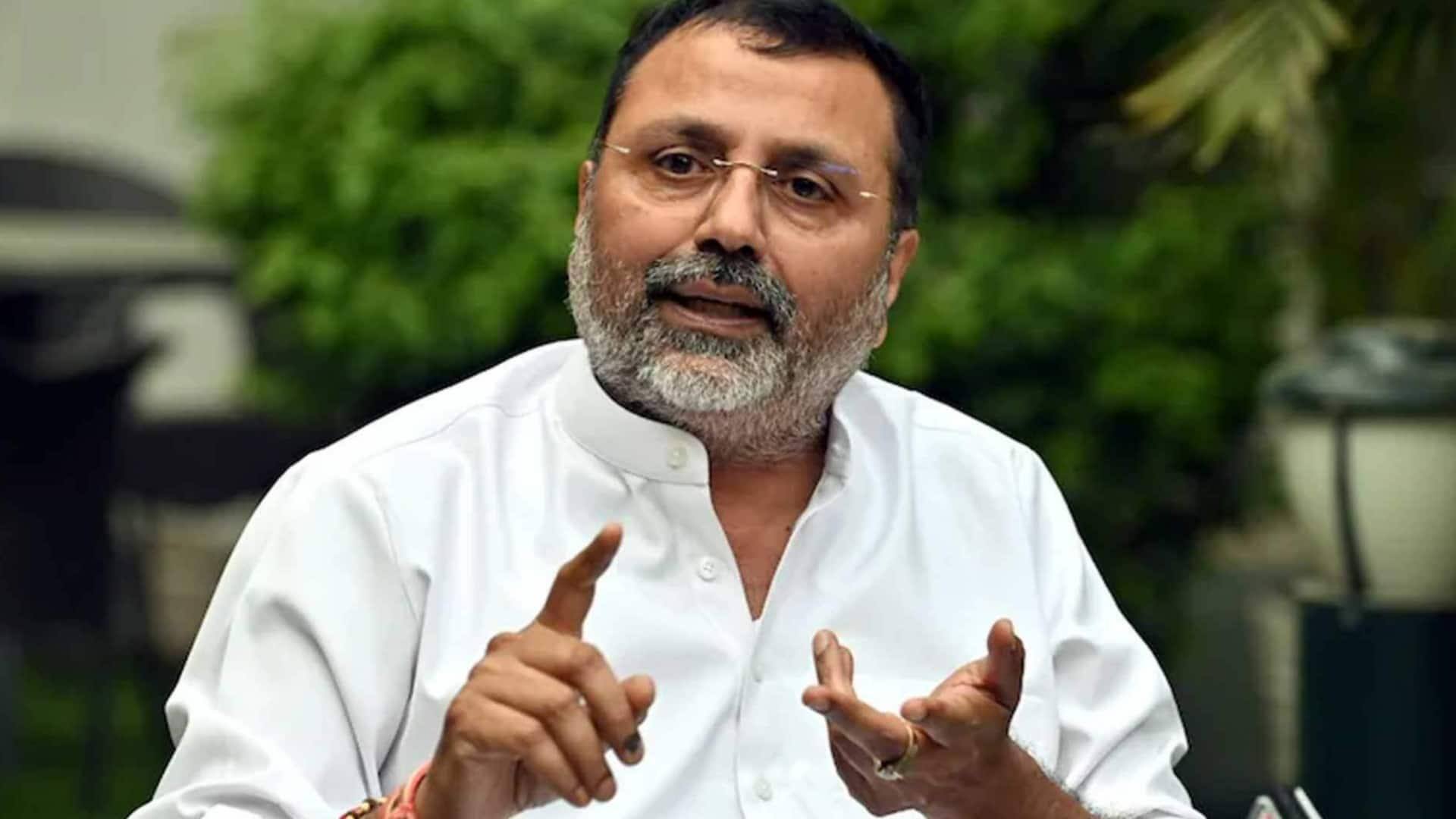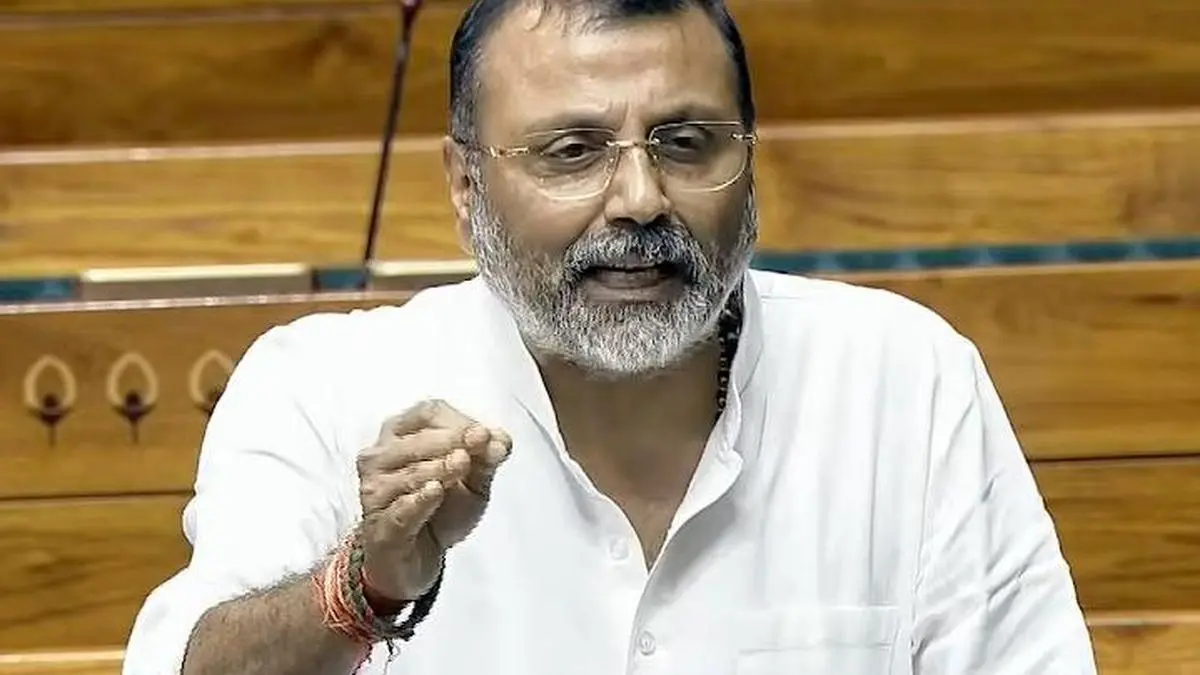
New Delhi, A Parliamentary panel has summoned representatives of major social media platforms, including Instagram, along with officials of the ministries of Electronics and Information Technology (MeitY) and Home Affairs, on August 3 to discuss regulation of social media and digital platforms.BJP MP Nishikant Dubey, who chairs the Parliamentary Standing Committee on Communications and Information Technology, said the panel has called representatives of Meta (Facebook, Instagram and WhatsApp), Google, X (formerly Twitter) and Snapchat to explain how they protect the privacy of women, children, farmers, rural residents, labourers and the general public, and ensure public order.Also Read: Bombay HC to hear Nitin Gadkari's plea against Meta, Google, X over AI deepfakes on August 5The meeting comes days after social media, particularly Instagram, was extensively used by the Cockroach Janta Party (CJP) to publicise and mobilise participants for its student protest at Jantar Mantar. The demonstrations, which were held over the NEET-UG paper leak and other issues, drew widespread attention online, with videos, reels and live updates from the protest sites being shared across social media platforms.The 36-day CJP-led agitation at the Jantar Mantar here ended on Saturday after the government accepted key demands of the protesters and Dharmendra Pradhan resigned as education minister.According to the notice issued on Tuesday, the agenda includes a "briefing by the representatives of (i) Ministry of Electronics and Information Technology (MeitY); (ii) Ministry of Home Affairs; and (iii) Social and Digital Media Platforms -- Snapchat, Google, X (formerly Twitter), Meta (Facebook and Instagram) on the subject 'Social and digital platforms and their regulation'."In a post on X, Dubey said, "On 3 August 2026 at 4 PM, our Parliamentary Committee on IT and Communication has summoned Meta (Instagram, Facebook, WhatsApp), X (Twitter), Snapchat, and Google. How will the privacy of women, children, farmers, rural folks, labourers, and the general public be protected? How do these companies ensure the government's public order?" he said.
Parliamentary panel summons Meta, Google, X and Snapchat over social media regulation
A Parliamentary Standing Committee on Communications and Information Technology has summoned representatives of Meta, Google, X and Snapchat, along with officials from the Ministries of Electronics and Information Technology (MeitY) and Home Affairs, for a meeting on August 3 to discuss the regulation of social and digital media platforms. Chaired by BJP MP Nishikant Dubey, the panel will examine issues related to user privacy, protection of women, children and vulnerable groups, and the role of social media companies in maintaining public order.
317 words~1 min read