It was a skit worthy of an Agatha Christie whodunit reveal: Against the perhaps-too-joyous strains of a jazzy “When The Saints Go Marching In,” a gaggle of health IT professionals and Medicare staffers accompanied a Spirit Halloween-style coffin prop onstage at Health and Human Services headquarters on Monday. Some wore black veils, some held white roses.
The coffin read, “RIP CLIPBOARD,” referring to the decades-old information-gathering staple of health care provider waiting rooms.
“So who killed the clipboard?” asked Zac Jiwa, a federal Medicare official. Health IT officials and experts, reading from cue cards, denied that it was standards implementation, health information exchange networks, electronic health records, or apps — all parts of the various health data initiatives that private industry promised Medicare a year ago that it would improve.
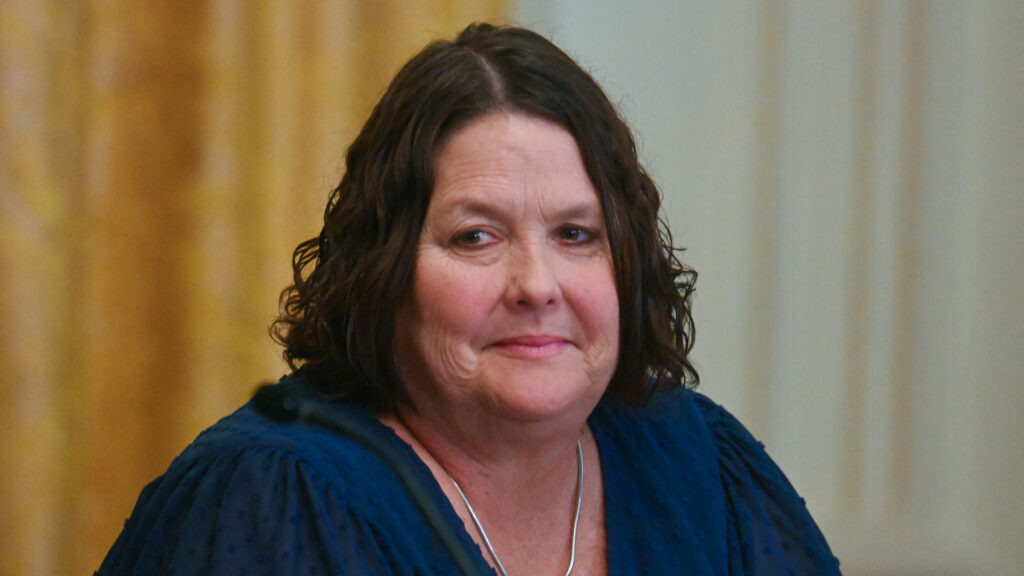
“Nobody killed the clipboard. All of us had to do it together,” declared Amy Gleason, a top Centers for Medicaid and Medicare Services official and leader of the Health Tech Ecosystem initiative.
One year after launching the CMS Health Tech Ecosystem, officials convened in Washington to celebrate the Trump administration modernizing health technology without instituting a single regulation. But the event also acknowledged the real hurdles in instituting AI and technology in a fractured health care system, and launched eight new initiatives aimed at leveraging technology to end what Gleason called “the runaround” — work that patients typically must do to advocate for themselves in scheduling appointments, getting into clinical trials, or shuttling their MRIs and CT scans from one provider to another.