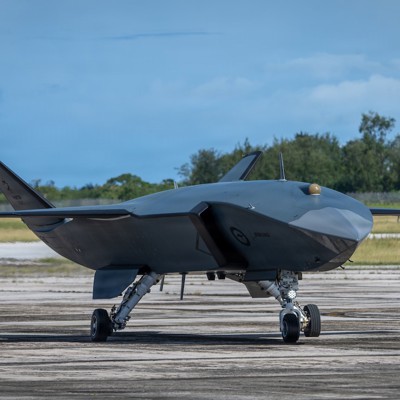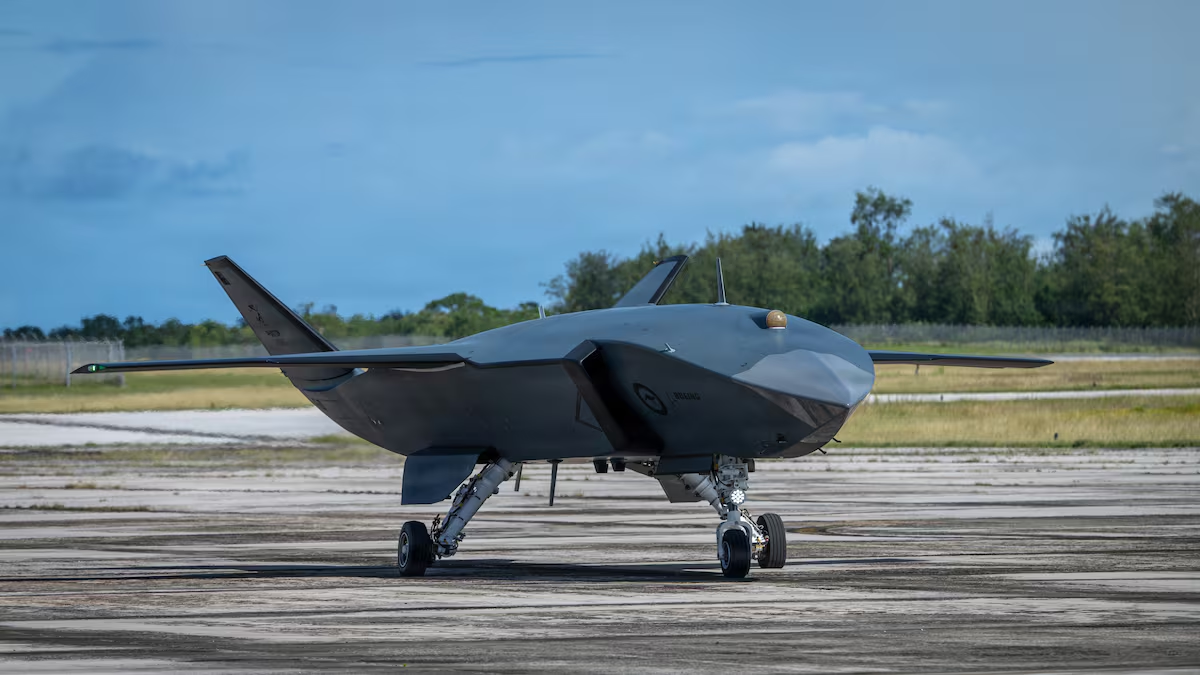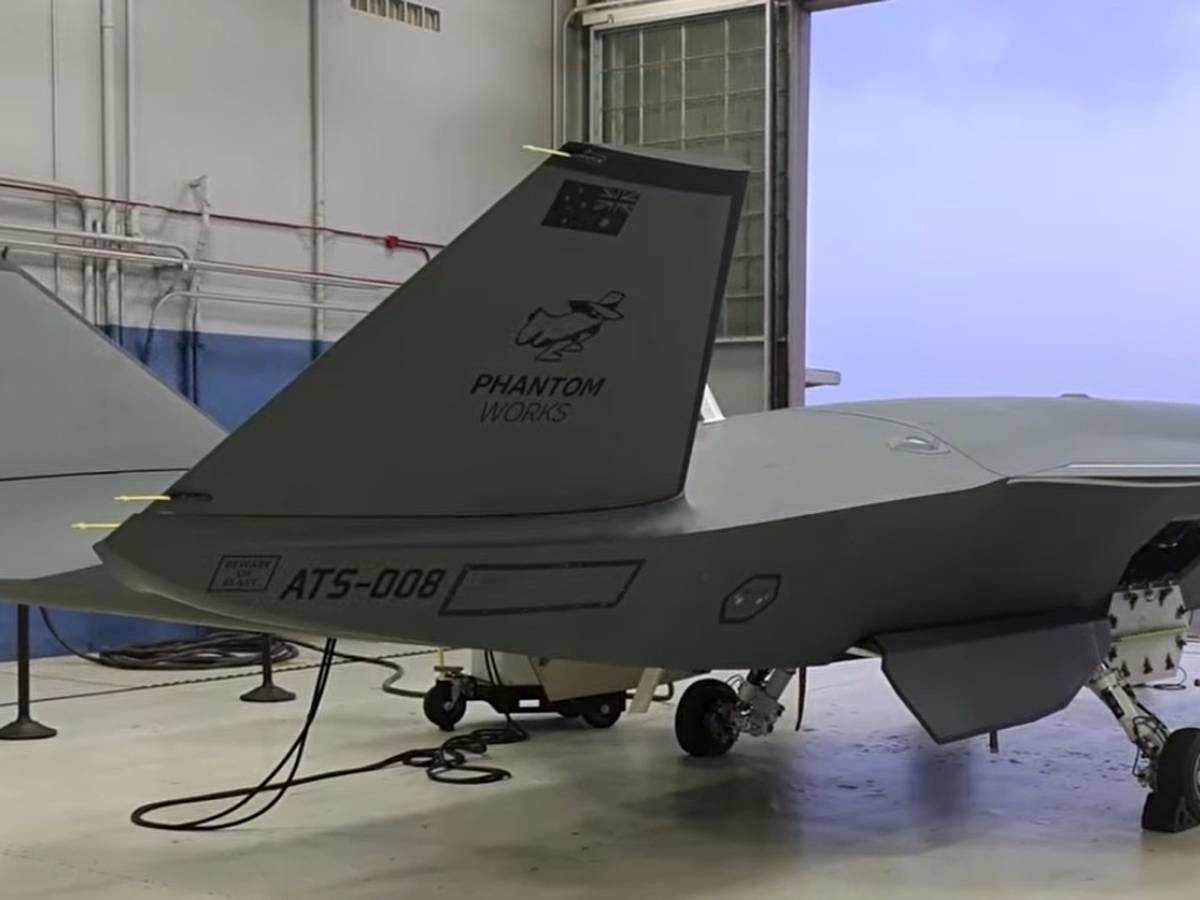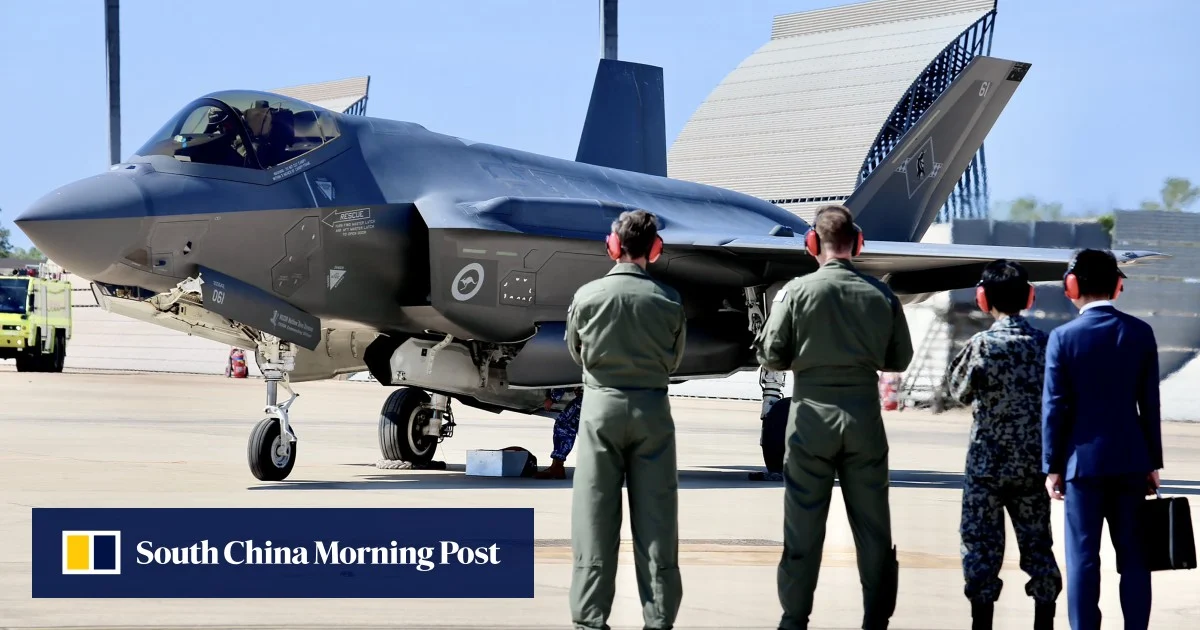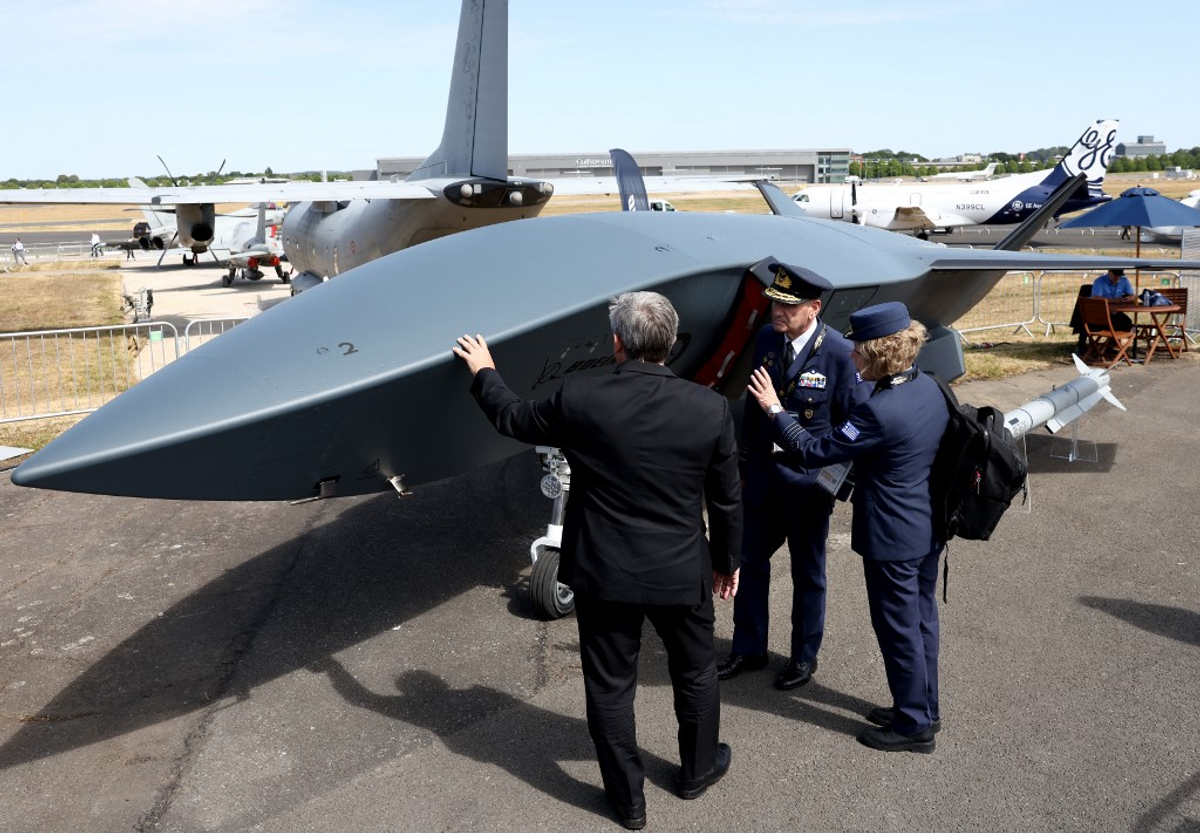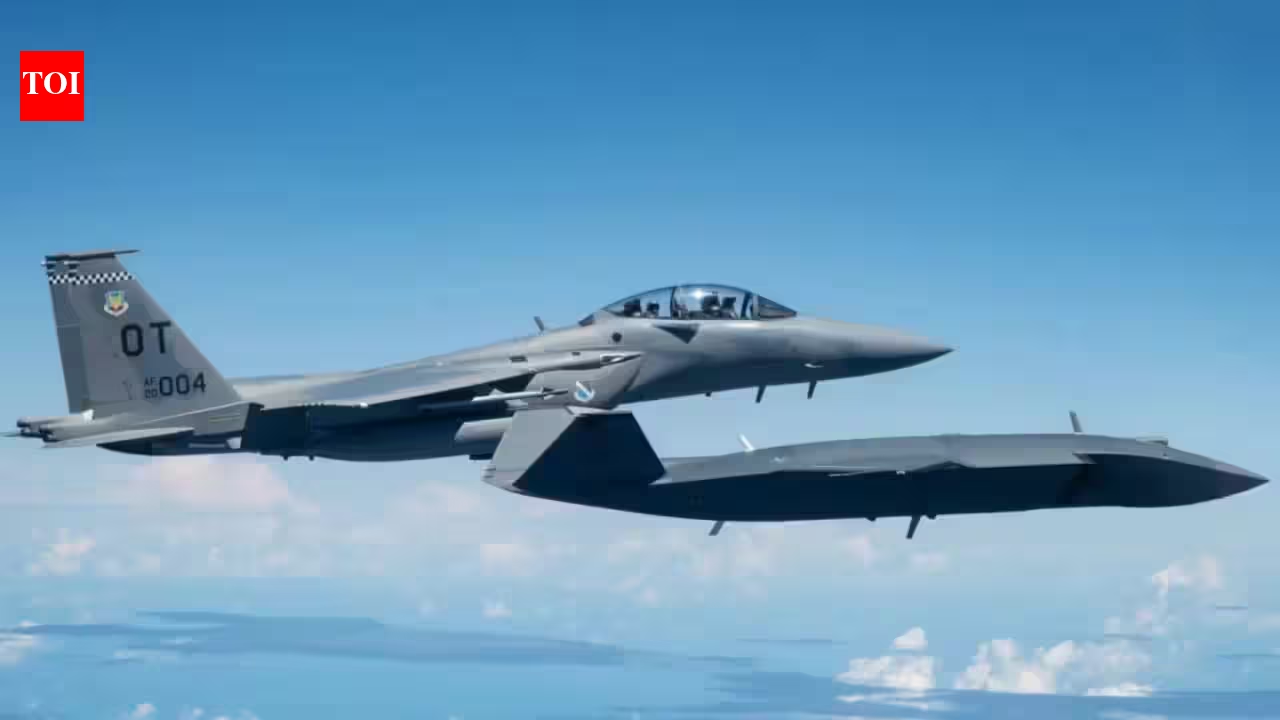
Photo credit: PACAFThe United States and Australia are exploring an unprecedented level of air combat integration that could allow US air force pilots to command Australia's MQ-28 Ghost Bat autonomous combat drones during future coalition operations.This was underscored by the MQ-28’s participation at a major exercise earlier this year, lessons from which are feeding into the Air Force’s evolving plans for its forthcoming Collaborative Combat Aircraft (CCA) drone fleets.Speaking at the Air & Space forces association's warfare symposium, Gen Kevin Schneider, commander of Pacific air forces (PACAF), said the US air force is working closely with Australia to explore the possibility of allowing American pilots to command the Royal Australian air force's MQ-28 Ghost Bat drones.“Grateful that we were able to incorporate some of this in Valiant Shield or to be a part of it. I’d say most of the interaction in Valiant Shield was within our test community,” Schneider said.He further stated that the US air force's experimental operations squadron responsible for testing Collaborative Combat Aircraft (CCA) platforms was closely integrated with Australia's MQ-28 Ghost Bat development efforts, enabling a strong exchange of information and cooperation between the two countries' test and development teams.The US air force’s initial CCA force is set to consist of a mixture of General Atomics FQ-42 Dark Merlin and Anduril FQ-44 Fury drones. These are the two types now in development as part of the initial phase, or Increment 1, of the program.At Valiant Shield, the MQ-28 flew together with one of the US air force’s new F-15EX Eagle II fighters, among a host of other American and allied aircraft. Boeing and the RAAF have previously demonstrated airborne control of the drone via an E-7A Wedgetail airborne early warning and control plane.About MQ-28 Ghost Bat:The MQ-28 Ghost Bat is an uncrewed Collaborative Combat Aircraft (CCA) developed by Boeing defence Australia in partnership with the Royal Australian Air Force (RAAF). Boeing describes the platform as a "force multiplier" designed to support advanced multi-mission air combat by teaming with crewed aircraft and delivering affordable mass and rapid capability insertion for allied forces.According to Boeing, the MQ-28 measures 11.7 metres (38 feet) in length and has a range of more than 2,000 nautical miles (over 3,700 kilometres). The aircraft features a modular nose section, allowing operators to rapidly swap mission payloads for different operational requirements.Boeing says the Ghost Bat is designed to undertake a range of missions, including intelligence, surveillance and reconnaissance (ISR), electronic warfare, force protection and strike support, while operating either autonomously or in coordination with crewed platforms.If the concept of cross-national control is realised, it could enable US and Australian pilots to share command of autonomous drones during coalition missions, significantly enhancing operational flexibility, interoperability and combat effectiveness in the Indo-Pacific.
US eyes shared use of Australia's MQ-28 Ghost Bat drones for future air combat - The Times of India
International News: The United States and Australia are exploring an unprecedented level of air combat integration that could allow US air force pilots to command Austral.
457 words~2 min read