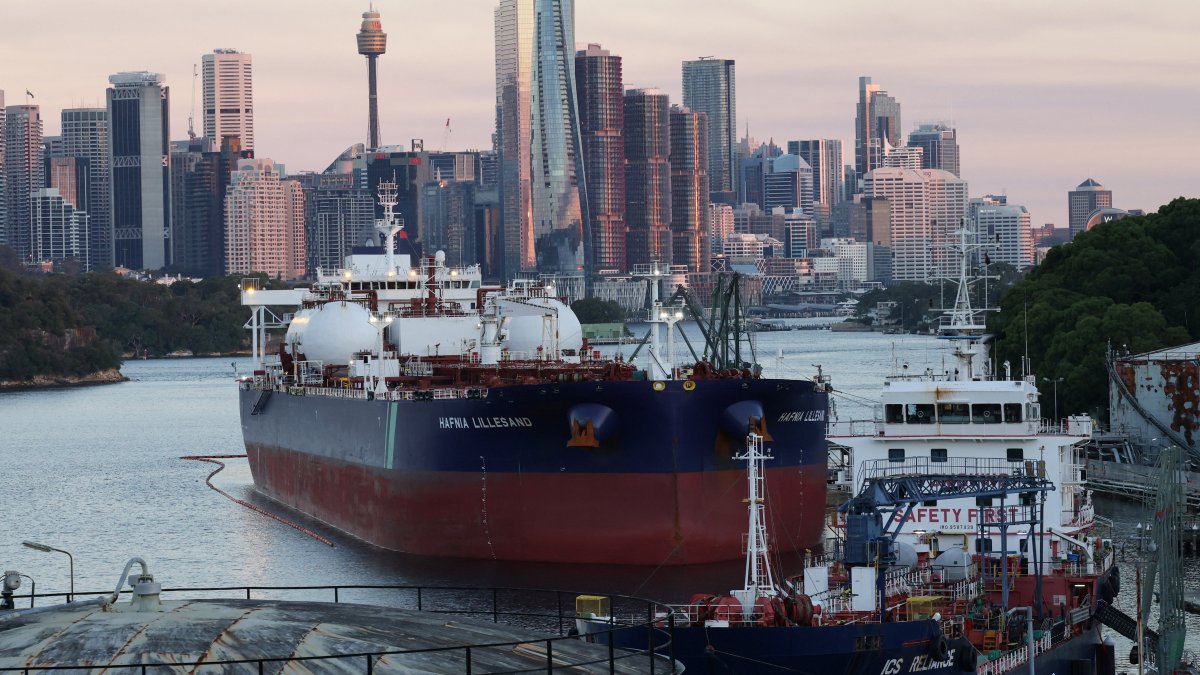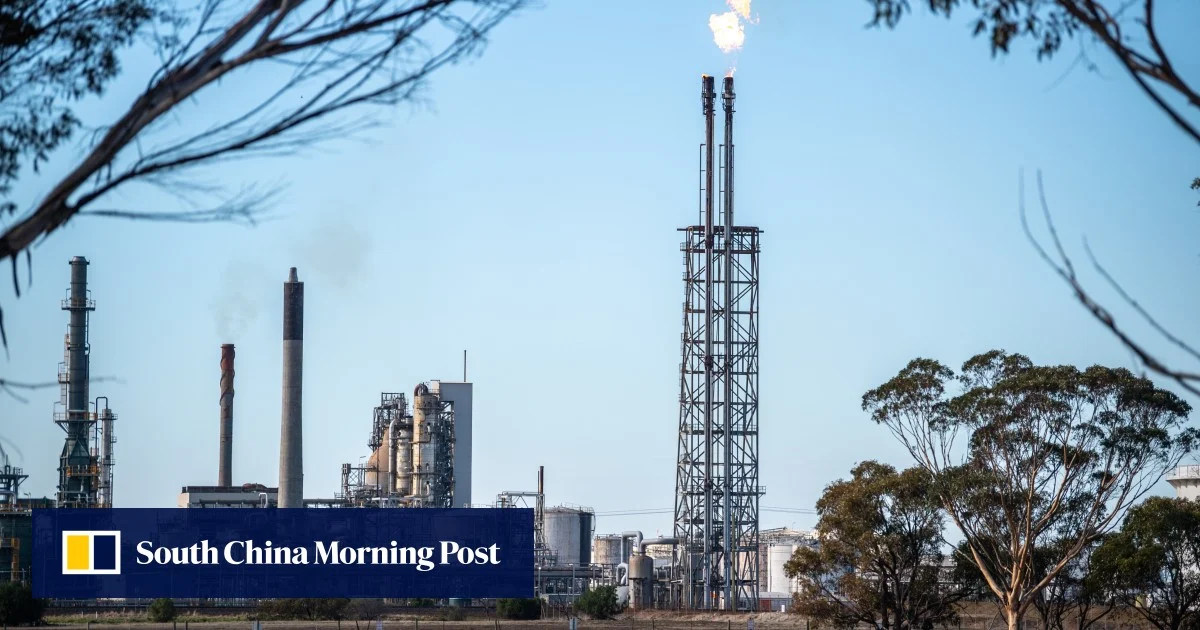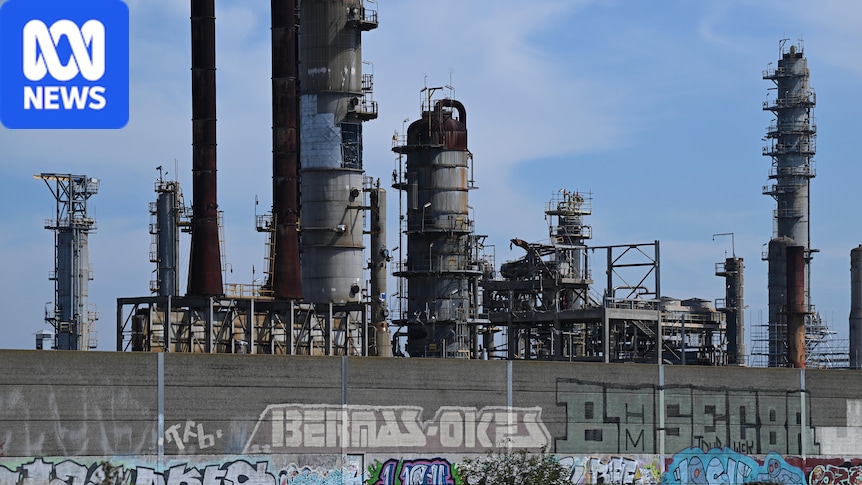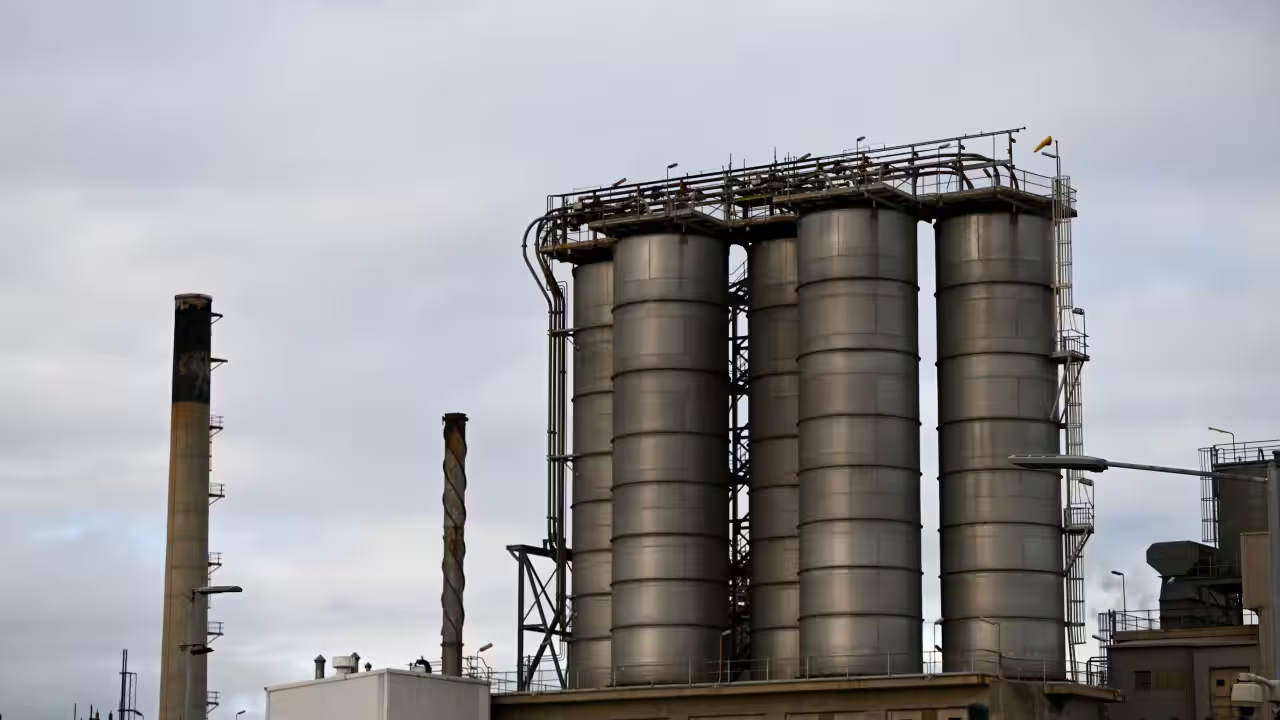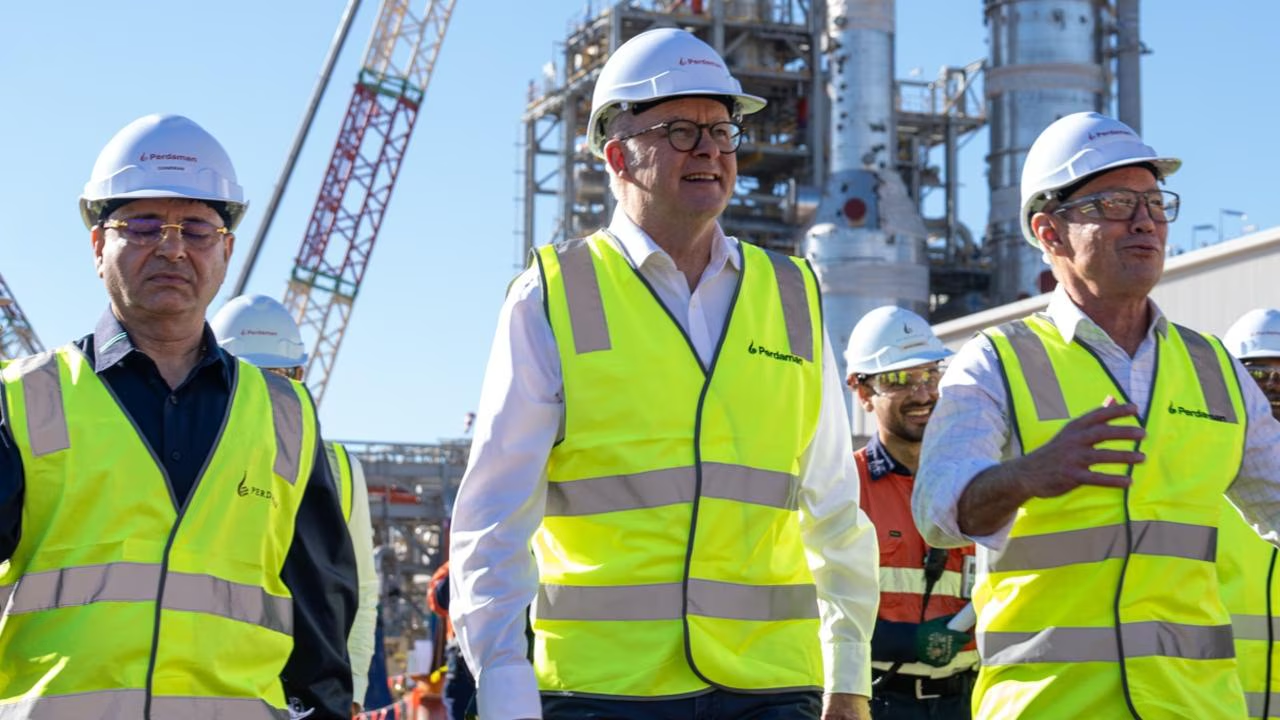
Australia’s government has launched a feasibility study for an oil refinery that, if approved, would be the first such facility to be built in the country in six decades.According to Prime Minister Anthony Albanese, a new refinery would strengthen Australia’s self-sufficiency in fuel supply, protecting it from potential future oil shocks, Reuters reported, citing the top official.“One of the things that building national resilience does is it makes Australia less vulnerable to the impact of events around the world,” Albanese said. “We want to make sure that we get the right location but we want to make sure as well that it's a project that stacks up, that can go forward.”The Albanese government is strongly in favor of a transition away from oil, coal, and gas to wind and solar. It is also a major gas and LNG producer, but Australia relies on imports for most of its transportation fuel supply. The fuel supply situation in the country became worse in March with the Hormuz crisis and after a fire broke out at one of the only two refineries in the country.As a result of these events, Australia struggled to secure fuel and keep it affordable at the same time. At the end of March, the Australian federal government halved the fuel excise on gasoline and diesel for three months in a bid to alleviate financial stress for consumers due to the spiking fuel prices.Then the federal government said in April it had secured approximately 100 million liters of additional diesel, with two shipments coming from Brunei and South Korea. This was the first of the expected shipments of fuel secured under the government’s new Strategic Reserve powers. Jet fuel shipments from China followed later, but the fuel supply security situation Down Under remained precarious, leading to the most logical decision, namely, to build a local processing facility for crude.By Irina Slav for Oilprice.comMore Top Reads From Oilprice.comSaudi Crude Tanker Goes Dark to Slip Through Bab el-MandebHormuz Tanker Crossings Sink to Lowest Level Since May as War Risk SpikesADNOC Issues Seventh Crude Tender Since June Despite Hormuz, Red Sea Risks
Australia Eyes New Oil Refinery to Reduce Reliance on Imported Fuels | OilPrice.com
Australia has launched a feasibility study into building its first new oil refinery in six decades as it seeks to improve fuel security and reduce dependence on imported refined fuels.
350 words~2 min read