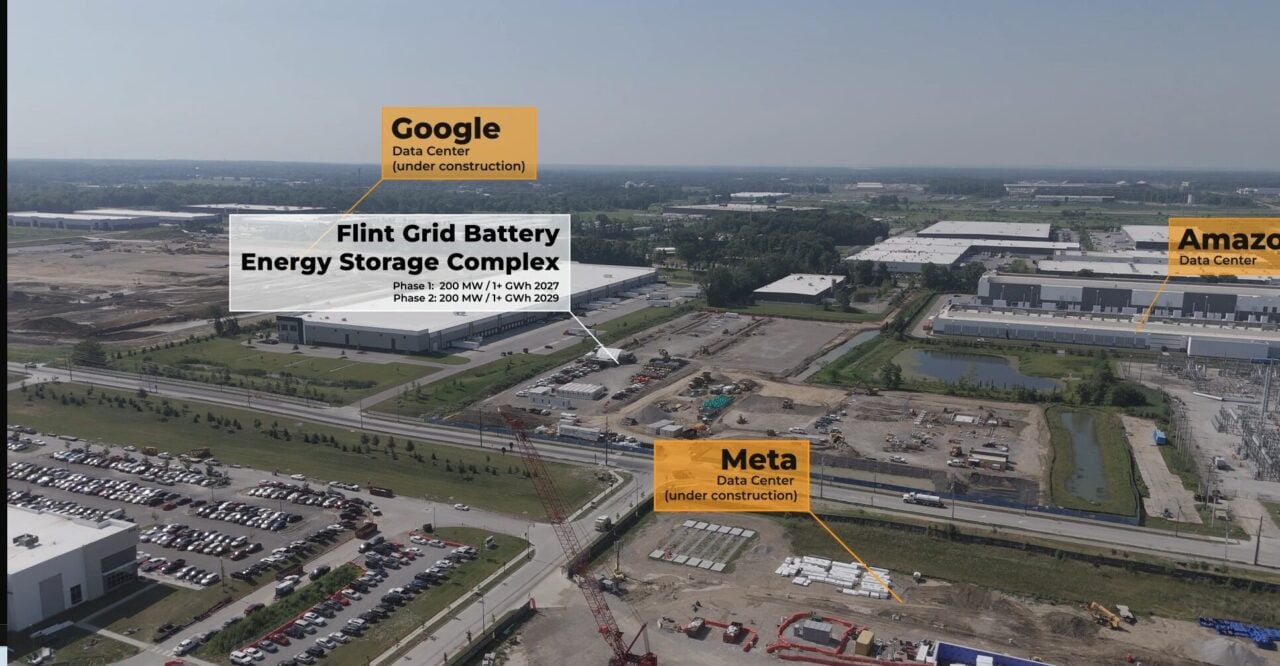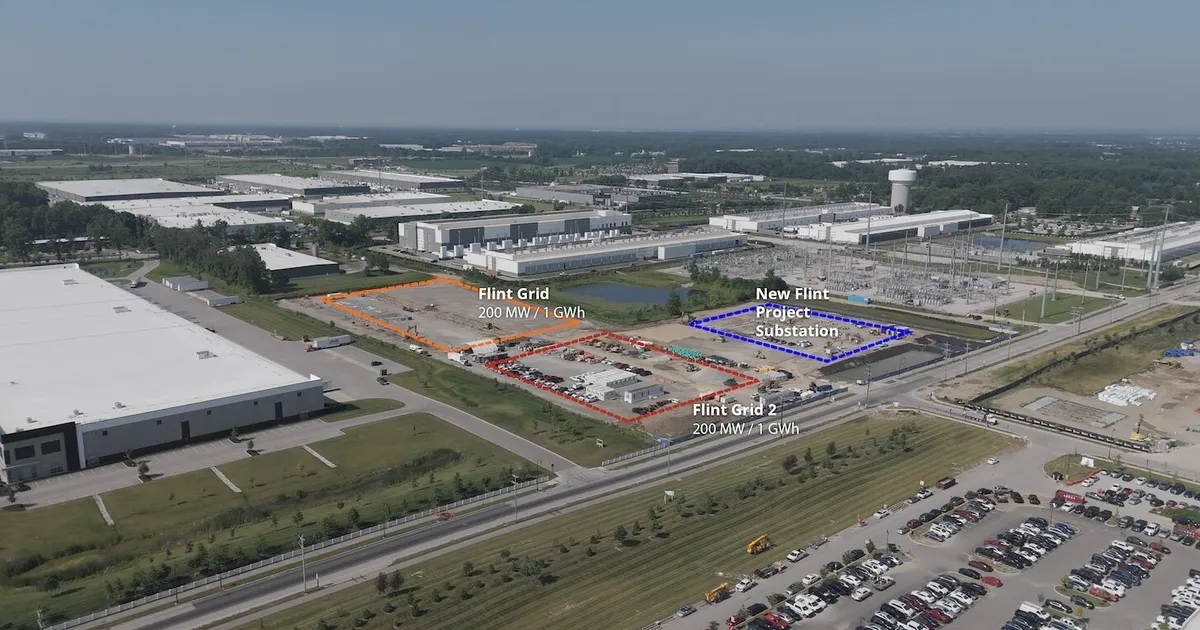
In January, Illinois passed a law that is about to turn thousands of overlooked parcels across the Chicago area into some of the most sought-after real estate in the region’s energy market. Not for buildings — for batteries. The underused lot behind a warehouse, the vacant parcel held for a retail deal that never came, the overflow yard nobody has leased in years: To a fast-growing wave of energy developers, that idle land is exactly what they need, and they are prepared to pay for it on terms most property owners rarely see.
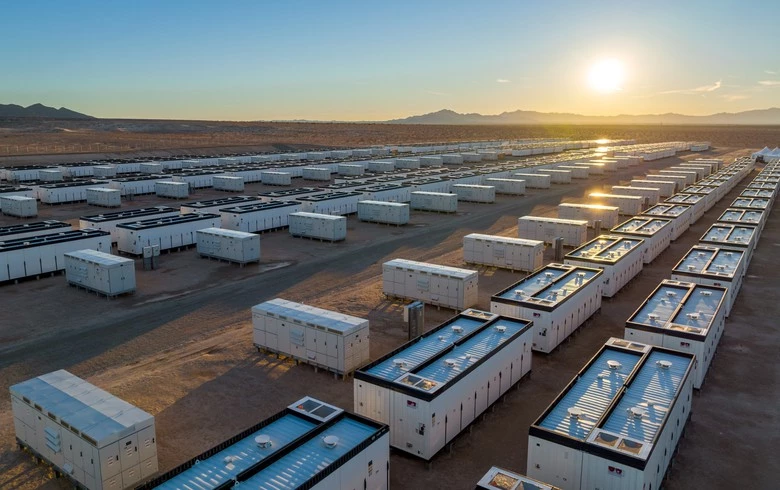
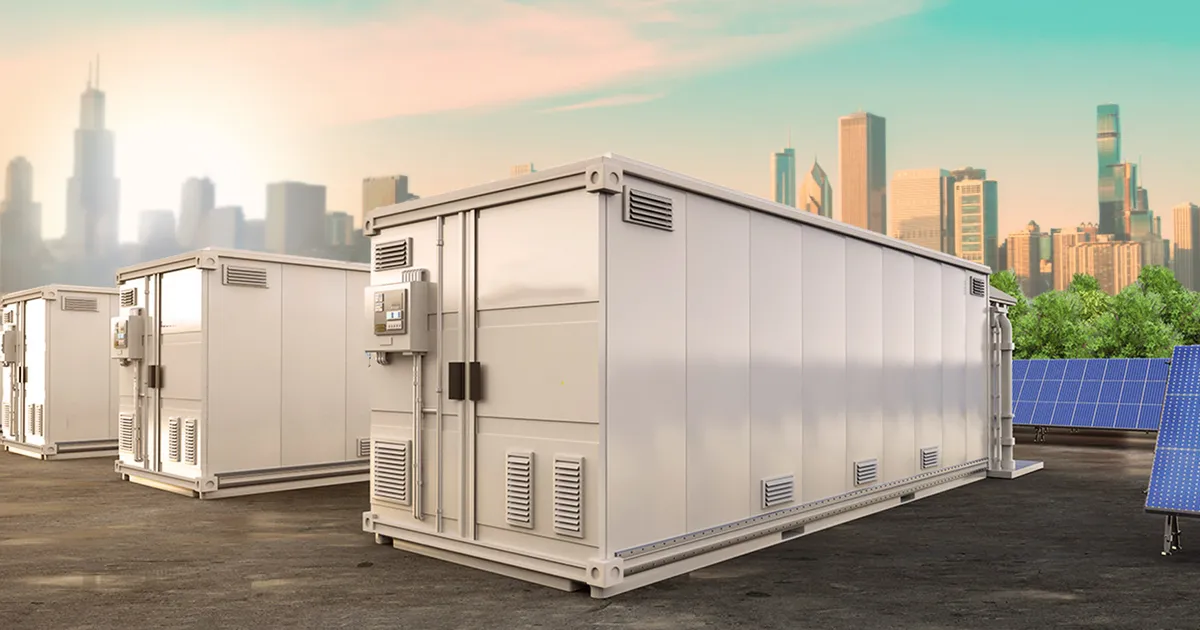
The Clean and Reliable Grid Affordability Act (SB 25) is driving one of the largest battery-storage buildouts Illinois has ever seen — roughly 3 gigawatts of new capacity targeted by 2030. No one needs to follow energy policy to understand what that means for property owners. Batteries have to sit somewhere. And unlike a warehouse or a strip center, a battery project doesn’t need foot traffic, visibility, parking, or an anchor tenant. It needs flat, available land in the right spot near the power grid.
The opportunity can be summed up in one sentence: A new kind of tenant just showed up with a checkbook, and it wants land that most owners weren’t monetizing anyway.