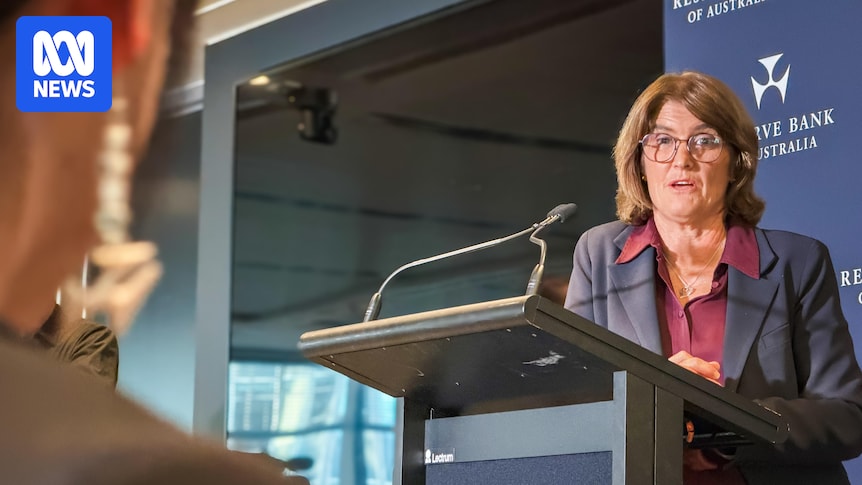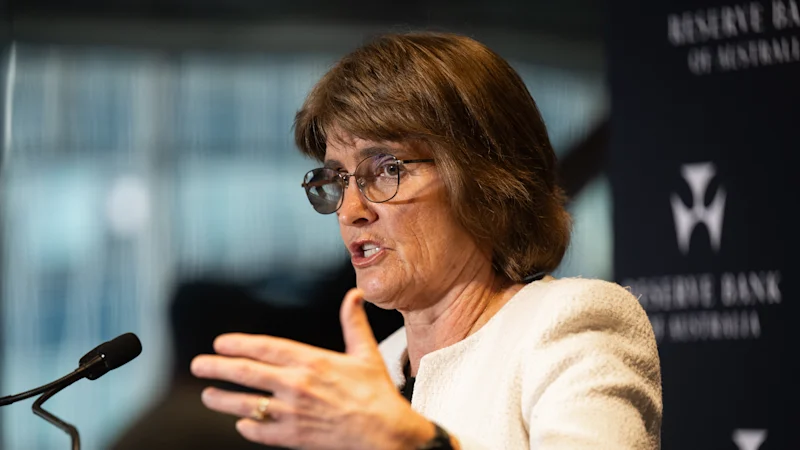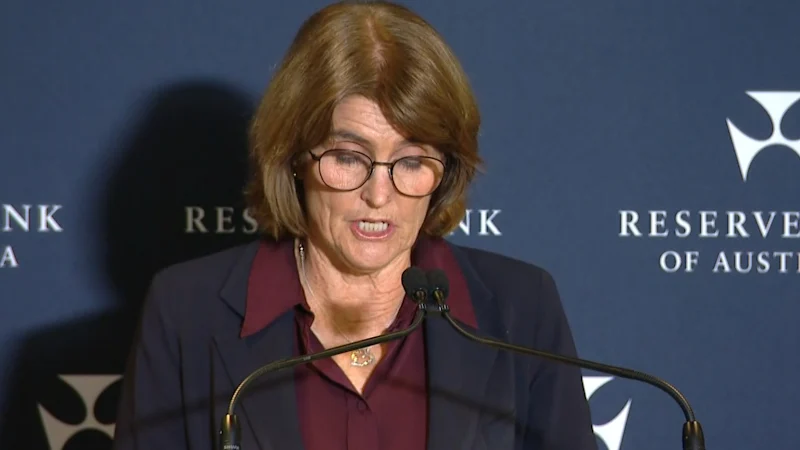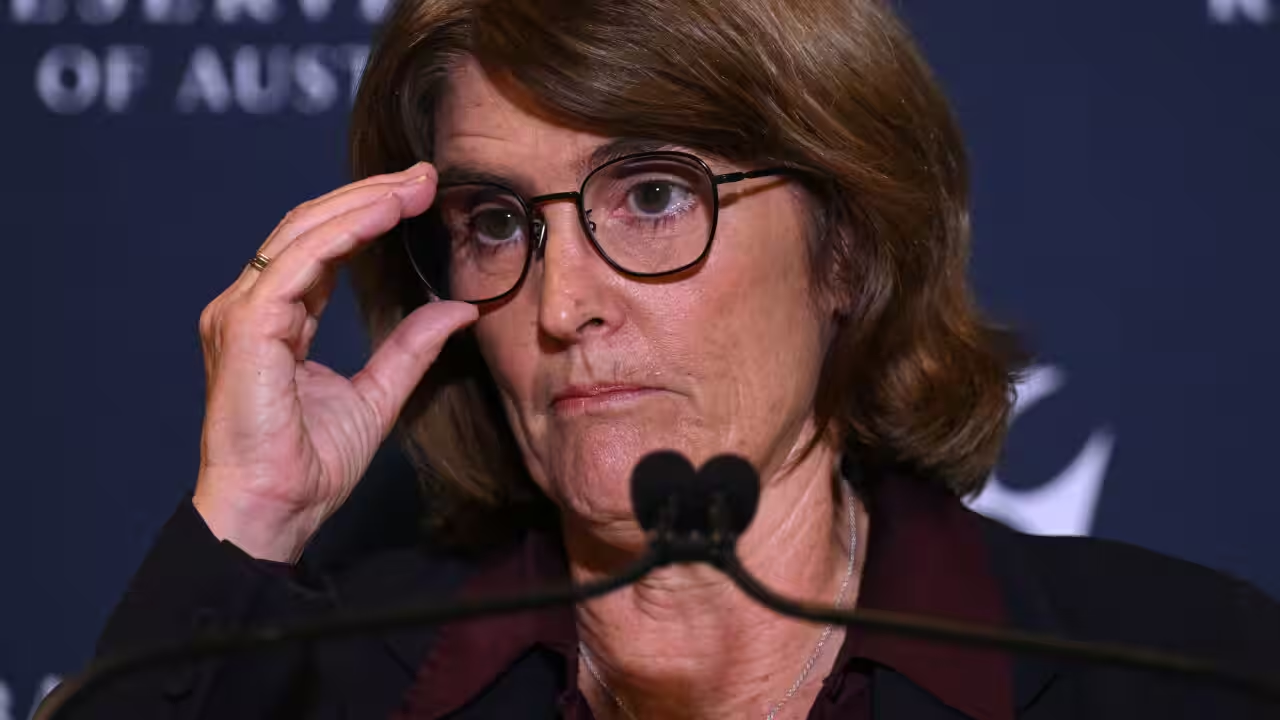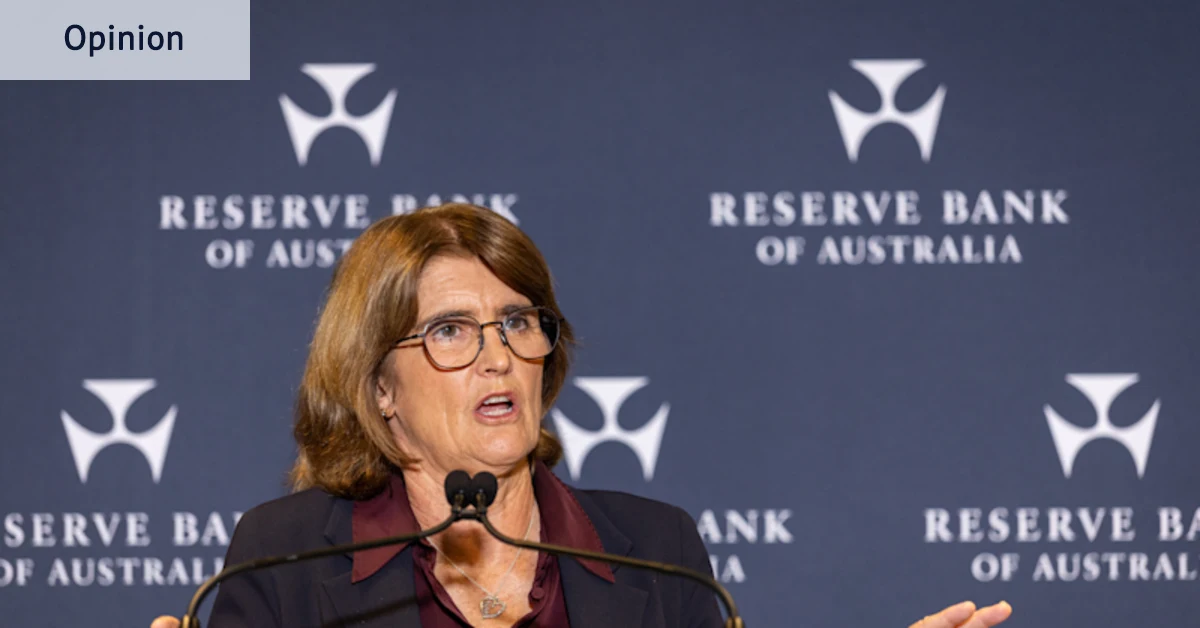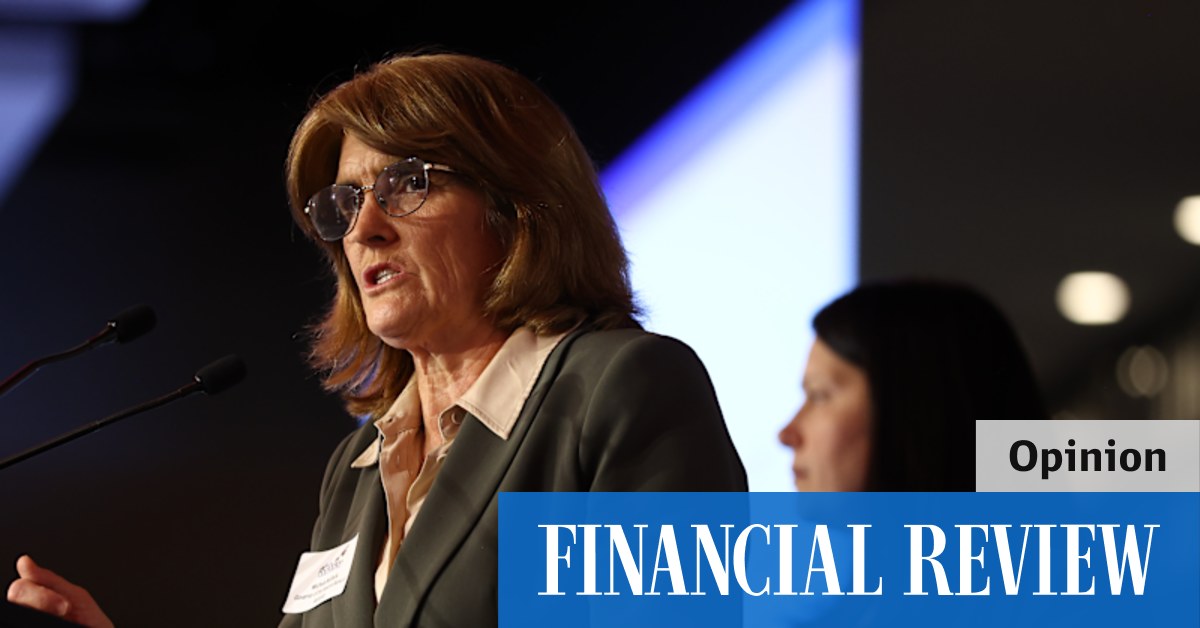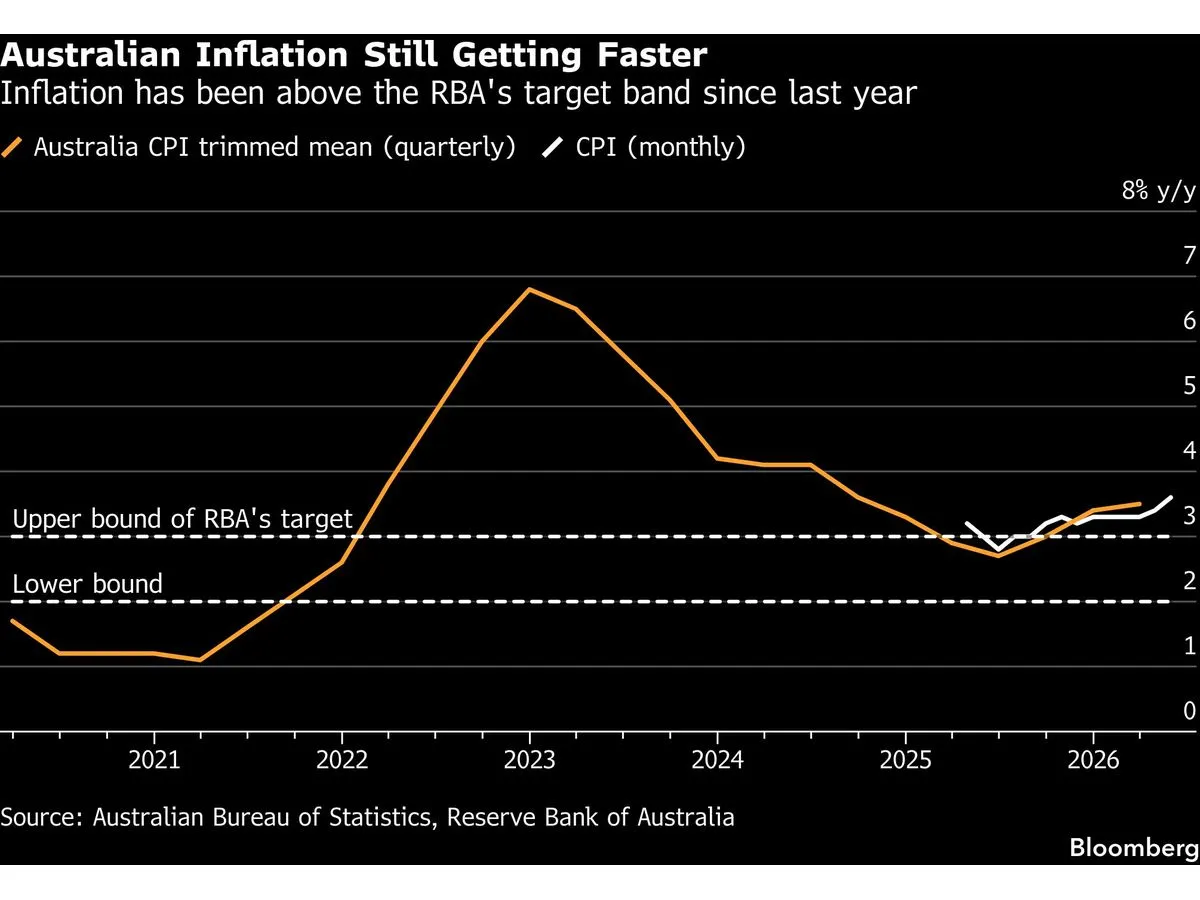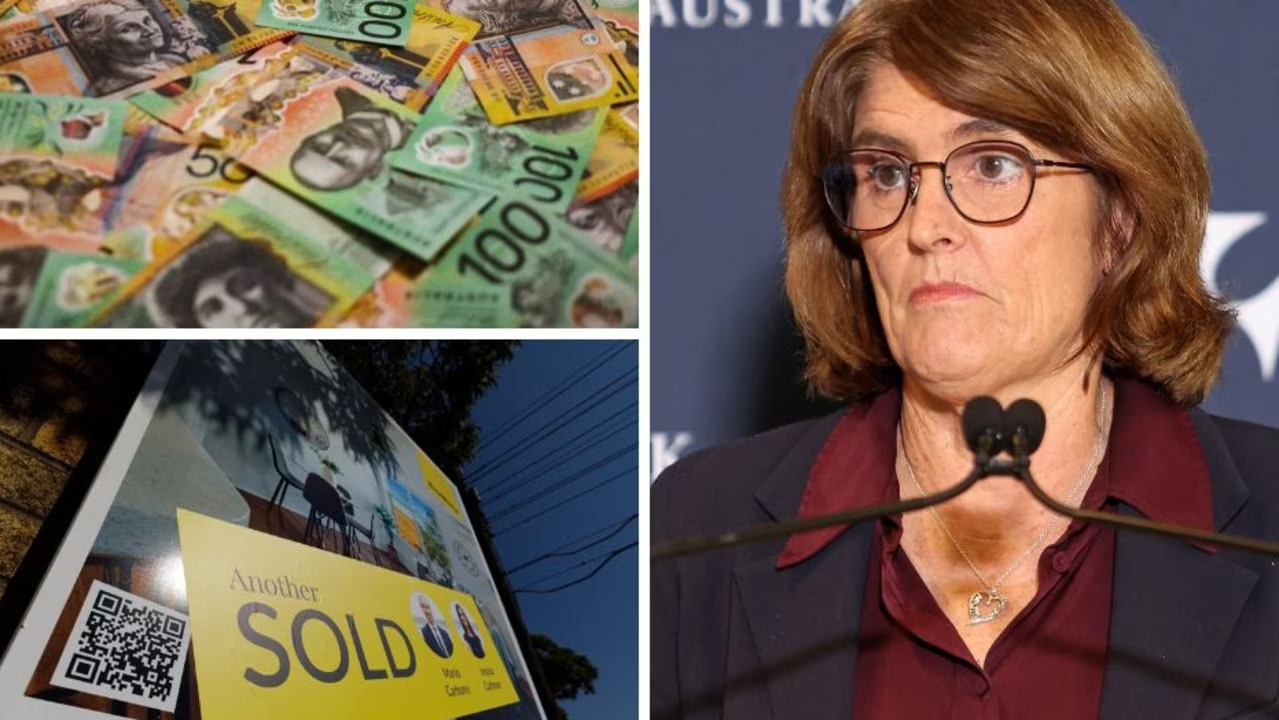
Reserve Bank governor Michele Bullock has warned of further rate hike pressures while claiming slowing demand is all part of the central bank’s plan. During her speech at the Anika Foundation fundraising lunch in Sydney, Ms Bullock said the RBA would do whatever it took to achieve its goals of maintaining low and stable inflation while supporting full employment. “The board is prepared to act as required to achieve its mandate, including by increasing the cash rate further if needed,” she said.When asked about slowing economic growth after her speech, Ms Bullock simply said some demand needed to be removed from the economy. “There is a lot of commentary like ‘oh no growth is slowing’ but we access at the moment that demand has to slow so it is not growing more than supply and generating inflation,” she said.“So the point I want people to take away is this is part of the plan.”“This is what interest rates are designed to do. (Hikes) are designed to slow demand so it is more in line with growth in supply and alleviate those inflation pressures. Economists currently forecast Australia has a “speed limit” on its economic growth capabilities, with anything above 2 per cent likely to lift inflation. Ms Bullock did not directly blame the government for spending too much, but said one way to reduce aggregate demand was “using fiscal policy.”She did concede however, governments have to make tough choices as to where to spend the money. In just her second formal speech of the year, Ms Bullock said there were signs inflation had not risen as quickly as first feared when the war between the US and Iran began, but conceded domestic inflation is simply too high. She said the bank would do what is required to get it back into target, including slowing an already anaemic economy.“This does mean that some further easing in the growth of demand is likely to be required if we’re to bring inflation back down sustainably to target,” she said.“A key question in the period ahead is whether the tightening in monetary policy earlier in the year is sufficient to achieve this.” Her comments follow the RBA holding the official cash rate at 4.35 per cent in July.Last month’s hold rate followed three interest rate hikes in a row to start 2026, with the cash rate rising by 75 basis points.This reversed the three interest rate cuts of 2025.Ms Bullock said this had impacted the housing market, which was slowing faster than anticipated. “The housing market has eased by more than we had anticipated in May,” she said.“This appears to reflect a range of factors, including recent policy developments affecting the housing market and a general softening in housing market sentiment.“Even so, the easing in established housing prices has so far been modest following a period of strong growth.”Ms Bullock also used her speech to sound the alarm on the long-term impacts of Australia’s productivity challenges, warning living standards could fall. “In Australia, these shocks have occurred against a backdrop of persistently weak productivity growth, which has weighed on real incomes and wages for many years. Reversing that is central to improving Australians’ living standards over the longer term,” she said.Ms Bullock grimly points out there is nothing monetary policy can do to fix this. Productivity remains a key concern for the national economy, all but flatlining since 2021.Productivity gains are vital to improving living standards as it allows for more economic output per input, which leads to higher wages, lowers costs of goods and services and ultimately allows for more public funding for essential services. She also pointed out the war in the Middle East was adding to cost-of-living woes but added Australia’s inflation rate was on the way up before the US/Iran war. Oil prices have fluctuated wildly since the war began, with the price of benchmark crude going from about $US56 a barrel at the start of the war to a high of $US120 a barrel and then closer to $US90 a barrel.Every $US10 a barrel increase in fuel costs motorists about 10 cents per barrel.Australian motorists have been spared most of this pain due to a temporary halving of the fuel excise, which dropped the price of fuel by 32 cents a litre. Ms Bullock said while the oil shock had made things more complicated, the RBA’s goals hadn’t changed. “The full effects of increases in the cash rate from earlier in the year will take time to materialise, and even if the renewed disruption to oil supply abates quickly, underlying inflation is still expected to be higher as fuel price rises flow through to other prices,” she said.Ms Bullock’s warning comes ahead of Wednesday’s inflation figures.Markets are forecasting the quarterly all-important trimmed mean inflation rate – which the RBA watches closely because it strips out volatile items such as fuel – will be 3.7 or 3.8 per cent, which is in line with the RBA’s May forecast. This would be up from 3.5 per cent for the 12 months to March.AMP chief economist Shane Oliver told NewsWire a figure above 3.9 per cent would lead to an interest rate hike.“The RBA’s forecast for the June quarter is a headline inflation figure of 3.8 per cent, so if the figure comes in above that I think it would scare the Reserve Bank,” he said.“I think a number of 3.9 per cent would be a level that makes a tightening next month almost certain.”Mr Oliver said a delay in the second-round impacts of the US-Iran war would likely lift Australia’s inflation rate for the 12 months until June.“The first-round effect (of the war) is the flow-on to petrol prices at the bower, which is not quite instantaneous but is usually felt within a few weeks, whereas the flow-on effects to paints, plastics, fertilisers and so on take a lot longer to show up,” he said.Read related topics:Reserve Bank
‘Part of the plan’: Grim rates admission
Reserve Bank governor Michele Bullock has warned of further rate hike pressures while claiming slowing demand is all part of the central bank’s plan.
987 words~4 min read