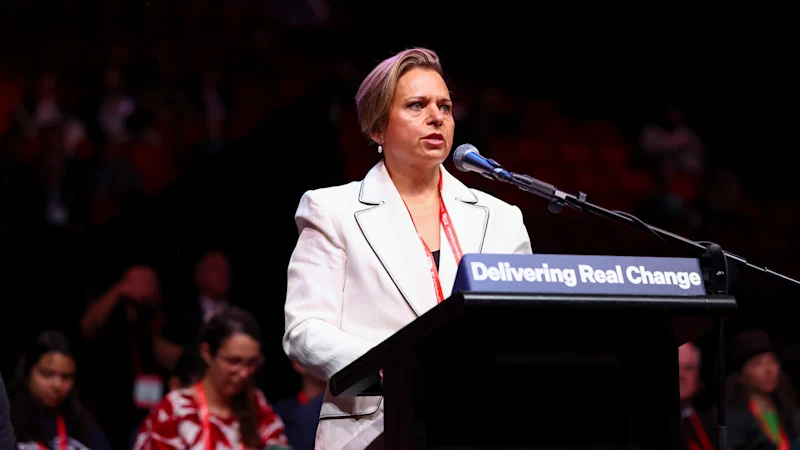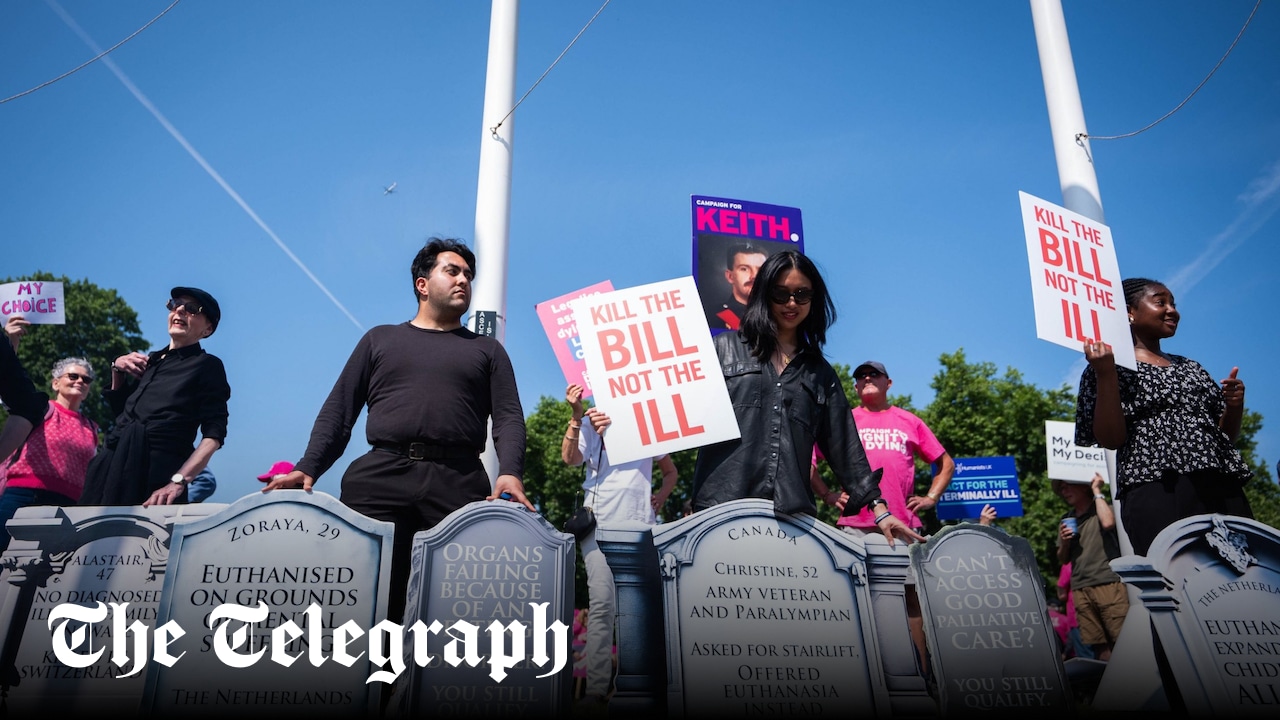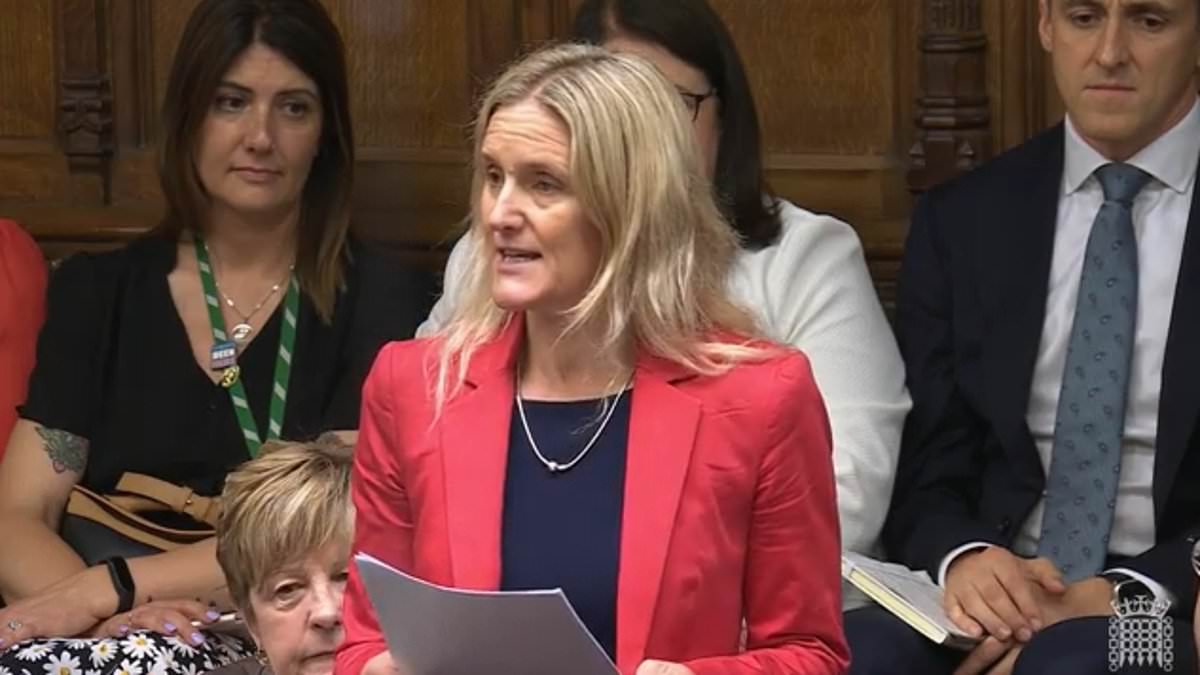
At last week’s ALP national conference, delegates changed Labor’s platform to support removing federal barriers to voluntary assisted dying care, including telehealth. They also guaranteed Labor parliamentarians a conscience vote on VAD.On Sunday, Anthony Albanese said he remained personally unconvinced about telehealth. That cabinet would decide whether the issue reached the floor of the parliament or not. He fears telehealth could be misused or undermine confidence in the system.The prime minister is entitled to that view. It’s not a view, however, shared by a majority of his party.And a conscience vote that never reaches parliament is no conscience vote at all. The PM needs to bring on this debate and not stand in its way.The vote in question is whether a commonwealth criminal law enacted in 2005 should continue to obstruct medical care authorised under state and territory laws many years later.That 2005 law made it an offence to use a carriage service – phone, email, video conferencing – to send “suicide-related material”. Its target was harmful online material and people encouraging others to take their own lives.The provisions were never intended to apply to VAD. In 2023, the Melbourne GP Nick Carr tested this by asking the federal court to determine whether “suicide” in those provisions included the lawful, medical process of VAD.Even though state VAD laws explicitly say VAD is not suicide, the commonwealth argued that it did. The court agreed.The result is that doctors risk prosecution and fines of $300,000 if they use the widely accepted tool of telehealth to carry out any part of the VAD process.This collision of state versus federal law has had tragic consequences.Patrick Hammer, 38, lived in regional Queensland. Dying of liver disease, he was found eligible for VAD. Because his doctor had to put his prescription in the post, rather than send it electronically, it did not reach him in time. His wife, Helena, said of Patrick’s death: “I didn’t see any peace in it. It was torture.”Tom, a 79-year-old man with end-stage lung disease in far north Queensland, was also eligible for VAD but too unwell to travel. Two doctors made three trips totalling 8,500km to assess him for VAD. But Tom died before the medication could be dispensed.Anyone who calls that arrangement a responsible use of two rural doctors’ time should identify which of those kilometres made Tom safer.Frailty and terminal decline arrive in the suburbs as reliably as they do in remote Australia. Terry Hargreaves, managing end-stage prostate cancer, lived in Melbourne, close to hospitals and doctors, but in his final weeks even reaching the bathroom was an enormous task.His daughter Emma, who presented a petition with 13,000 signatures to federal parliament seeking change, watched Terry spend the last weeks of his life in excruciating pain because he was too ruined to travel to a VAD consultation, “even for five minutes”. “He deserved a better death,” she says.The federal attorney general, Michelle Rowland, has said she is not convinced a person making an end-of-life decision should be denied the dignity of a face-to-face consultation.But allowing telehealth will not require any practitioner to use it. The gold standard will always be in-person consultations. It would simply give practitioners an additional clinical tool when distance or pain make an in-person appointment unreasonable. Removing the criminal barrier is precisely what would return VAD to health policy, where Rowland says it belongs.Another concern raised is coercion. It’s the right question, to which there are clear answers.Having been debated exhaustively in every Australian parliament, our VAD laws are built around two core requirements: you demonstrate mental competency, and this is your voluntary choice.As befits the gravity of the request, the process is deliberately careful, involving multiple steps. Two doctors, trained to detect coercion, independently assess your eligibility. They carefully read your medical records and talk to other members of your healthcare team. Either of them can stop the process, and they have.Two witnesses who cannot be family members or beneficiaries must attest to your written statement that VAD is your choice and yours alone.Most crucially, at any time you can change your mind. One-third of people who get the VAD medication end up not using it.Allowing a consultation to occur by video removes none of those criteria.Our acceptance of telehealth in other settings is best explained by its use in palliative care. Providers and practitioners have made clear how valuable it is to have its flexibility “for providing comprehensive supportive care in the last weeks of life, where patients can be too unwell and unstable to attend any other form of consultation”. The commonwealth funds that care.The solution is neither novel nor difficult. The independent MP Kate Chaney introduced a private member’s bill in 2024 creating an exception for telehealth performed under state and territory VAD laws. It’s before the parliament again.The Australian Medical Association supports the change, as do the Law Council, the VAD regulatory bodies, some 20 health organisations, and state and territory attorneys general and health ministers. These are all careful, sensible people. They would not advocate for this change were it not safe and necessary.The Labor government should honour the commitments of its conference, not promise a conscience vote in the abstract and prevent the parliament from having one in practice.A conscience vote requires a vote.
Australians in end-of-life agony can’t always see a doctor. Telehealth can help them die with dignity | Andrew Denton
A collision of state v federal law on voluntary assisted dying has had tragic consequences. And a Labor conscience vote that never reaches parliament is no conscience vote at all
877 words~4 min read