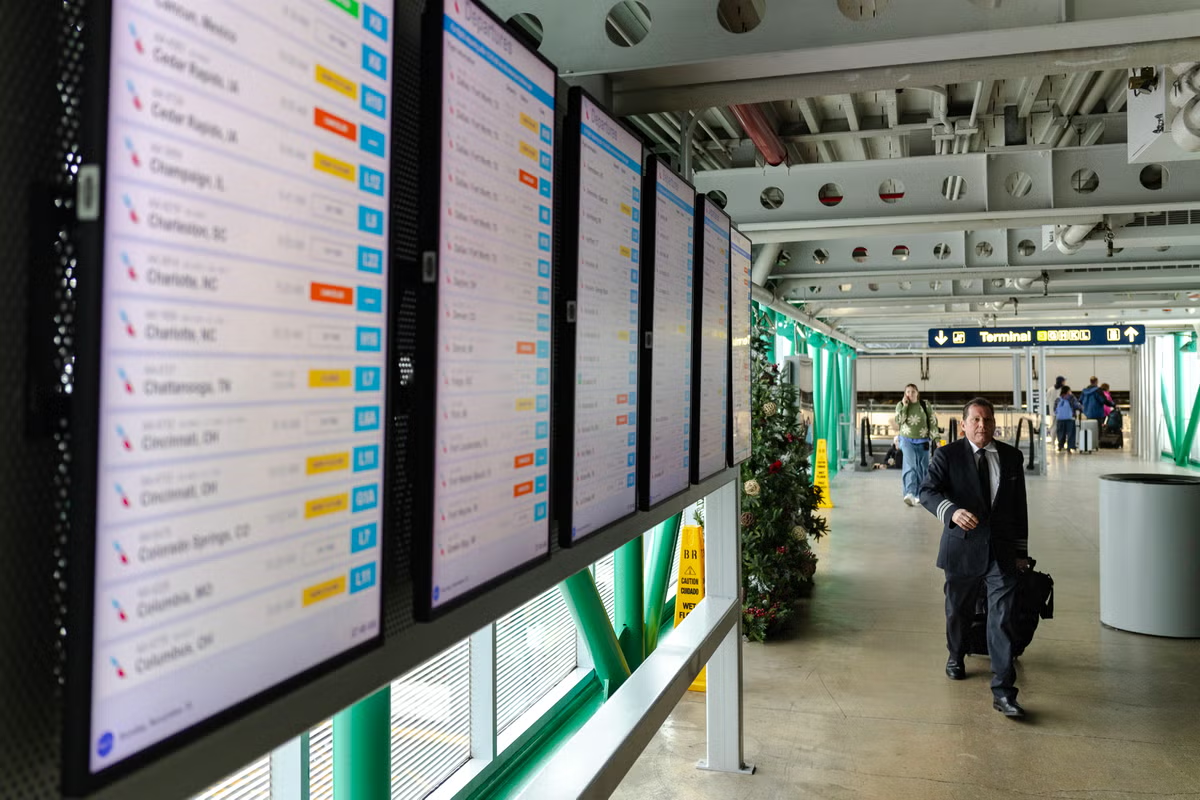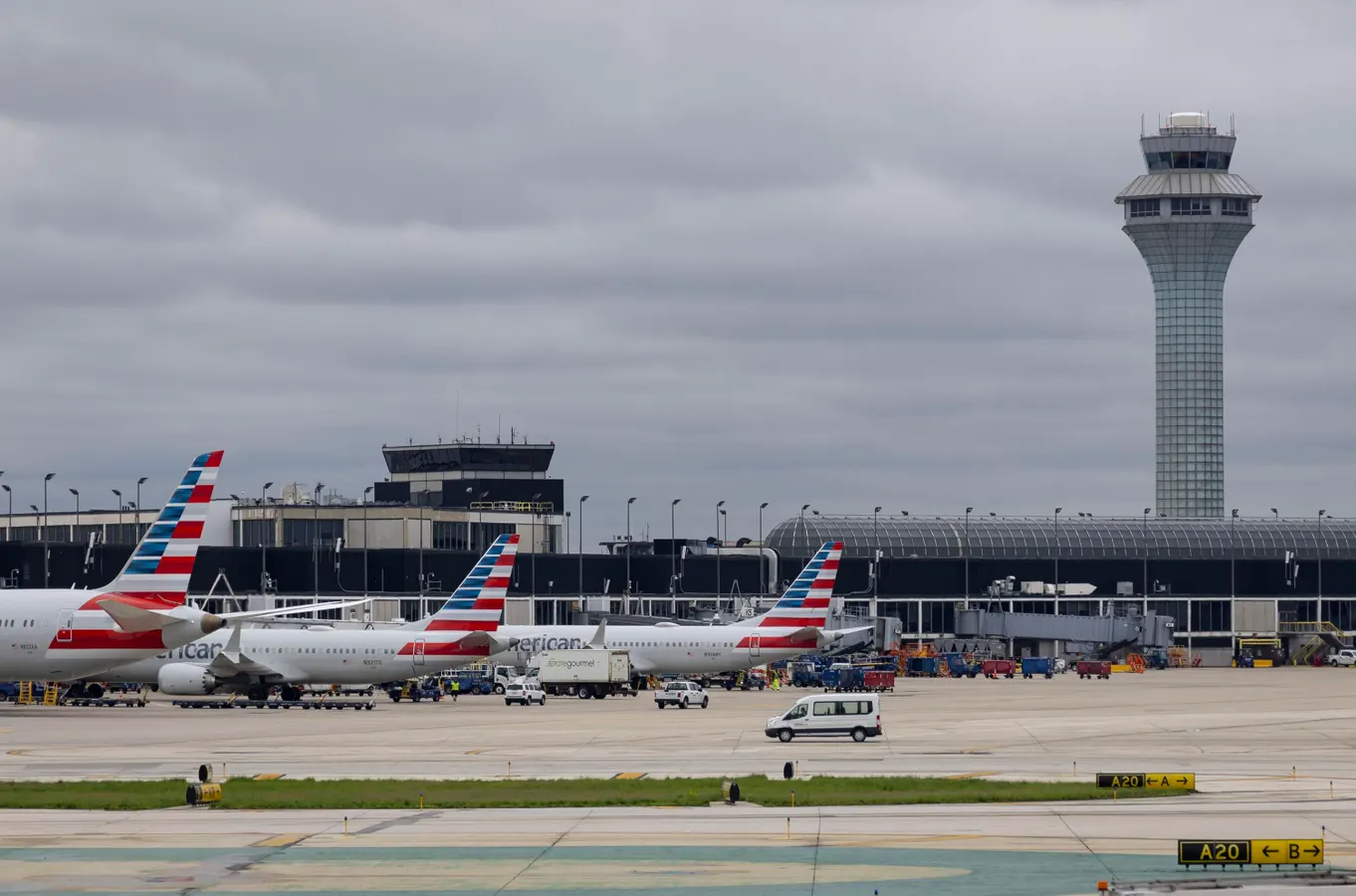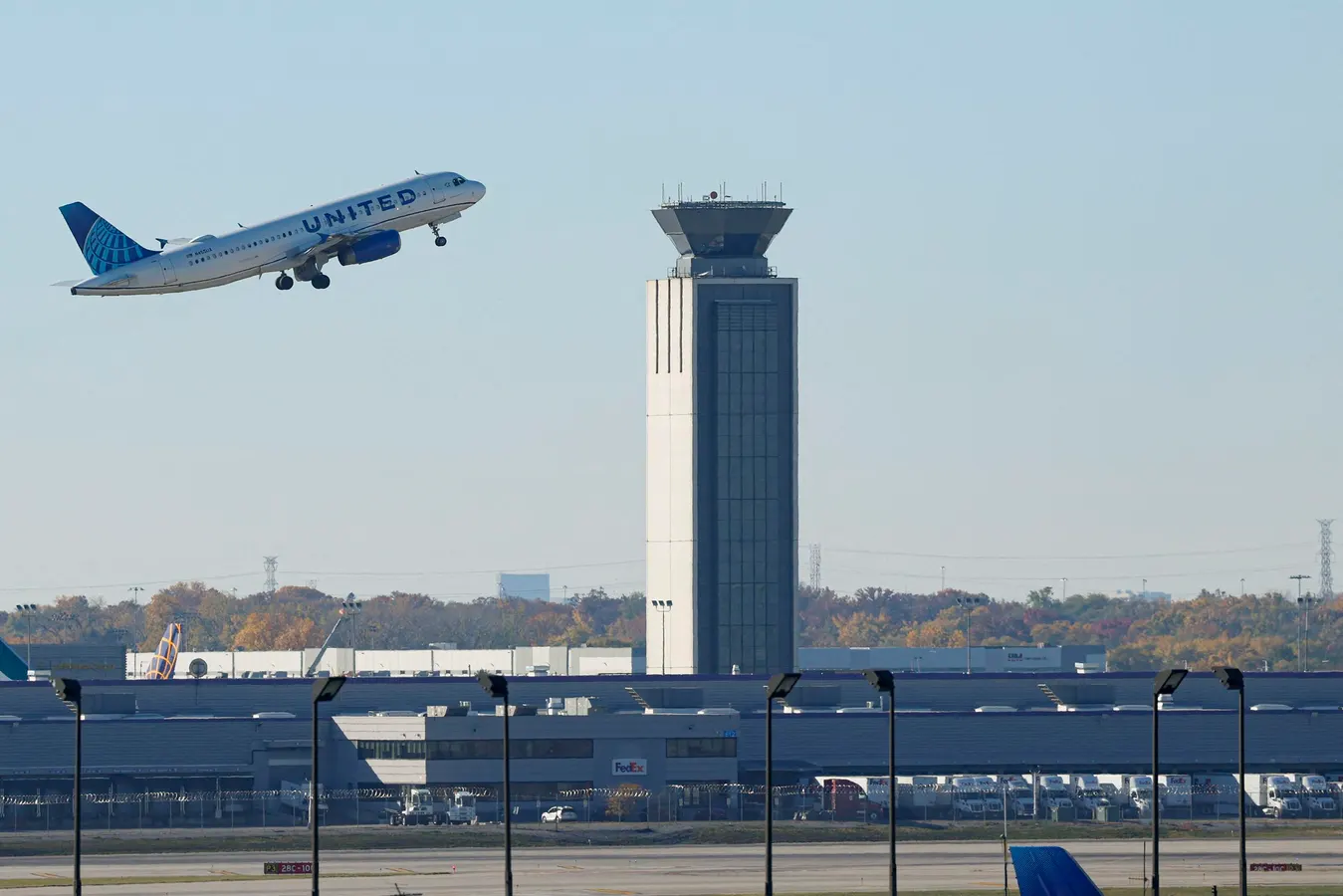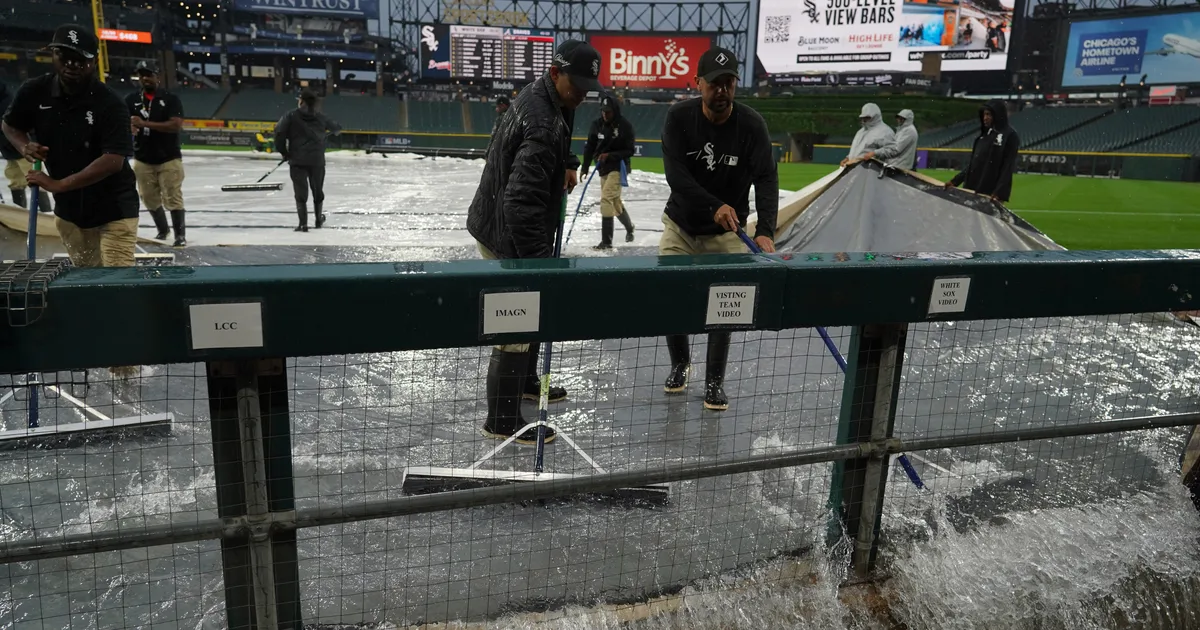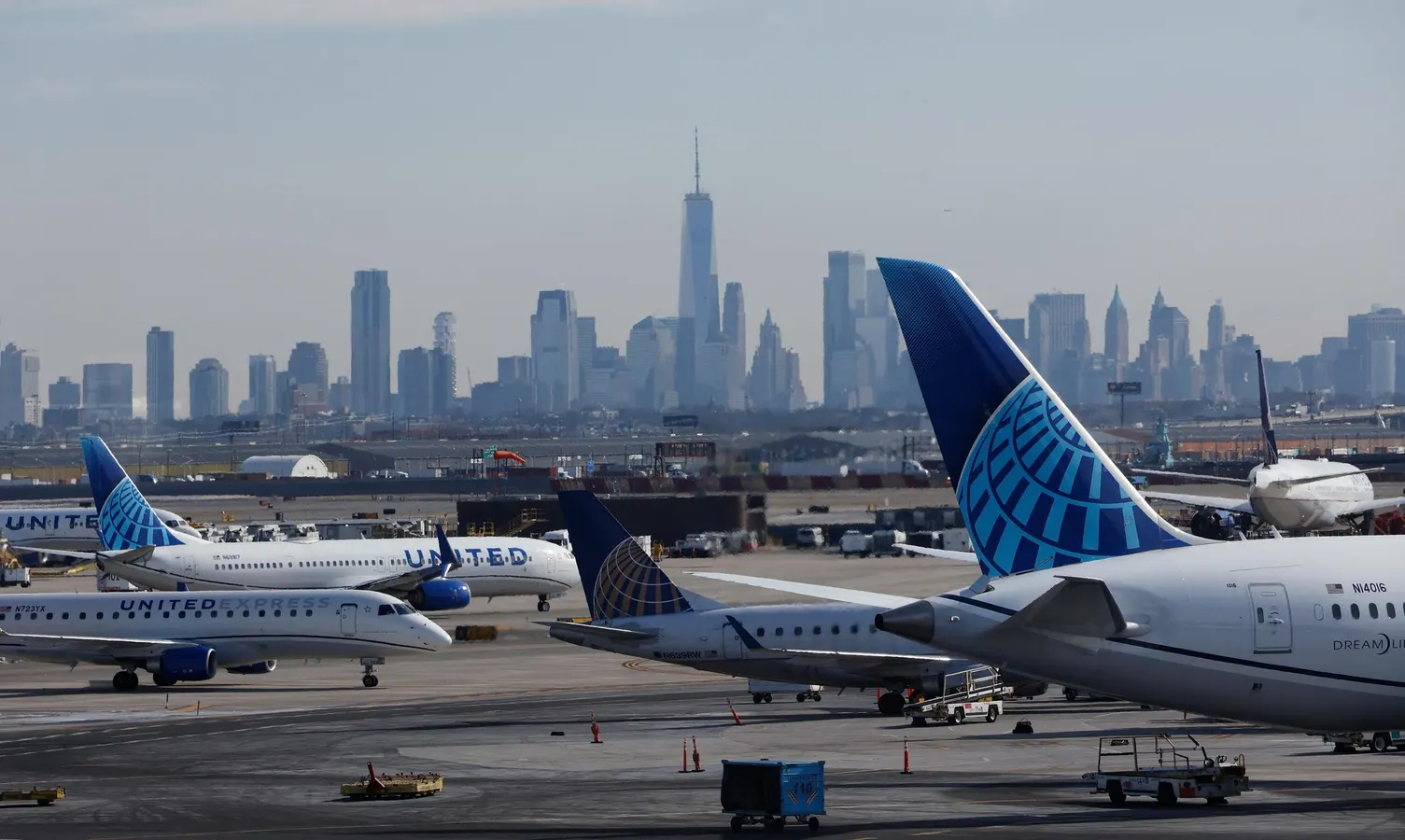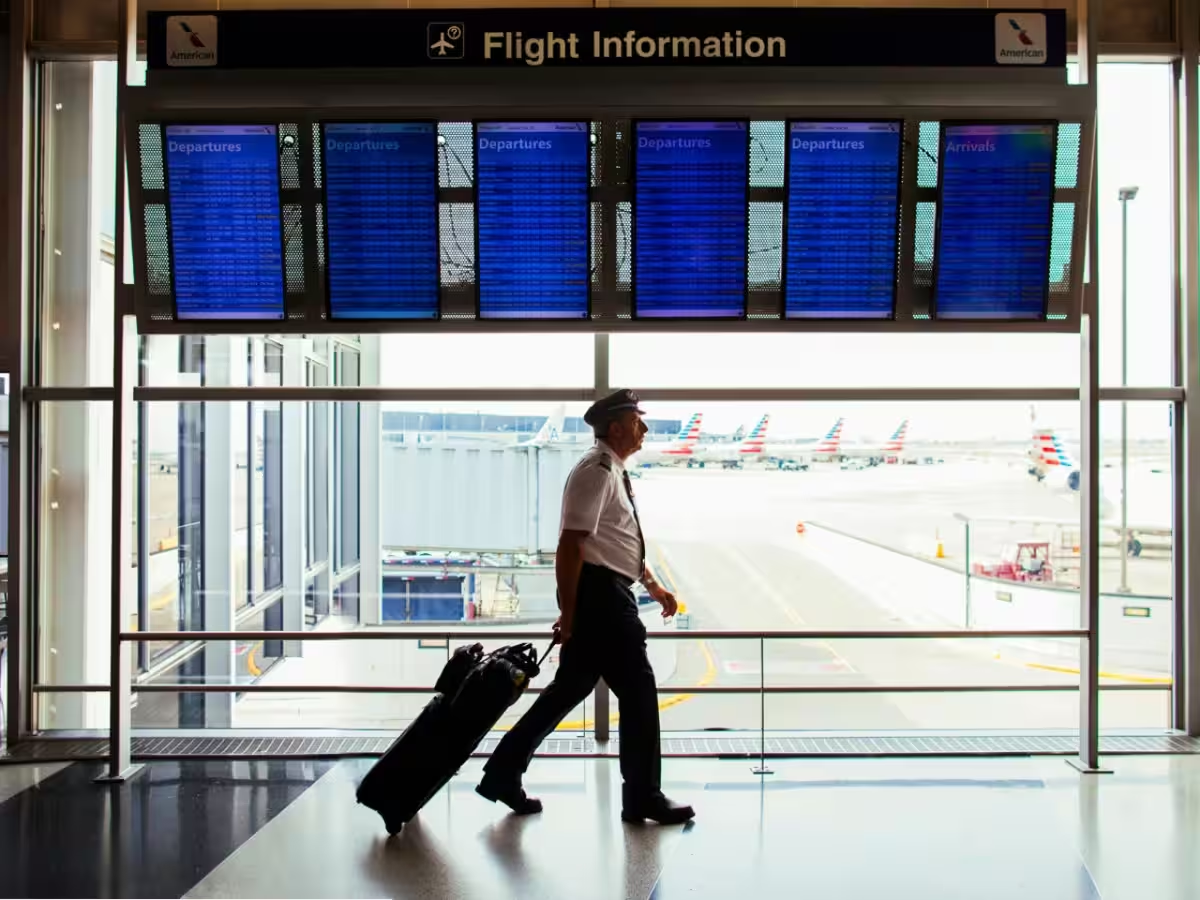
SynopsisChicago's airports are recovering after severe storms forced ground stops and canceled nearly 1,000 flights on Monday. FlightAware data on Tuesday morning showed operations had largely stabilized, with 140 cancellations and 26 delays at O'Hare, and six cancellations and eight delays at Midway, as airlines worked to restore normal schedules.iStockFlight operations at Chicago's two major airports improved on Tuesday after severe thunderstorms forced ground stops for several hours a day earlier, causing nearly 1,000 flight cancellations and widespread delays.According to FlightAware data on Tuesday morning, Chicago O'Hare International Airport reported 140 flight cancellations and 26 delays, while Chicago Midway International Airport recorded six cancellations and eight delays. The figures mark a significant improvement from Monday, when severe weather brought airport operations to a standstill.The disruptions began around midday Monday after powerful thunderstorms swept across the Chicago area, bringing strong winds, heavy rain and dangerous weather conditions. The Federal Aviation Administration imposed ground stops at both O'Hare and Midway, temporarily halting arriving and departing flights until conditions became safe for operations.The Chicago Department of Aviation said the storms had a major impact on air traffic. At least 865 flights were canceled at O'Hare International Airport, while 91 flights were canceled at Midway International Airport. Even after the ground stops were lifted, travelers faced lengthy delays as airlines and air traffic controllers worked to clear the backlog.At the height of the disruption on Monday, average delays at O'Hare exceeded 90 minutes, while Midway reported average delays of nearly 45 minutes. The cascading impact affected flights across the United States, with aircraft and crew left out of position after operations were interrupted.Although Tuesday's FlightAware data indicates that most flights are operating as scheduled, airlines continue to adjust schedules as they recover from Monday's disruptions. Travelers are being advised to check the status of their flights before heading to the airport, as some delays and cancellations remain possible.The severe weather that triggered the disruption has since moved out of the region. Forecasts call for calmer conditions and cooler temperatures across the Chicago area over the coming days, which are expected to help airport operations return to normal. (Join our ETNRI WhatsApp channel for all the latest updates)...moreElevate your knowledge and leadership skills at a cost cheaper than your daily tea.Subscribe Now
Chicago storms trigger ground stops, hundreds of flight cancellations - The Economic Times
Chicago's airports are recovering after severe storms forced ground stops and canceled nearly 1,000 flights on Monday. FlightAware data on Tuesday morning showed operations had largely stabilized, with 140 cancellations and 26 delays at O'Hare, and six cancellations and eight delays at Midway, as airlines worked to restore normal schedules.
377 words~2 min read