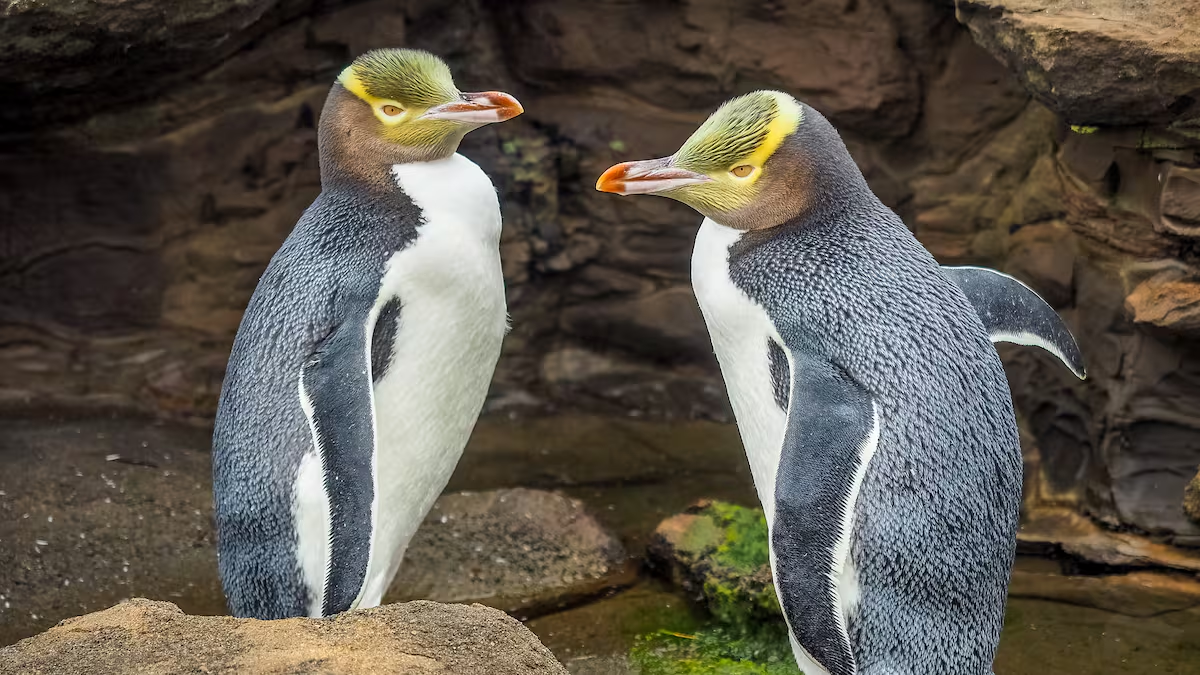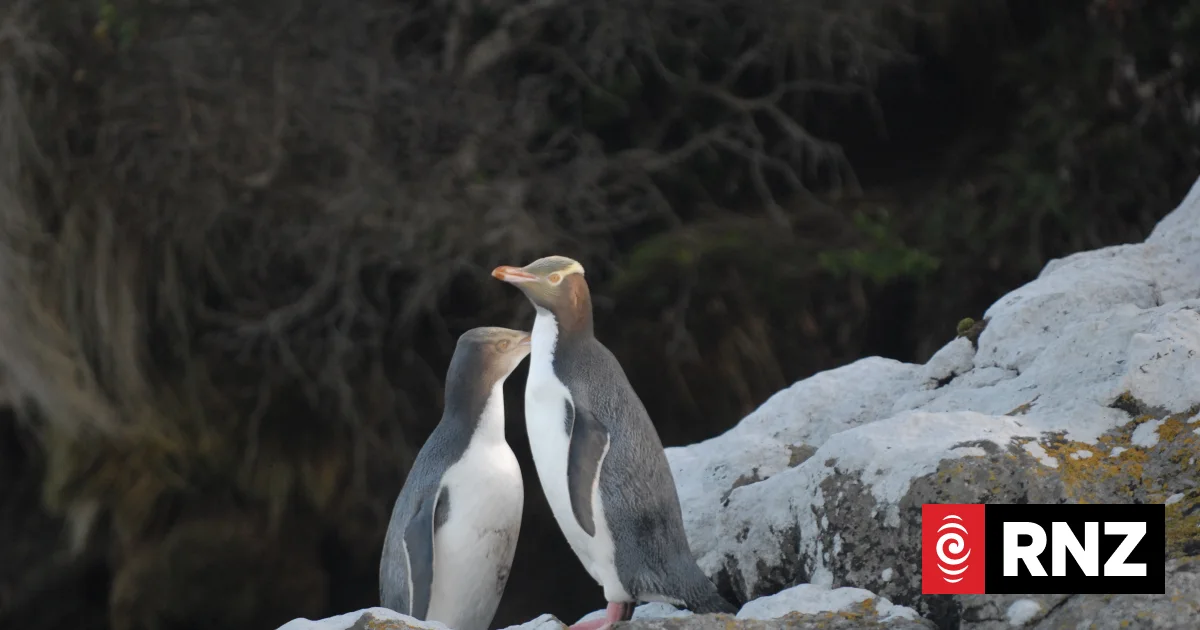
Listen to the Yellow-Eyed Penguin Trust manager after 5.20pmA set net ban to protect hoiho off the Otago Peninsula will be made permanent to reduce the risk of fishing bycatch.A temporary emergency closure was imposed by the Oceans and Fisheries minister last year to protect the nationally endangered yellow-eyed penguin.Shane Jones said he decided to make the closure permanent."I am also establishing a new escalating response framework called a fishing related mortality limit so I can act quickly and decisively to increase protections if needed," he said.The plan included setting an accidental capture limit of four northern hoiho per year.Jones called that a "bottom line" and did not rule out putting further restrictions on fishing in place to ensure the limit was not exceeded."Last year's risk assessment projected that to stabilise the northern hoiho population we must cut deaths from all causes by half and I consider the new protections will achieve this goal for fisheries bycatch," he said.Disease, predation and starvation were the major risks to hoiho but the changes to reduce risk of fisheries bycatch would help, he said.The changes would come into force on 16 September.Environmental Law Initiative welcomed the ban but senior legal advisor Megan Cornforth-Camden said it was deeply concerned by the bycatch limit of four hoiho deaths per year."The announcement does little to change the status quo. Four hoiho were killed in the 24/25 fishing year, five the year before that and 4 the year before that," she said."If we were discussing the last remaining 115 breeding pairs of a kiwi species, would New Zealanders accept four birds being killed each year as a result of commercial activity? We believe the answer would be no."She questioned how the figure was reached and whether the advice given to the minister also considered the looming threat posed by avian influenza on an already fragile population."If the northern hoiho population can sustain the loss of four birds a year to fisheries bycatch on top of all the other pressures it faces, we would like to understand the scientific basis for that conclusion," Cornforth-Camden saidIt was important to avoid all bycatch deaths because the loss of three or four birds per year would quickly erode an already small breeding population and threaten the recovery of the species, she said.Seafood New Zealand chief executive Lisa Futscheck said the decision gave fishers in the area more certainty but that was undermined by the addition of a fishing related mortality limit."Fishers will continue to do everything they can to minimise risk and avoid hoiho capture," she said."We want to see hoiho thrive and have the best chance at recovery and survival."Futscheck said it was important that all threats to hoiho were addressed using an evidence-based approach.Seafood New Zealand inshore general manager Tiff Bock said it was unclear what would happen if the limit was reached, even if she believed that was unlikely."What they've done in the past in other fisheries, it's essentially an immediate closure of a predefined much wider area for everyone and every method," she said."So it becomes quite a high risk for all the other fishers in the area. It provides really good motivation to make sure we don't get there."The annual bycatch limit of four was "sensible", but scientific modelling indicated six would be sustainable, Bock said.When Fisheries New Zealand was consulting on the changes last year, it said commercial set net fishing was estimated to be the third largest cause of hoiho mortality in recent years.No hoiho were accidentally captured by commercial fishers in the January to March quarter this year.
Protection for hoiho around Otago Peninsula to be made permanent
Listen to the Yellow-Eyed Penguin Trust manager after 5.20pm
595 words~3 min read