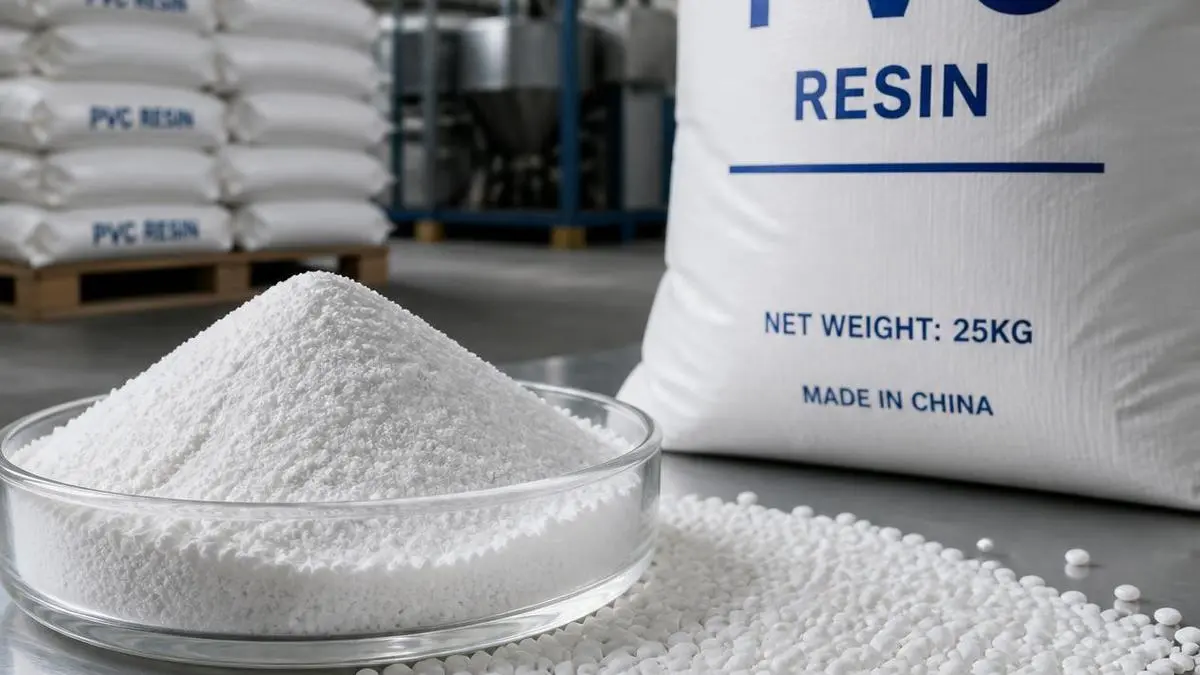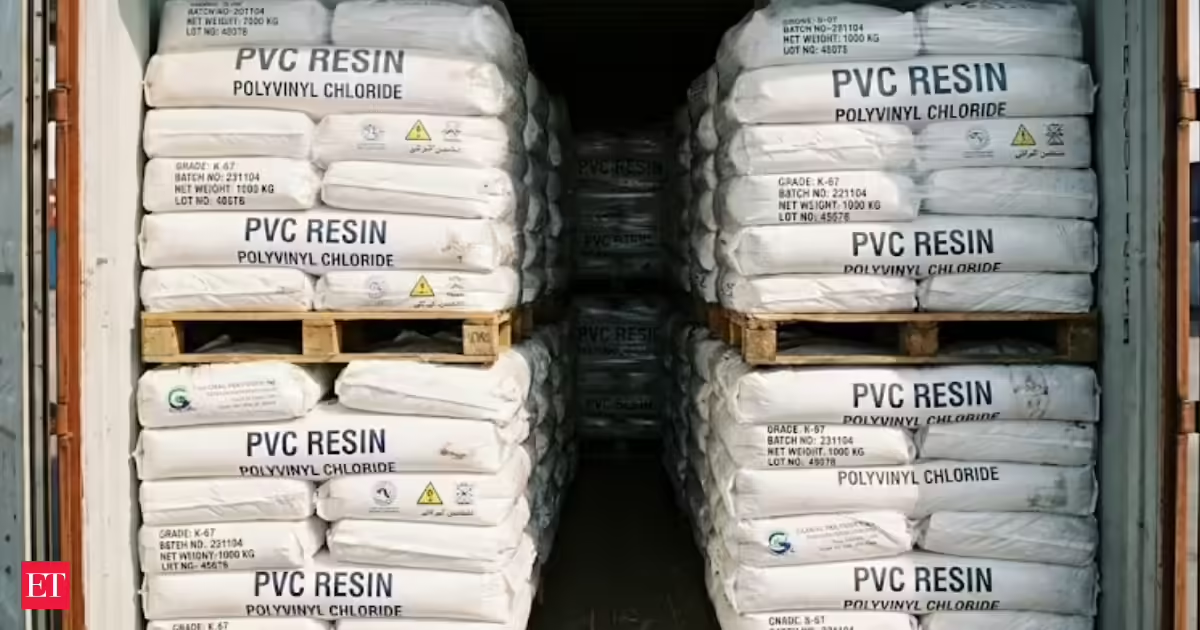
India's heavy reliance on imported PVC resin could make everything from water pipes and electrical cables to plumbing fittings more expensive after the Directorate General of Foreign Trade (DGFT) imposed a minimum import price (MIP) on Suspension Grade Polyvinyl Chloride (S-PVC) resin on Friday, according to a report by the Global Trade Research Initiative (GTRI).The think tank said the new import restriction is likely to push up domestic PVC resin prices, benefiting local manufacturers, but increase input costs for thousands of downstream industries that use the material. Since India imports around 64% of the S-PVC resin it consumes, the measure is unlikely to significantly reduce import dependence.Also Read: Trump’s 10% tariff blow that could work in India’s favourUnder a notification issued on July 24, the DGFT has changed the import policy for S-PVC resin (ITC HS Code 39041020) from "Free" to "Restricted" for shipments with a Cost, Insurance and Freight (CIF) value of US$0.766 per kg or less. Such imports will now require a DGFT licence in addition to applicable customs duties, while imports above the threshold will continue to be freely importable. The measure will remain in force for six months.Imports by Export Oriented Units (EOUs), Special Economic Zones (SEZs) and those made under the Advance Authorisation Scheme remain exempt, provided the imported material is used for export production.Notification creates legal ambiguityAccording to GTRI, the notification contains an ambiguity over what happens after the six-month period.While the operative provision changes the import policy for all S-PVC resin from "Free" to "Restricted", it allows imports above the minimum price to remain "Free" only for six months. This could mean all imports become restricted after that period unless the government issues another notification.However, the explanatory note states that only imports priced at or below US$0.766 per kg are restricted for six months, suggesting the government's intention was only to impose a temporary minimum import price. GTRI said the DGFT may need to clarify the position.Almost all imported PVC resin affectedThe report said the new floor price is expected to impact nearly every major exporter of S-PVC resin to India.India imported around US$1.63 billion worth of the product in FY26, with China accounting for the largest share, followed by Japan, Taiwan, South Korea, Mexico, Indonesia, Thailand, the United States, Singapore and Vietnam.Average import prices from these countries ranged between US$0.65 and US$0.75 per kg, below the new threshold, meaning most existing imports would require a licence unless suppliers increase their declared prices.Also Read: Finance Ministry imposes anti-dumping duty on low ash met cokeDomestic prices expected to riseGTRI said the biggest impact of the notification will likely be higher domestic PVC resin prices rather than a fall in imports.Once customs duties and taxes are added, the minimum import price raises the landed cost of imported resin. Since domestic PVC prices are largely linked to import parity, local manufacturers are expected to increase prices accordingly.Imports unlikely to declineDespite higher costs, India's dependence on imported PVC resin is expected to continue because domestic production remains well below demand.India consumes around 4.7 million metric tonnes (MMT) of PVC resin annually, of which S-PVC accounts for about 4.5 MMT. Domestic production capacity stands at just 1.7 MMT, meeting only 36% of demand, forcing the country to import the remaining 64%.Winners and losersAccording to the report, domestic PVC resin manufacturers, including Reliance Industries, Chemplast Sanmar and DCM Shriram, are likely to benefit from stronger pricing power and improved margins.However, downstream industries—particularly MSMEs manufacturing PVC pipes, fittings, cables, conduits, films, footwear and medical products—could face higher raw material costs. Those costs may eventually be passed on to consumers, affecting sectors such as agriculture, housing and infrastructure where PVC products are widely used.Why the government chose a minimum import priceThe report noted that the move follows an anti-dumping investigation by the Directorate General of Trade Remedies (DGTR), which in August 2025 recommended duties ranging from US$22 to US$284 per tonne on imports from countries including China, Japan, Taiwan, South Korea, Thailand, Indonesia and the United States.The Ministry of Finance did not impose those duties, citing concerns over higher costs for downstream industries. Instead, the government has opted for a minimum import price mechanism.Import bill could riseGTRI estimates the new policy could increase India's annual S-PVC import bill by around US$200 million if suppliers raise prices to meet the minimum threshold while import volumes remain unchanged.The report said the measure is unlikely to significantly reduce imports because of India's continued dependence on overseas supplies, but it is expected to increase raw material costs across the PVC value chain while improving margins for domestic resin manufacturers.
India's new import rule that could make homes and infrastructure costlier
India's new policy imposing a minimum import price on PVC resin is expected to result in higher domestic prices. This strategy supports local manufacturers but also elevates costs for downstream industries, putting additional financial strain on small businesses. Given the nation's substantial import reliance, this initiative is unlikely to lessen dependency significantly. The government's goal is to enhance local production in response to persistent market demand.
764 words~3 min read