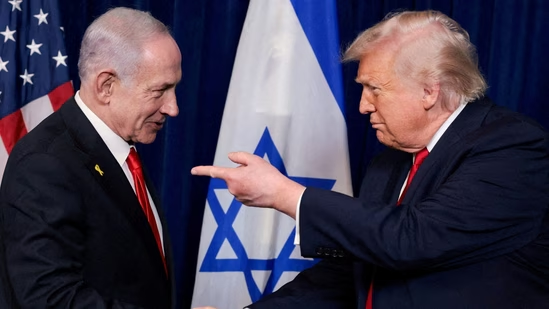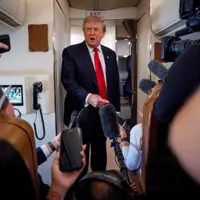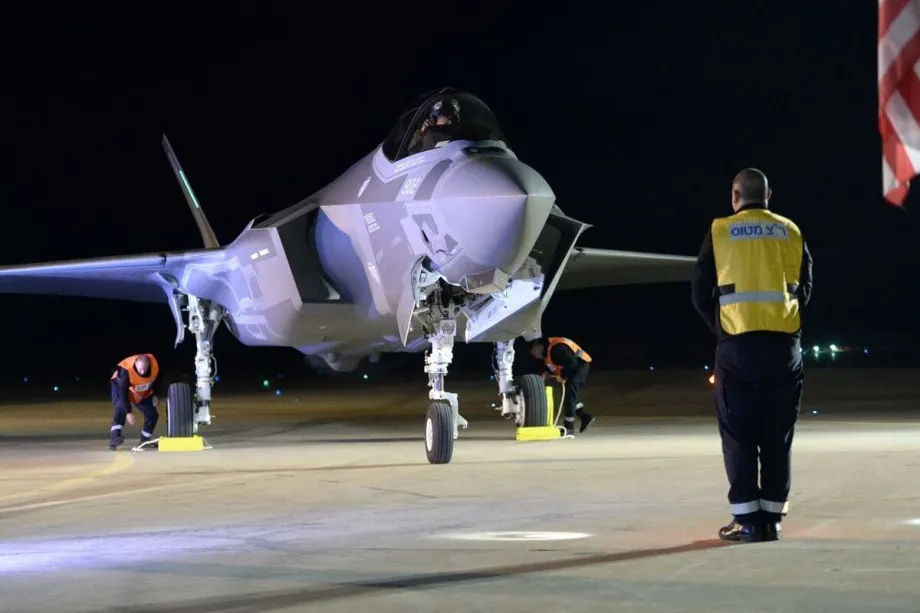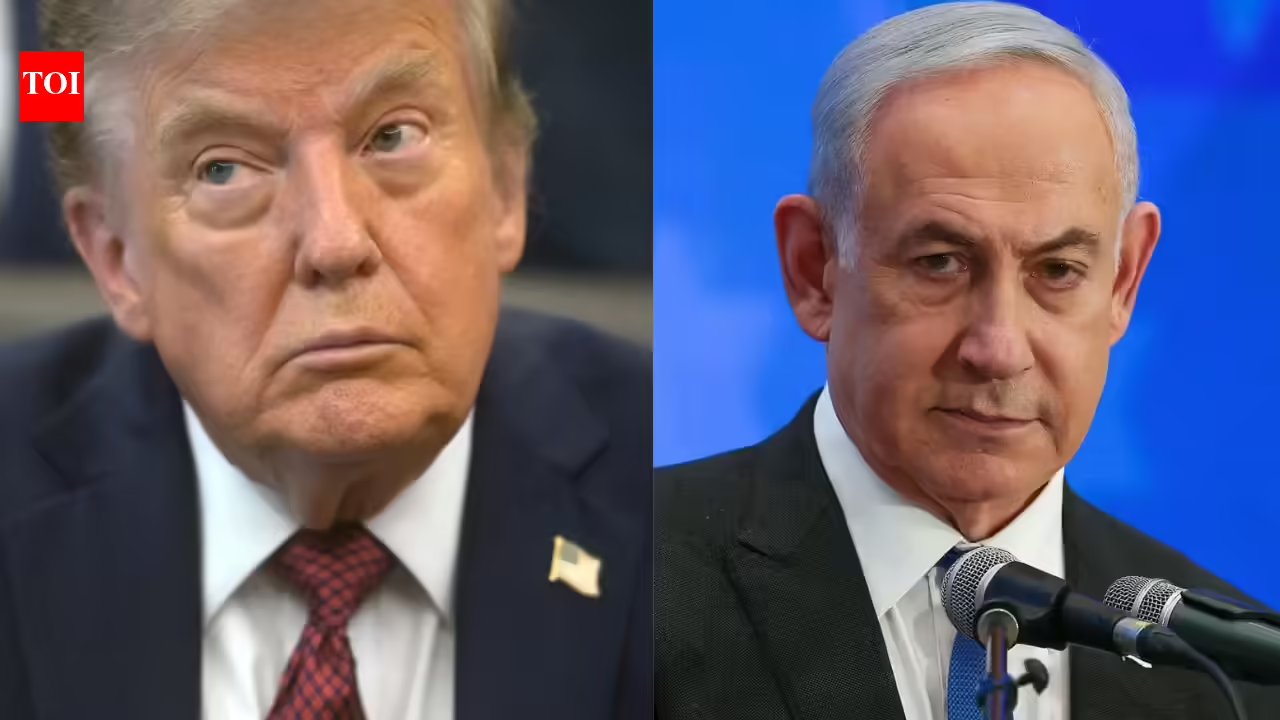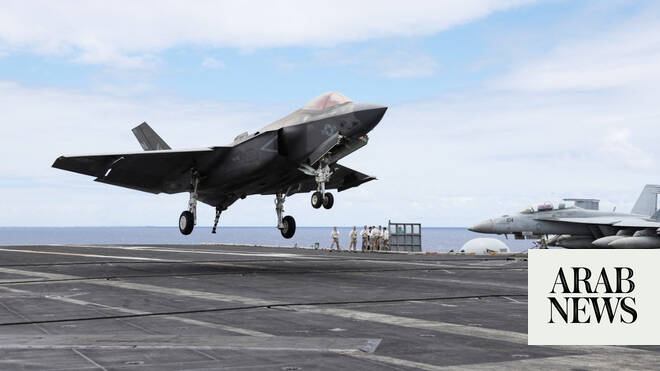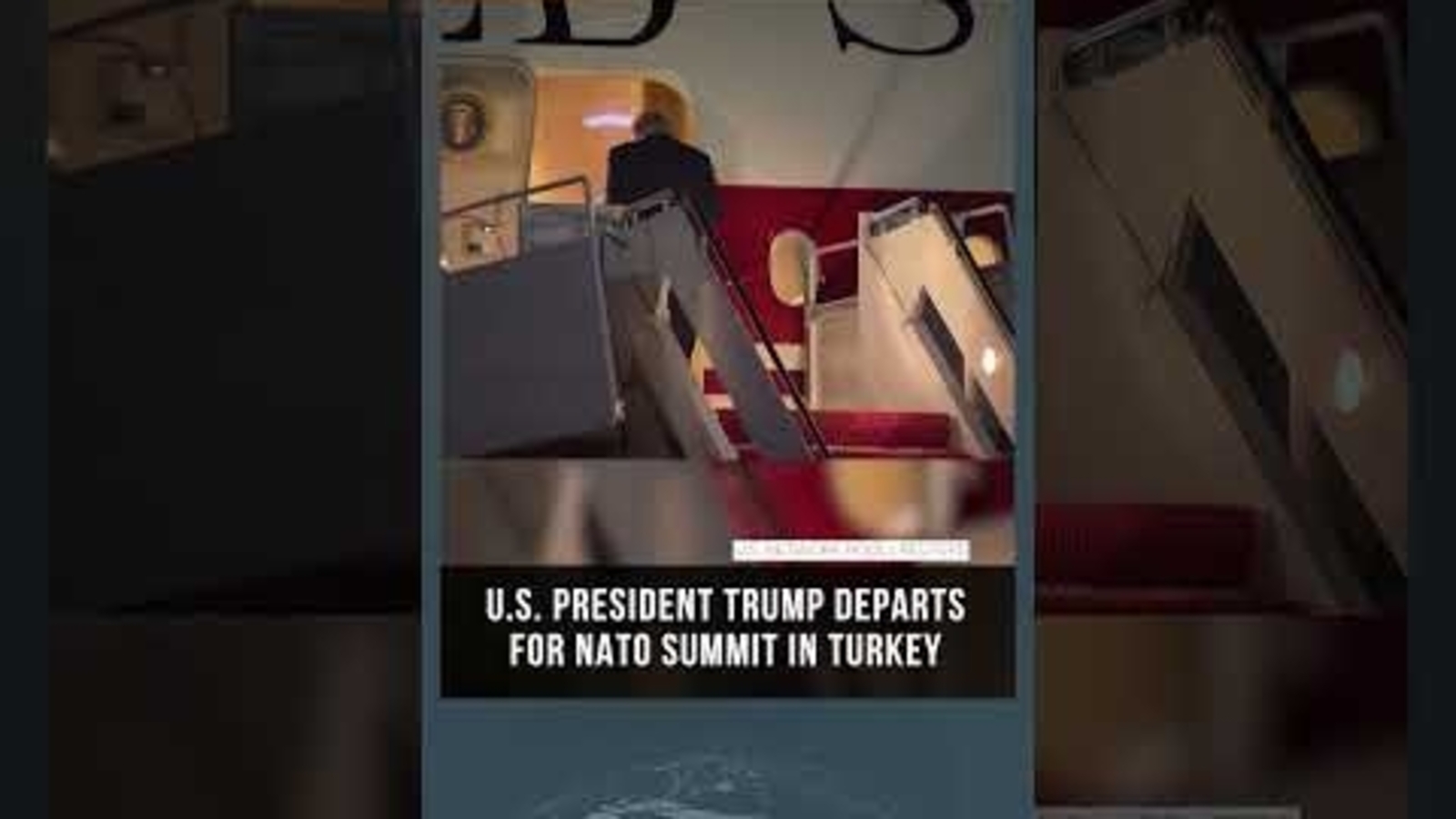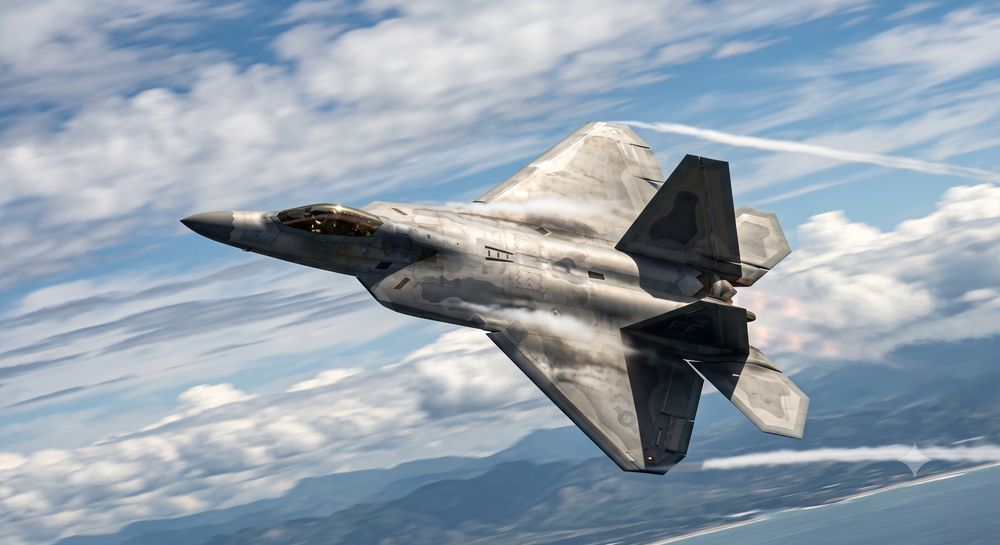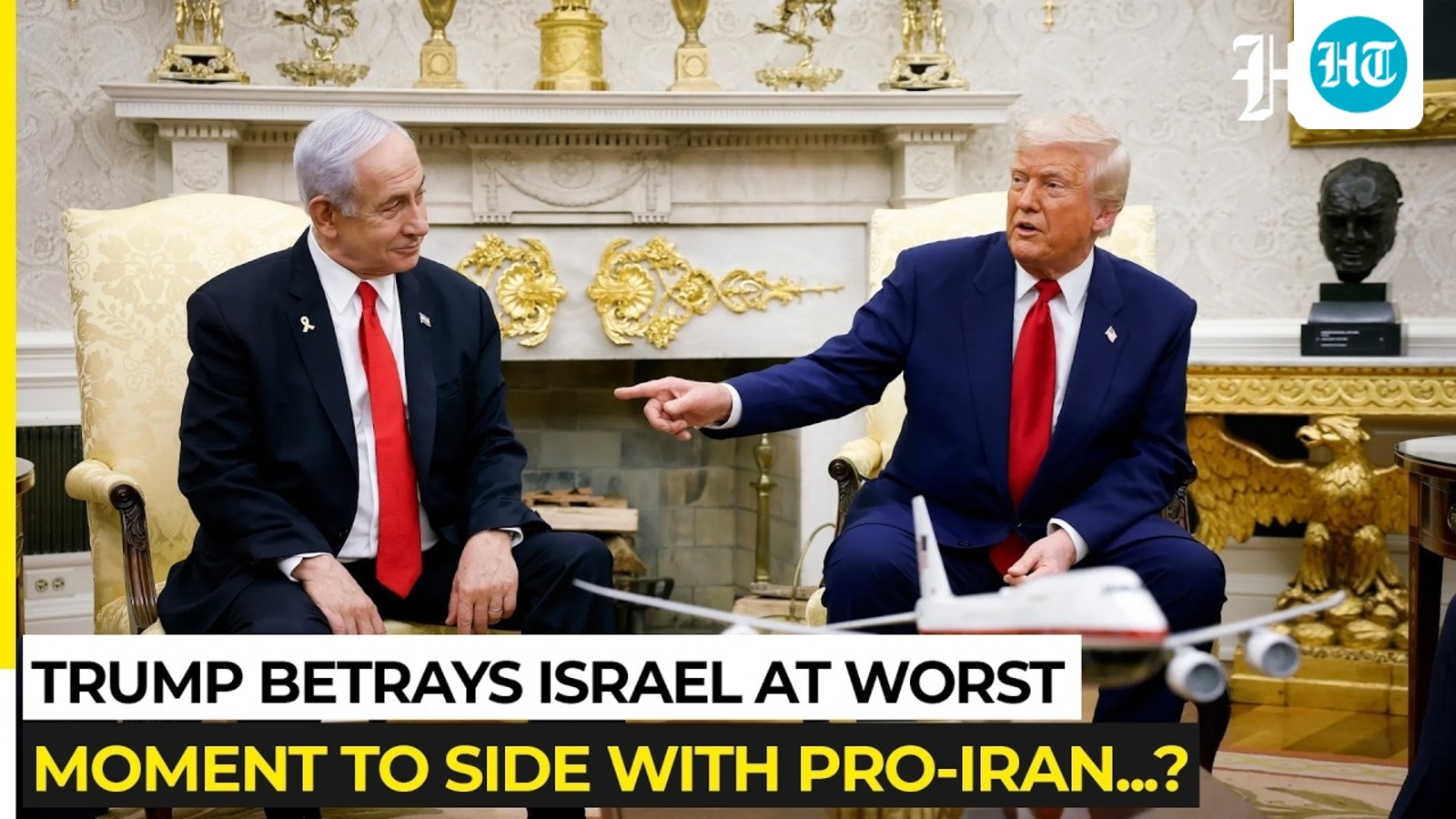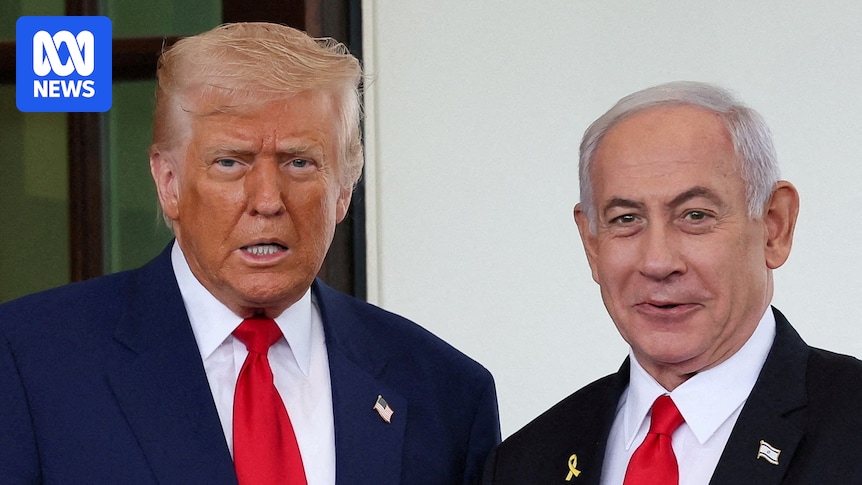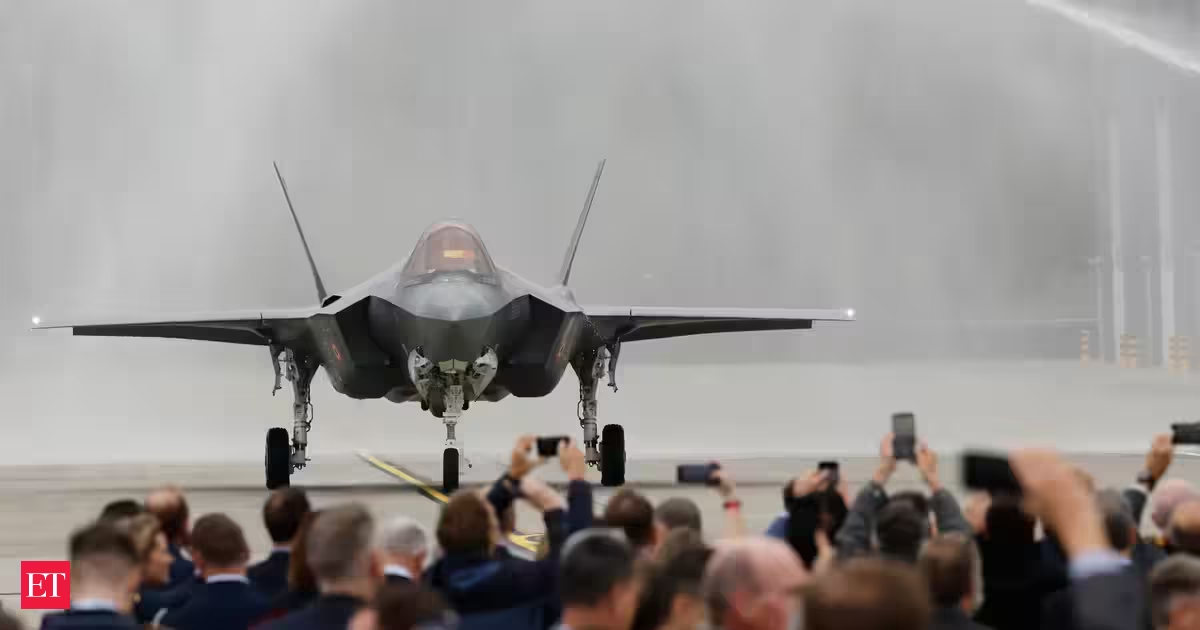
SynopsisPresident Trump rejected Israeli concerns over F-35 jet sales to Turkey. Turkey was removed from the F-35 program after buying Russian S-400 systems. Israel opposes the sale, viewing Turkey as a regional rival and security threat. Turkey's strategic location and NATO membership underscore its importance to Washington. US policy on Turkey's F-35 eligibility remains unchanged due to the S-400 issue.APF-35A Lightning II (Representative image)A dispute over one of the world’s most advanced fighter jets has exposed growing tensions between two key US partnerships, its alliance with Israel and its strategic relationship with NATO member Turkey. US President Donald Trump has rejected Israeli Prime Minister Benjamin Netanyahu’s concerns over a possible sale of F-35 fighter jets to Turkey, saying that no foreign leader can decide what weapons Washington should export.“Nobody tells me what we should be selling,” Trump told reporters on Air Force One, while defending Turkey as a “very powerful country” and praising his relationship with Turkish President Recep Tayyip Erdogan.The remarks came ahead of Trump’s meeting with Netanyahu, highlighting a complicated diplomatic challenge for Washington: balancing its close security ties with Israel while maintaining cooperation with Turkey.Why Turkey wants the F-35 fighter jetThe F-35 Lightning II, developed by Lockheed Martin, is among the most advanced fighter aircraft ever built. The fifth-generation jet combines stealth technology, advanced sensors, electronic warfare systems and real-time battlefield data sharing. Turkey was originally part of the international F-35 development programme and planned to buy around 100 aircraft. Turkish companies also produced several components for the jet. However, Ankara was sanctioned by the US and removed from the programme in 2019.Why is Turkey not eligible to get F-35 fighter jet Turkey is currently not eligible to buy the F-35 fighter jet because of its purchase of Russia’s S-400 air defence system, which Washington says creates a security risk for the advanced aircraft.Turkey was originally a partner in the multinational F-35 programme. However, after Ankara received the first S-400 systems from Russia in 2019, the US responded by removing Turkey from the F-35 programme and imposing sanctions under the Countering America’s Adversaries Through Sanctions Act (CAATSA).Washington argued that operating the Russian system alongside the F-35 could allow Moscow to collect sensitive data about the aircraft’s stealth capabilities and advanced technology. Trump had announced after his July 7 meeting with Erdogan that he would lift sanctions on Turkey, but the State Department later indicated that the process had not yet been completed. In a letter to Congress, the department said that US policy on Turkey’s F-35 eligibility remained unchanged, stressing that Ankara still had to resolve the S-400 issue and meet existing legal requirements before any potential return to the programme.Why Israel opposes giving Turkey F-35sIsrael’s concerns are linked to the collapse of its relationship with Ankara. Turkey and Israel once maintained close military ties, but relations have deteriorated sharply over disagreements regarding Palestinian issues and especially after the October 7, 2023 Hamas attack and the Gaza war.Israeli officials increasingly view Turkey as a regional rival. Netanyahu has warned against providing Ankara with advanced fighter technology, arguing that it could affect Israel’s security environment.Israel is currently the only Middle Eastern country operating the F-35 and has relied on the aircraft to maintain its military advantage in the region.Why Trump supports closer defence ties with TurkeyTrump’s position reflects Turkey’s strategic importance to Washington. Turkey is a major NATO member with one of the alliance’s largest militaries. Its location between Europe, the Middle East and the Black Sea gives it significant geopolitical importance, especially amid tensions involving Russia and Ukraine.Trump has repeatedly highlighted his personal relationship with Erdogan and has suggested that improving defence cooperation with Ankara could benefit US interests. However, any F-35 deal would still face legal and congressional hurdles.Read More News on
Trump vs Netanyahu over F-35s for Turkey: Why a fighter jet sale is creating a new US-Israel rift
President Trump rejected Israeli concerns over F-35 jet sales to Turkey. Turkey was removed from the F-35 program after buying Russian S-400 systems. Israel opposes the sale, viewing Turkey as a regional rival and security threat. Turkey's strategic location and NATO membership underscore its importance to Washington. US policy on Turkey's F-35 eligibility remains unchanged due to the S-400 issue.
626 words~3 min read