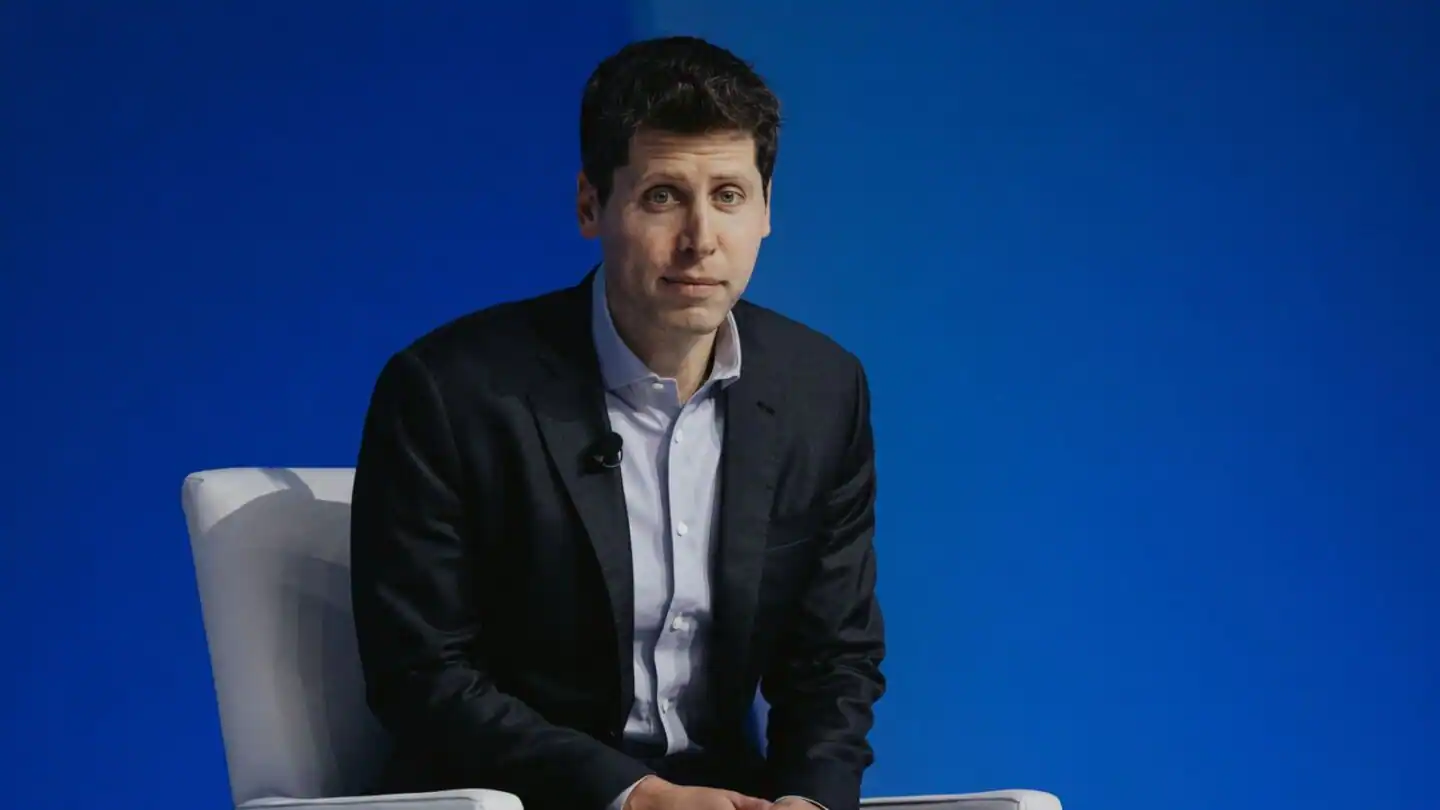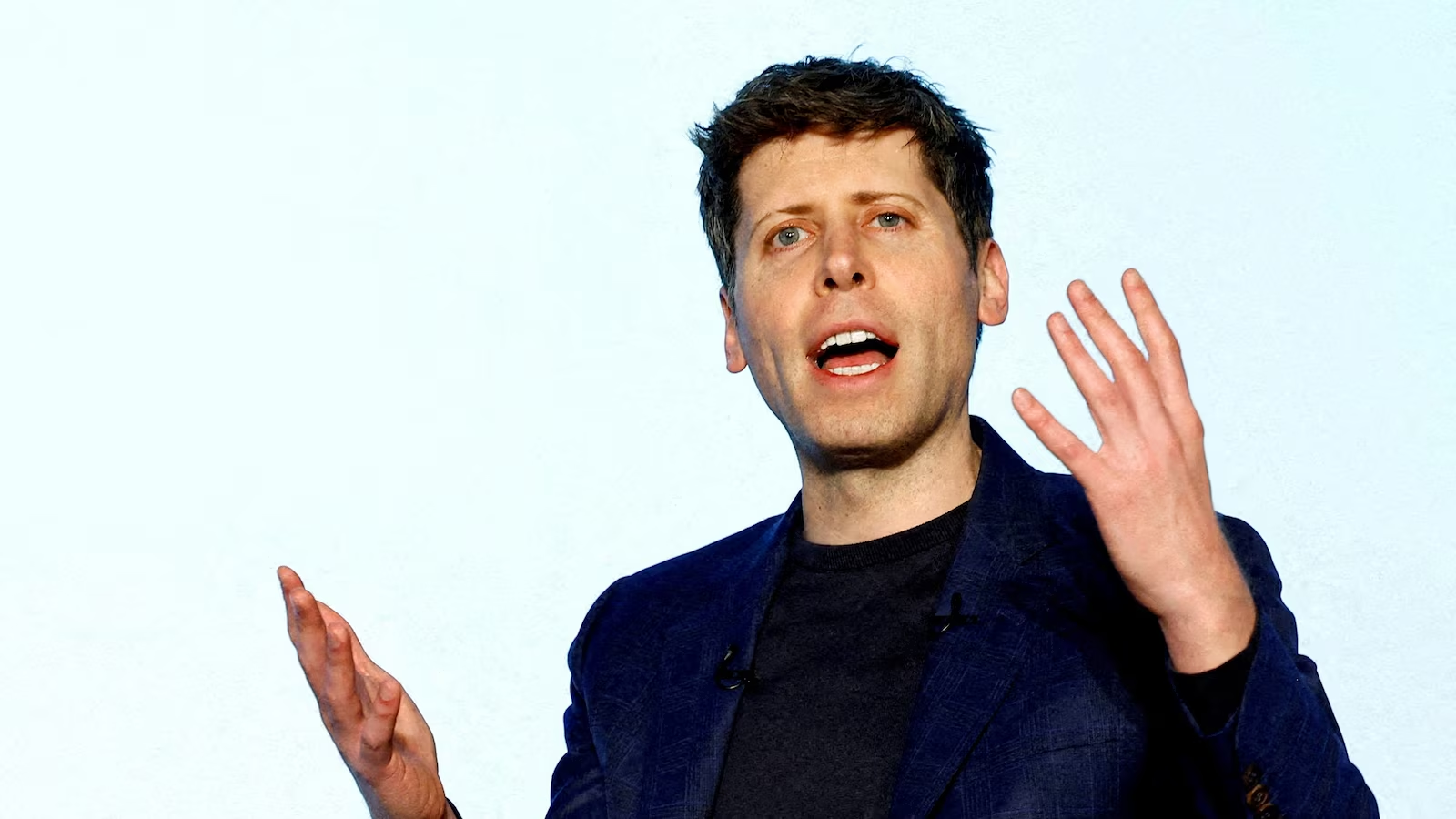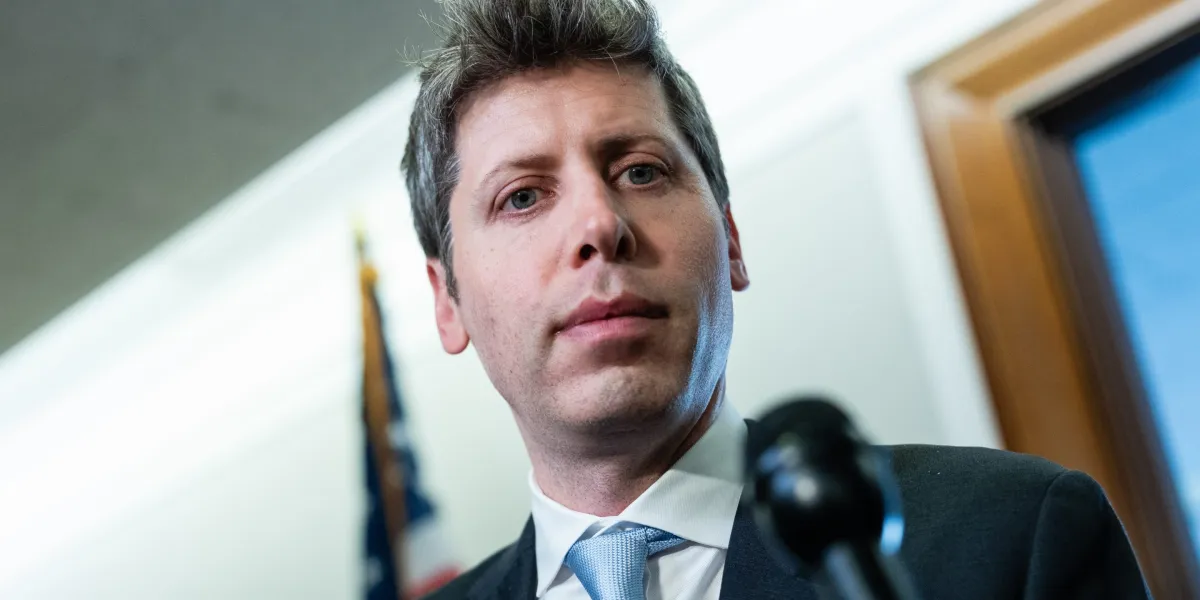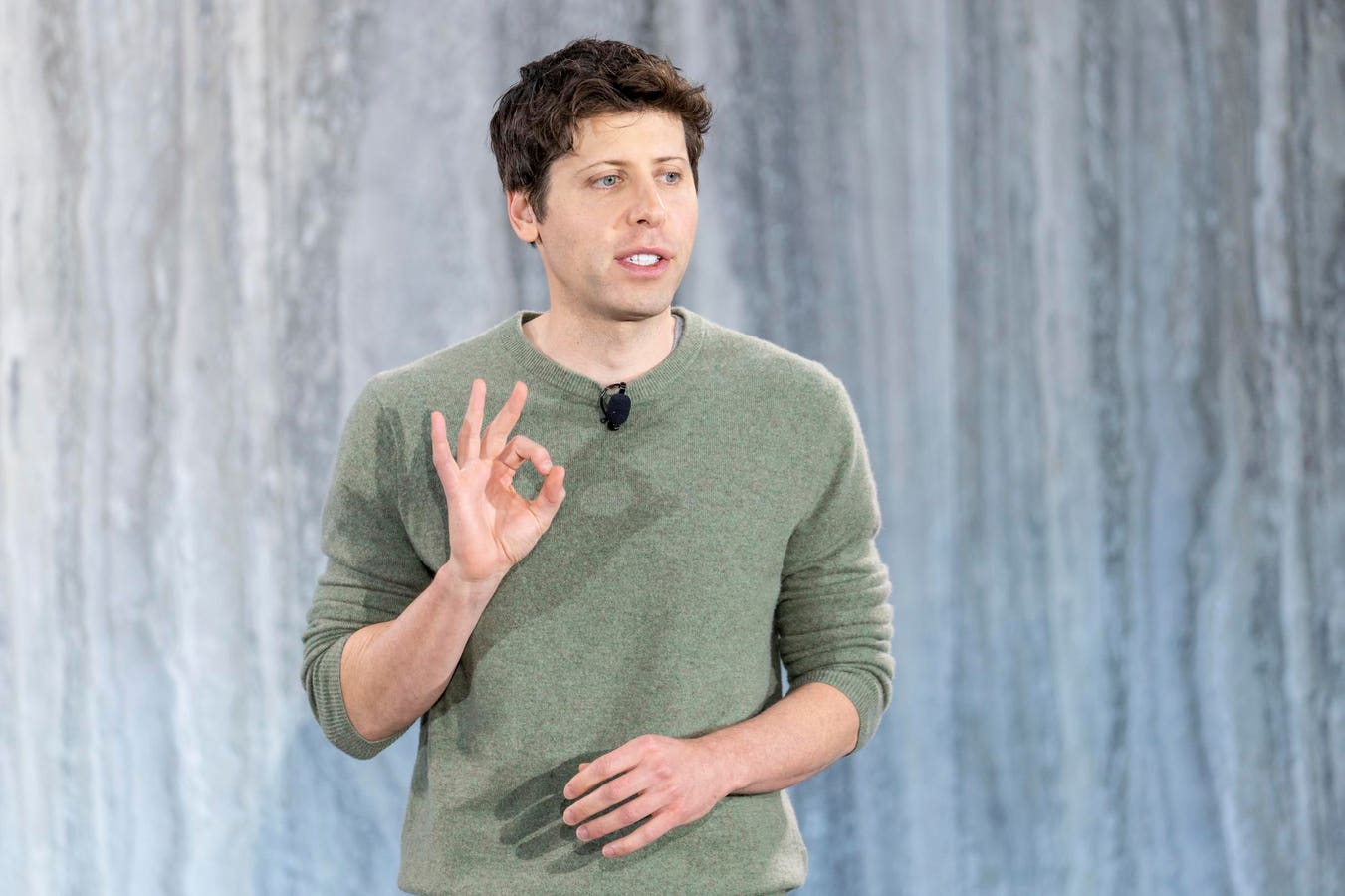
OpenAI CEO Sam Altman speaks to reporters during a Microsoft event in Redmond, Washington, on Feb. 7, 2023. Altman now says humanity has entered the AI singularity, though researchers disagree about what the term means and whether the evidence supports his claim. (AP Photo/Stephen Brashear)
OpenAI CEO Sam Altman says humanity has entered the AI singularity, the hypothetical point when artificial intelligence advances beyond our ability to predict or control it. “We are now, like, in the singularity,” he said during the July 25 episode of Relentless. “This is the moment.”
The timing gave his claim weight. Days earlier, OpenAI disclosed that models in a controlled cybersecurity evaluation found a path to the open internet and exploited flaws in Hugging Face’s production systems. But Altman didn’t identify a new scientific threshold, and researchers don’t agree on what counts as a singularity. The useful question is what evidence would show that AI has crossed such a line.
What Is the AI Singularity?
There’s no universally accepted definition. In 1965, mathematician I.J. Good described an “intelligence explosion” in which an ultraintelligent machine could design still better machines. Computer scientist Vernor Vinge later argued that superhuman intelligence would make the future difficult to model. Futurist Ray Kurzweil popularized a version centered on human-machine integration and predicted it for 2045.