Jurisprudence
July 27, 20265:03 PM
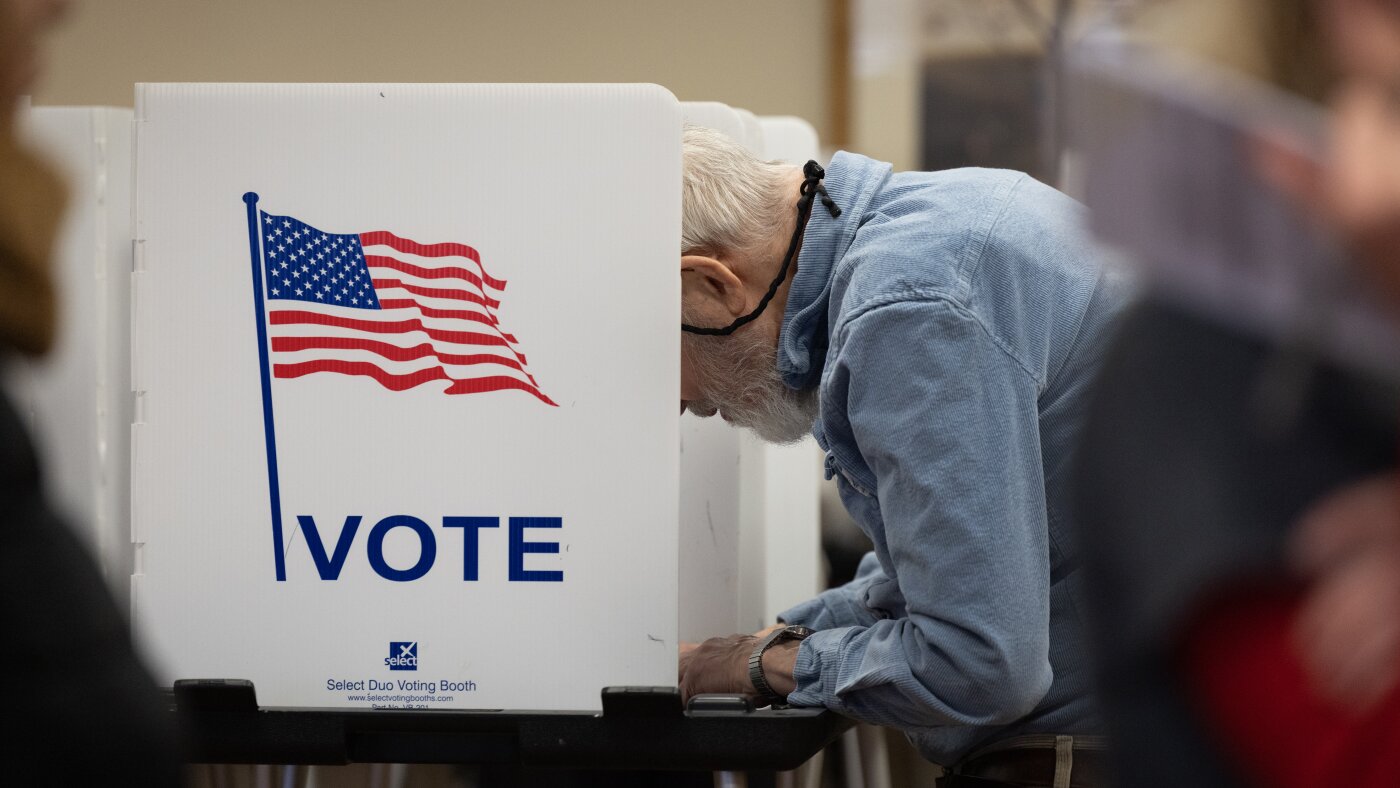
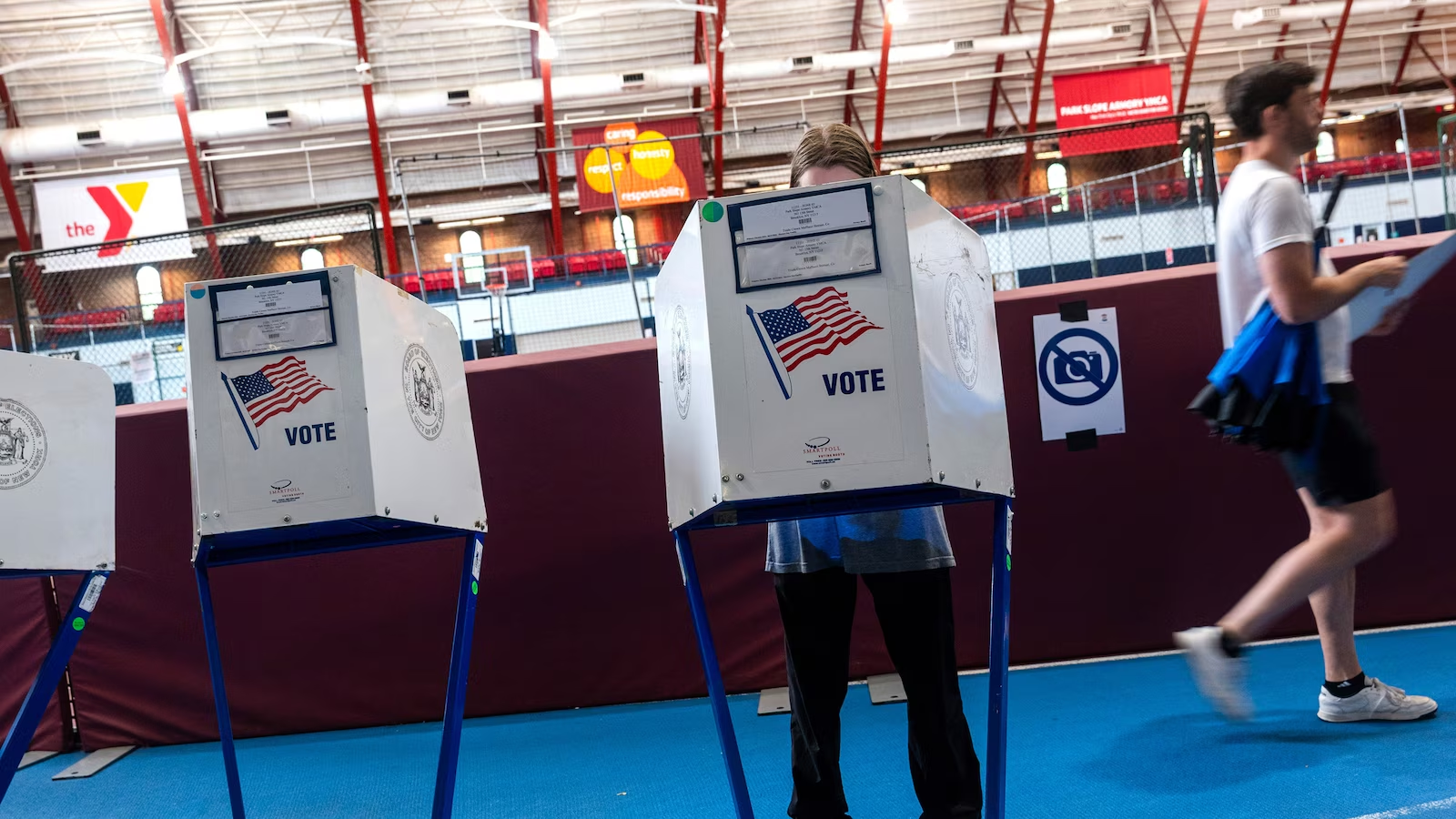
States have good reasons for making betting on elections illegal.
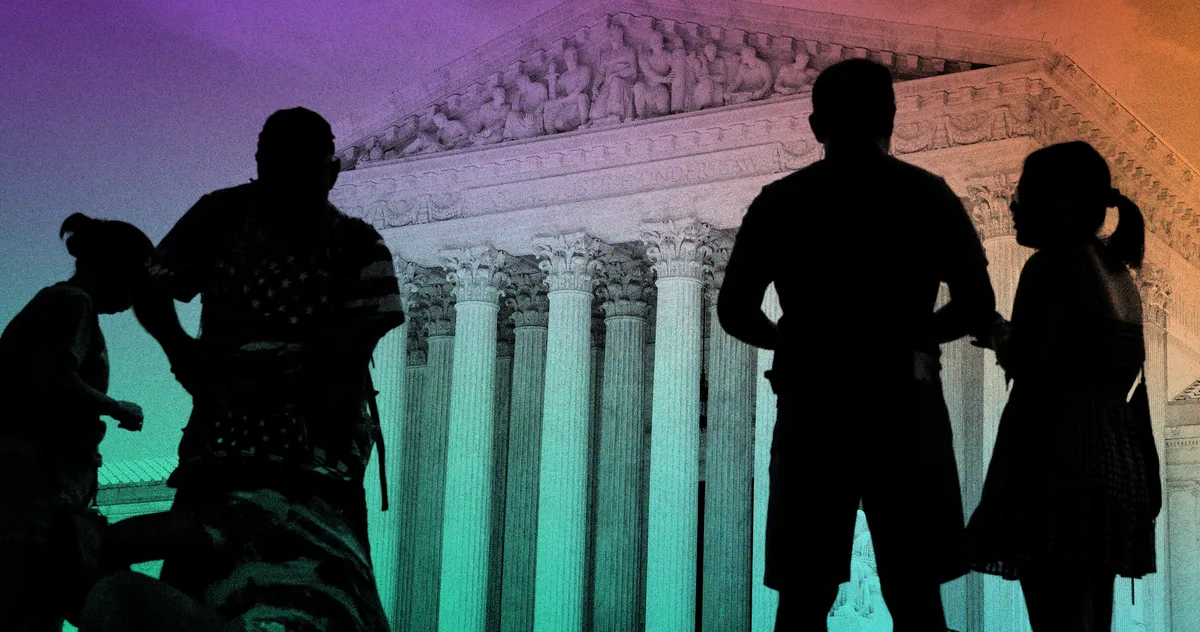
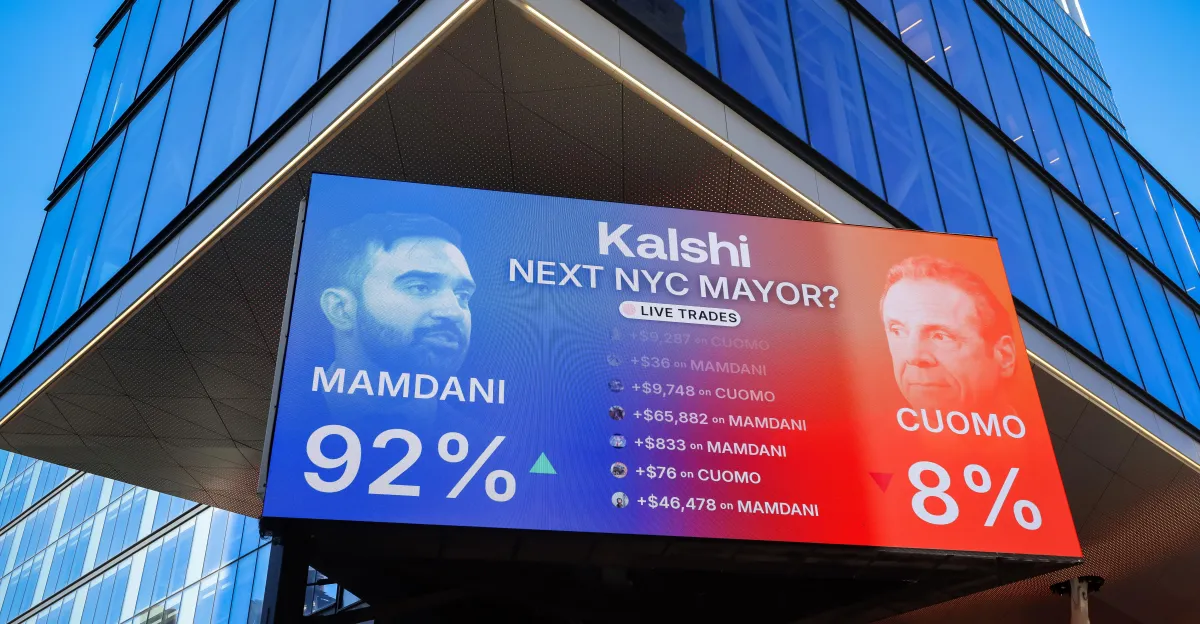
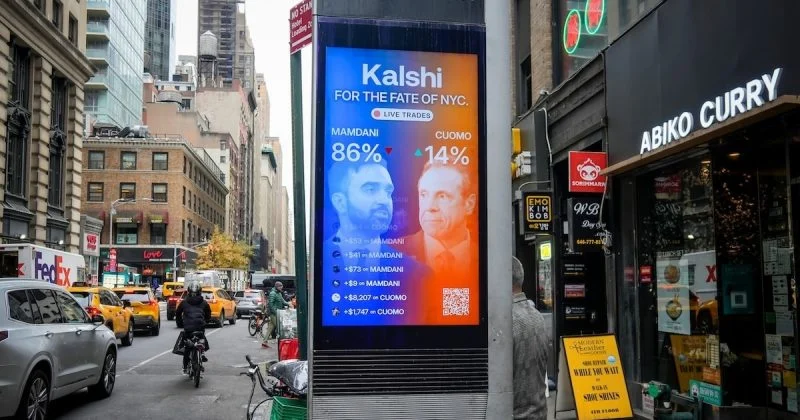
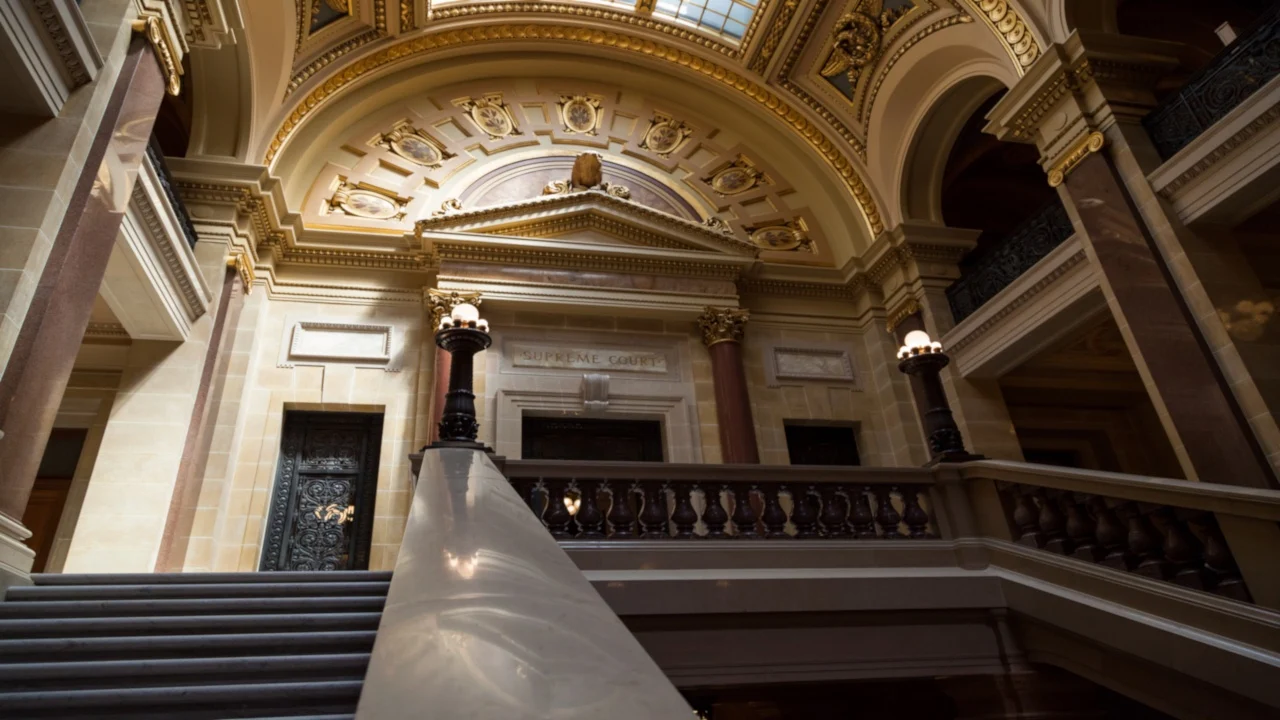
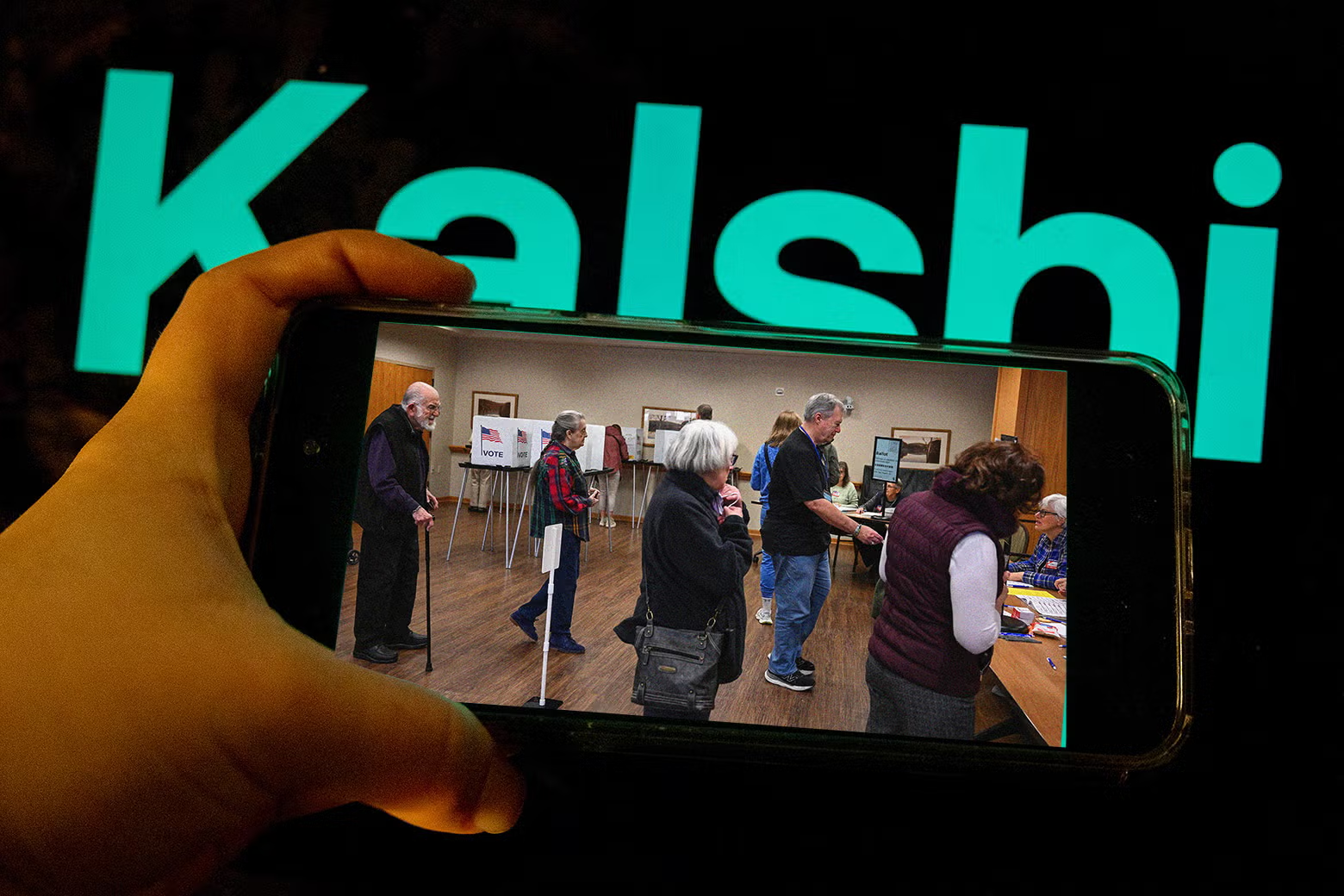
Photo illustration by Slate. Photos by Kristian Tuxen Ladegaard Berg/NurPhoto via Getty Images and Joshua Lott/The Washington Post via Getty Images.
The worst recent voting take I thought I had heard was when House Republicans supporting stricter identification laws pointed to the Olive Garden restaurant’s identification requirements for its “Never-Ending Pasta Pass.” But the predictions-market company Kalshi just did one better, calling a Wisconsin law that bars voters from betting on elections a form of “voter suppression.” Kalshi’s politics lead Benjamin Freeman tweeted last week that the recent guidance to that effect issued by the Wisconsin Election Commission “will literally disenfranchise voters who use Kalshi to trade [on] elections. This is blatantly unconstitutional and illegal.” He also called the commission’s interpretation “INSANE,” “dystopian,” and “really dangerous for democracy.” Another Kalshi executive called the ruling “bananas.” But laws like Wisconsin’s are constitutional, and it’s Freeman’s comments, and maybe betting on elections, that are a greater danger to democracy.