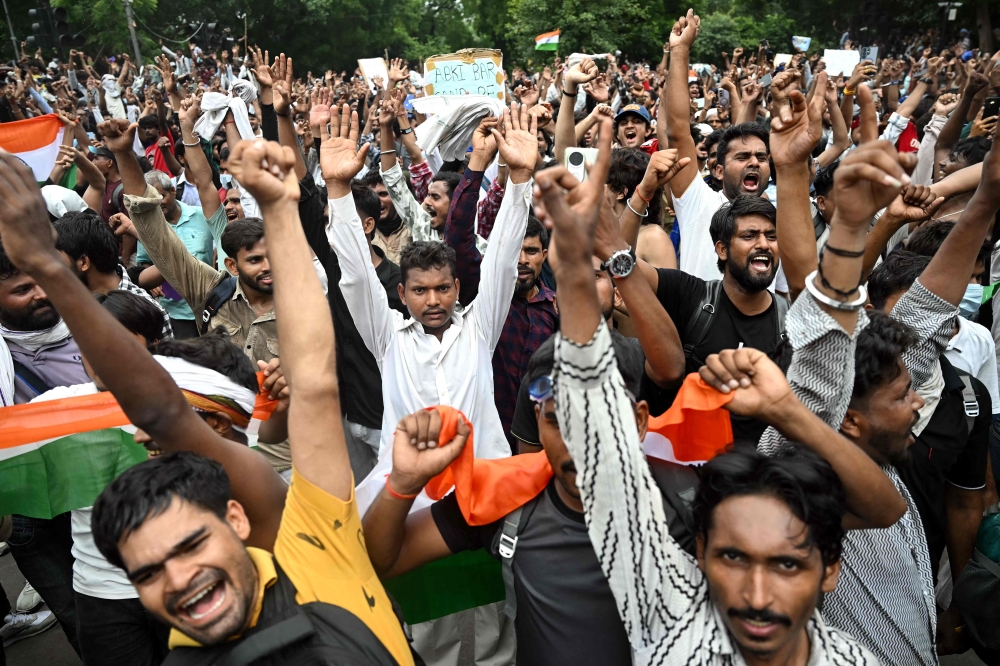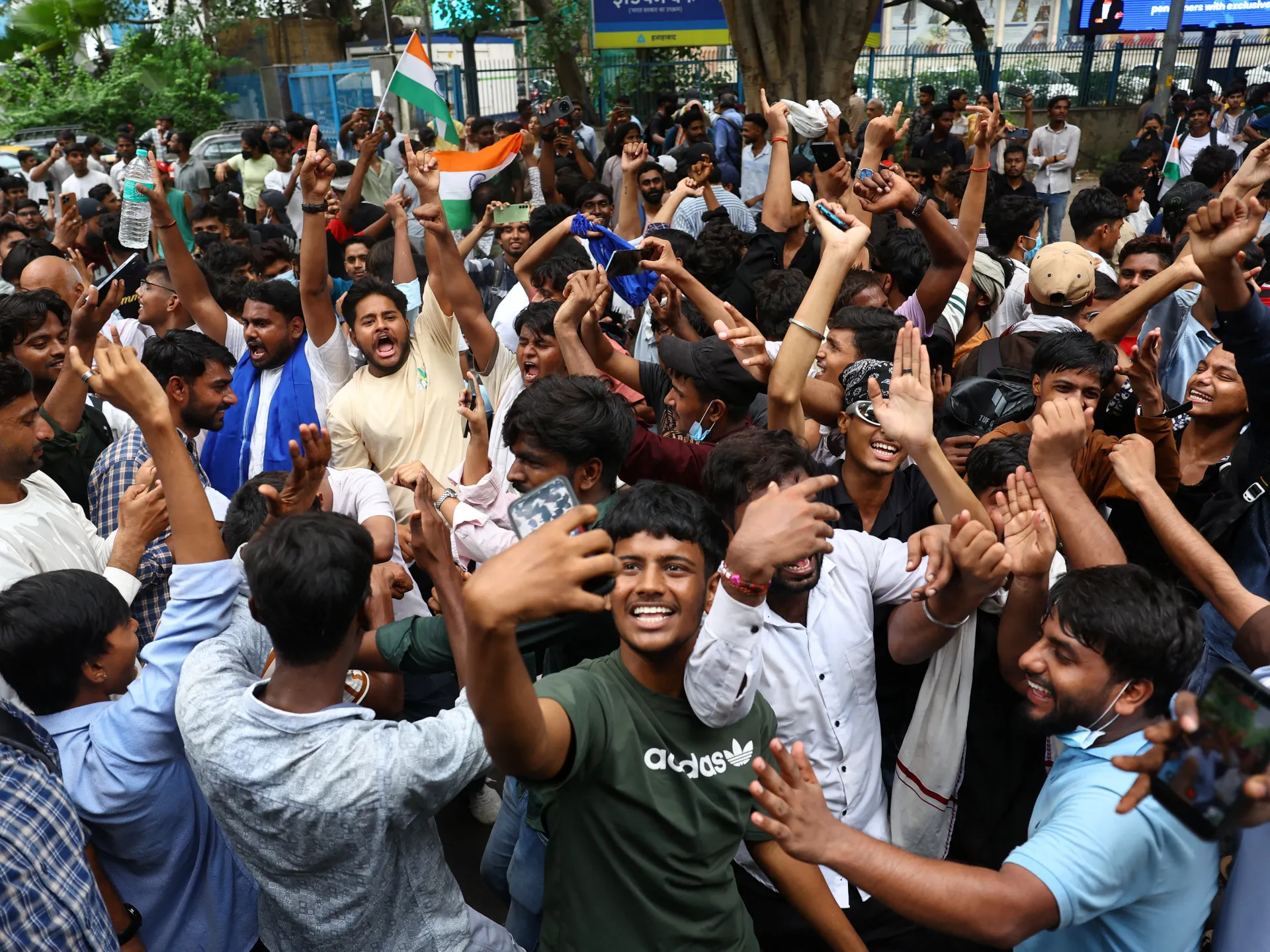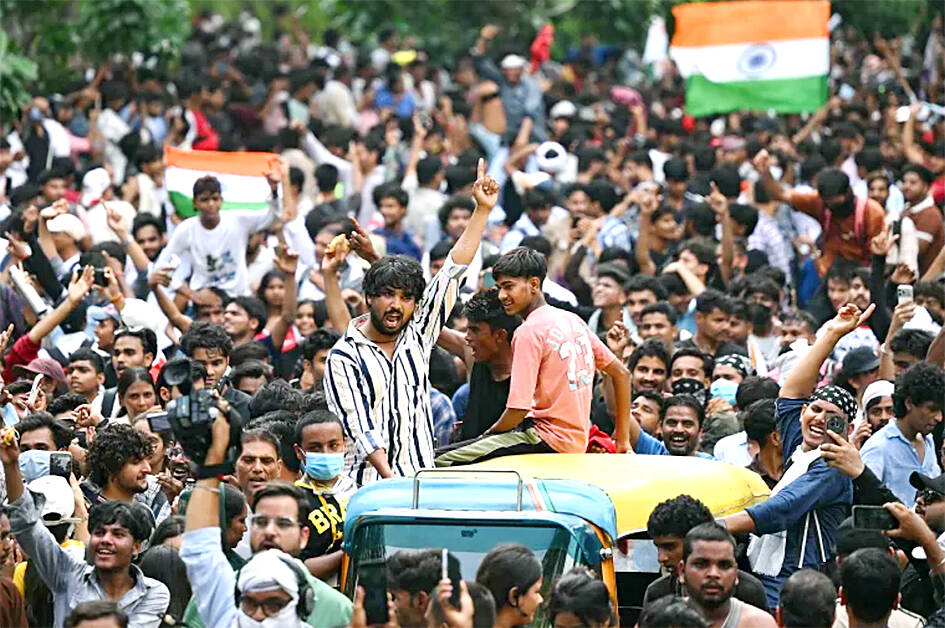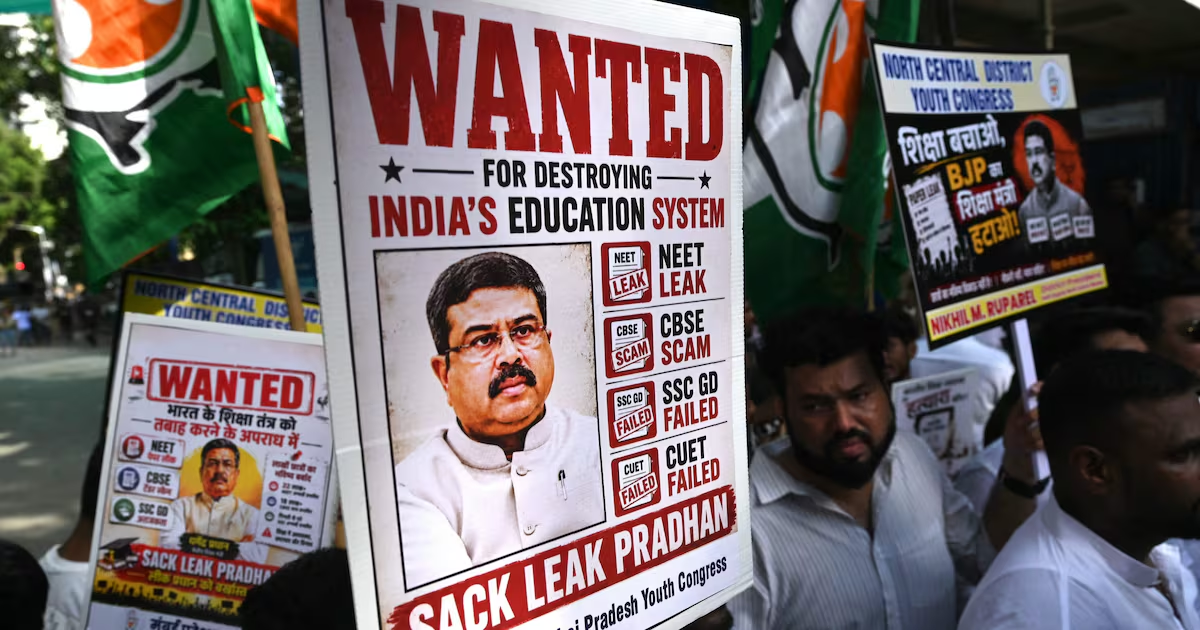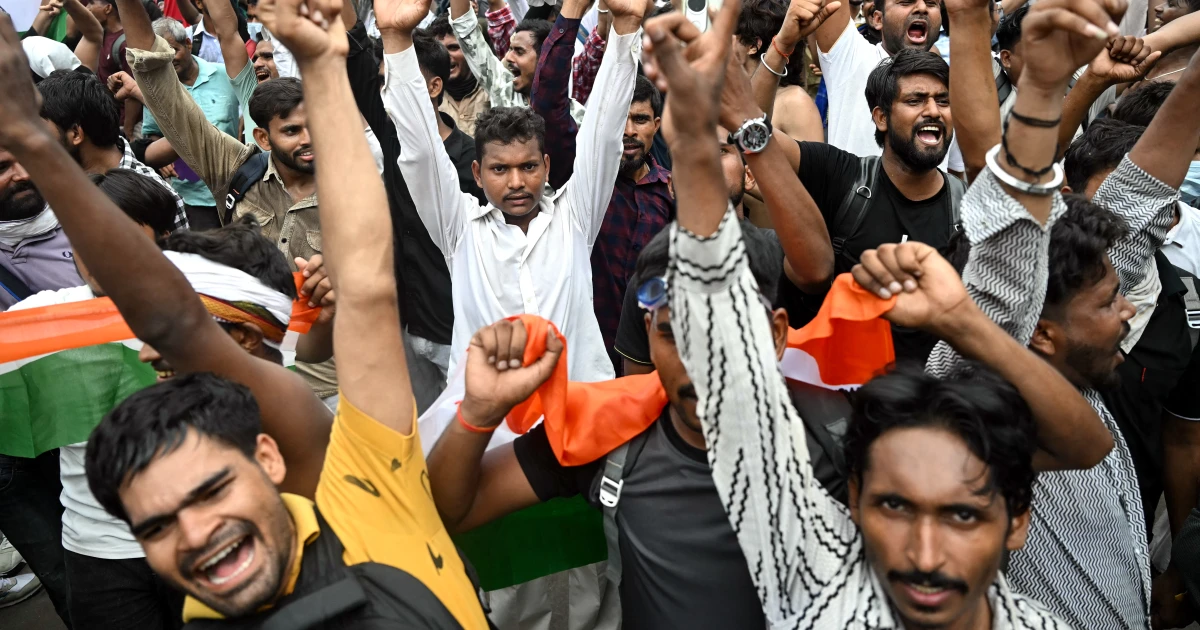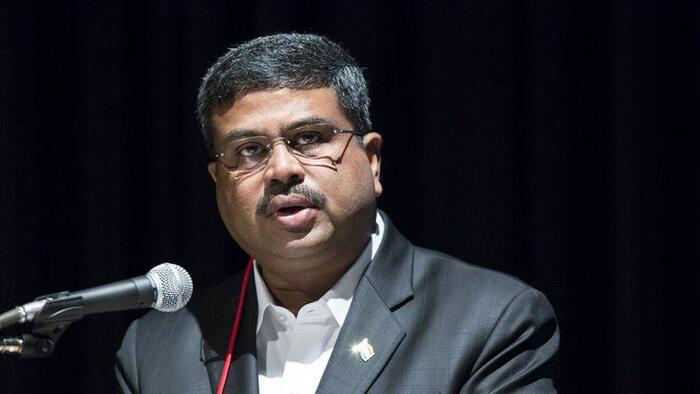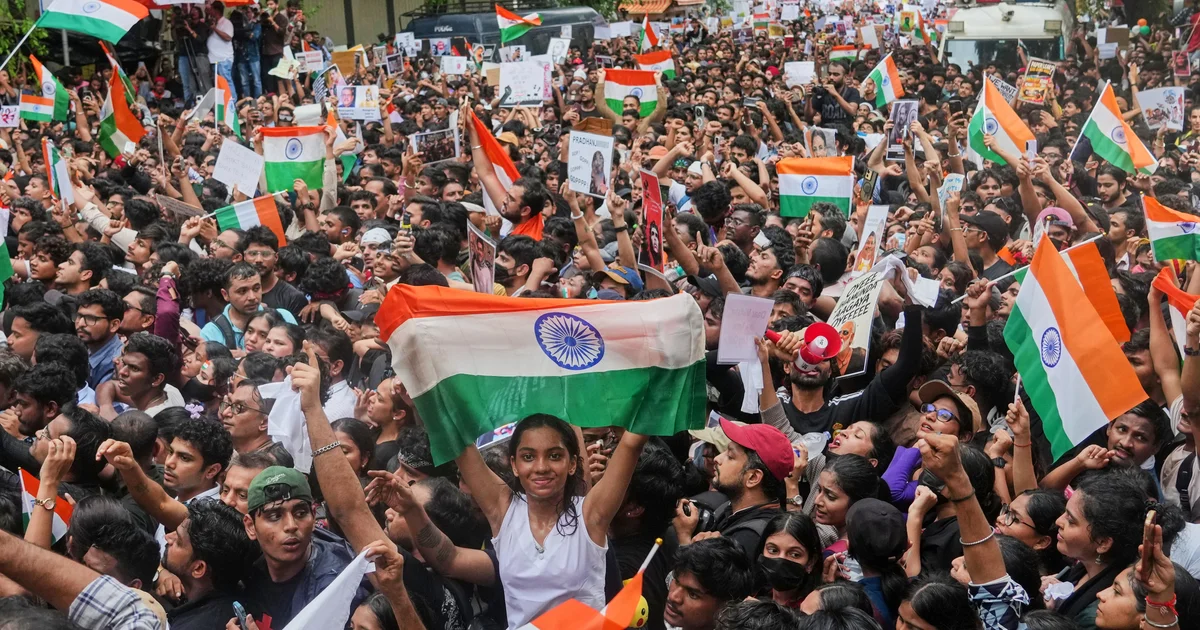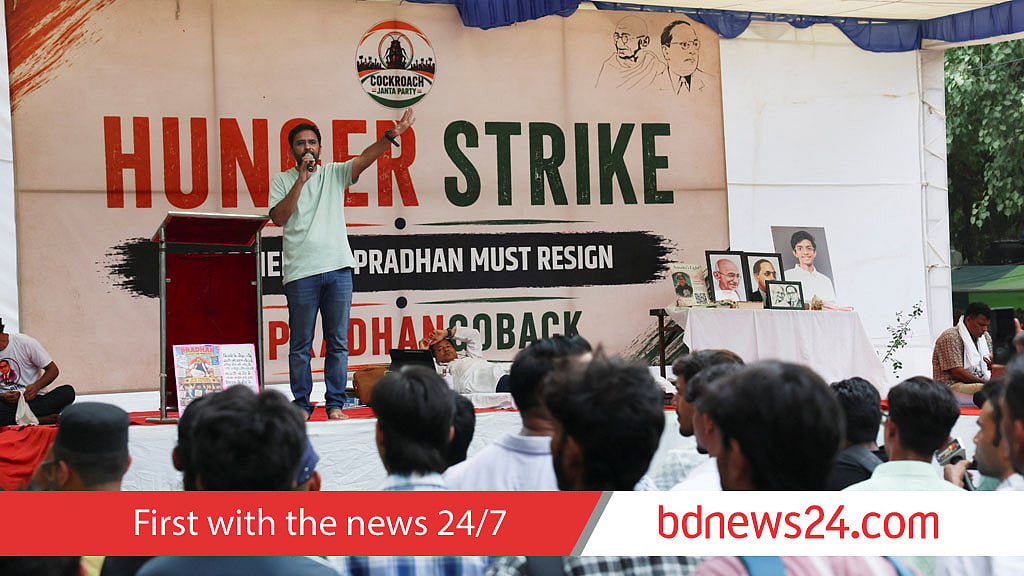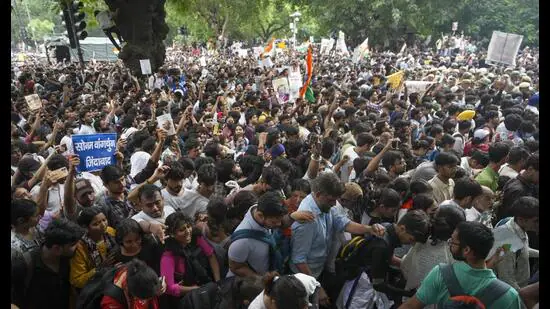
Head: Cockroaches, Cinderellas, and a cloistered CabinetA resignation won at Jantar Mantar rather than on the floor of the Lok Sabha is a defeat dressed as a victory for institutional health. (PTI)Strap: The student protests were the reckoning for eight decades spent treating education as India’s most disposable portfolioGautam R. Desiraju and Deekhit BhattacharyaOn July 25, 2026, following weeks of protest by students against exam paper leaks that the government expended significant energy ignoring, Union education minister Dharmendra Pradhan announced his resignation. Twelve years into the government led by Prime Minister Narendra Modi, this was a first. Not because a minister finally fell over an exam leak — India has absorbed leaks and quiet reshuffles before without so much as a murmur — but because this resignation was extracted by the street, rather than surrendered in Parliament. A government that prizes discipline and message control had, for the first time, been made to answer to Jantar Mantar before it answered to Parliament. This is neither hard-fought democratic compromise nor governmental magnanimity; only the groans of a dysfunctional system.The scandal itself was almost incidental to what it revealed. The National Eligibility cum Entrance Test (NEET), sat by nearly two million aspiring doctors, was compromised again, layered on top of irregularities in the CBSE’s own on-screen marking. Students who had lost years to a cancelled, re-conducted, endlessly litigated exam took their own lives, and an unfortunate and ill-timed remark comparing unemployed youth to cockroaches and parasites, detonated what had been accumulating for years. A satirical outfit calling itself the Cockroach Janata Party (CJP) turned the insult into a movement within days; by the time police were firing tear gas and swinging canes at students marching towards Parliament, the government had lost the argument.None of this was really about Pradhan, despite repeated leaks, accreditation scandals, and unending shortfalls of the National Testing Agency (NTA) that was set up under his watch. Since Independence, education has been India’s Cinderella portfolio: underfunded, low-prestige, and treated by the political class as an afterthought rather than the foundation on which every other national ambition rests. Government schools continue to shut for want of enrolment even as the same politicians and bureaucrats who preside over this decline send their own children to elite private schools at home or universities abroad — a textbook case of what Nassim Taleb calls having no skin in the game: The people who write education policy have insulated themselves entirely from its failures. The ASER 2024 survey found barely one in four Class 3 children in government schools able to read a Class 2 text. It is an indictment of a system whose custodians never had to sit in its classrooms.What makes this a specifically political failure is not the underlying rot, which long predates this government, but the response to it. Reported exam leaks should have ended Pradhan’s tenure at the first occurrence, not after the compilation of a winding concatenated list. Waiting for the street to force what dharma should have compelled voluntarily left the government’s flanks wide open for weeks, handing the initiative to a satirical Gen-Z outfit that was merely shooting from the shoulders of genuine, long-simmering discontent.There was once a tradition for this. Lal Bahadur Shastri resigned as railway minister in 1956 after a pair of accidents for which he bore no direct operational blame, on the principle that a minister answers for the system under him even when the fault lies several rungs below. That tradition is dead. In its place is a legalism that treats “the law will take its own course” as a complete answer, when the law’s course is either glacial or invisible, which for the purposes of public trust amounts to the same nullity. Nani Palkhivala’s formulation, that law is dharma codified, cuts the other way here: When codified law stops discharging dharma’s actual work of holding power to account, citizens correctly conclude that the law has been hollowed out from within.The deeper structural failure is a cabinet government that has stopped functioning as one. A system where authority is centralised, but accountability is not, eventually produces exactly what it produced here.This is also why the manner of Pradhan’s exit should trouble anyone who cares about parliamentary democracy more than it should reassure them. A resignation won at Jantar Mantar rather than on the floor of the Lok Sabha is a defeat dressed as a victory for institutional health. Parliament, not the street, is supposed to be the primary arena in which a government answers for itself, repeatedly, through debate and the ever-present possibility of a vote of no confidence. Governments that let the street set the terms of accountability should expect the street to keep raising its price.Underneath all of it sits an older and more corrosive problem: a political class that has confused winning every election and every by-election with the actual work of governing. Constituency arithmetic, vote-bank management, and the steady expansion of freebies have displaced serious thinking about education precisely because a functioning education system produces citizens who ask harder questions than a captive vote bank ever does. Reservation politics, sold as social justice, has increasingly become another instrument of this same clientelism. The stakes of getting this wrong are not abstract. India’s graduate unemployment rate sits above 11%, more than three times the national average, and fewer than one in 14 male graduates finds a permanent salaried job within a year of leaving college. A demographic dividend built on an uncompetitive, undereducated workforce curdles quickly into a demographic disaster, complete with the joblessness, stunted innovation, and internal security consequences that follow directly from a young population with credentials but no institutional investments in capability and no outlet to shape systemic recalibration.The Edelman Trust Barometer had already flagged declining trust in Indian institutions in its January 2025 update. Current happenings will only deepen that deficit.What this crisis really exposes is the total evacuation of morality from Indian governance, replaced by legalistic evasion on one side and naked opportunism on the other. Too many of the actors in this drama, across parties, are motivated by little beyond access to money and office, crawl the corridors of power only to self-aggrandise and with no concept of public duty. None of this is irreversible, but reversing it requires more than a reshuffled ministry. It requires resignation returning as a moral norm rather than a last resort extracted by force; cabinet government rebuilt with power and responsibility travelling together rather than in opposite directions; Parliament recentred as the place where governments answer for themselves; education treated, finally, as nation-building rather than a portfolio nobody wants; and corruption met with actual, time-bound consequences instead of promises that the law will get around to it eventually. Until then, every government will keep discovering, one street protest at a time, that the cockroaches were never the problem — the rot in Delhi always was.Gautam R. Desiraju is Professor Emeritus at the Indian Institute of Science, Bengaluru. Deekhit Bhattacharya is a lawyer based in New Delhi. The views expressed are personal(This is a Hindustan Times digital exclusive)
Cockroaches, Cinderellas, and a cloistered Cabinet
The student protests were the reckoning for eight decades spent treating education as India’s most disposable portfolio
1,180 words~5 min read