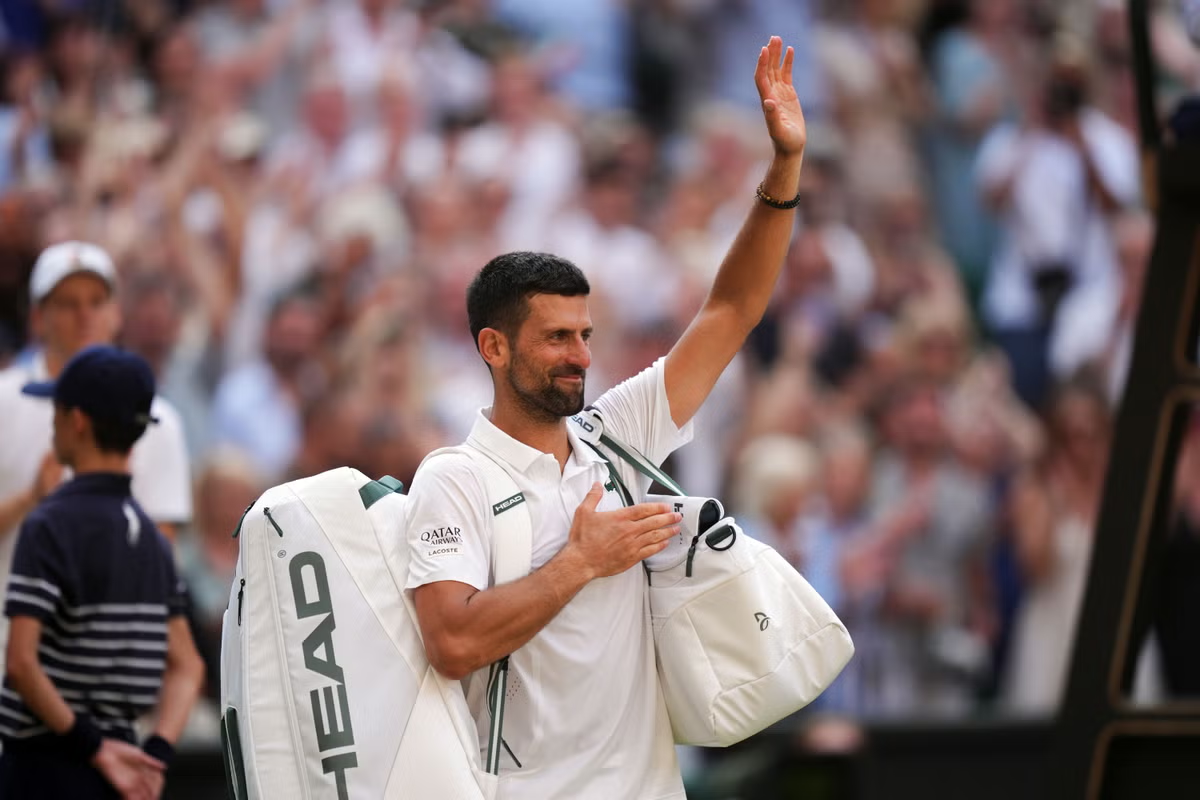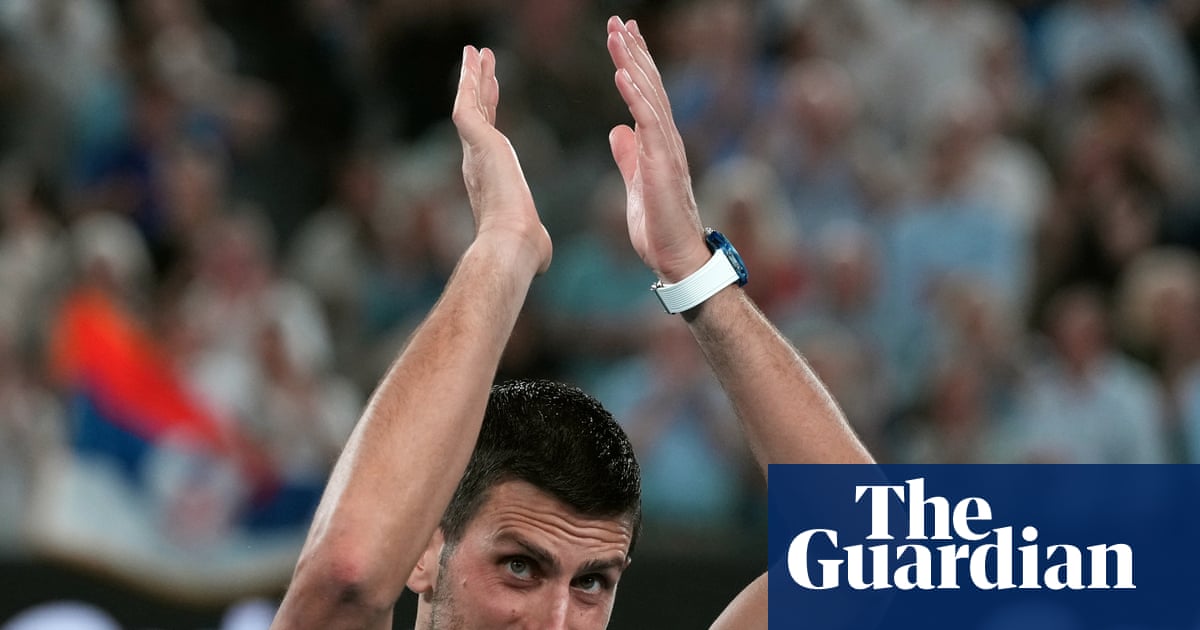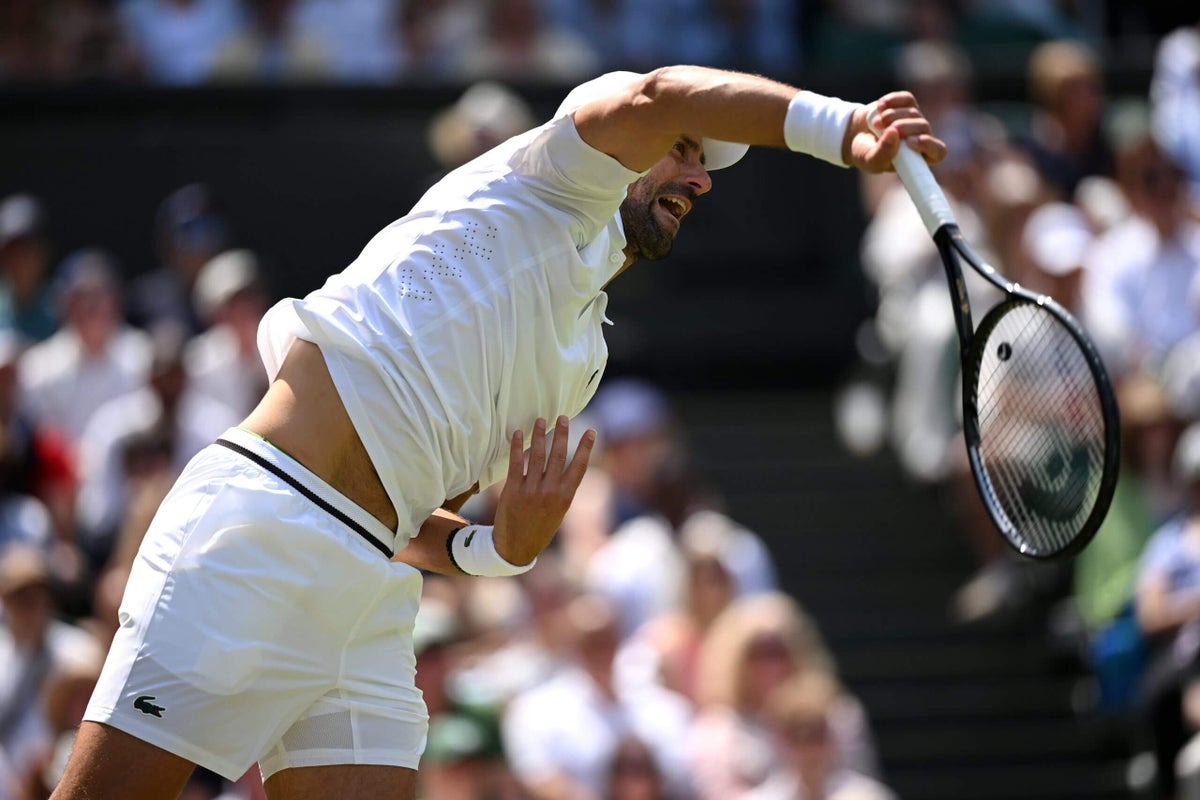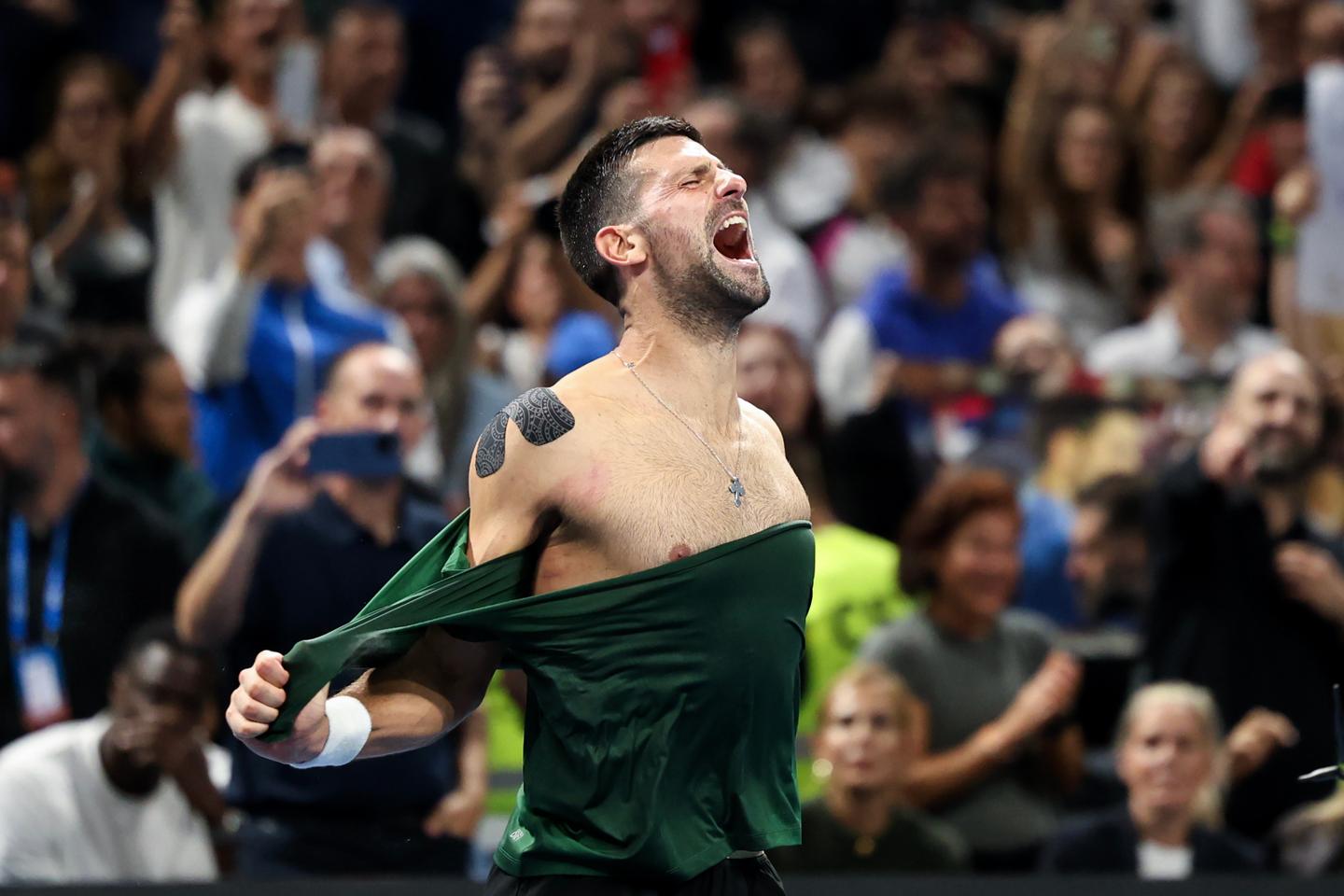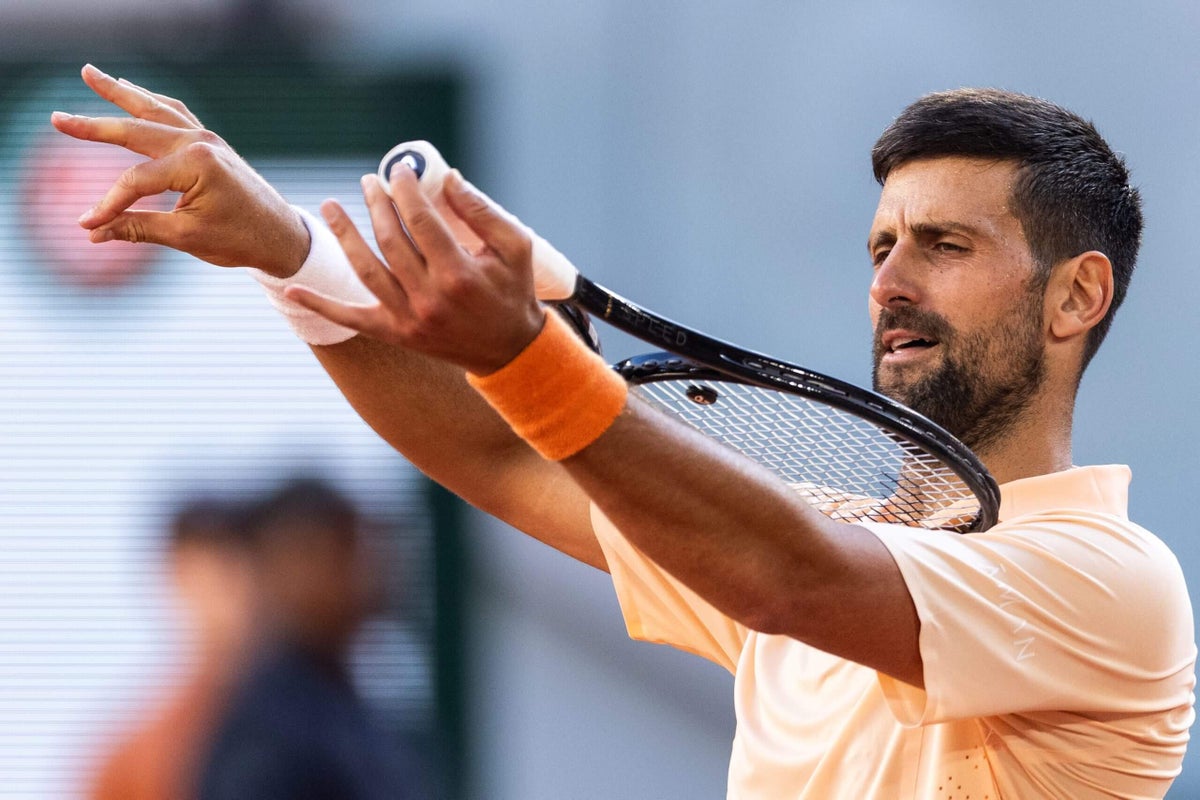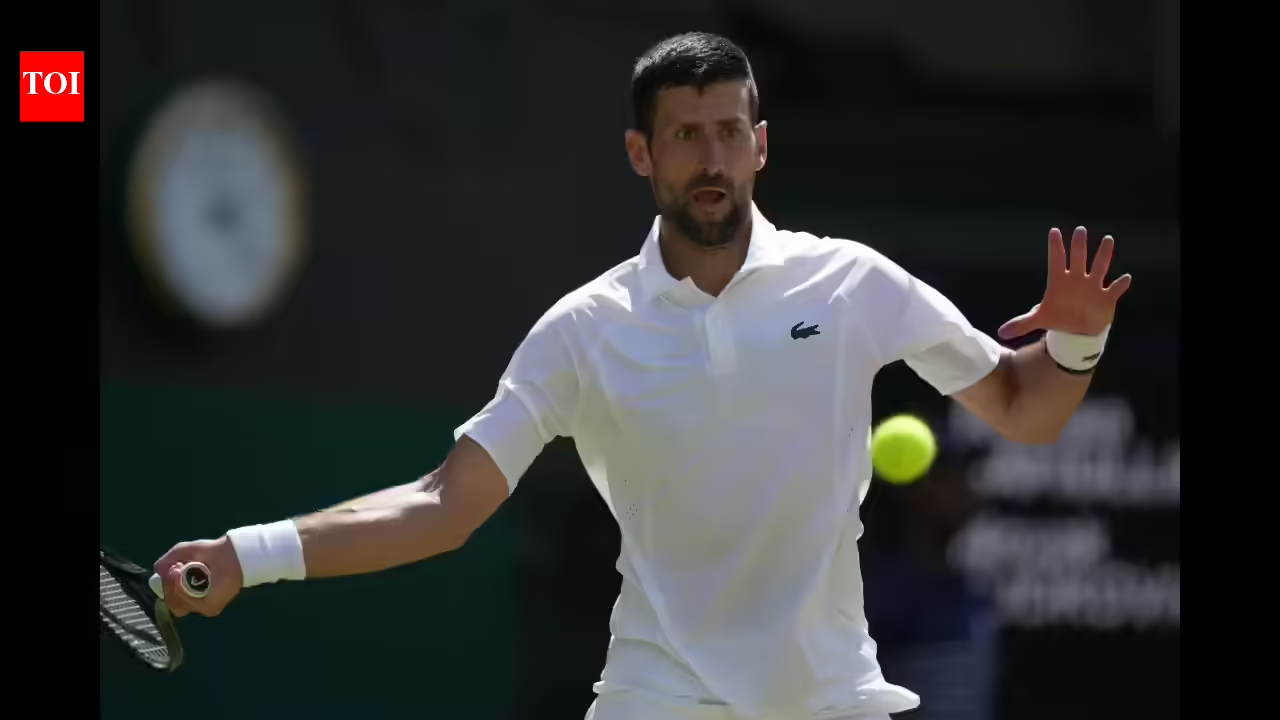
Novak Djokovic of Serbia plays a volley against Roman Saffiullin of Russia in their fourth round men's singles match at the Wimbledon Tennis Championships in London, Sunday, July 5, 2026. (AP Photo/Brian Inganga)For more than twenty years, Novak Djokovic has been showing that there is much more to being successful in tennis than having a big serve, athletic movement or technical precision. Throughout his career, he has been able to perform under pressure, bounce back from tough times and maintain his belief in games when the result looked to be in doubt. That’s why his words, “Everybody believes in something. Above all, we should believe in ourselves," are a statement particularly revealing when considered alongside his extraordinary career.The quote, published on Djokovic’s official website in September 2018 and credited to ESPN, encapsulates a concept that has been part of his approach to professional sport on numerous occasions. Confidence in yourself doesn’t mean you expect to win every match. It’s about trusting your preparation, being present mentally and continuing to compete when things get tough. That philosophy in a powerful context: Djokovic’s 24 Grand Slam singles titles, 40 ATP Masters 1000 trophies and record 428 weeks ranked No. 1.Novak Djokovic’s “Everybody believes in something” quote explainedThe full quote is: “Everybody believes in something.. Most of all, we should believe in ourselves.” The core message of this is personal conviction. Djokovic says people can believe in different things, but he puts a special emphasis on believing in yourself. For an elite athlete, that can mean drawing on years of training, preparation and experience when the pressure is at its highest.Part of Djokovic’s quoteMeaning“Everybody believes in something”People draw motivation from different beliefs and values“Most of all”Personal conviction has particular importance“We should believe”Self-belief can be deliberately strengthened“In ourselves”Individuals should trust their own ability and potentialWhy self-belief matters especially in tennisTennis is a very individual sport, particularly singles tennis. No teammate can step in when a player walks out on the court during a tough stretch. Every point demands another choice, another move and another reaction.That’s why mental resilience is so important. You can lose a few points in a row, and there are still chances to come back. The ability to not let one mistake dictate the next point is very much in line with the philosophy behind Djokovic’s quote.Career achievementNovak Djokovic’s recordGrand Slam singles titles24Australian Open titles10French Open titles3Wimbledon titles7US Open titles4ATP Masters 1000 titles40ATP Finals titles7Olympic singles gold medals1Weeks ranked No. 1428Year-end No. 1 finishes8Novak Djokovic’s career repeatedly demonstrated mental resilienceDjokovic has won 24 Grand Slam singles titles, putting him among the most successful players in men’s tennis history. His 40 ATP Masters 1000 titles and record 428 weeks at No. 1 are further testament to his ability to stay at an elite level.But statistics alone don’t tell the entire story of his career. The pressure that players feel in big tournaments often lasts for hours. In a five-set match, there can be momentum shifts, physical fatigue, hostile crowds and times when a player has to come back from a slow start.Career challengeHow self-belief can helpMatch pressureSupports composure during important pointsMomentum swingsEncourages a player to keep competingPhysical fatigueHelps sustain effort during long matchesOpponent pressureSupports confidence against elite playersMajor finalsReinforces the willingness to compete for the biggest titlesDjokovic’s approach is about response, not guaranteed victoryOne of the most important parts of Djokovic’s philosophy is that self-belief is not the same as guaranteed success.Even the best of players can lose. In his career, Djokovic has lost Grand Slam finals, suffered surprising defeats and gone through times when injuries or physical problems have affected his game. But those moments didn’t define his career forever.Djokovic’s philosophy has lived on in 2026. At the age of 38, he reached the Australian Open final after beating defending champion Jannik Sinner in a five-set semi-final.He ended up losing the final to Carlos Alcaraz, but his comments afterwards were insightful. When asked if he thought he could still win another Grand Slam, Djokovic was clear about his stance.Recent exampleWhat it showsReached 2026 Australian Open finalContinued ability to challenge for major titlesDefeated Jannik Sinner in semifinalMaintained belief against an elite younger opponentLost final to Carlos AlcarazSelf-belief does not guarantee a victoryContinued targeting Grand Slam successMotivation remains despite advancing ageNovak Djokovic’s self-belief message reaches beyond tennisThe enduring power of Djokovic’s quote lies partly in how transferable it is outside professional sport.An athlete preparing for competition can use self-belief, but the same principle can be applied by a student preparing for an examination, a professional working towards a career goal or anyone dealing with a difficult personal challenge.PrincipleBroader lessonSelf-beliefTrust preparation and personal abilityResilienceRecover rather than remain defined by setbacksMental disciplineTrain emotional control alongside physical skillsPresent focusConcentrate on the immediate challengePersistenceContinue pursuing goals despite obstaclesThe quote has more meaning when it is taken out of the context of simple positive thinking. Elite self-belief is typically based on preparation. Djokovic has spent years honing his physical conditioning, his technical skills, his tactical understanding and his mental approach. Trust is more credible through work.Why Djokovic’s words remain relevant in 2026The reason the quote is still relevant is that it is still embodied in Djokovic himself.His career has already produced an exceptional legacy, but his continued search for major titles demonstrates the desire to improve has not gone away. His run to the 2026 Australian Open final was a reminder that experience and ambition can go hand-in-hand.Djokovic’s messageWhat it representsBelieve in yourselfConfidence in personal capabilityKeep competingWillingness to pursue difficult goalsWork on mental strengthPsychological resilience requires practiceAccept setbacksDefeat can be part of improvementContinue believingOne result does not define an entire careerIn the end, “Everybody believes in something.. Most of all, we should believe in ourselves,” is powerful because it doesn’t promise that this belief will make obstacles disappear. It doesn't say you have to face them; it says you can face them with self-confidence.That message has particular resonance given Djokovic’s career. His path has continually tested his ability to cling to his conviction, from Grand Slam triumphs and weeks at No. 1 to hard losses and the rigors of competing later in his career.
Novak Djokovic’s “Everybody believes in something” quote reveals why self-belief remains central to his tennis success
For more than twenty years, Novak Djokovic has been showing that there is much more to being successful in tennis than having a big serve, athletic movement or technical precision. Throughout his career, he has been able to perform under pressure, bounce back from tough times and maintain his belief in games when the result looked to be in doubt.
1,016 words~5 min read