TL;DR
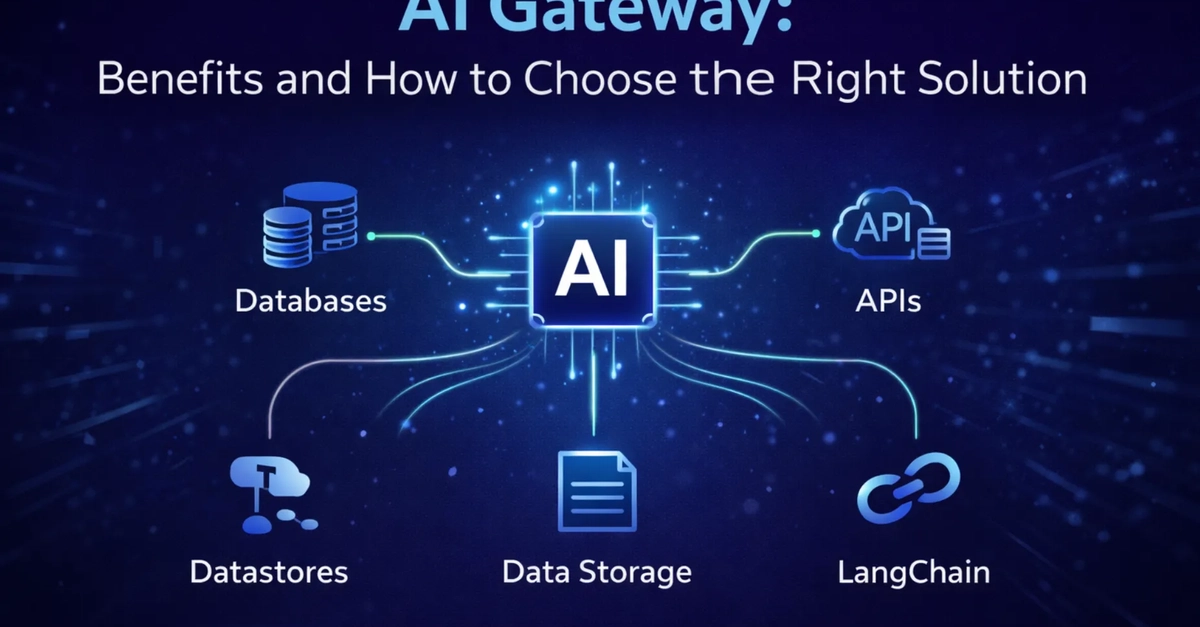
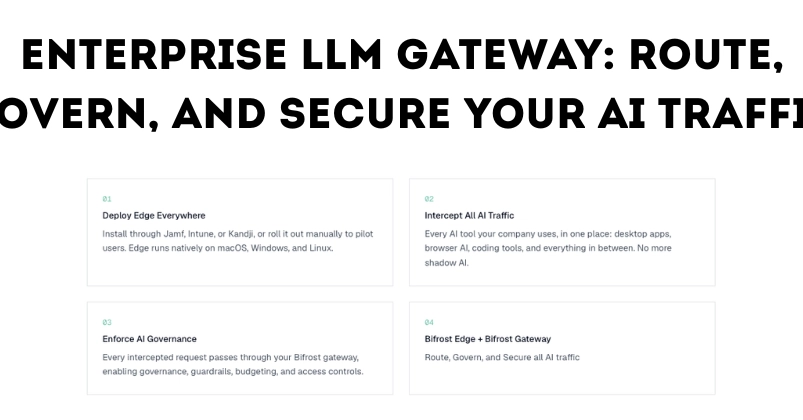
An AI gateway is one control plane for every LLM request your application makes, regardless of which provider serves it. Without one, the pieces scatter: provider keys in one place, rate limits in another, caching somewhere else, and separate homes for permissions, spend reporting, and logs. That sprawl gets harder to govern with every new service that starts calling a model.
The things worth evaluating are fairly concrete — does it consolidate provider access, cap spend, deduplicate calls with caching, keep durable audit records, and let you see what production is actually doing when latency, cost, or output quality moves.
This post compares six gateways across provider coverage, governance, caching, cost visibility, audit logging, and observability. They break down into two rough camps, and the right pick depends mostly on which constraint is actually binding for you.
What an AI gateway does