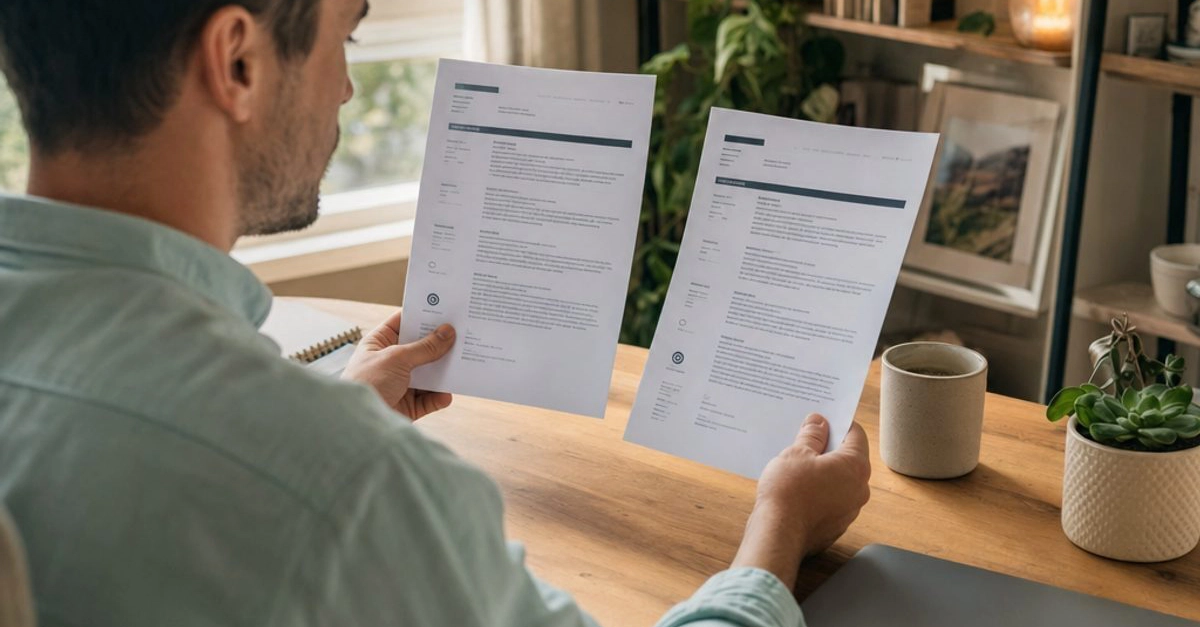
I'm Larbi, and I build Roleframe, an AI tool that tailors resumes to specific jobs. I spend a lot of time looking at what large language models (LLMs) produce when you ask them to "improve" a resume, and the output is almost always the same: results-driven professional, leveraged cross-functional teams, orchestrated end-to-end solutions. If you've used ChatGPT on your own resume, you've seen it too.
I wanted to write this for a developer audience because you already understand the machinery underneath the problem. This isn't magic or a mystery. It's next-token prediction, model routing, and prompt design. Once you see the resume through that lens, the fix becomes obvious and mechanical.
What you'll get here: why cheap models default to generic phrasing, the three tells recruiters catch, why a single prompt can't tailor a resume properly, and a ten-minute audit you can run on any AI output before you send it. Let's get into it.
The unlimited AI trap: why your resume reads like a robot
Most "unlimited AI" resume builders have a math problem they don't advertise. If a tool promises endless rewrites for a flat monthly fee, it can't afford to run the best, most expensive models on every request. So it routes your resume to the cheapest model that produces passable text.