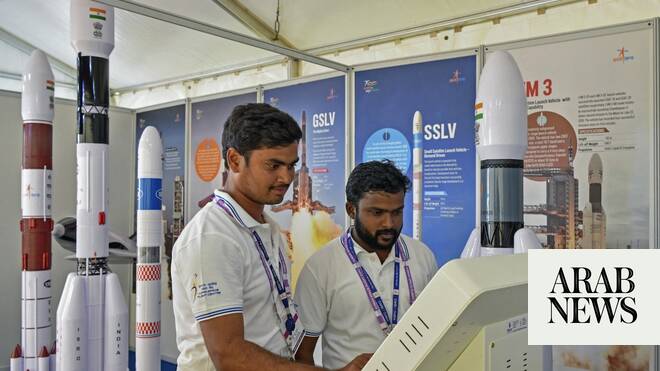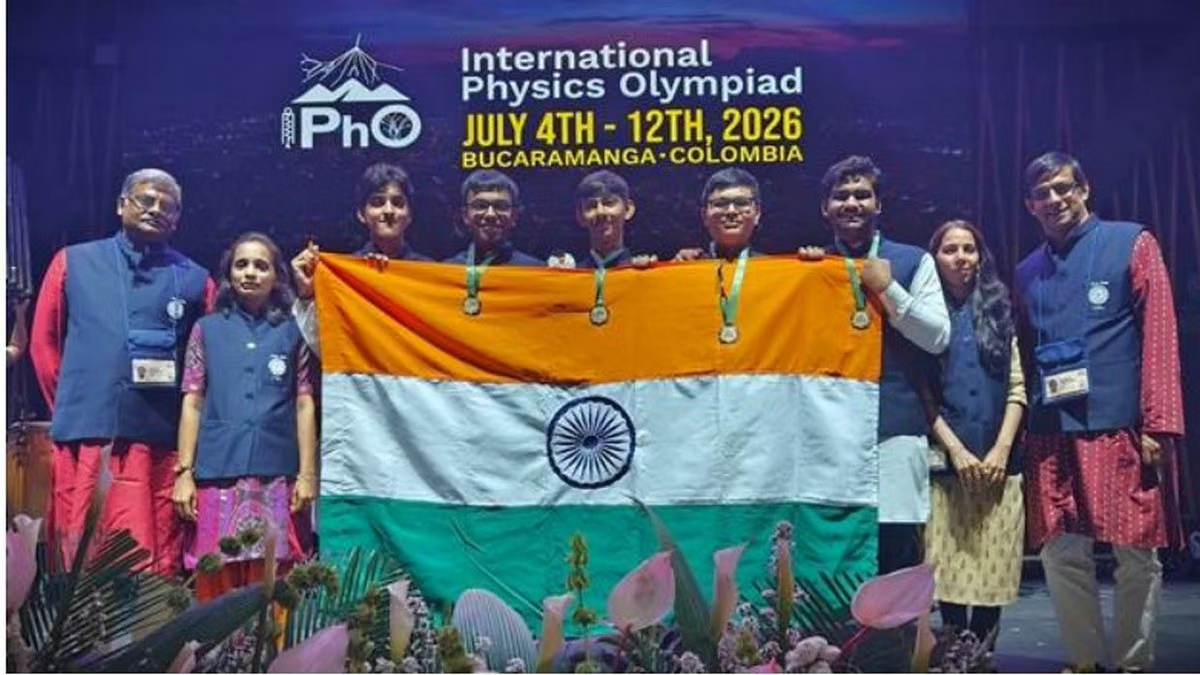
The Homi Bhabha Centre for Science Education spearheads India’s Olympiad programme, along with the Tata Institute of Fundamental Research, under the Department of Atomic Energy, which offers its unstinted support for nurturing and mentoring scientific talent and facilitating participation in international competitions.At around the same time, a team of young Indian number crunchers participated in the 67th International Mathematical Olympiad 2026, held in Shanghai, China, winning two gold and four silver medals. India placed seventh among 117 countries, with 666 participants.July also saw India achieve an iconic, historic milestone. Private aerospace company Skyroot Aerospace launched India’s first independently developed rocket, Vikram-1, making India just the third nation globally to launch a non-government-developed rocket.And then, India’s first hydrogen-powered train made its maiden run between Jind and Sonipat in Haryana. This placed India in an exalted group of around five nations operating hydrogen trains to curb railway emissions.Why are all these achievements in STEM so relevant in today’s AI-enabled age? This is the question that all policymakers, educators, people in influential positions, and parents should be asking.
The youth of India should be asking questions—about science, clean energy, fast trains
Does India need algorithm-devouring water bugs who are watching reels at full volume? Rather, the country will need busy bees who will shape the global scientific and technological landscape.
1,273 words~6 min read