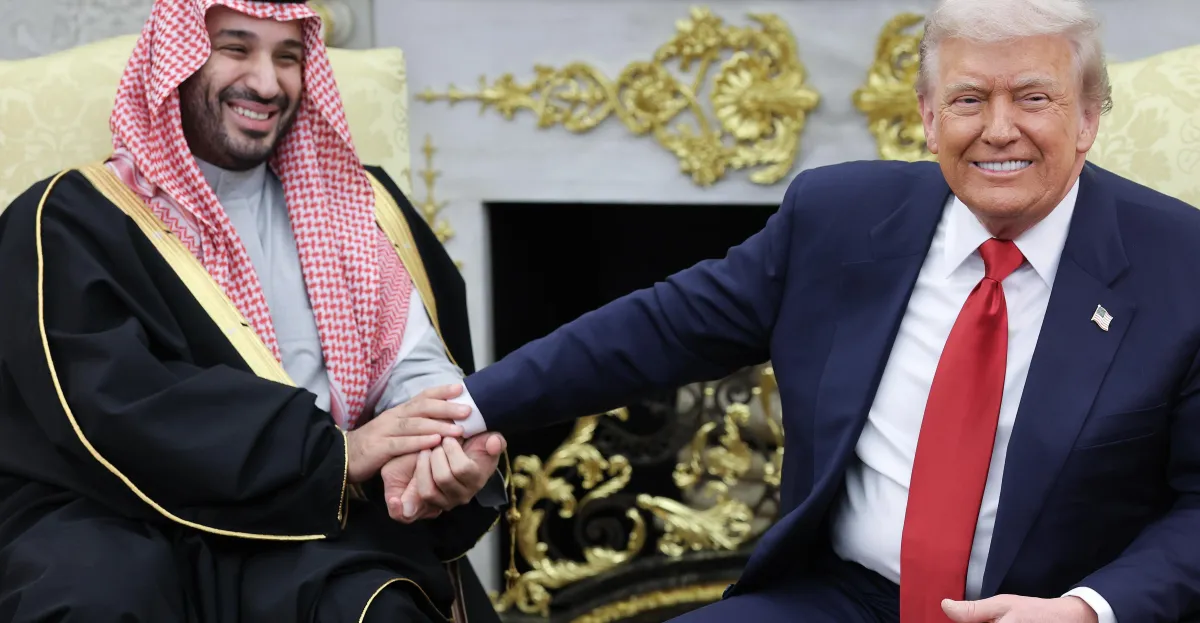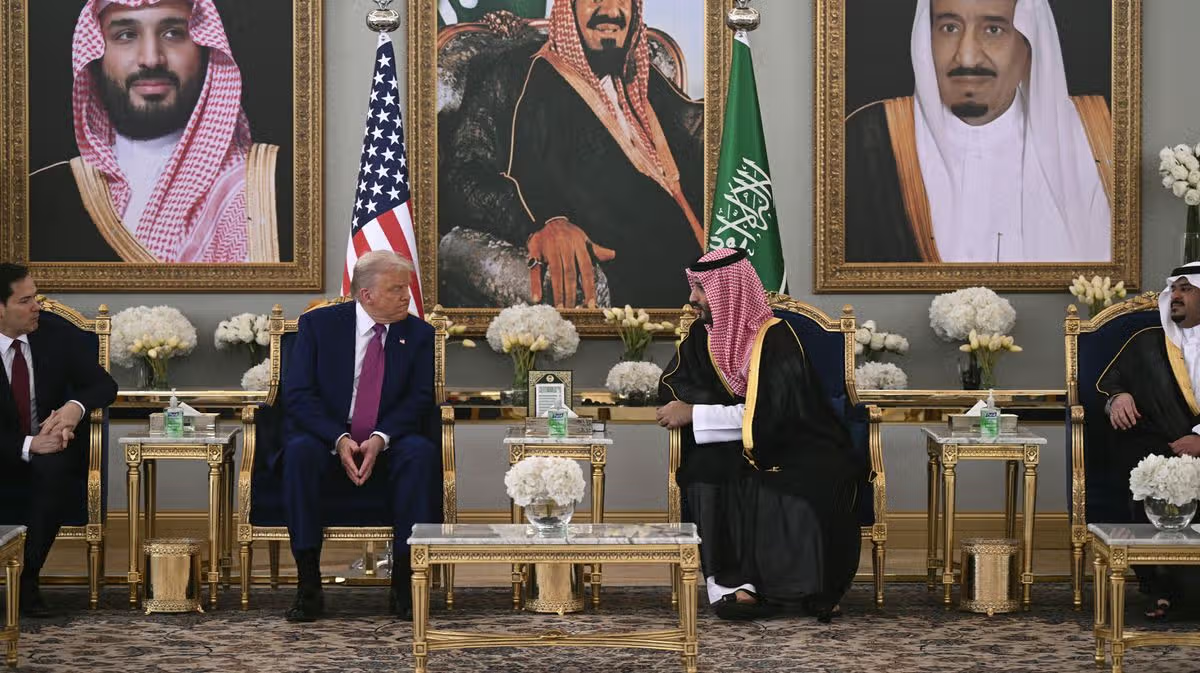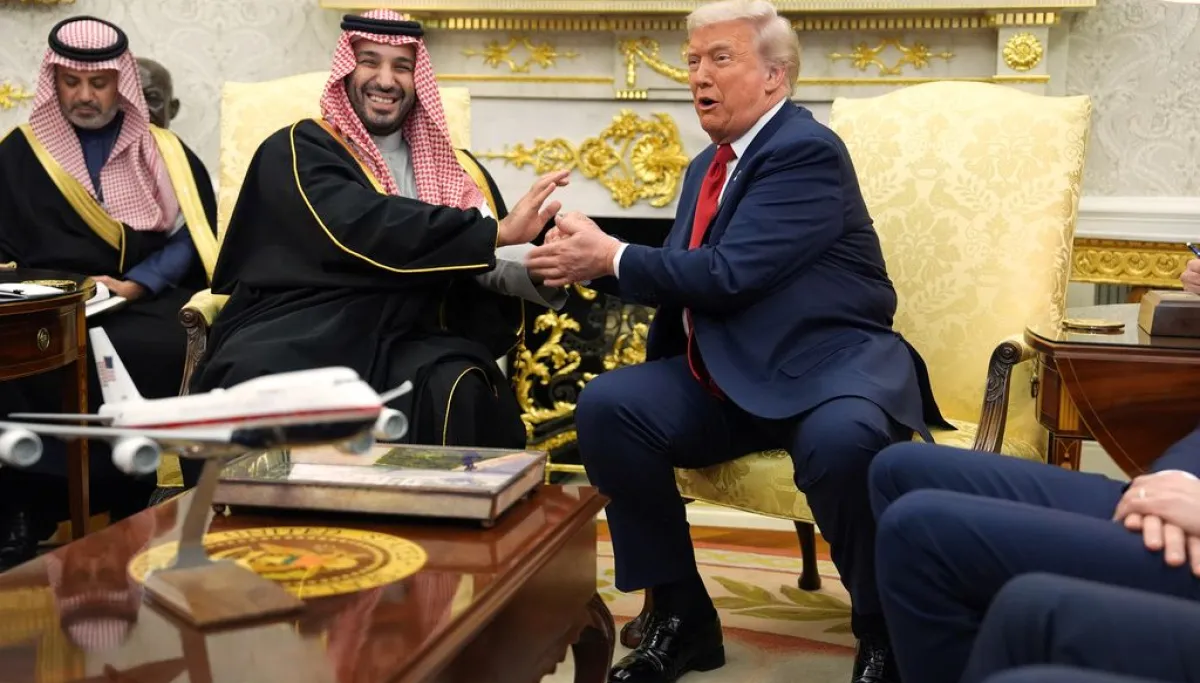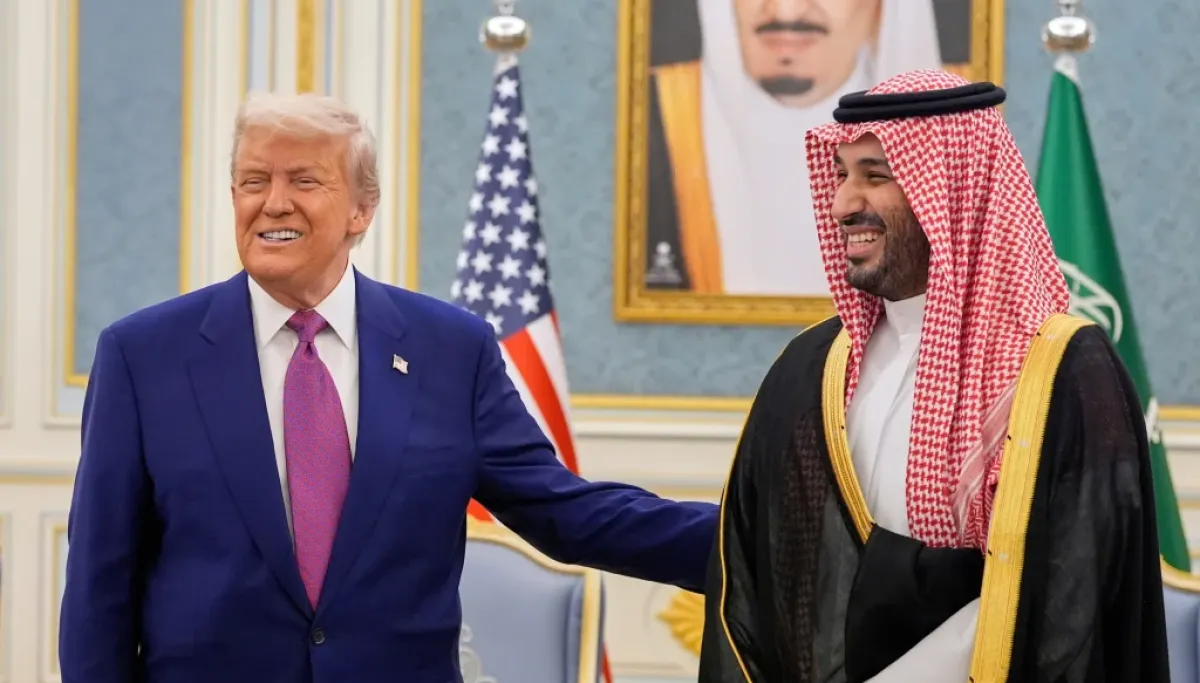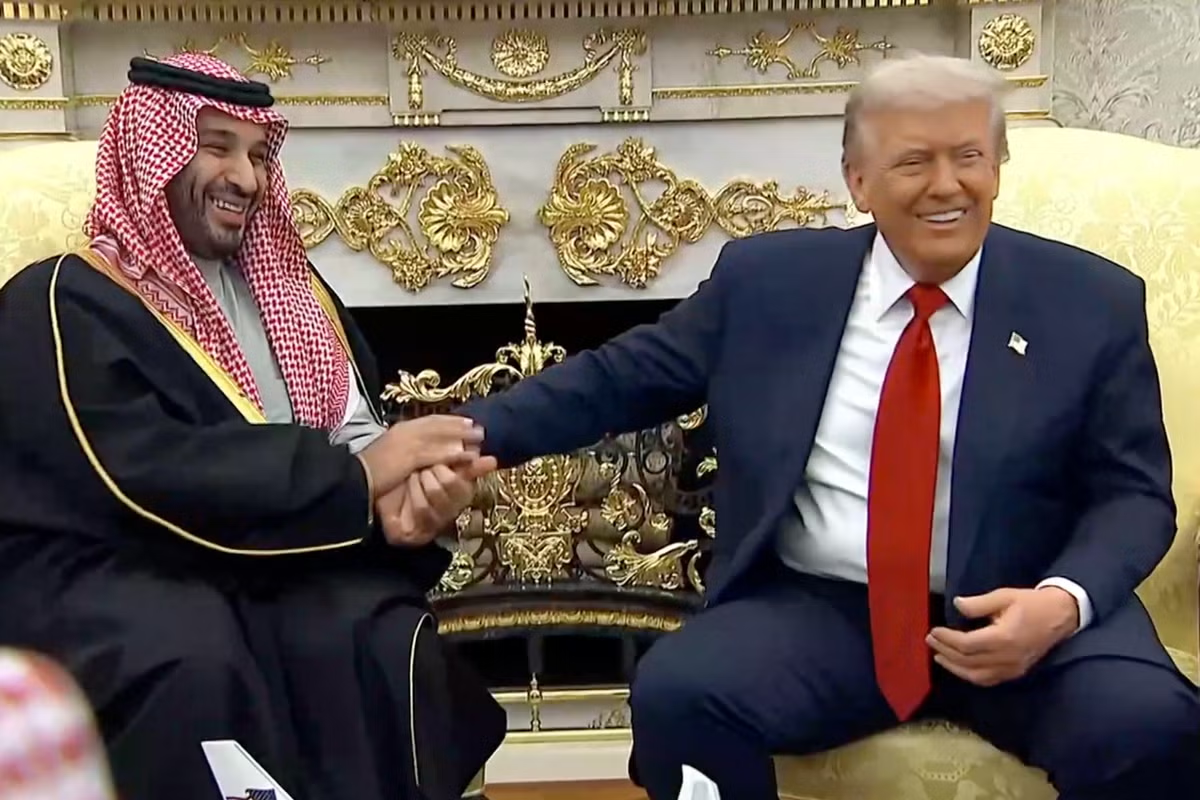
If they were handing out diplomas from the College of Strategic and Diplomatic Malpractice, the Trump administration would surely graduate with high honors. The latest episode in this sorry tale is the deal to provide Saudi Arabia with U.S. nuclear reactors and know-how, reportedly including the right to enrich uranium on Saudi soil in a black-boxed facility the United States would construct. Immediately after the signing of the deal on July 22, U.S. President Donald Trump added the condition of Saudi normalization with Israel, which, if he sticks to it, would invariably scotch the agreement. There is no compelling commercial, economic, or civil nuclear justification to allow Saudi Arabia to control its fuel cycle with or without U.S. supervision. In addition to undermining decades of U.S. nonproliferation policy, the deal and Trump’s walk back reflect the absence of adult supervision and sound decision-making in his administration, emblematic of its approach to diplomacy in general.
It was certainly no surprise that the administration engaged with Riyadh on these issues, since discussions have been taking place for a number of years, primarily in the context of expanding the Abraham Accords. The Saudis have long expressed interest in accessing U.S. nuclear technology and know-how for a civilian program. They have also asked for a bilateral defense treaty and access to the most advanced U.S. weapons systems. Trump’s eagerness to placate the Saudis while demanding little in return went beyond President Joe Biden’s efforts to figure out a way to satisfy the Saudi desire for a domestic enrichment capacity, and it bested the 2009 U.S.-Emirati nuclear accord, which denied Abu Dhabi that concession. Biden at least made the Saudi deal part of a package that would have included normalization with Israel, figuring that might have eased somewhat Israeli concerns on enrichment and provided cover to get the deal through Congress.