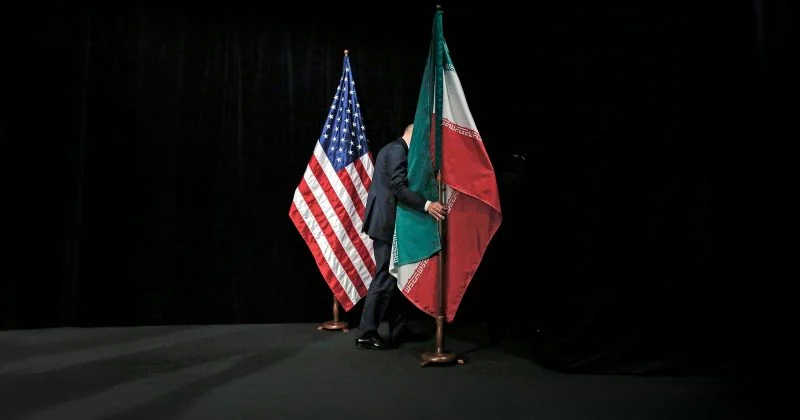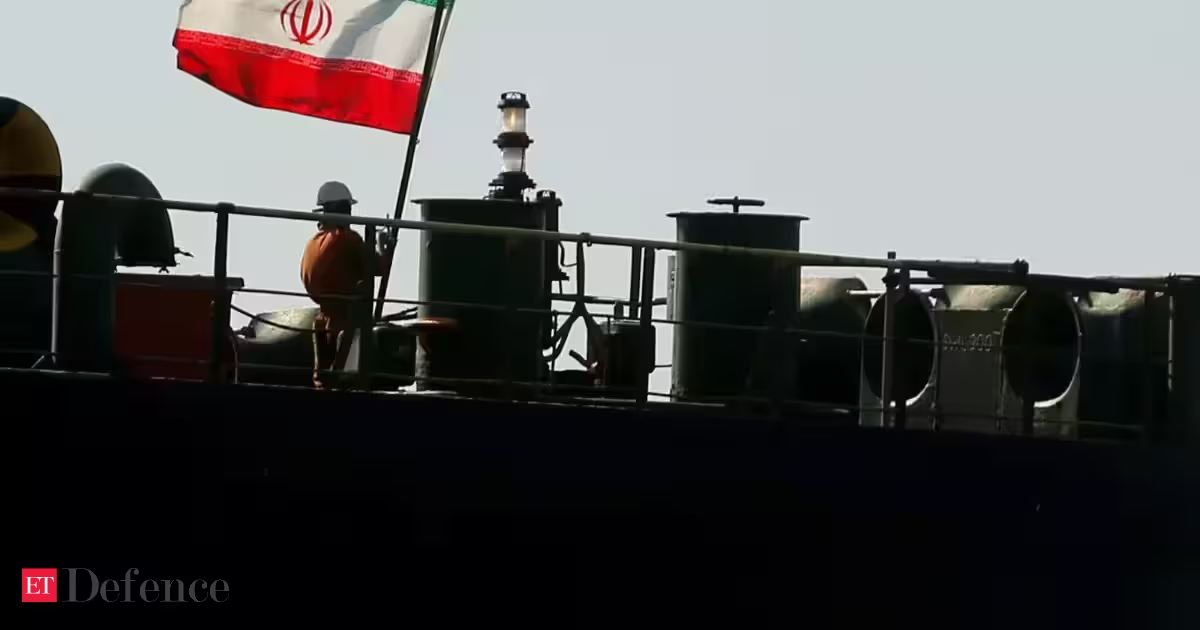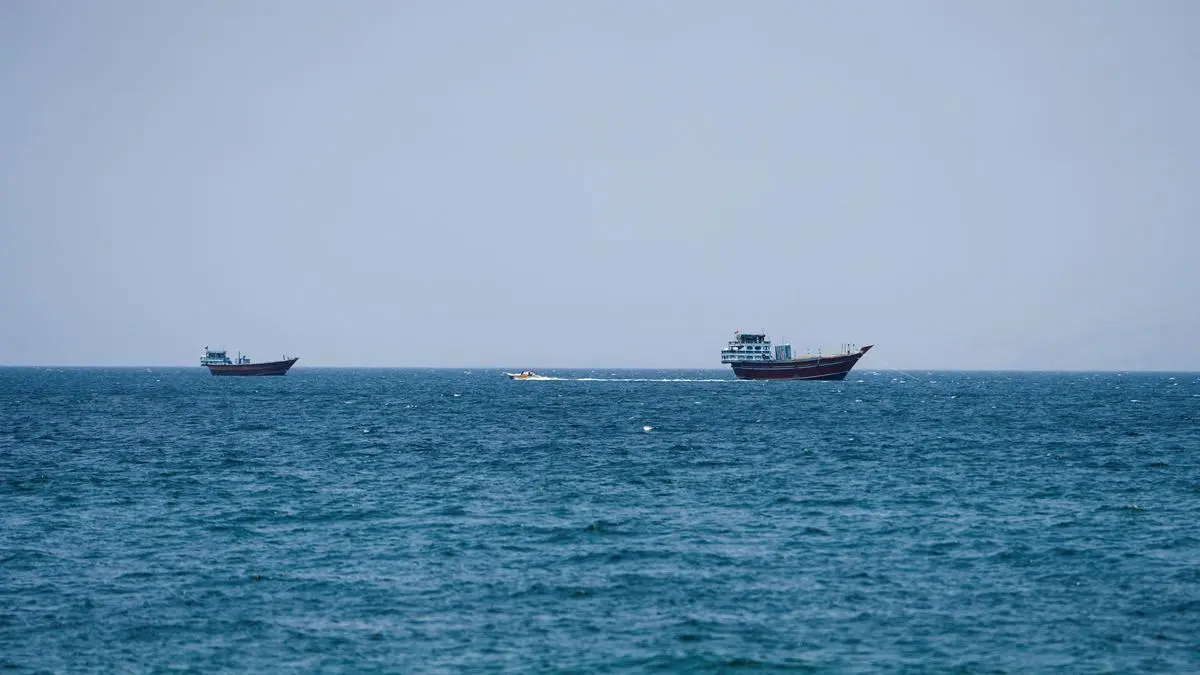
Mediators from Qatar and Pakistan work to restart ceasefire talks amid fragile pause in hostilities.Mediators have expressed hope of progress in pulling the United States and Iran back to the negotiation table as the two sides maintained a pause in hostilities for a third day.Middle East officials speaking on condition of anonymity to discuss closed-door talks told The Associated Press on Monday that mediators led by Qatar and Pakistan are continuing to work to bridge the gap between Washington and Tehran.Recommended Stories list of 3 itemslist 1 of 3FIFA boss Gianni Infantino accuses World Cup critics of spreading hatelist 2 of 3Why has the US halted its bombing of Iran?list 3 of 3Five decades of Israeli covert strategy to push US, Iran into confrontationend of listThe claims appeared to be supported by comments from Washington, and by the continued pause in US strikes following the sudden escalation of hostilities a fortnight or so ago.However, Iran has downplayed talk of negotiations, and its drone attacks on Saudi Arabia, Jordan and Iraq underscored the fragility of the situation, suggesting that Tehran, or at least the Iran-backed armed groups around the region, is seeking to test the new US approach.US President Donald Trump claimed Iran had requested a meeting “through their surrogates and directly, and we’re meeting”.“We’re talking with Iran right now,” he told reporters aboard Air Force One. “We are having good talks.”However, as he has so often, the US leader also issued threats should Iran fail to make an agreement.An Iranian Foreign Ministry spokesman insisted that Tehran has not asked to resume peace talks, noting that “mediators may convey messages to us from the American side”, but that there are no direct negotiations.The US paused attacks on Saturday after targeting Iranian coastal areas and infrastructure in a nearly two-week escalation sparked by Iran’s firing at ships trying to transit the Strait of Hormuz, a crucial waterway for global oil shipments.Iran responded to the strikes with missile and drone attacks on countries across the region hosting US troops, killing at least three service members at a base in Jordan and one in Iraq.The US has “a lot of ammunition, different types”, Trump added on the subject of missile-interceptor stocks following reports that one of the reasons for the pause was due to shortages. He said Patriot interceptors are being built as the US increases its stockpile.Reporting from Doha, Al Jazeera’s Osama Bin Javaid said mediators continue to exchange messages between the two sides and “are eager to get both back to the table and back to the historic memorandum of understanding”.The MoU signed in mid-June brought fighting to a halt before the escalation earlier this month.Since then, there have been different interpretations of the accord, with the Strait of Hormuz emerging as a major sticking point.Tehran wants vessels to pass through a designated shipping lane that transits closer to its shores, and has been shooting at ships passing through a southern lane closer to the Omani coast.Muscat has proposed a mechanism that would see countries pay a voluntary toll to pass through the narrow waterway, which is a key passage for global energy. But Iran insists that the toll be mandatory.“The strait also remains contentious between Iran and Oman, though several sources say some progress has been made on this issue over the weekend. But they still remain poles apart on what the final version of things is going to look like,” Bin Javaid said.“The Iranians say the situation in the strategic waterway can’t return to what it was before the war and are insisting there will be a toll. However, they’re open to ideas about whether it’s going to be entry fees, exit fees, or if it is going to be in lieu of some services that both Iran and the Omanis provide,” he added.The US Central Command (CENTCOM) said on Monday that it has redirected 17 commercial vessels transiting the strait, as well as disabling two others and boarding a further two to ensure compliance with its blockade on Iran.Following the collapse of the memorandum of understanding, Washington also revoked a waiver allowing the sale of Iranian oil and imposed a naval blockade on Iranian ports.
Hopes of return to diplomacy as US-Iran hold fire for third day
Mediators from Qatar and Pakistan work to restart ceasefire talks amid fragile pause in hostilities.
696 words~3 min read