TL;DRAI vendors are shifting from per-seat subscriptions to token consumption pricing. AI PCs running local models give enterprises cost predictability as cloud AI bills climb.
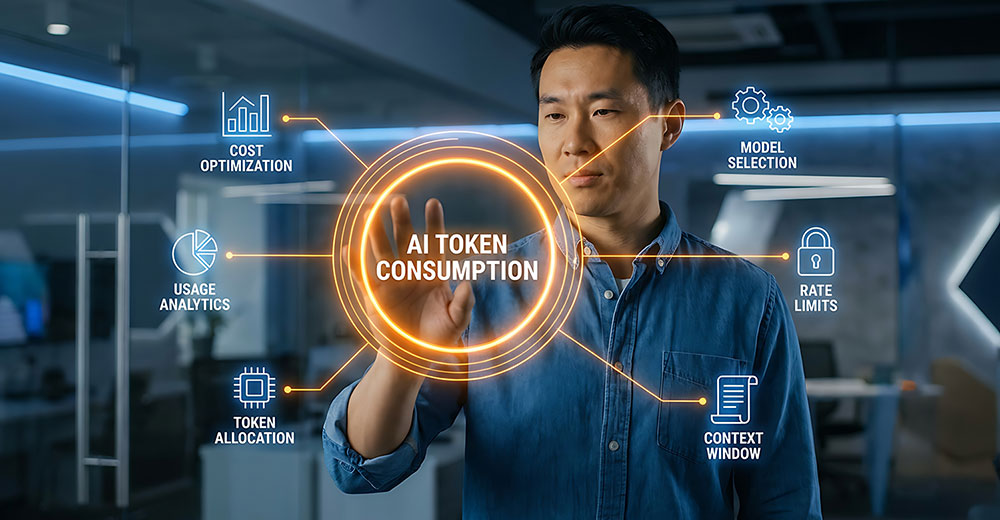
The AI pricing model is shifting. Major software vendors are moving away from per-seat subscriptions toward token consumption or outcome-based pricing for AI features. The flat-rate subscriptions that attracted early adopters were loss leaders. Now that enterprises are dependent on the tools, vendors need them to generate revenue. “We believe software value should align directly with customer success, not headcount,” said Zendesk’s president for products, engineering and AI, Shashi Upadhyay. For enterprises, that means AI is about to become significantly more expensive, and less predictable.
The hedge is local compute. AI PCs with neural processing units can now run small models locally, handling basic and mid-level generative tasks without sending a token to the cloud. Consumers and knowledge workers have been buying Mac Minis to run OpenClaw’s AI agent locally, avoiding per-query costs entirely. For enterprises running thousands of routine AI tasks daily, summarisation, drafting, code completion, and data extraction, a one-time hardware investment with zero marginal cost per query is increasingly attractive compared to a cloud bill that scales with usage.