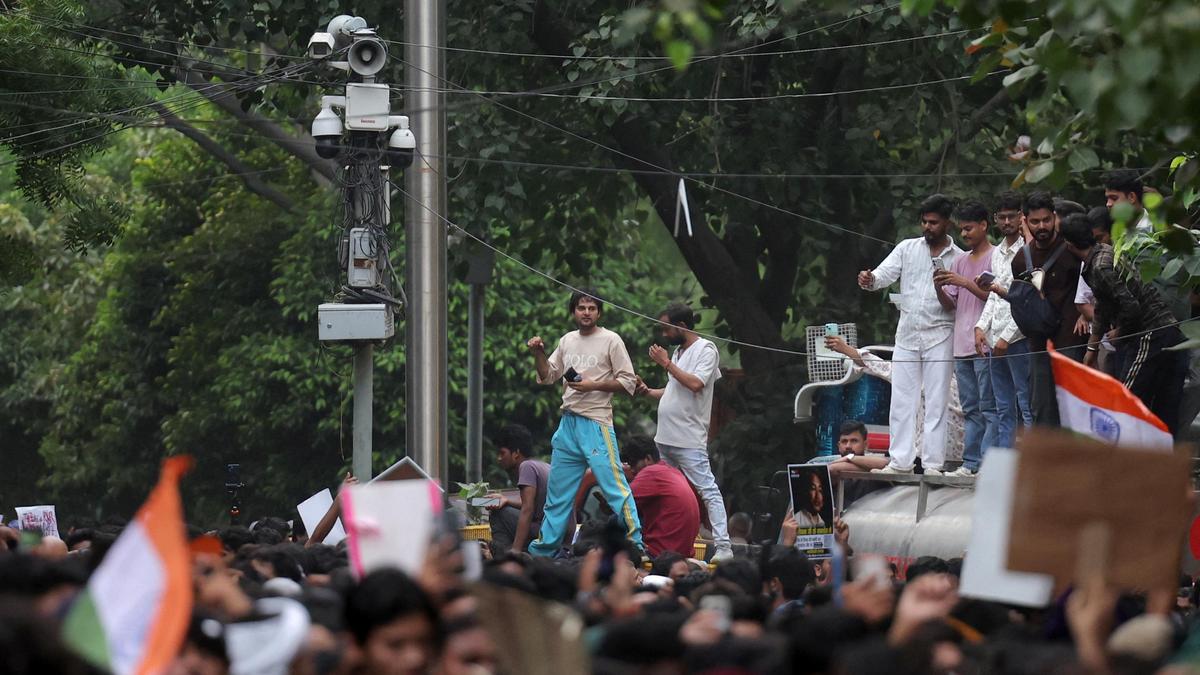
The petitioner sought directions for the destruction of data collected through surveillance.
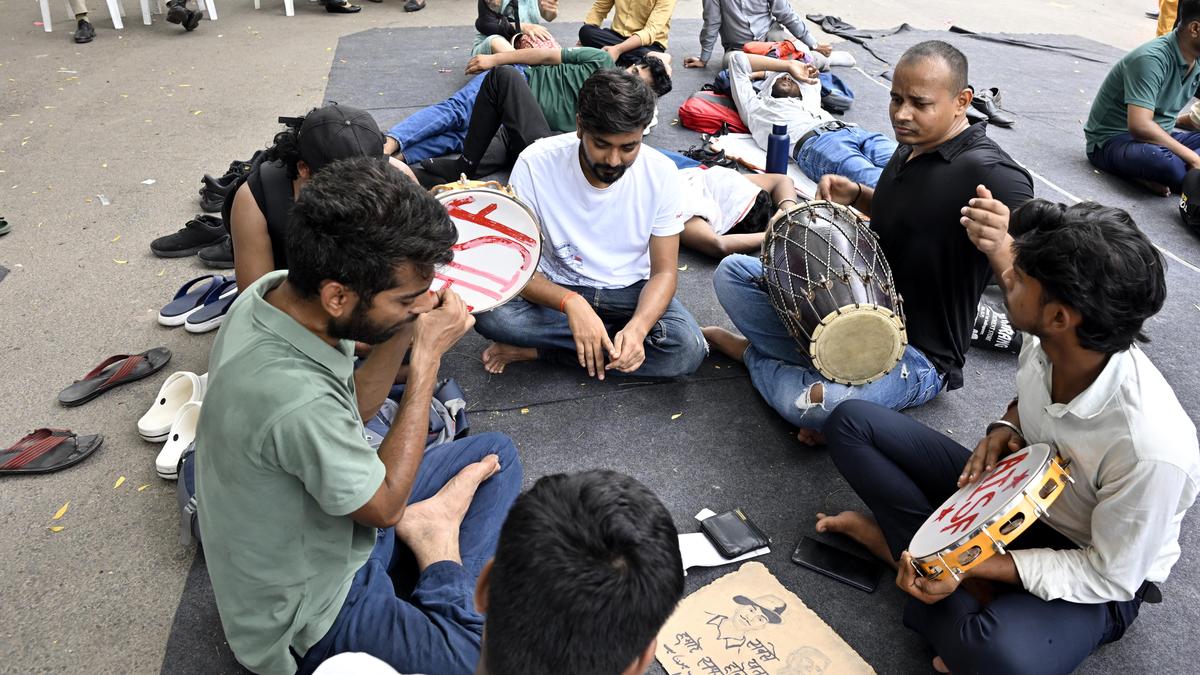
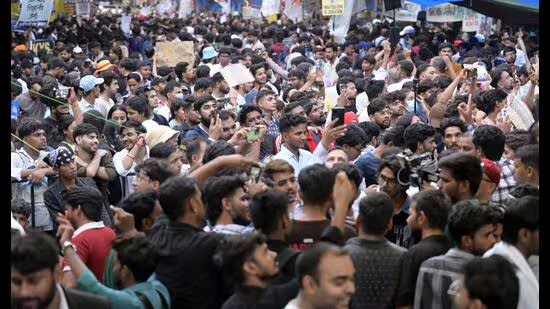
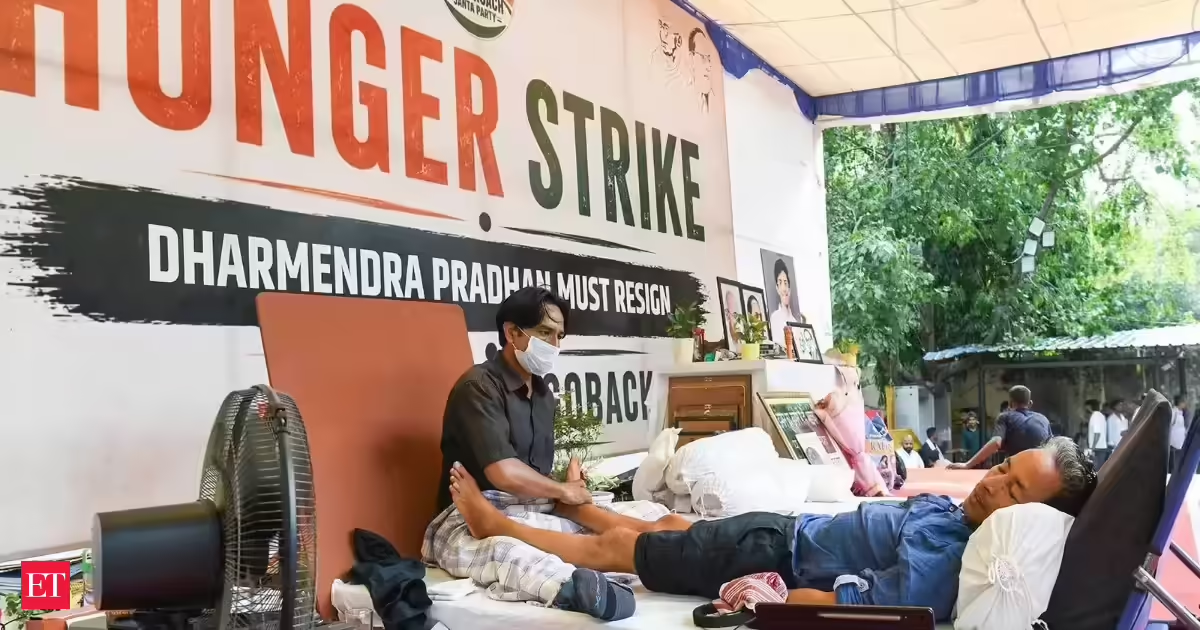
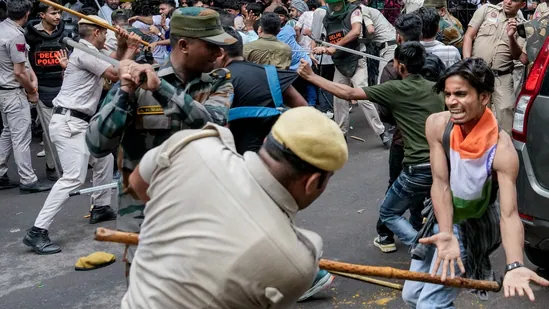
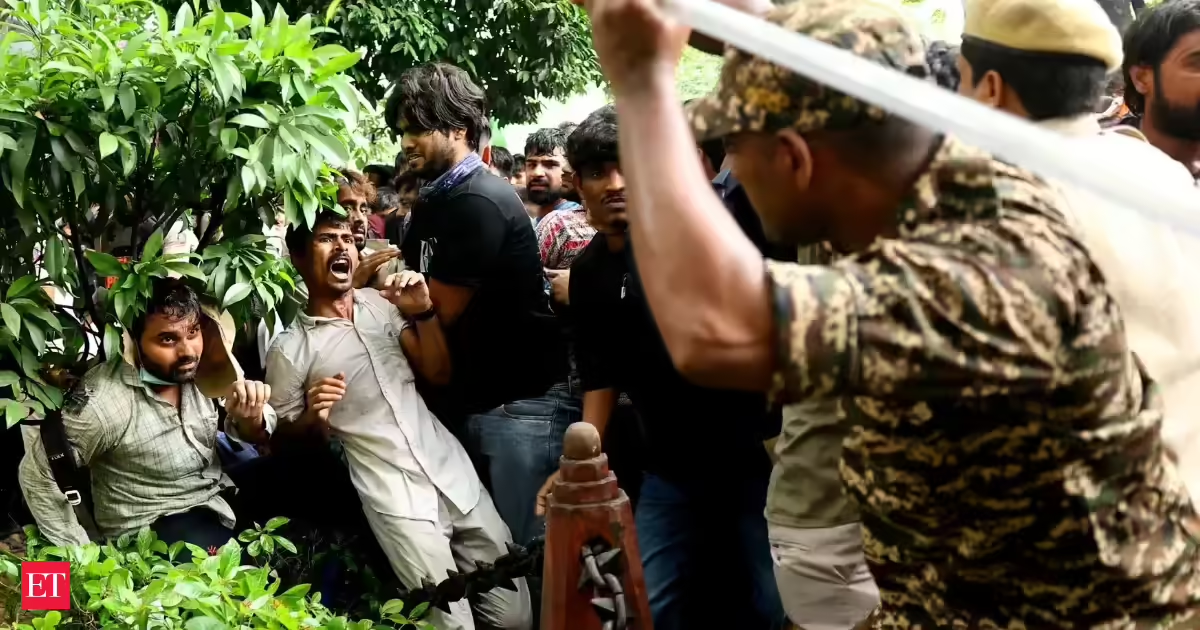
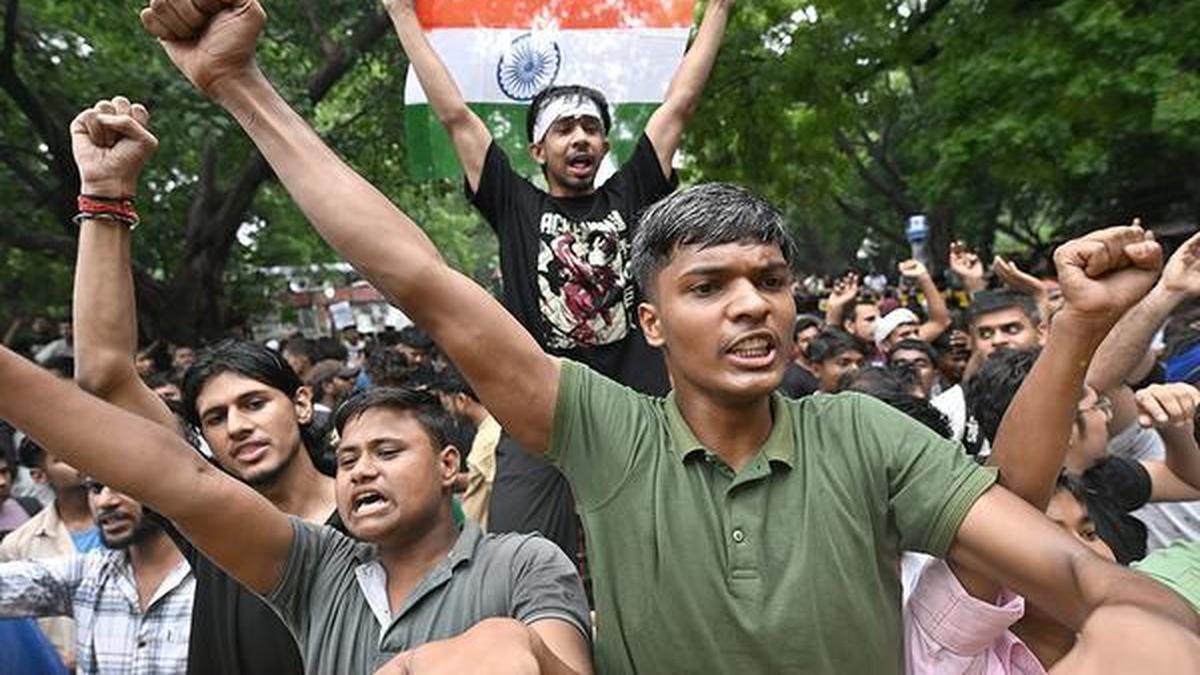
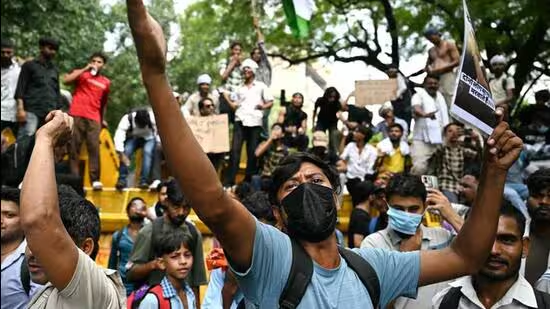
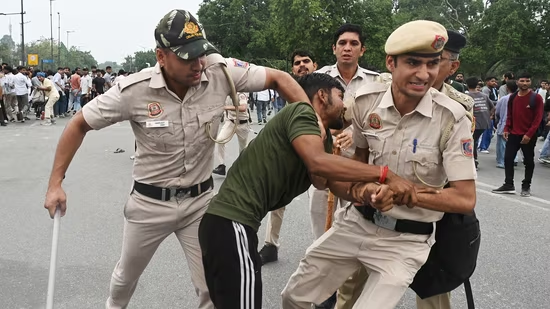
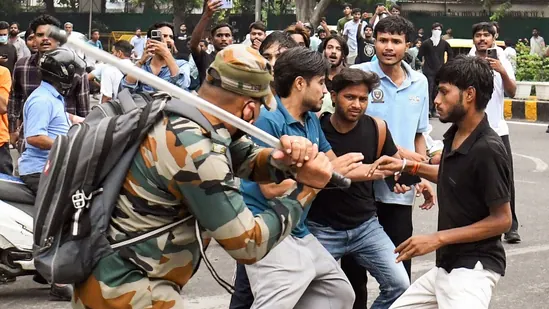
The Centre on Monday told the Delhi High Court that a public interest litigation (PIL) alleging surveillance of protesters during the Cockroach Janta Party-led agitation at Jantar Mantar had become infructuous after the protest ended. The Bench, however, indicated that the broader issue of surveillance of protesters could be examined in an appropriate case and suggested that the petitioner file a fresh plea raising the issue in a general context rather than one confined to the protest. A Bench of Chief Justice D.K. Upadhyaya and Justice Tejas Karia asked the petitioner to allow “things to cool down further” before moving a fresh petition. The PIL was filed by Aishe Ghosh, former president of Jawaharlal Nehru University Students’ Union. “You better file a petition where we can examine the provisions. This petition, as we understood, was confined to a particular protest. We are permitting you to file a petition which is general in nature... Things have cooled down. Let them cool down further,” the court said. The Bench added that a fresh petition could seek guidelines governing surveillance of protests. Senior counsel for Ms. Ghosh submitted that several prayers in the petition remained live, particularly those seeking safeguards against surveillance of protesters in the absence of a statutory framework. Counsel also argued that the authorities should be directed to permanently destroy any personal data collected through surveillance, particularly in view of the Centre’s assurance that no action would be taken against the protesters. The matter was posted for further hearing on Tuesday. Last week, the petitioner’s counsel had argued that the plea challenged the alleged surveillance of young protesters, including female students aged between 16 and 20. Appearing for the petitioner, Senior Advocate Nandita Rao submitted that the right to privacy recognised by the Supreme Court extends even to citizens participating in public protests. Solicitor General Tushar Mehta, appearing for the Union government, said videography of protests is “an accepted” measure followed at all public demonstrations and is not confined to the present agitation. “When you are holding protest in an open space, claim of privacy is ironical,” Mr. Mehta argued, adding that protesters at the site were themselves making hundreds of reels and videos. Mr. Mehta contended that while privacy is a fundamental right, it does not extend to public places where there is “a legitimate state interest”. Published - July 28, 2026 12:50 am IST