Anyone visiting the southern seashore of Tamil Nadu will come across communities of fishermen who have lost land and livelihoods to the receding coastlines. Their houses were swept away for good. These are not just statistics—this is what siphoning off Rs 20,000 crore looks like at the ground level.
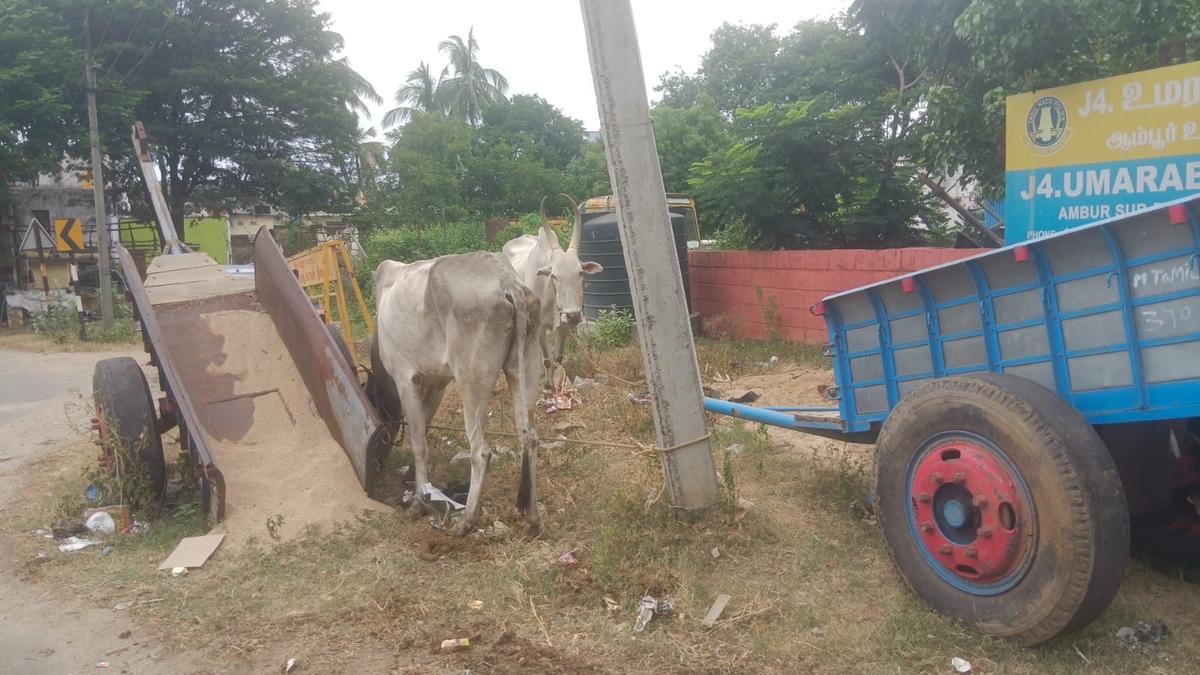
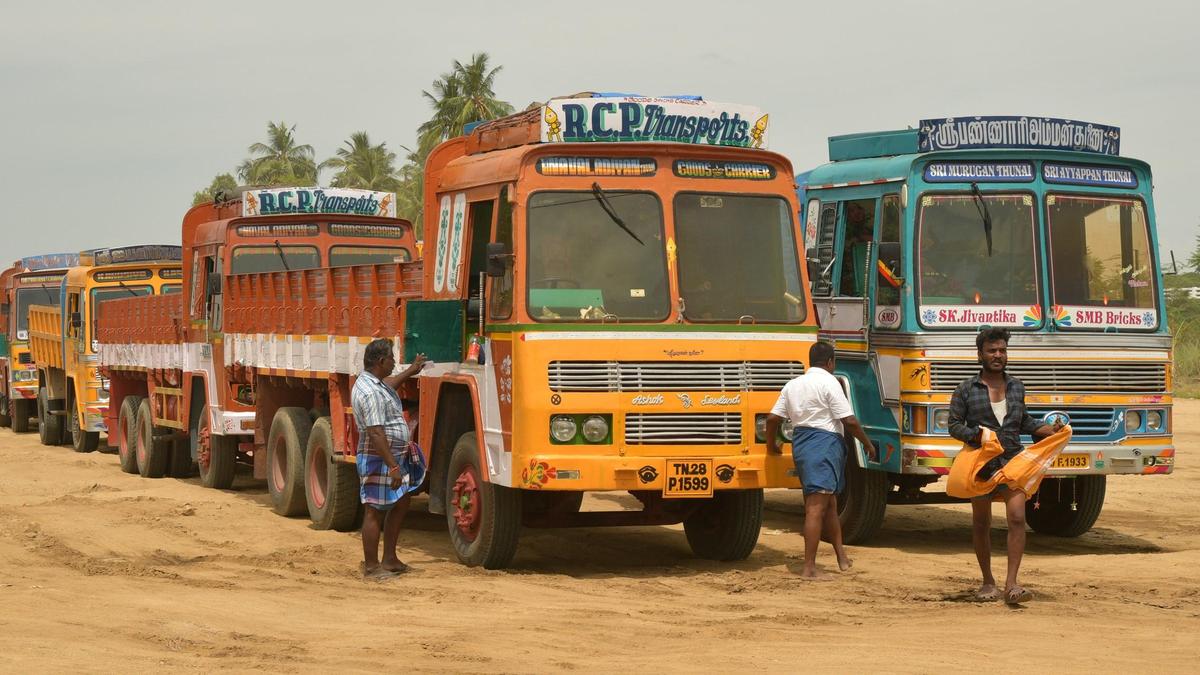
Ironically, this siphoning of funds has been going on for over 25 years across multiple governments, and is still happening now, as you read this. It is not a single government that is party to this, it is the entire system.Between 2002-03 and around 2016, 88.4 lakh metric tonnes of sand were illegally transported. This amounts to more than Rs 5,832 crore in unpaid royalties and penalties in Thoothukudi, Tirunelveli and Kanyakumari. Losing this amount of revenue is an alarming issue.
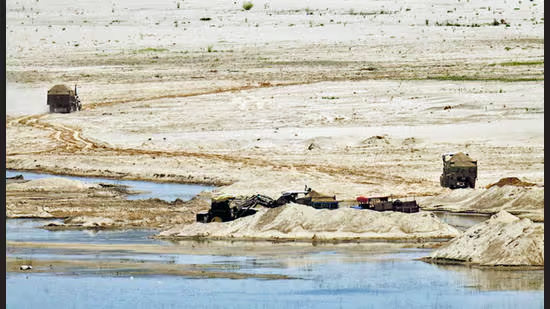
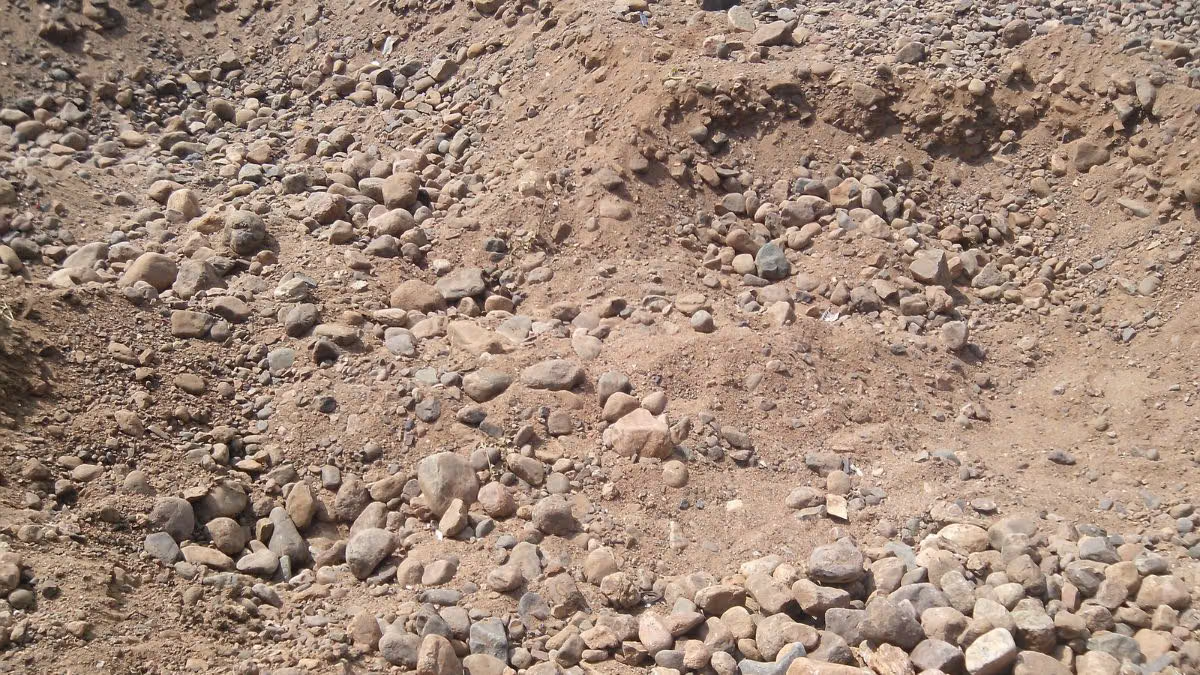
To understand the process behind illegal sand mining, we must understand the mined sand. The two types are river and beach sand, both having differing uses and importance. River sand is extracted from the sacred lifelines Cauvery, Palar, Vaigai, Bhavani, Thamirbani, which destroys the riverbeds, aquifers and life sources of the state in the process. This sand is majorly used for construction purposes.The second is beach sand. This sand is mineral-rich, containing rare earth minerals garnet, monazite, ilmenite and thorium. Monazite, which is a radioactive mineral, has national security implications due to its nature and importance in the nuclear power generation process. This beach sand is illegally mined in the districts of Thoothukudi, Tirunelveli and Kanyakumari.