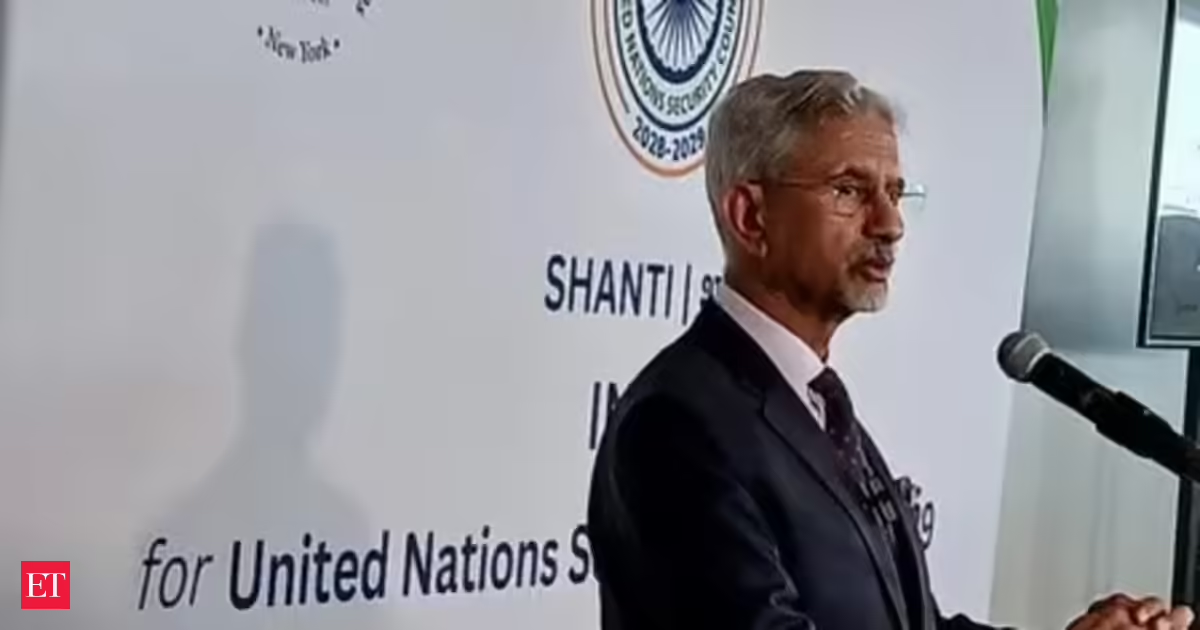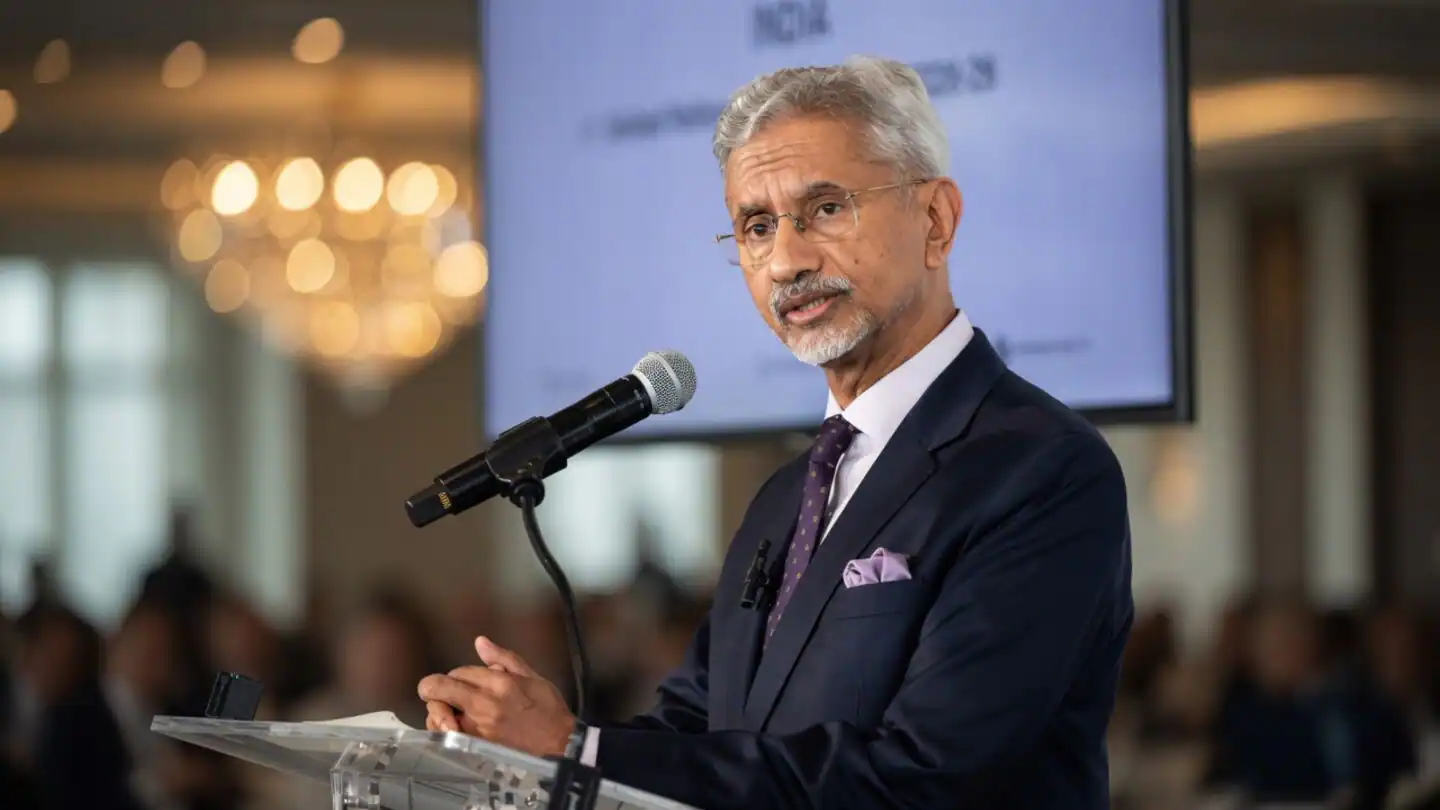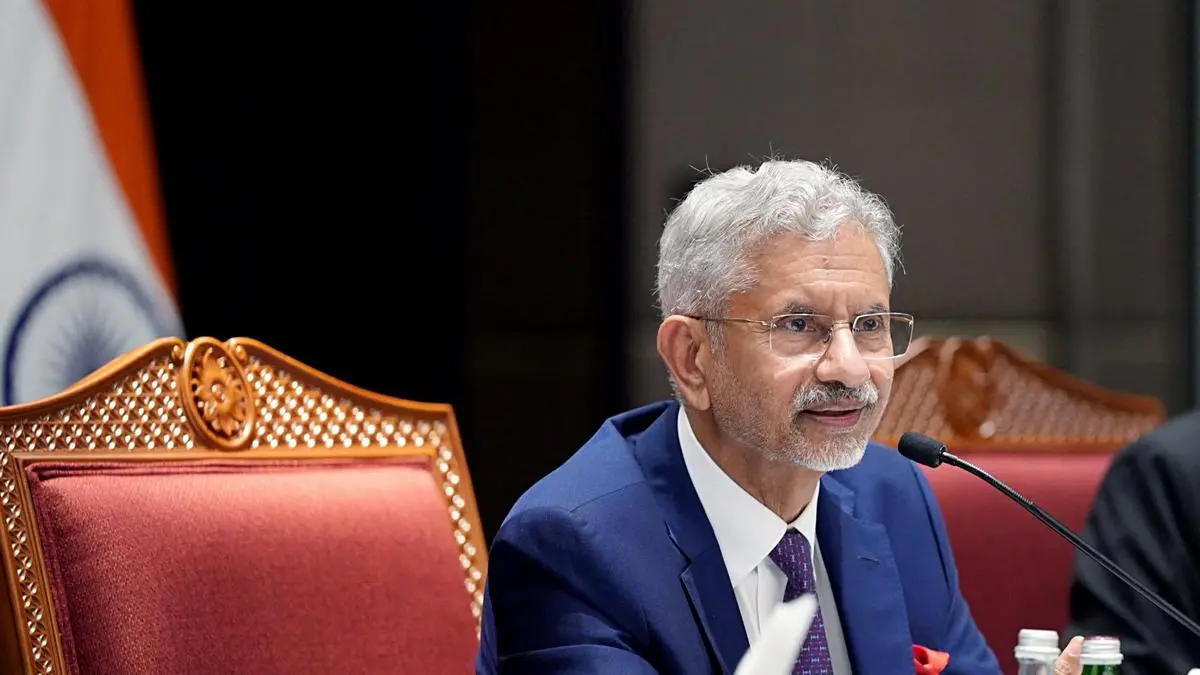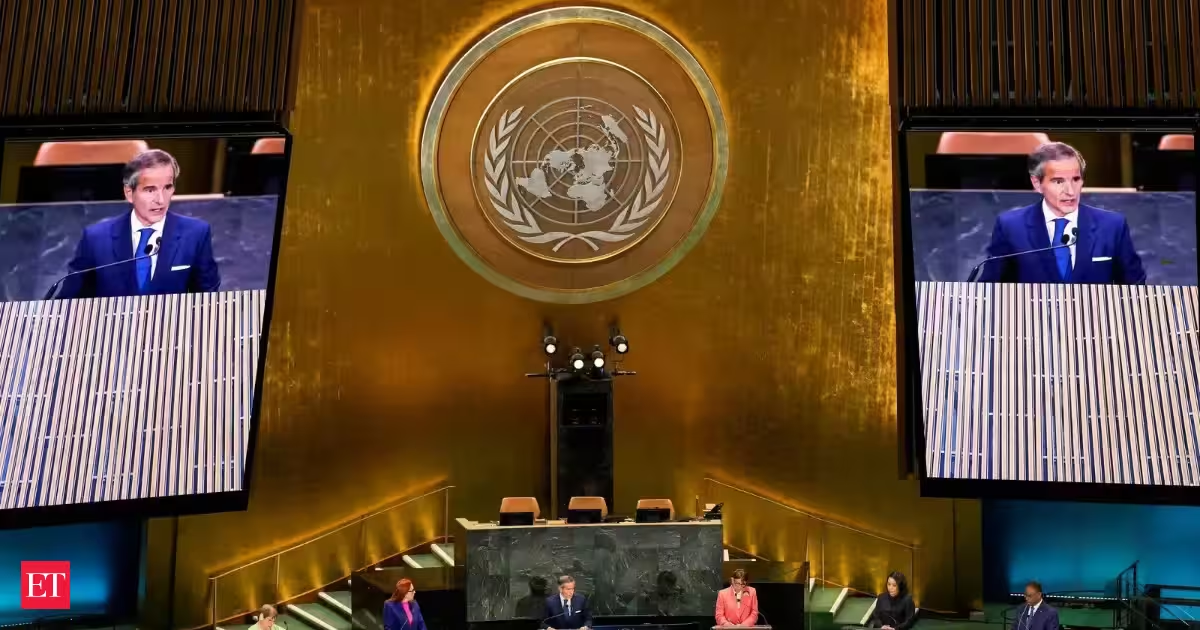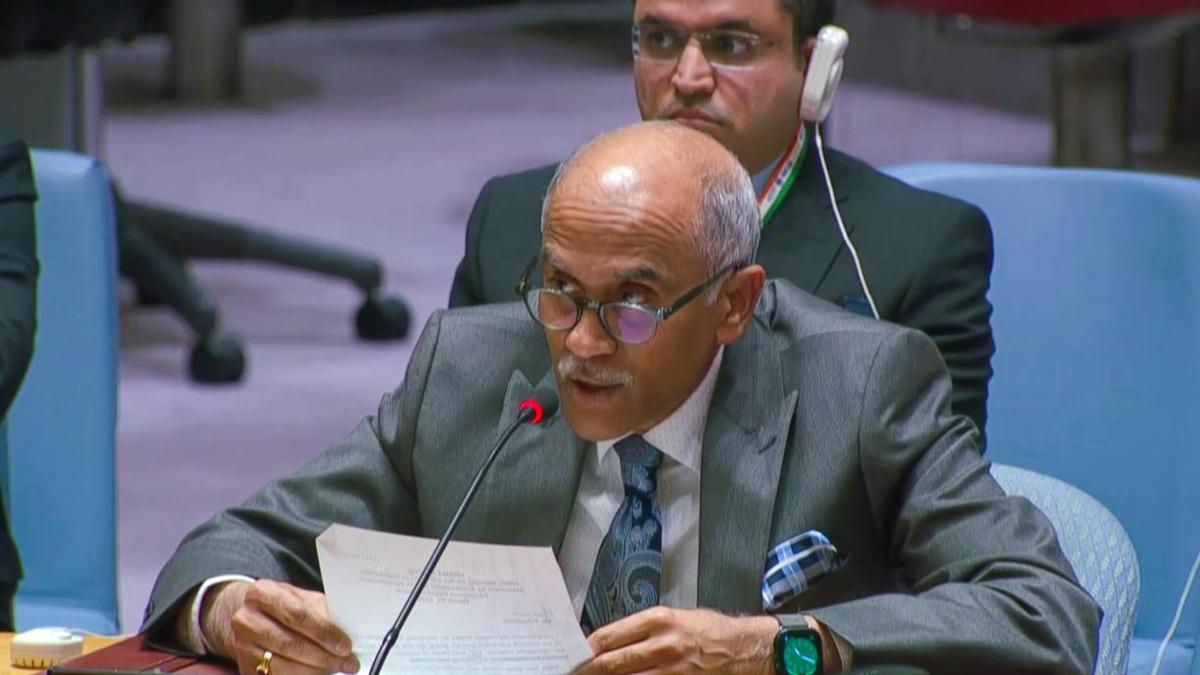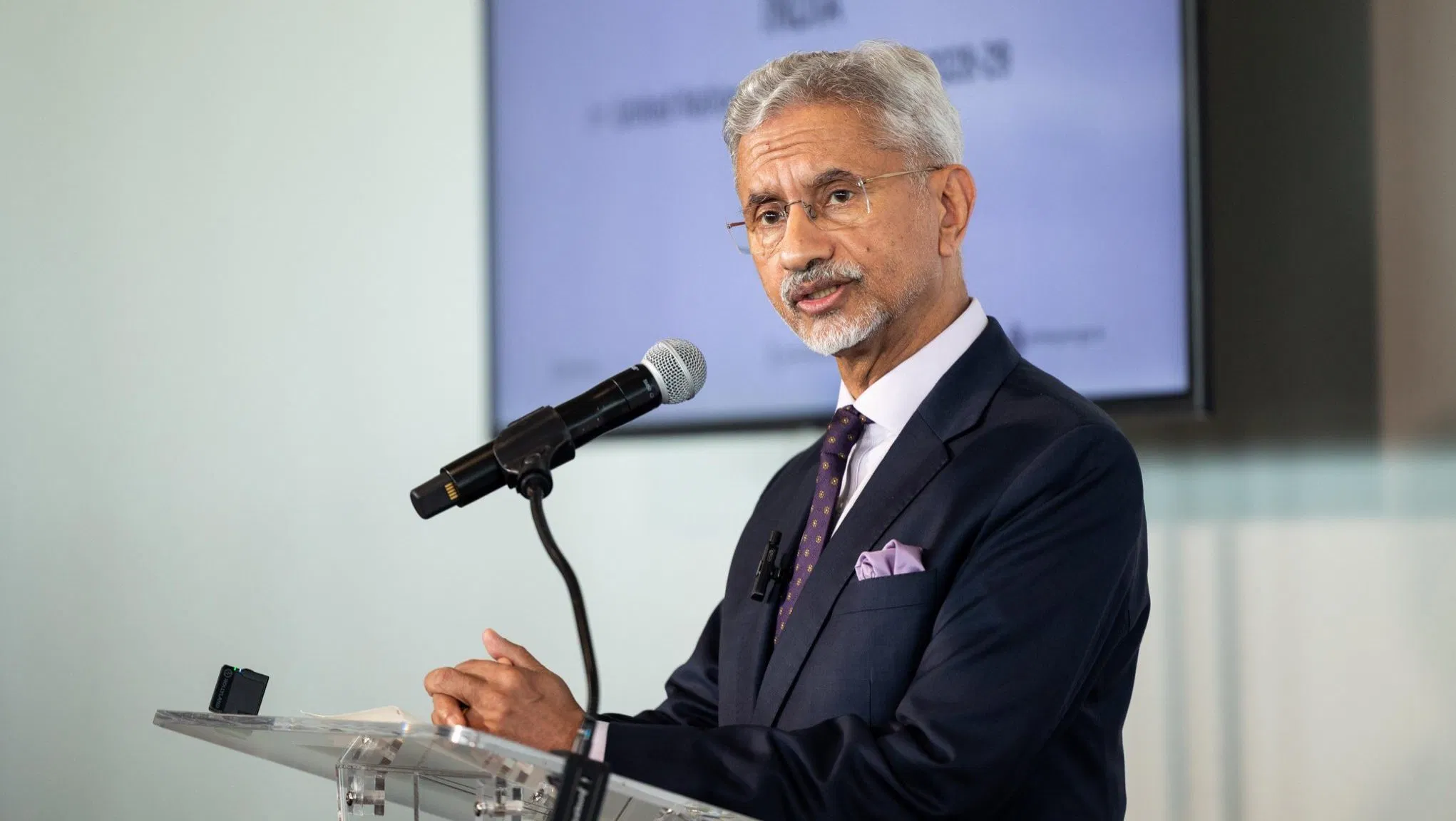
Earlier this month, External Affairs Minister S Jaishankar launched SHANTI — Securing Holistic Advancement through Norms, Trust and Integrity. This is the title for India’s campaign for a non-permanent seat on the United Nations Security Council (UNSC) for the 2028–2029 term. India would be seeking its ninth stint on the Council, with elections slated for June 2027. The campaign’s stated priorities are the interests of the Global South, counter-terrorism and maritime security, while wanting to be seen as a stakeholder ready to help run the system. However, India is not running unopposed, as Tajikistan has already declared its intent to contest the same Asia-Pacific seat.
But a two-year elected non-permanent seat is not India’s objective, though it is a meaningful step towards it. While a non-permanent membership puts India in the room where sanctions and the authorisation of force are decided and lets New Delhi build coalitions and influence agendas, the goal of a permanent seat matters because only permanent membership confers the durable voice and heft to shape outcomes rather than merely witness them.India’s case is not just aspirational. The fact remains that it is the world’s most populous country, with the youngest population and the fourth-largest economy since overtaking Japan in 2025. India is also one of the largest contributors to UN peacekeeping in the organisation’s history, with nearly 300,000 personnel deployed across some 50 missions since 1948. It possesses nuclear weapons, fields one of the world’s largest militaries and has become a leading voice for the developing economies. It has introduced to the world the civilisational idea of Vasudhaiva Kutumbakam (‘the world is one family’) and is the largest democracy in the world. It has already served eight terms as a non-permanent member and has shown it can bridge the developed and developing worlds. By most measures of power and representation, India already meets the bar expected of a permanent member.