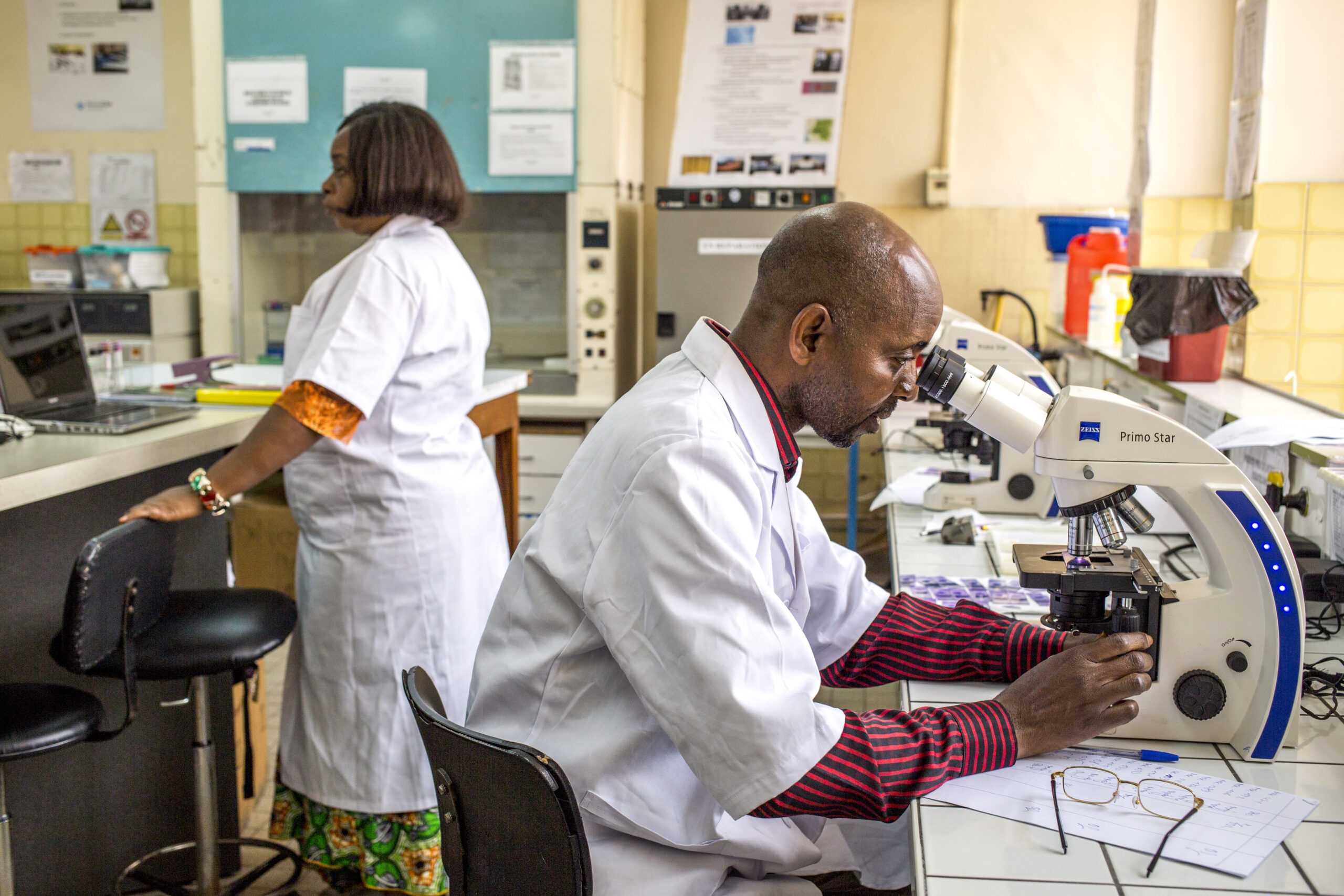
Today, Africa CDC releases the Operational Toolkit for the Prevention, Diagnosis and Management of Hepatitis B. It is a deliberately practical document. Treatment algorithms. Liver fibrosis assessment. Clinical decision support for a nurse in a district facility where the nearest specialist is hundreds of kilometres away.
Developed with leading African hepatitis experts, it translates World Health Organization recommendations into guidance a health worker can apply in daily practice.
We built it because the gap on this continent sits between what we know and what we do.
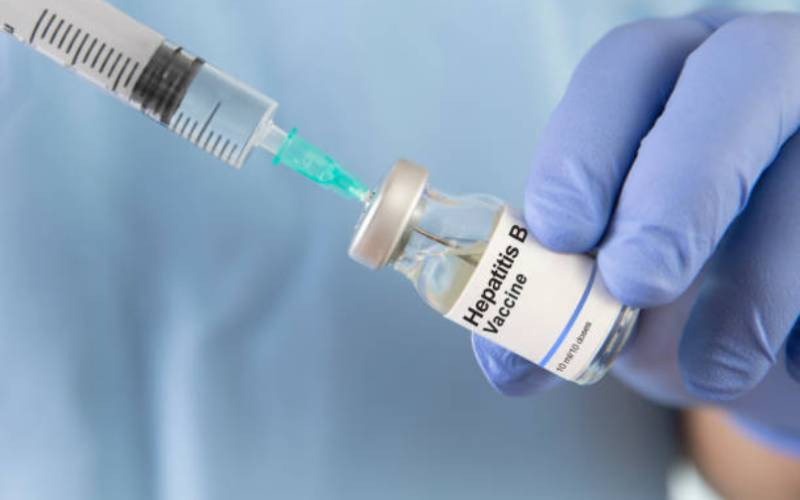
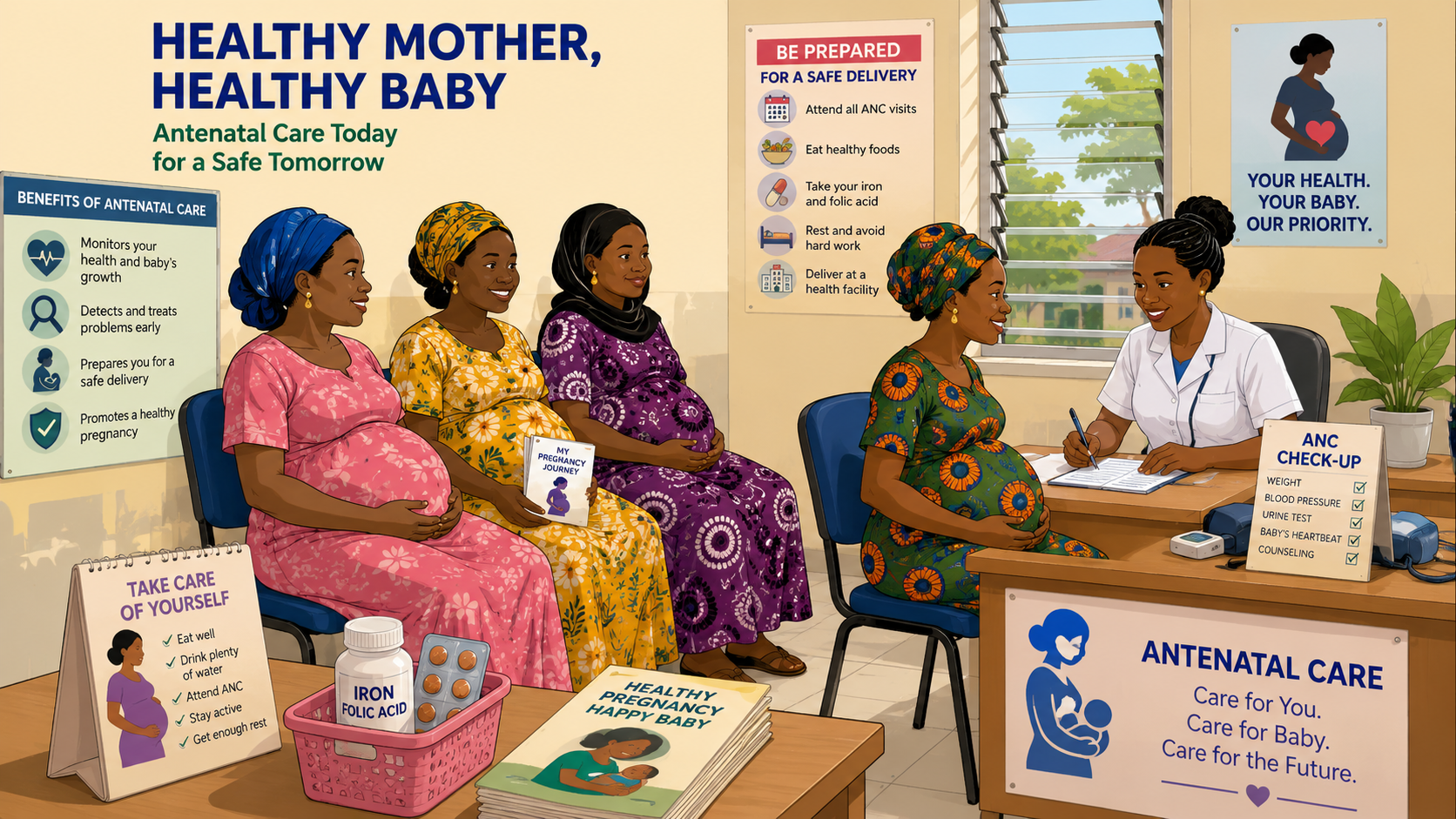
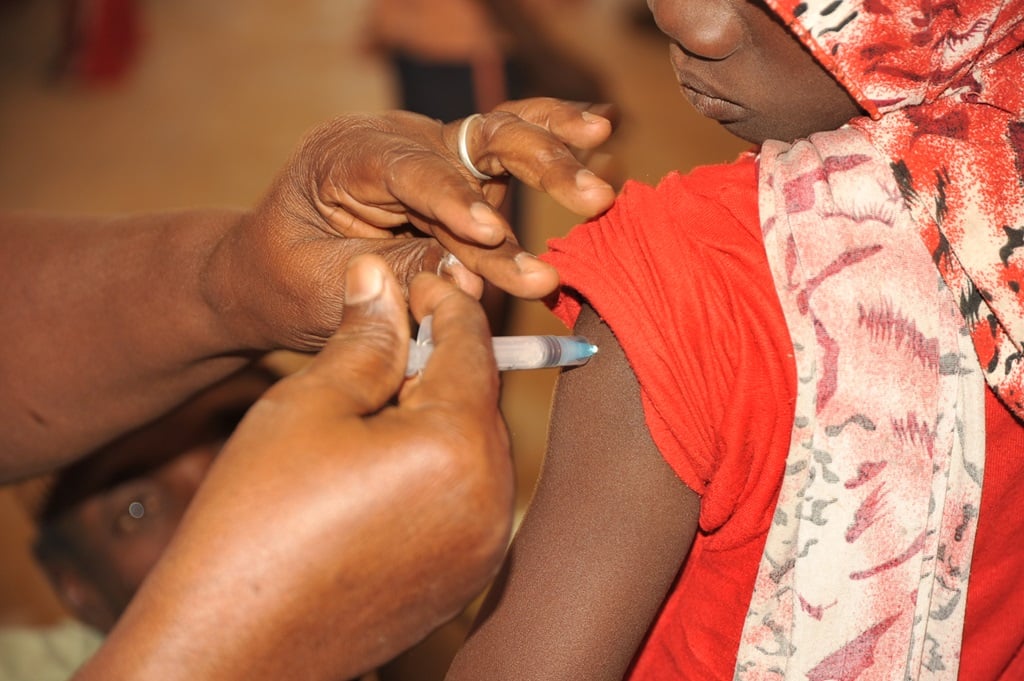
Consider what we already know. Around 64 million Africans live with chronic hepatitis B. Our region accounts for 63 per cent of new hepatitis B infections worldwide. The virus killed an estimated 272,000 people here in 2022. Fewer than five in every hundred people infected have been screened. Fewer than one in a hundred receive treatment. A vaccine given within 24 hours of birth prevents almost all transmission from mother to child, and 18 per cent of African newborns receive it. Hepatitis C can be cured in more than 95 per cent of cases with a short course of treatment.
Every one of those deaths was avoidable using tools invented decades ago. That is an implementation failure. Implementation failure is a political choice.