Story audio is generated using AI
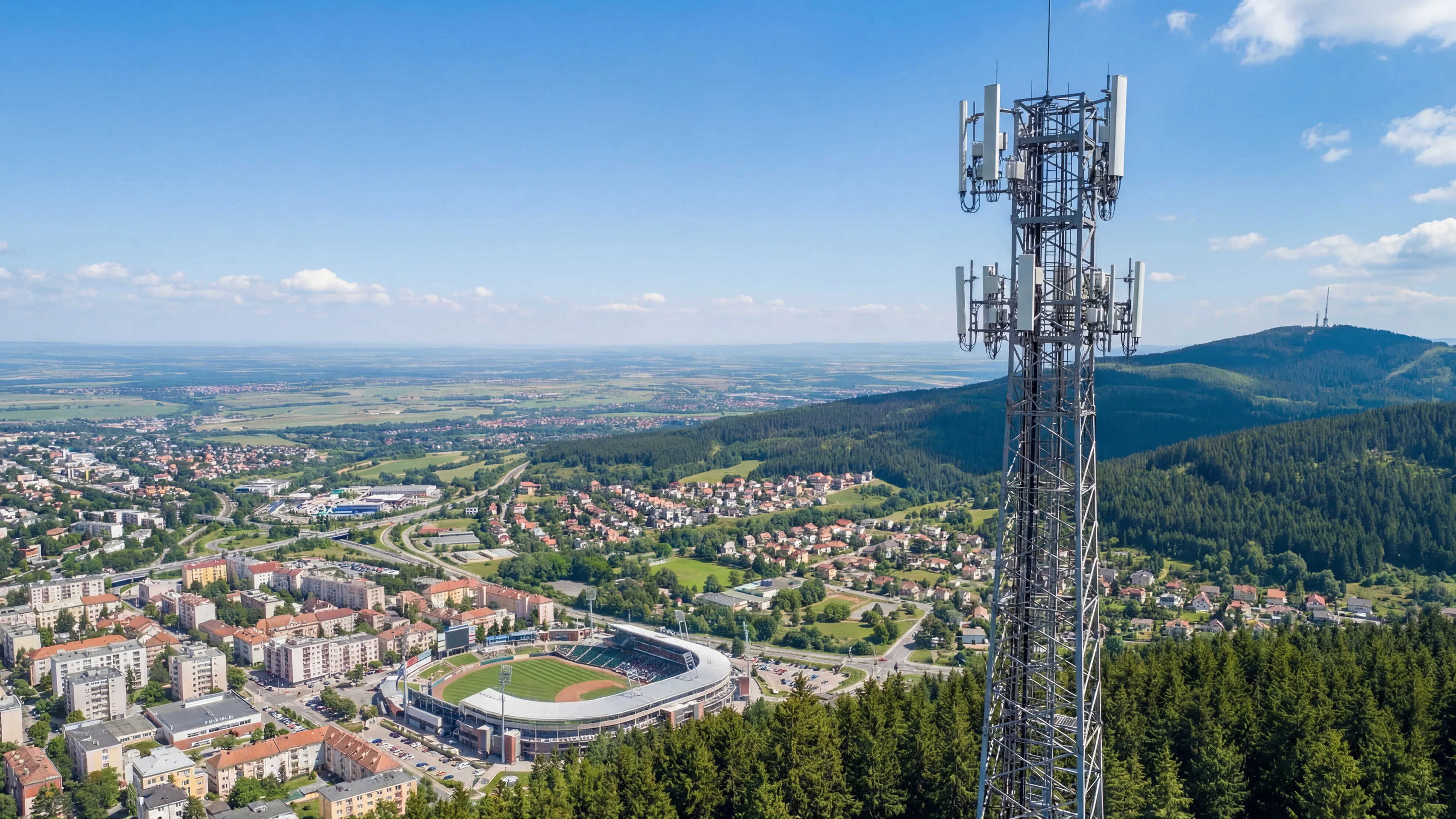
South Africa’s telecoms and broadcast watchdog aims to triple the amount of radio frequency spectrum available for use in the country over the next decade.Mobile operators have long argued the high cost of communication is due to a lack of spectrum, an issue known as the “spectrum crunch”.The Independent Communications Authority of South Africa (Icasa) has yet to hold another spectrum auction after successfully raising R14bn for state coffers in 2022 when it conducted the first auction since 2004/05.An auction had been expected since 2023. On Monday, the regulator said it has published a roadmap for how it will free up, license and auction the radio waves on which data travels. The plan will be implemented over the next five to 10 years.The regulator has been working to open more airwaves to cope with growing demand for communications services in South Africa, while also driving down costs for consumers. It said the proposed measures are intended “to increase the amount of high-demand spectrum available by approximately 215%”.As a big part of the plan, Icasa aims to increase the amount of broadband spectrum available for assignment from the present 850MHz to at least 18,588MHz by 2030.The authority initiated the development of the IMT Roadmap, publishing a first draft in 2024 for public consultation. A revised second draft was published in December 2025.The latest document considers all stakeholder inputs received during these consultation processes.For now, no specific monetary figure is mentioned regarding how much the government will be able to raise from a spectrum auction.The authority is gathering information to determine the value of the radio waves and considering factors such as potential auction values, the network costs that would be avoided by certain frequency bands, and other related benefits.It has encouraged industry players to submit comments and provide information regarding these potential values to help inform their decision-making.The authority, which is also working on a plan that will result in the introduction of a secondary market for spectrum, said its primary objective is to “ensure the efficient use of radio frequency spectrum, increase access to broadband services, and promote a competitive telecommunications sector that supports economic growth and universal connectivity”.While working on this, the state is yet to complete its long-drawn-out digital migration process.The switch to digital TV has long been a thorn in the government’s side. While the process will clear the frequency spectrum now occupied by broadcasters, allowing for faster wireless broadband services and other applications, broadcasters are reluctant to relinquish their existing frequencies until the migration process is complete.Business Day