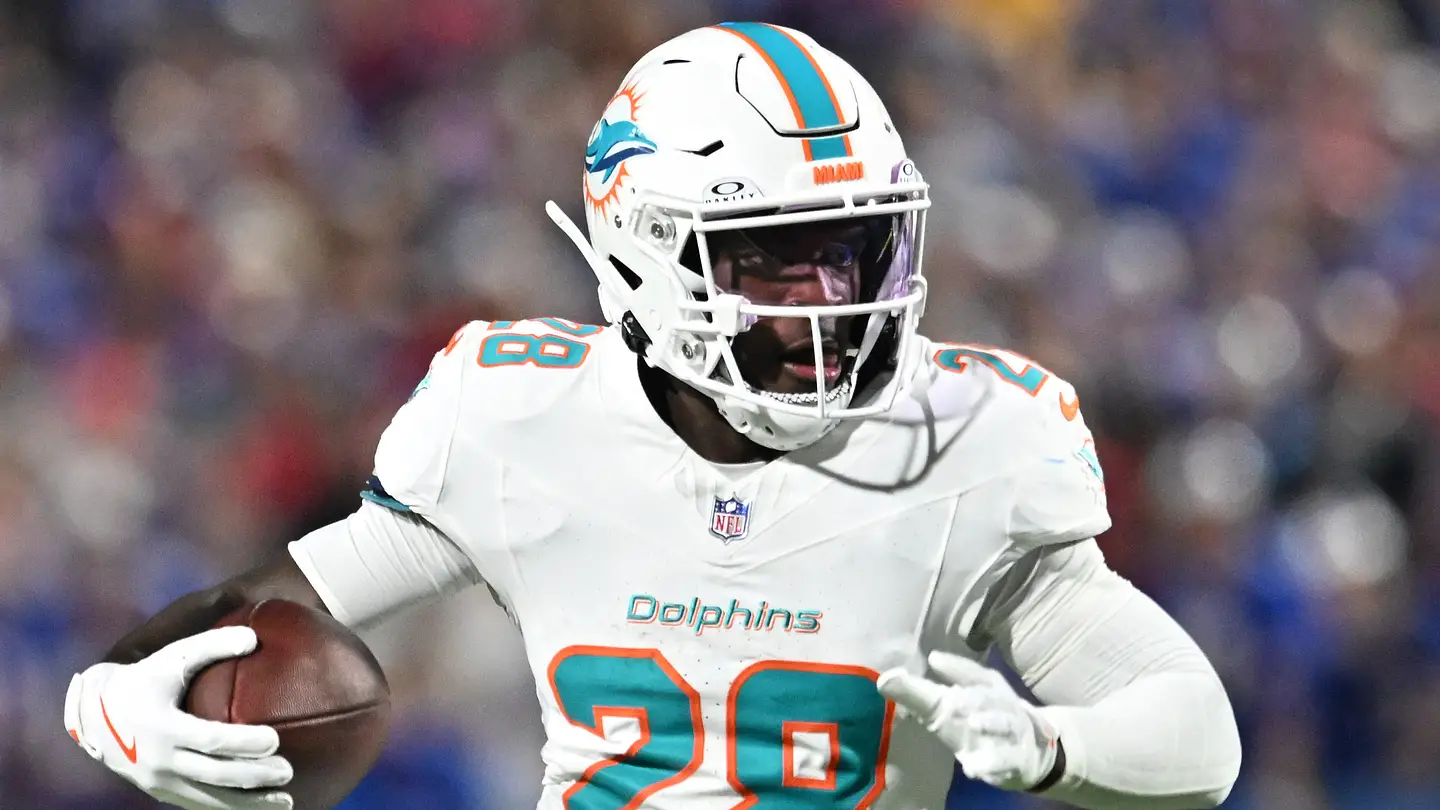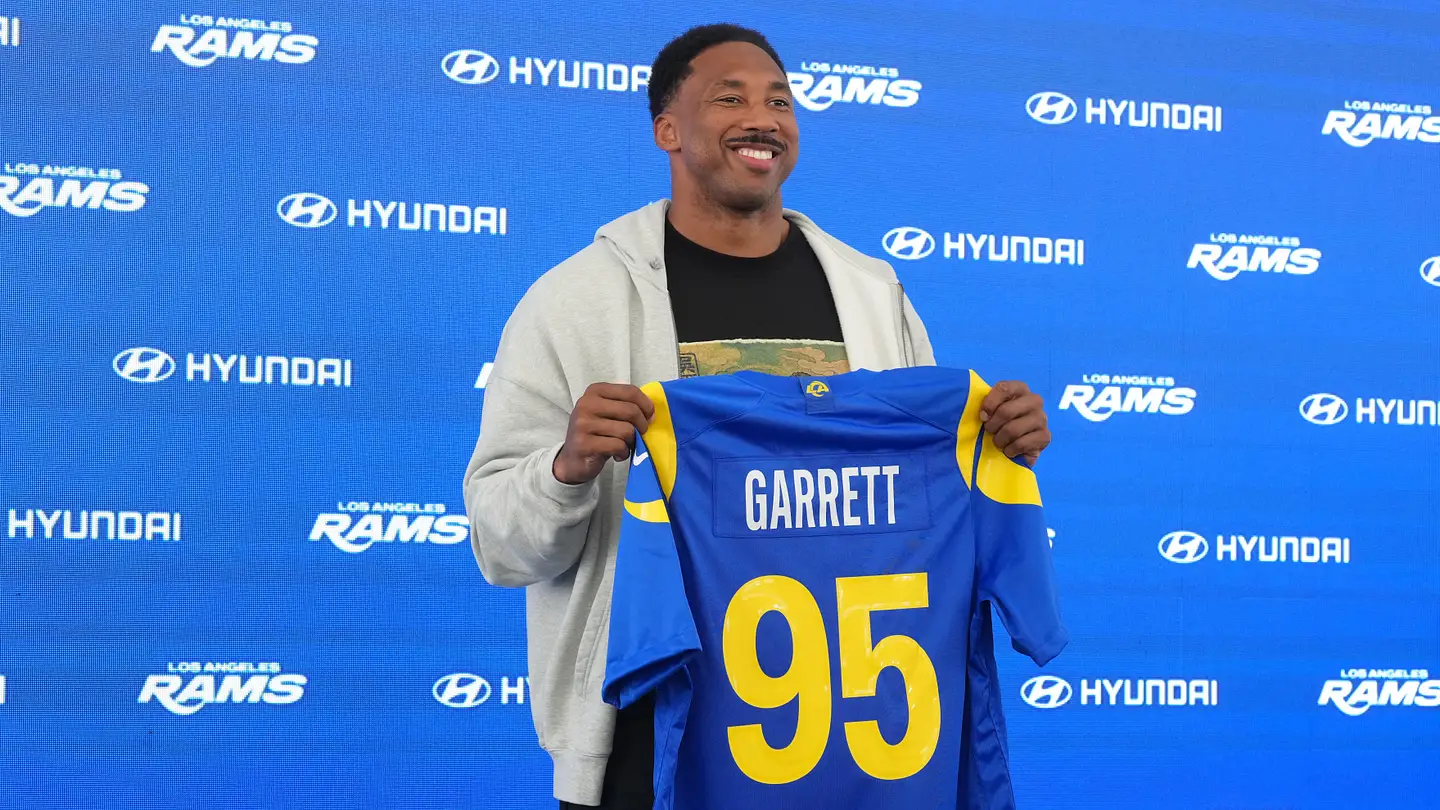
There are annual rites of passage in fantasy football: dynasty rookie drafts in May and the redraft-season ramp-up during the summer. And here I am again, trying to convince fantasy managers to kick boring and irrelevant team defenses to the curb in favor of playing in Individual Defensive Player (IDP) leagues.More strategy. More excitement. More fun. Just more.The idea that IDP leagues are “too complicated” (the first complaint usually uttered by naysayers) is bogus. Just as drafters select wide receivers and running backs who score points for yardage and touchdowns, in IDP, managers select defensive linemen, linebackers and defensive backs who are awarded points for tackles, sacks and interceptions.It’s not rocket science.Yes, the draft is longer, but the last I checked, draft day is one of the highlights of the season. Don’t let fear of a new format prevent you from having more fun playing fantasy football. With just a few strategy tips and a solid set of rankings, you can have a successful IDP draft, whether it’s your first or 15th.You’ll have to settle for my tips and rankings here, but hey, that’ll get you halfway home, right?Know your scoring!Knowing the scoring of a league is one of the most basic tenets in fantasy football, and yet it’s one that is ignored by far too many drafters each year — a mistake that will sink a season before it starts.In IDP leagues, there are two vital things to know about the scoring.The first is the ratio between the scoring for tackles and big plays like sacks and interceptions. If a league is tackle-heavy — a ratio of 3:1 (big plays to tackles) or less — then high-end linebackers are Jimi Hendrix and defensive linemen and defensive backs are Mitch Mitchell and Noel Redding. If an IDP league is big-play heavy (4:1 or higher), then edge rushers and ballhawk defensive backs get a bump in value.The second is how the top IDPs score relative to their offensive counterparts. If you’re in a league where elite defensive players will score on par with high-end WR3s, then they’ll be drafted at similar prices. If your league had (or would have had) Los Angeles Rams edge rusher Myles Garrett finish inside the top-10 overall? Well, then, buckle up; it’s about to get real!When to draft IDPsThere is one question I am asked exponentially more than any other by IDP novices: “When do I start drafting defensive players?” Unfortunately, there’s no one-size-fits-all answer.In the Huddle IDP Expert League (a long-standing IDP league with a fairly standard setup), the first defensive player (Pittsburgh edge rusher T.J. Watt) was drafted with the third pick of Round 7 in 2025. But in the King’s Classic Dick Butkus Division (a league where the IDP scoring is robust), an IDP came off the board in Round 1 a year ago.In a fairly standard IDP league (two starters at defensive lineman, linebacker, defensive back and maybe a flex spot), top defenders will usually start being drafted in Rounds 4-6.There’s a silver lining here though. Inexperienced IDP drafters don’t have to set the pace on defense to field a solid defensive lineup. I’m rarely the manager to draft the first defender. After that first defensive player is taken, a handful of other elite IDPs will trickle off the board. Then, after a round or so, the first real run on defense will happen.Just get in on that run, select a high-end player to build around, and you’ll be fine.Overall top-100 IDPs Full disclosure. I’m not a huge fan of overall player rankings. There is no “draft by numbers” list for IDP players. Overall rankings are no more than a barometer of how positions stack up against one another. Rigid draft strategy is a bad idea. There are too many variables from league to league.Draft flow, league scoring and roster requirements are all major factors — flexibility while drafting is as crucial to success in IDP as on offense. Still, there’s a fairly straightforward blueprint that will produce a defense which will be more asset than liability.
Fantasy football IDP rankings and strategy 2026: Top defensive players to snag
Gary Davenport helps you get you set for your IDP draft, no matter if you are a beginner or a veteran of the format.
1,989 words~9 min read