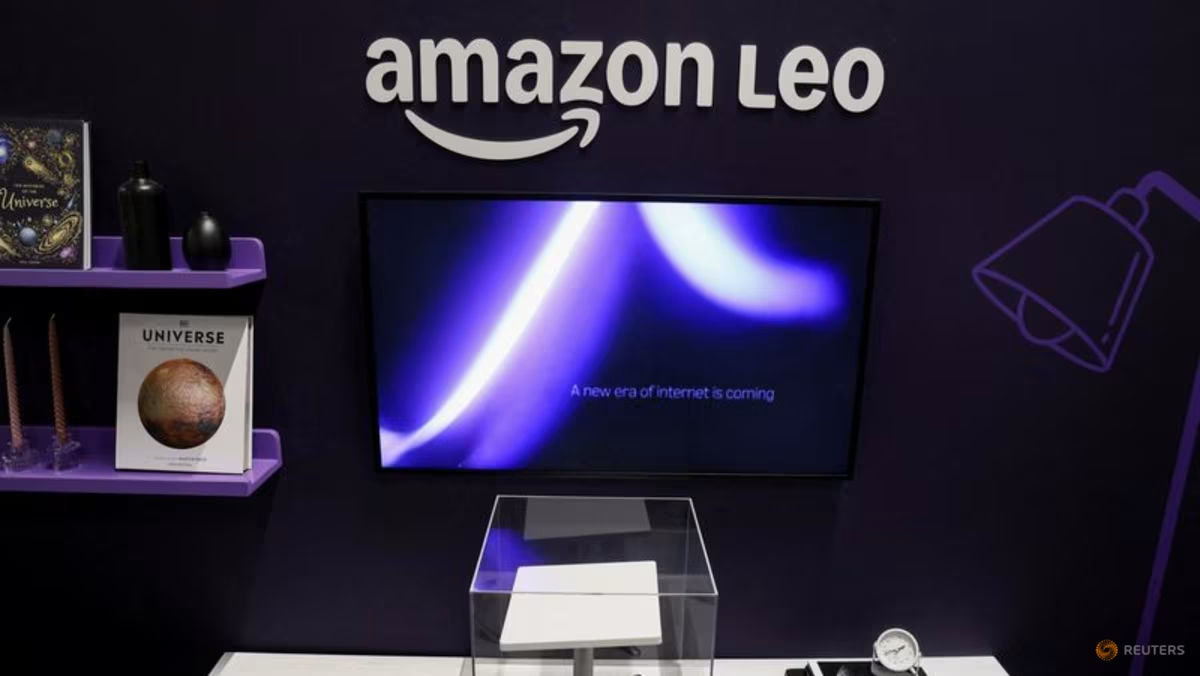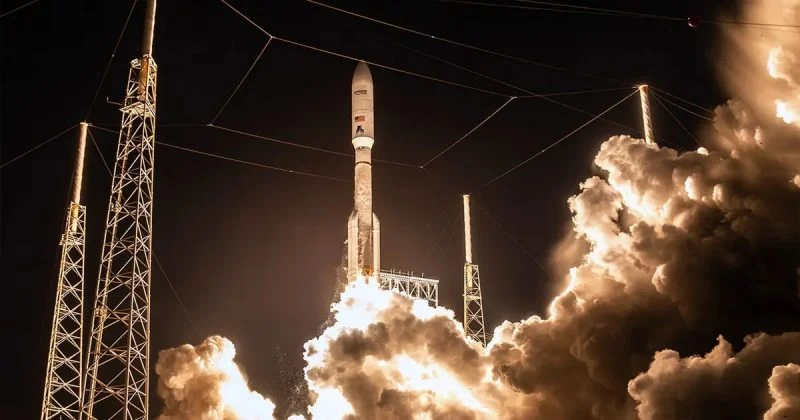
As global satellite companies look beyond broadband internet, Amazon is now targeting the smartphone in your pocket.The company's low Earth orbit (LEO) satellite venture has proposed a constellation of up to 5,105 satellites that would beam voice, messaging and data services directly to smartphones, allowing users to stay connected in remote areas or during network outages.Amazon has sought approval from the US Federal Communications Commission (FCC) to deploy the network, with satellite launches expected to begin in 2028. The service will work in partnership with mobile network operators worldwide and use the mobile satellite spectrum of Globalstar, which Amazon agreed to acquire earlier this year.Also Read: Reliance Jio's 1,600-LEO satellite plan gets IN-SPACe technical nod, moves closer to India's first homegrown constellationIf approved, the move would take Amazon beyond satellite broadband and into the rapidly emerging direct-to-device (D2D) market—a technology that could eventually make "no network" a thing of the past. Instead of relying entirely on mobile towers, compatible smartphones would be able to connect directly to satellites for basic communication services.The race is already underway. SpaceX, AST SpaceMobile and Lynk Global are developing similar satellite-to-phone services, while Globalstar already powers emergency SOS and location-sharing features on newer Apple iPhones.For consumers, the biggest benefit is coverage. Satellite-to-phone connectivity could help people stay connected while travelling through remote areas, hiking, sailing or during natural disasters when terrestrial mobile networks are unavailable.Amazon's ambitions also extend to India, one of the world's fastest-growing connectivity markets. Speaking at the IAFI Space Policy Conference 2026 last week, Chris Hofer, Head of International Spectrum Management and Strategy at Amazon LEO, said the company sees India as a key market because of its digital-first economy and the need to connect underserved regions.Also Read: Amazon eyes India as Project Kuiper constellation nears 400 satellites"Amazon LEO's mission and goal is to connect the unconnected and the unserved," Hofer said, adding that the company already has nearly 400 satellites in orbit and is manufacturing more than 15 satellites a week.Amazon is among several global players, including SpaceX's Starlink and Eutelsat OneWeb, looking to expand satellite connectivity in India. While those companies are primarily focused on broadband internet, Amazon's latest proposal signals that the next frontier could be bringing satellite connectivity directly to the smartphone in your pocket.
Amazon eyes 2028 launch for direct-to-phone satellite network
Amazon's satellite venture plans to connect smartphones directly to space. This new service aims to provide voice, messaging, and data globally. Launches are expected to begin in 2028, with FCC approval pending. India is a key market for connecting underserved and unserved populations. This move signals a new frontier in satellite communication technology.
377 words~2 min read