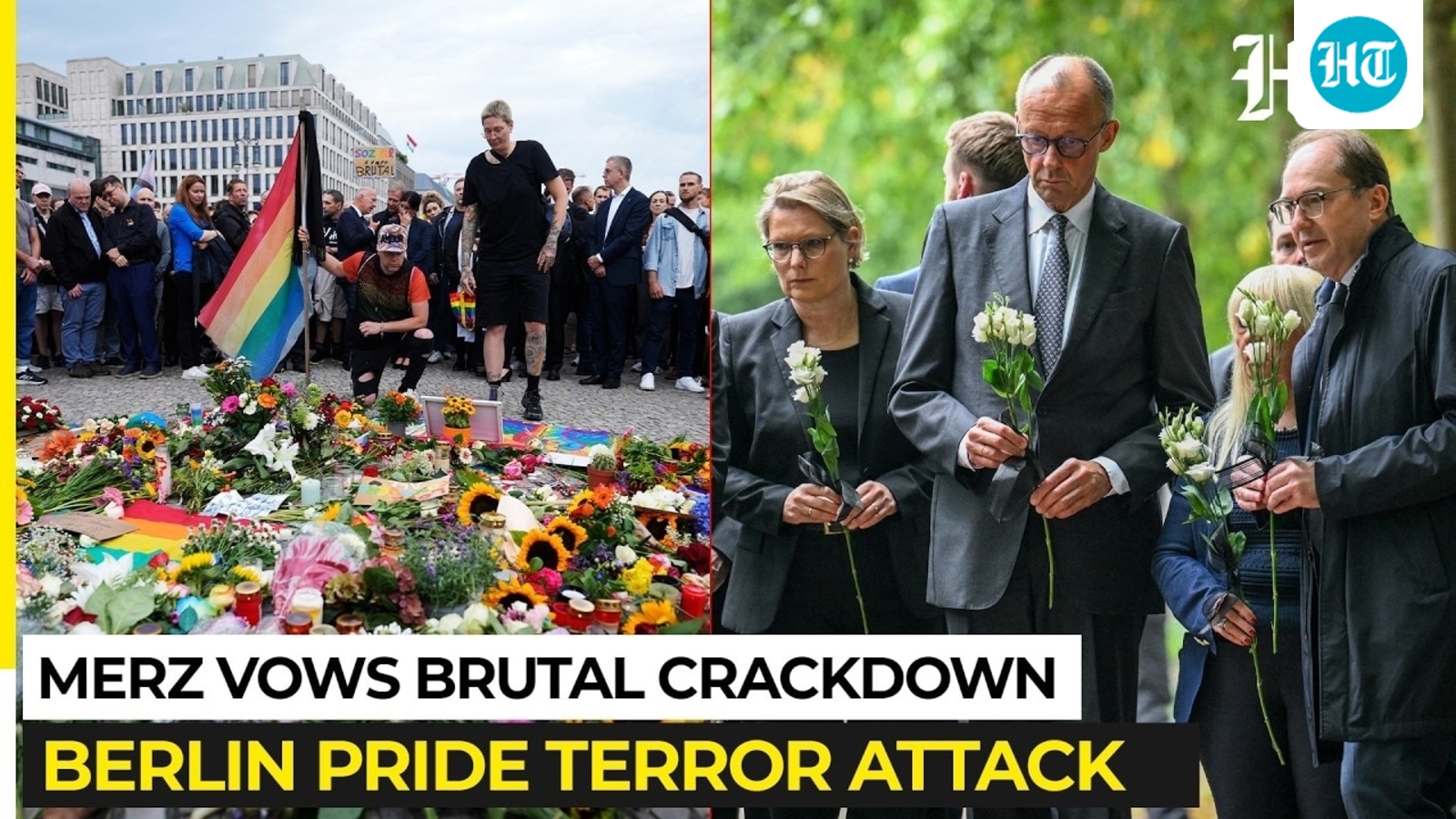
Berlin (AFP) – The German government on Monday pledged tougher security laws following a deadly vehicle and machete attack blamed on a known jihadist militant near Berlin's Pride parade.
Issued on: 27/07/2026 - 17:06Modified: 27/07/2026 - 17:46
4 min Reading time
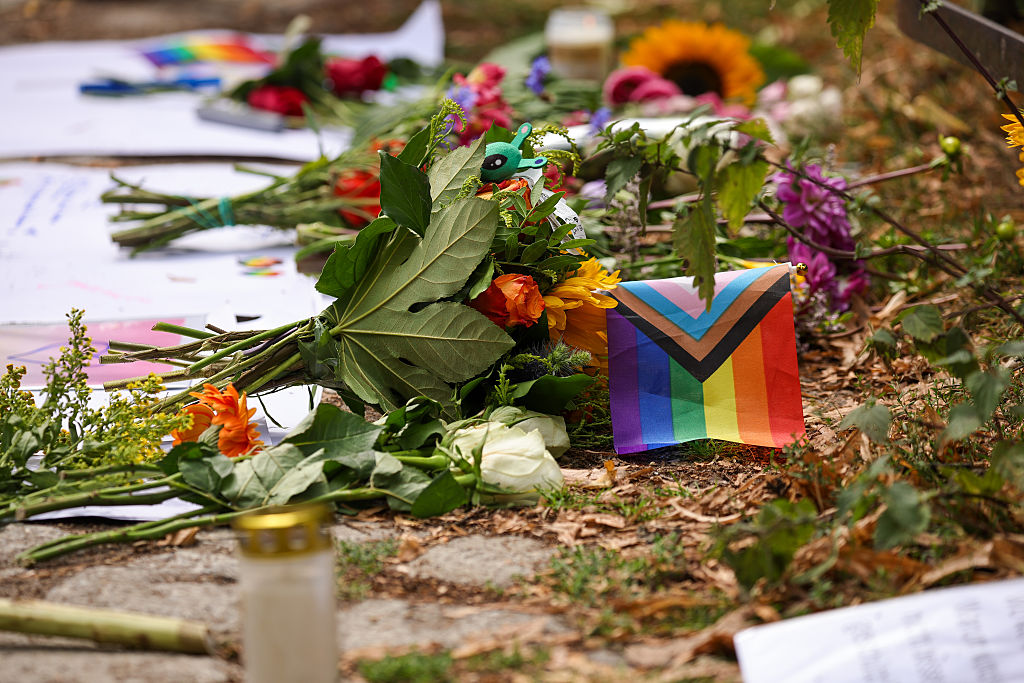
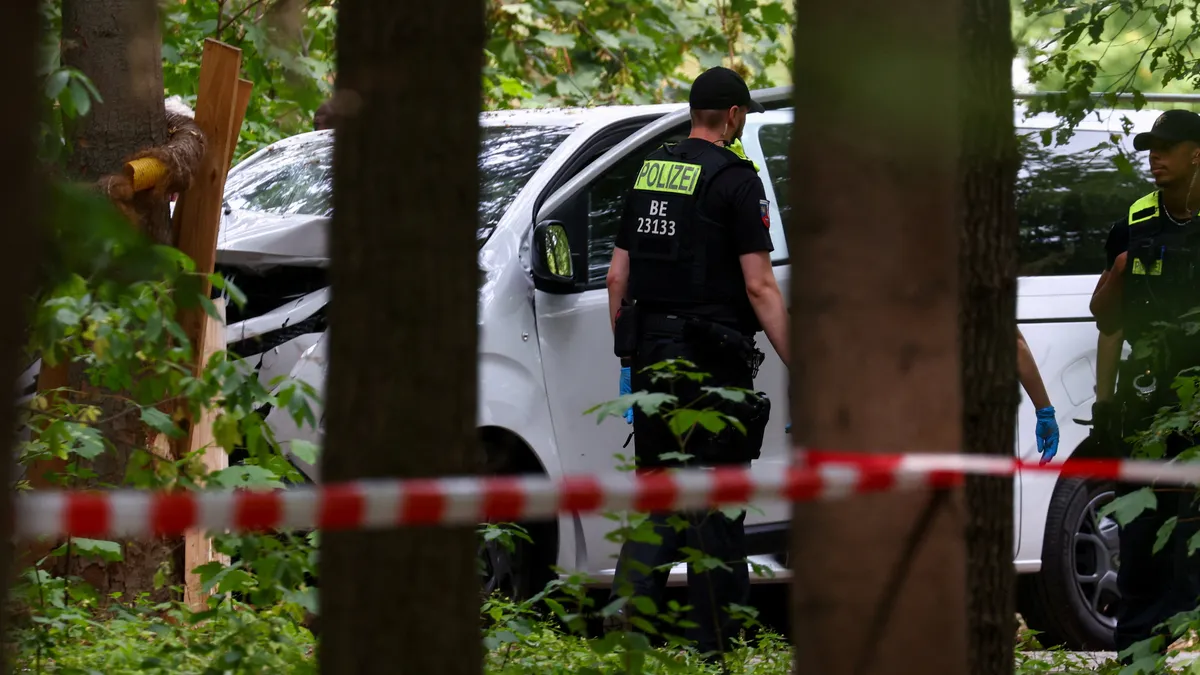
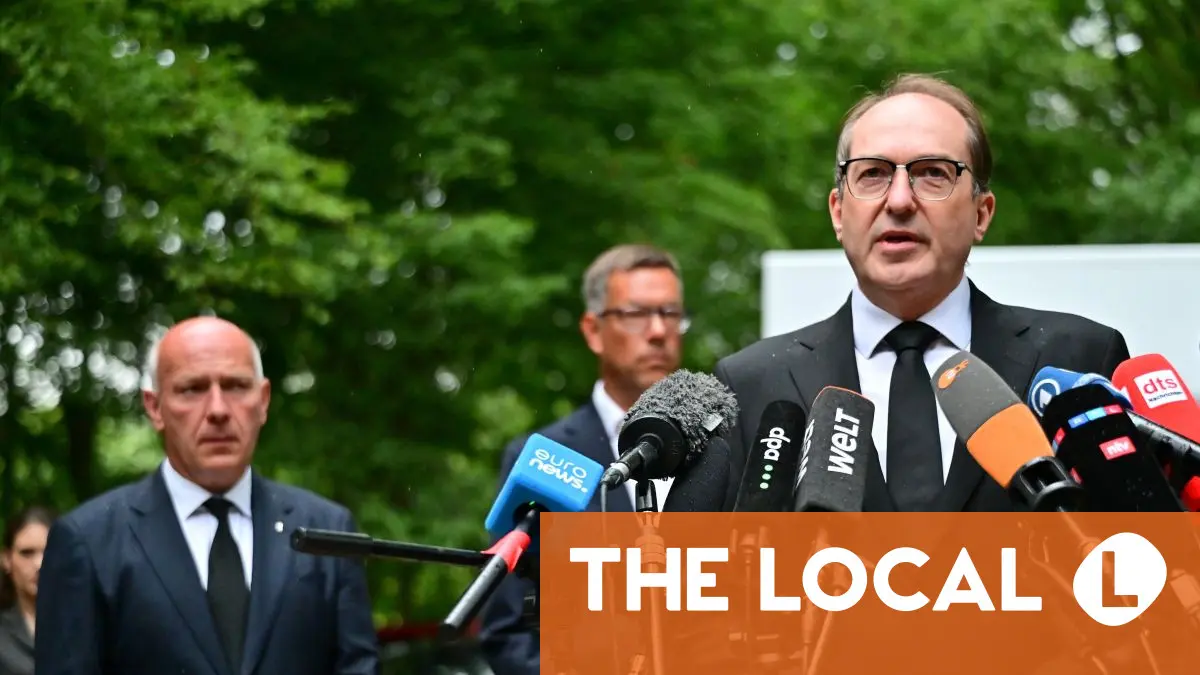
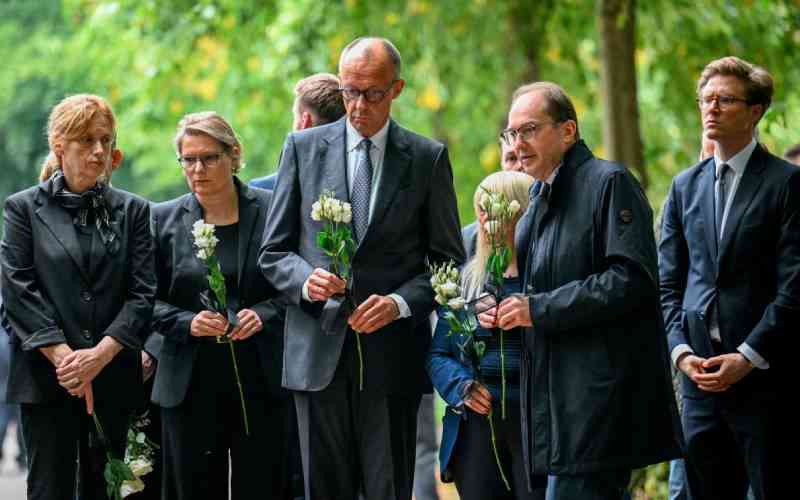
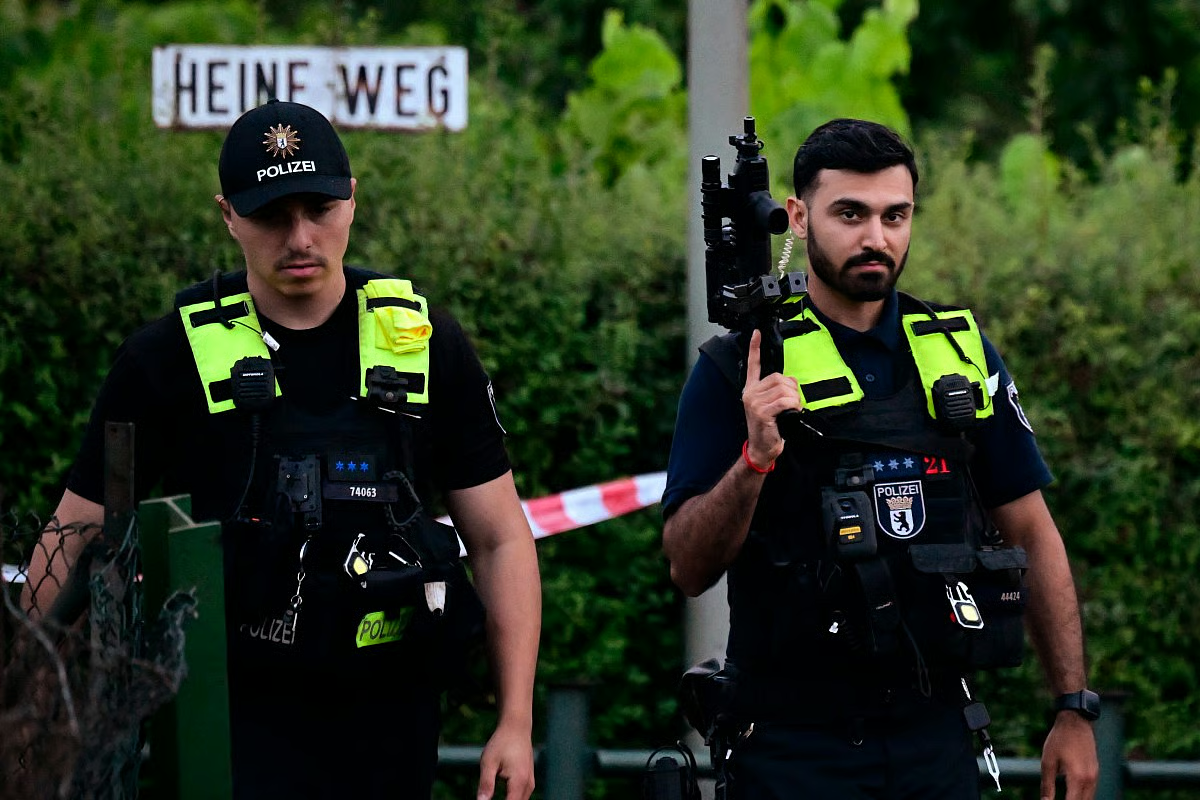
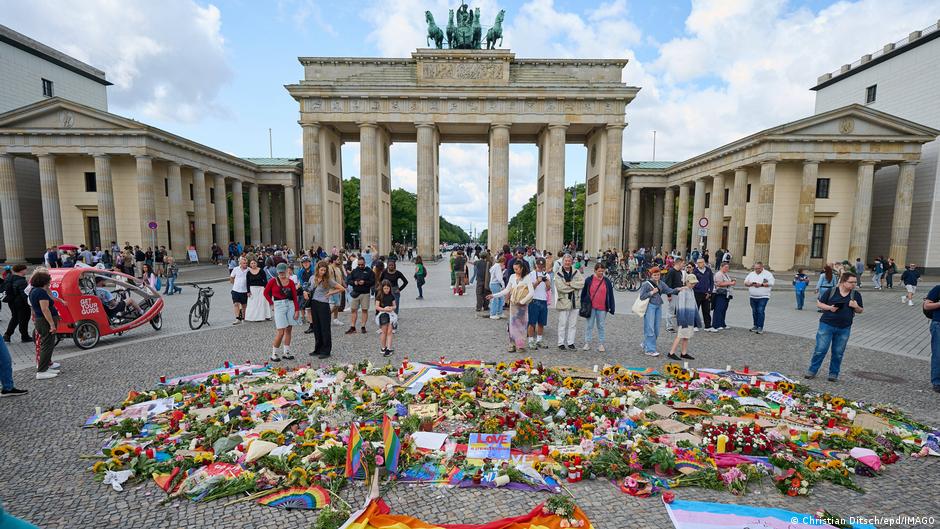
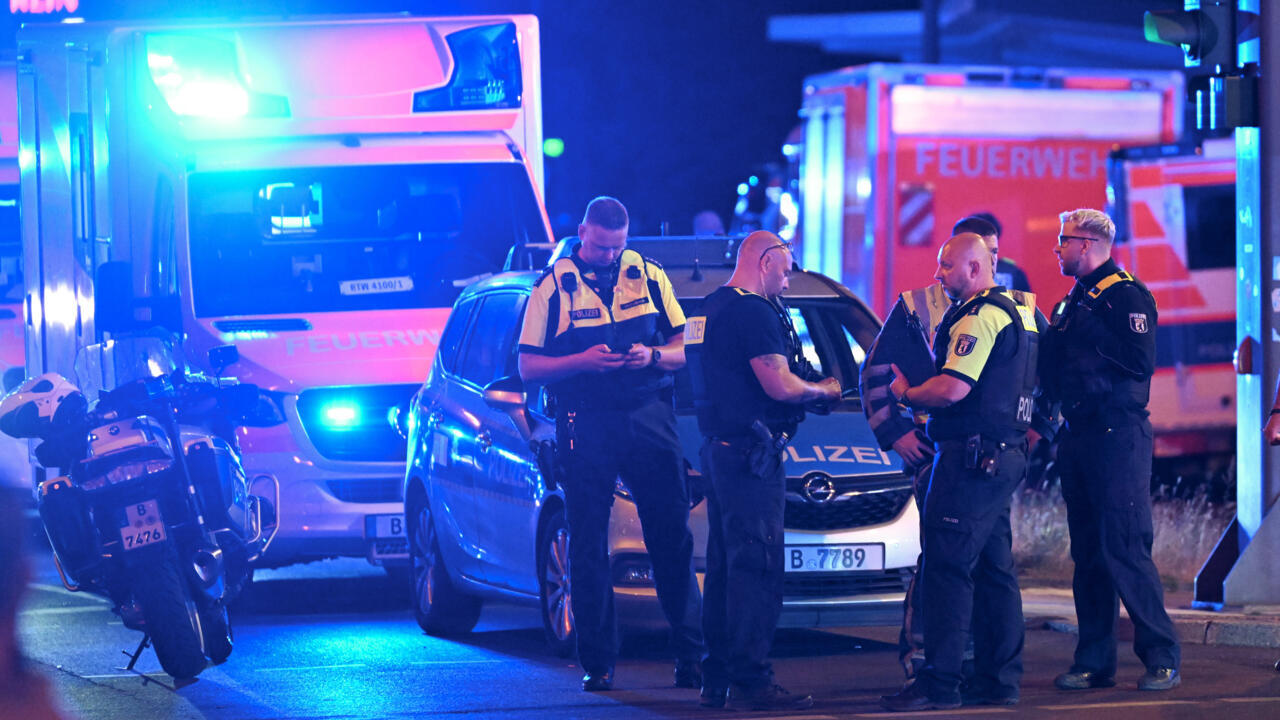
The attacker on Saturday ploughed a rented minivan into a crowd before slashing away at people with a machete, killing a 65-year-old Polish woman and wounding 29 others near the site of the LGBTQ community event.Politicians, security experts and a police union asked why Abdul Ballout, 21 -- who was shot dead by police on Sunday -- was walking free and not under close surveillance despite previous convictions by a juvenile court and an attempt to join the so-called Islamic State group."The danger from this man was underestimated," Rolf Tophoven of the Institute for Terrorism Research and Security Policy told AFP, echoing widespread concerns.Interior Minister Alexander Dobrindt, speaking to Bild daily, announced plans to toughen laws, including the increased use of electronic ankle monitors and preventive detention for individuals classified as security threats, without saying when such a bill may be introduced. He also called for a reform of juvenile criminal law, which in Germany can cover defendants for offences committed up to the age of 20, arguing that "applying juvenile criminal law to adult individuals posing a security threat is unacceptable".Saturday's attack shocked Germany and sparked a nationwide manhunt. Police commandos searching for the suspect Ballout shot him dead on Sunday evening as he approached them with a bladed weapon in an allotment complex in the capital's western Spandau district.Prosecutors said Ballout, a German citizen with Lebanese roots, had previous convictions for causing bodily harm, extortion and robbery and had attempted to join the IS group in Syria.