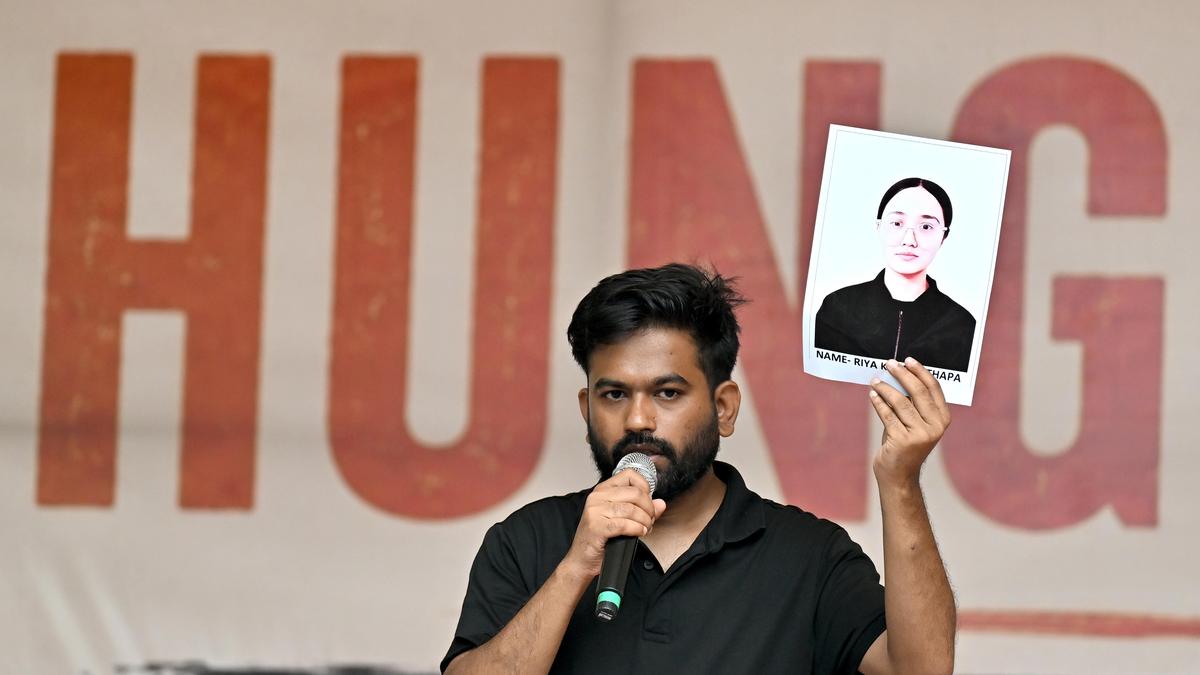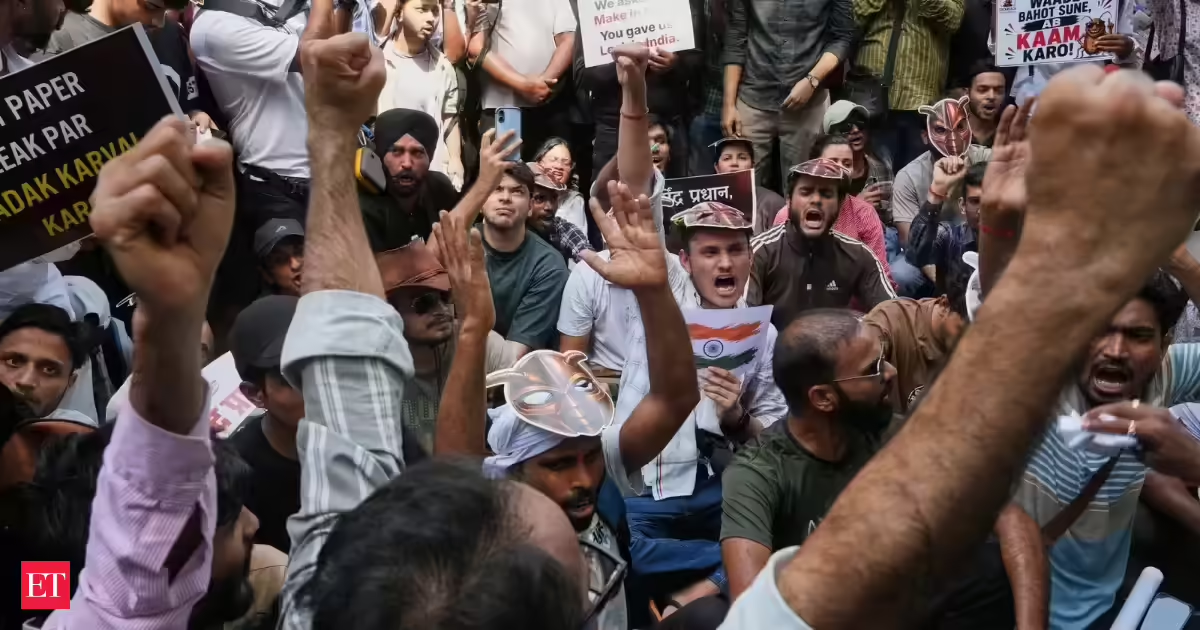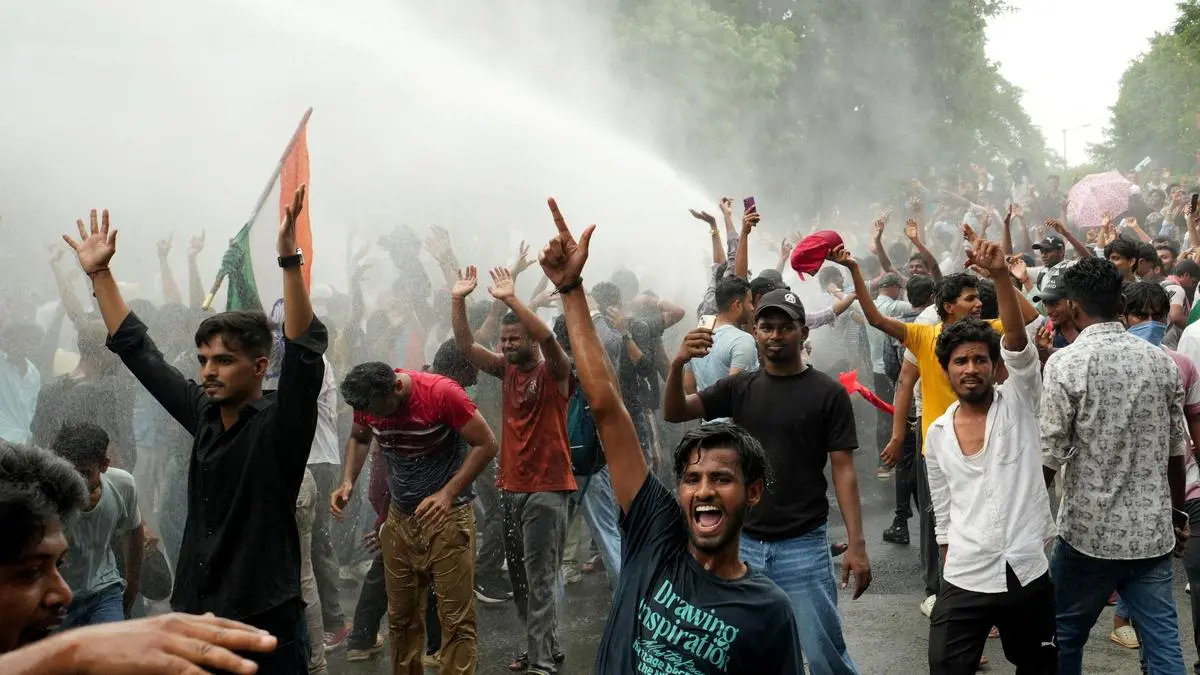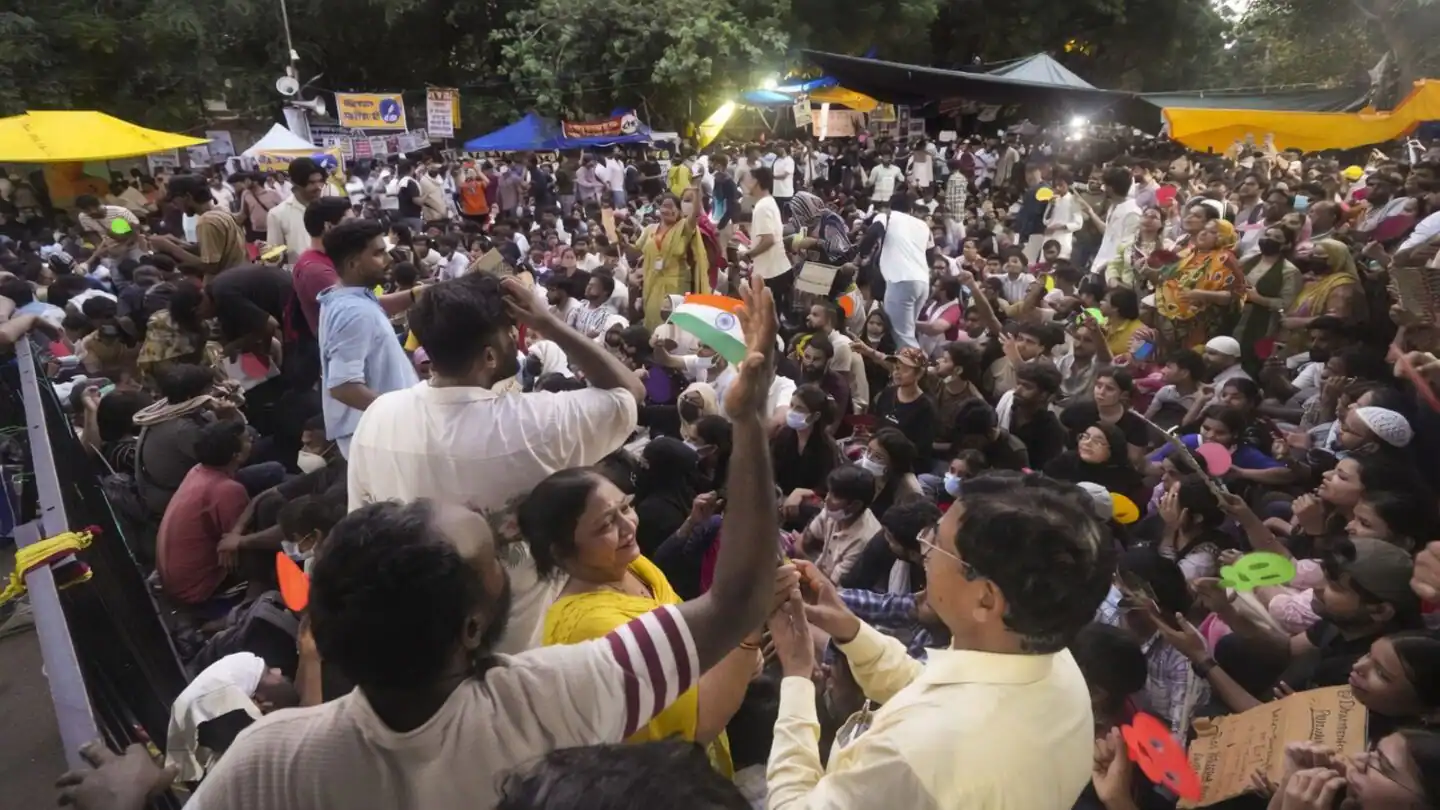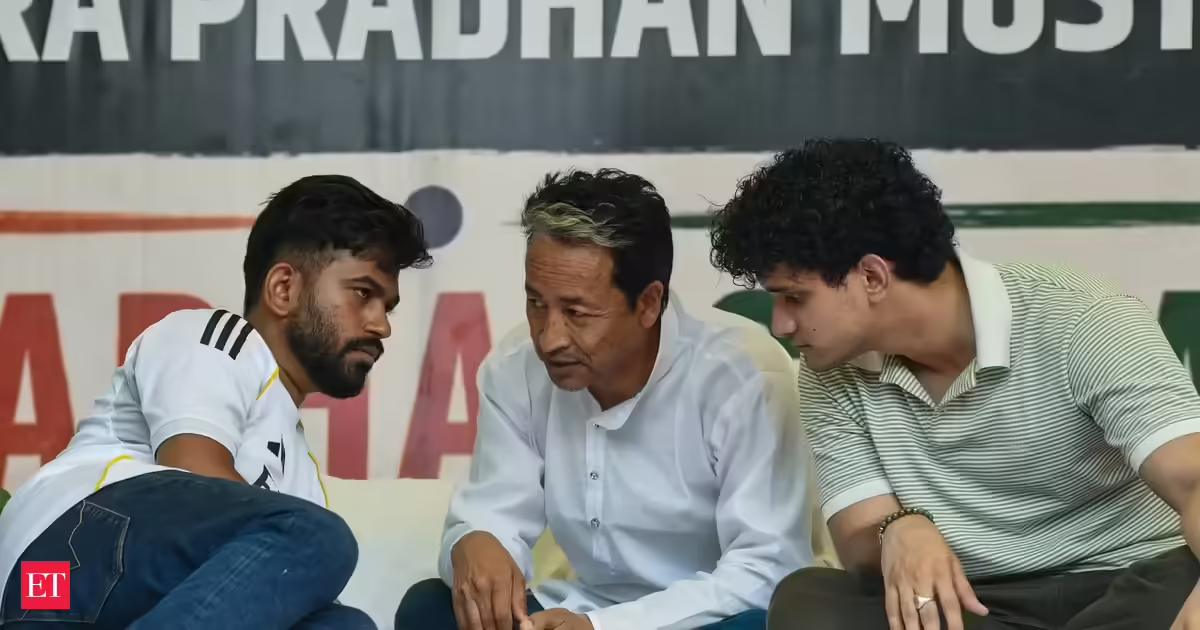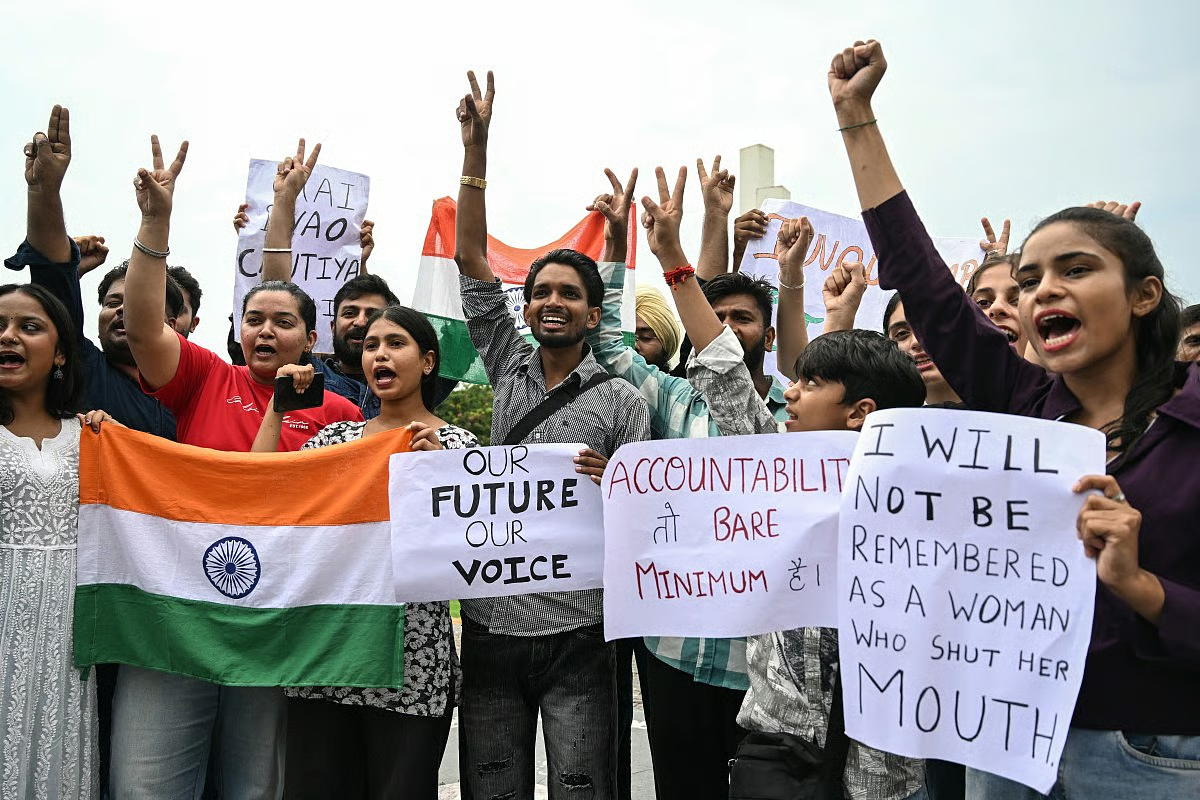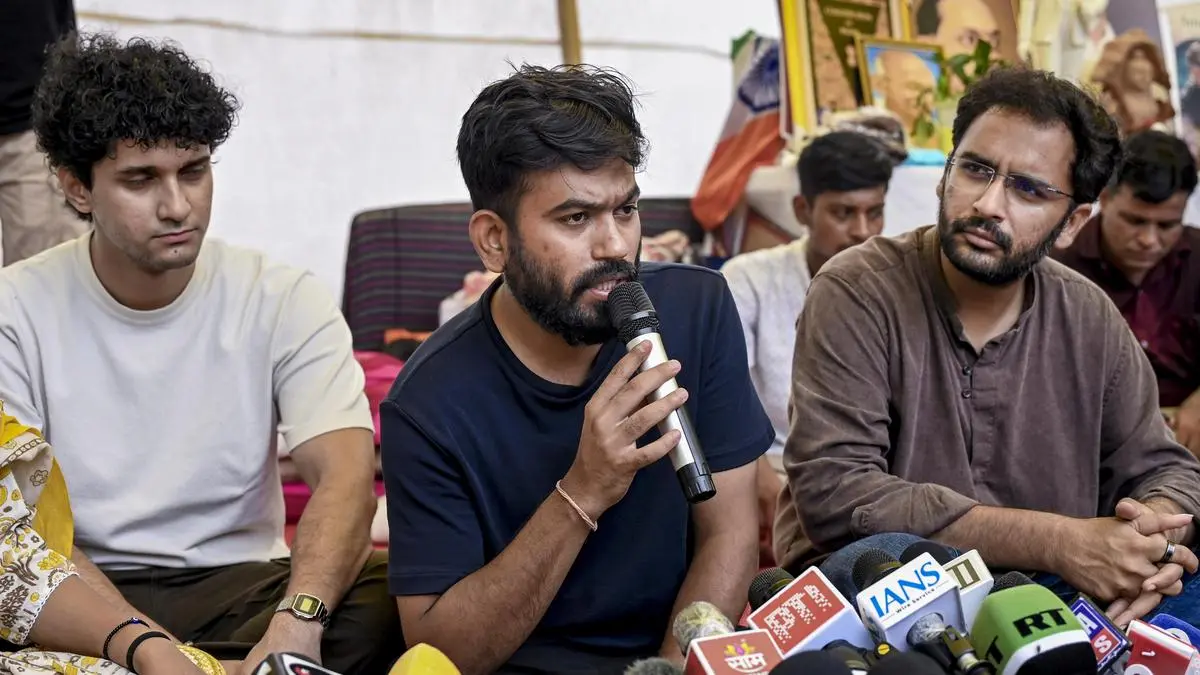
Cockroach Janta Party (CJP) founder Abhijeet Dipke addresses a press conference as party spokepersons Saurav Das and Ashutosh Ranka look on, amid the ongoing protest over NEET paper leak issue, at Jantar Mantar, in New Delhi (file photo)
| Photo Credit:
After being pushed on to the backfoot by the student protests, the Centre has taken two steps — tabled an amendment to the Public Examinations (Prevention of Unfair Means) Act, 2024 and set up a panel to sweep the National Testing Agency clean, as it were. The NEET exam papers were leaked in 2016, 2021, 2024 and 2026. The amendment looks at a higher punishment term and speedier trials. Fast track courts can make a difference, provided those who are punished are not either scapegoats or minnows in paper leak syndicates, but those at its epicentre.That they are a well organised lot is obvious, given the impunity with which they operate across States, leaking a range of exams with no fear of repercussions. As has been observed with other laws (such as those pertaining to rape), severity of punishment does not necessarily act as a deterrent. Therefore, the focus needs to be on ex-ante rather than ex-post measures. The panel that looks into the workings of NTA should be making systems robust and transparent. What is manifestly lacking is accountability and transparency in the workings of NTA, a body which determines the futures of millions of students. It is high time that the NTA be made an organisation that is accountable to Parliament, and subjected to CAG audits. Its governance cannot merely be a subject of periodic investigations by committees, whose reports and recommendations lack statutory force and are easily forgotten. The country and its students also deserve an inquiry into how recent and earlier leaks have occurred.But above all, it is important to come to terms with a broader, overarching reality that creates the incentive for leaks — namely, the dizzying demand for a medical seat, and the ridiculously few seats on offer. A competitive exam that sieves out less than 1.5 lakh students from 2.2 million is an exercise in absurdity. There are millions of students who want to become doctors, but are unable to do so. It is worth considering whether all of them are truly unworthy. Cashing in on this growing desperation to become doctors are coaching agencies — and the exam leak mafia. It is inexplicable why the supply of medical college seats has not grown to meet demand, with the government taking the lead. India’s doctor to patient ratio is over 1:1000 (when AYUSH practitioners are excluded), compared with 1:400 or so in China, 1:380 in the US. The NEET exam and the medical college system should be producing more doctors at lower cost. To this end the medical education system needs an overhaul that begins with improving the supply of colleges. Budgetary constraints towards this end must be addressed.The State will have to take the lead, since commercial and political interests are deeply invested in this rapacious system — from medical colleges that charge crores for a seat to an exam that seems liable to be gamed. The NEET exam fiasco has its roots in political economy and public finance, and must be recognised as such.Published on July 27, 2026