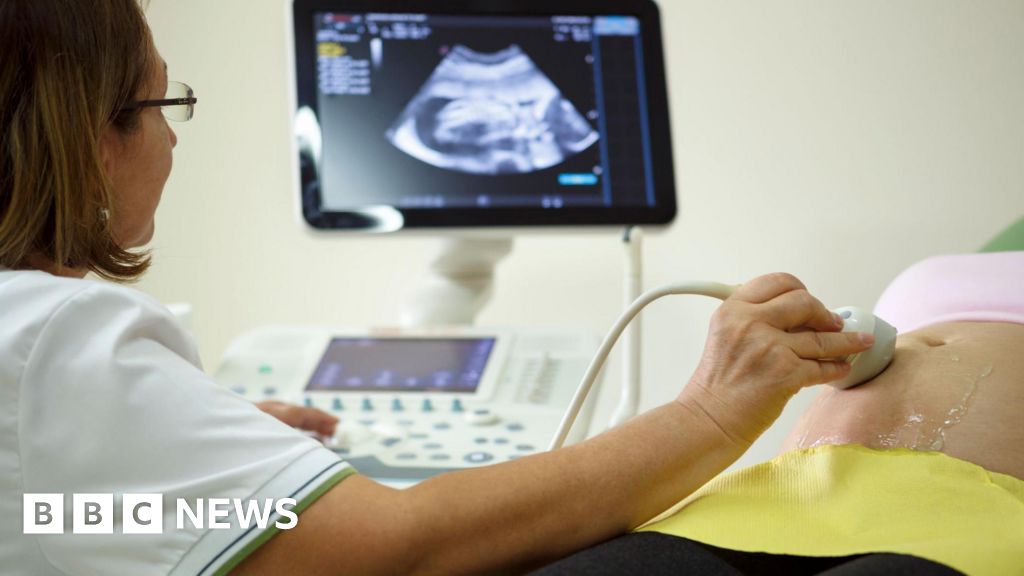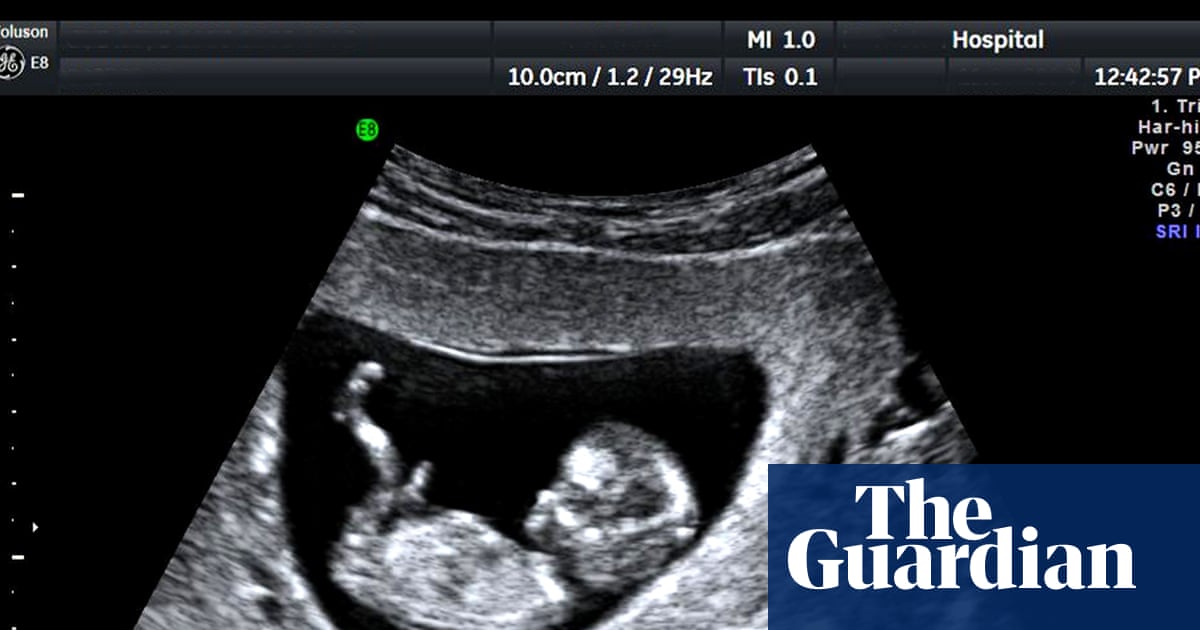
It follows calls for a third trimester ultrasound scan to become routine under the NHS15:24, 27 Jul 2026Updated 15:51, 27 Jul 2026The Government is prepared to consider implementing a routine third trimester pregnancy ultrasound scan if experts advise them to, it has announced in a major health update. Currently, NHS hospitals in England offer at least two ultrasound scans during pregnancy - one at 11-14 weeks, and a second between 18-21 weeks.Ultrasound scans, which last usually between 20-30mins, are used to assess the health of the baby while in the womb. It is your choice whether to have one or not. There are no known risks to the baby or the mother from having an ultrasound scan.But the Government has now confirmed that it is open to the idea of a routine third scan, should it be suggested by the UK National Screening Committee. The update comes after a petition launched on the Government website on March 23, 2026 reached 10,000 signatures, prompting a response.The petition, entitled 'Require NHS to offer routine third trimester pregnancy ultrasound scan', was launched by Louise Thornton and now has 10,072 signatures. The Government is obliged to respond once it reaches 10,000 signatures.She said: "As a mother of a baby born via emergency c-section due to missed foetal compromise I urge the Government to require the NHS to offer a routine third trimester ultrasound scan. I think this could reduce emergency c-sections, stillbirths and lifelong disabilities due to missed foetal complications."Currently the NHS offers two routine scans, one at 12 weeks and one at 20 weeks. After this the baby's health is relied upon fundal height, parent blood pressure, dipstick urine tests, and a minutes-worth of doppler use every 2-4 weeks. I believe that not only are these methods outdated, but can also miss growth restrictions, reduced foetal heart rate and placental issues. I therefore call for the NHS to offer routine third trimester scans, which could detect issues earlier, medical intervention can be involved sooner and emergency c-sections reduced."The Government responded: "The Government would consider a routine NHS third trimester ultrasound scan in the event of an evidence-based recommendation from the UK National Screening Committee. A call for new proposals is open."National Institute for Health and Care Excellence (NICE) antenatal care guidance recommends offering two routine ultrasound scans: one in the first trimester, and one at around 20 weeks. For pregnancies classified as low-risk, NICE advises that additional routine scans after 28 weeks do not provide significant benefits and should not be offered as standard practice. Instead, NICE recommends targeted scanning based on clinical need."Antenatal and newborn screening programmes are offered to women during pregnancy and to the baby after birth. The NHS offers screening for over 30 conditions during this time, including a 20-weeks scan for women, which screens for 11 physical conditions identifiable at this stage in development. Screening and treatment of babies prevents deaths and disabilities and improves quality of life in more than 1,000 children per year."Mandating a routine ultrasound for all women in the third trimester when there are no specific clinical symptoms would be considered a screening programme. The Government is advised on all screening matters by the independent UK National Screening Committee (UK NSC), which consists of leading medical and screening experts."Screening can cause harm, so the UK NSC will only recommend screening if it is confident that there is robust evidence that offering screening will do more good than harm. We have not asked the UK NSC to look at providing a routine third ultrasound scan in the third trimester of pregnancy to identify medical issues."Recent studies, such as the IRIS study, have explored routine third trimester ultrasound combined with biomarkers which suggest improved detection of small babies but there remains insufficient evidence that universal screening alone reduces stillbirth. However, the UK NSC welcomes any new evidence which suggests the case for a new or modified screening programme via its open call, which opened on 1 July and closes on 30 September 2026."The NHS has multiple initiatives in place to support fetal, neonatal and newborn safety, such as the Saving Babies Lives Care Bundle (SBLCB) and the Avoiding Brain Injury in Childbirth Programme."The SBLCB is a package of evidence-based interventions to support staff to reduce stillbirth, neonatal brain injury, neonatal death and pre-term births. This includes guidance on managing multiple pregnancies to ensure optimal care for the woman and baby. Element 2 of SBLCB focuses on fetal growth risk assessment, surveillance and management. Implementation of the SBLCB is supported through NHS Resolution’s Maternity Incentive Scheme, which provides a strong financial incentive to encourage its adoption and consistent use. As part of Safety Action 6 in Year 7 of the Maternity Incentive Scheme (2025/26), NHS trusts were required to demonstrate they were on track for full implementation of SBLCB v3.2. The results from Year 7 show that, as at April 2026, 117 out of 119 (98% of) trusts were compliant with Safety Action 6."Fetal and maternal wellbeing are continuously risk assessed during labour. The Avoiding Brain Injury in Childbirth Programme, backed by £7.8 million in funding, is working to improve maternity outcomes by enhancing the identification and management of fetal distress during labour and the obstetric emergency of impacted fetal head at caesarean birth. NHS England is leading on national implementation. Through this programme we will seek to improve clinical practice, communication and care for women and families, resulting in better outcomes and experiences. The project will help maternity staff improve clinical practice in detection and response to suspected intrapartum fetal deterioration and management of impacted fetal head at caesarean birth. The programme will be fully implemented by March 2027."Baroness Amos published her final report and recommendations of the national independent investigation into NHS maternity and neonatal care on 30 June. Her investigation found that women and families are not being listened to, accountability is not being delivered when things go wrong, and that racism and discrimination are driving inequalities in outcomes."The National Maternity and Neonatal Taskforce, which is comprised of family representatives, clinicians and other experts, and chaired by the Secretary of State, will develop a new national action plan. We will publish the action plan by the end of the year. Once published, the Taskforce will hold the system to account for implementing the action plan and improving outcomes and experiences for women, babies and families, as well as staff."Michelle Welsh MP, as the government’s first Maternity and Neonatal Adviser, will continue to work directly with families, the government, the NHS and maternity organisations to push for better, safer care for mothers, babies and families."Ultrasounds during pregnancyThe first routine scan normally takes place after 12 weeks, and is called a 12-week scan. This is when you are given a due date, as well as your baby's size. It can include a nuchal translucency (NT) scan, which is part of the combined screening test for Down's syndrome, if you choose to have this screening.The second scan is known as a 20-week screening scan, and usually takes place between 18 and 21 weeks of pregnancy. It is also known as the anomaly scan or mid-pregnancy scan as it checks for 11 different physical conditions. You can usually learn the results of the scan immediately.Finding out the sex of your baby is not offered as part of the national screening programme, but you may be able to during your 20-week scan. It depends on the policy of your hospital.A growth scan, or third trimester scan, can take place at any time between 24 and 41 weeks gestation. They are often recommended if your are defined as a 'high-risk pregnancy'. Urgent Growth scans are sometimes required for the following reasons:Recurrent episodes of reduced fetal movementsDiagnosis of a medical conditionSlowing measurement or small measurement when the midwife measures the symphysis fundal height (the measurement of your bump)Slowing growth on a serial growth scanArticle continues belowThe sonographer will take several measurements which will give us a representation of your baby’s wellbeing. Assessing these factors can tell us if a baby is growing well or may need further intervention.At the end of the scan, the sonographer will plot the estimated weight of your baby on the electronic chart (Intergrowth 21st Chart). This will tell us if your baby’s weight and the pattern of growth is perceived to be normal for you.If the growth of your baby is slowing down or your baby measures below the 10th centile or above the 97th on your GROW chart, you may need some extra scans and appointments to keep a closer eye on your pregnancy.
Government prepared to consider major change to pregnancy scans
It follows calls for a third trimester ultrasound scan to become routine under the NHS
1,429 words~6 min read