Archaeologists excavating in the world-famous Temple of Artemis in Izmir have uncovered an extraordinary 1,200-year-old Byzantine grave containing premature twin infants. The burial and a rare anatomical anomaly identified in one of the babies, is offering new insights into infant mortality and genetics in the medieval period.
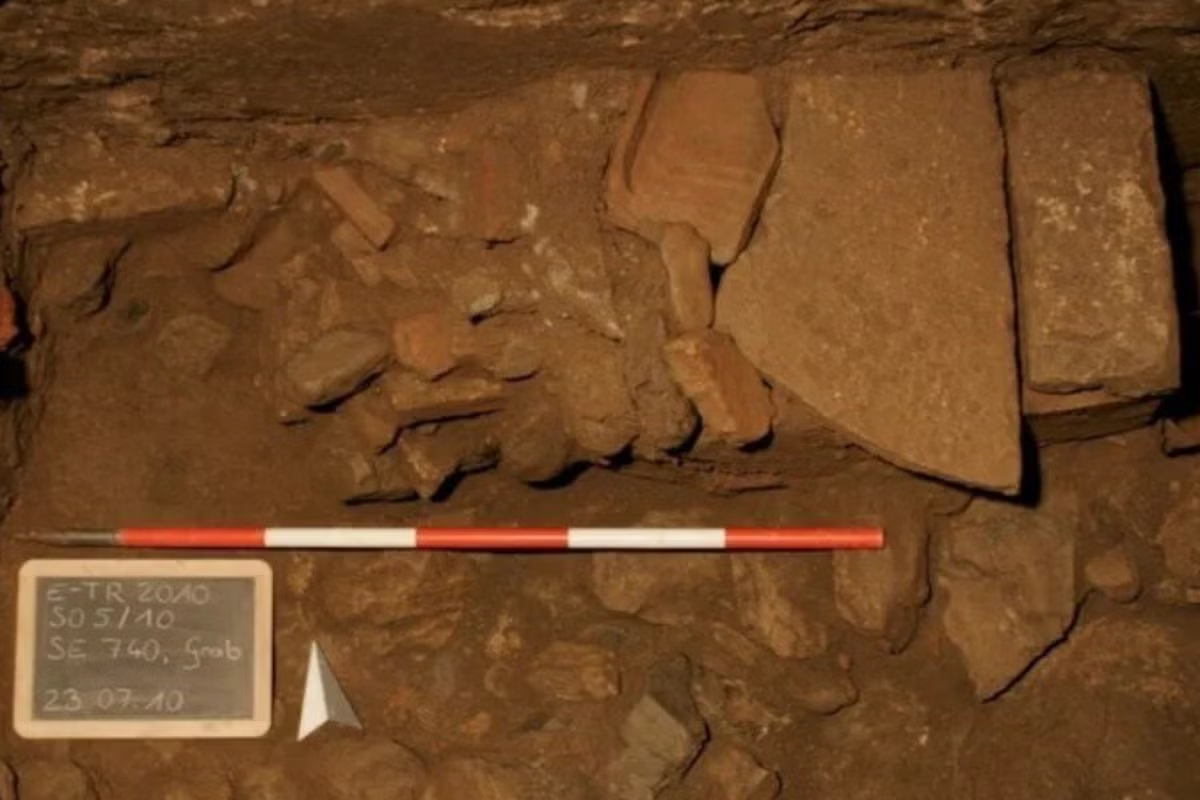
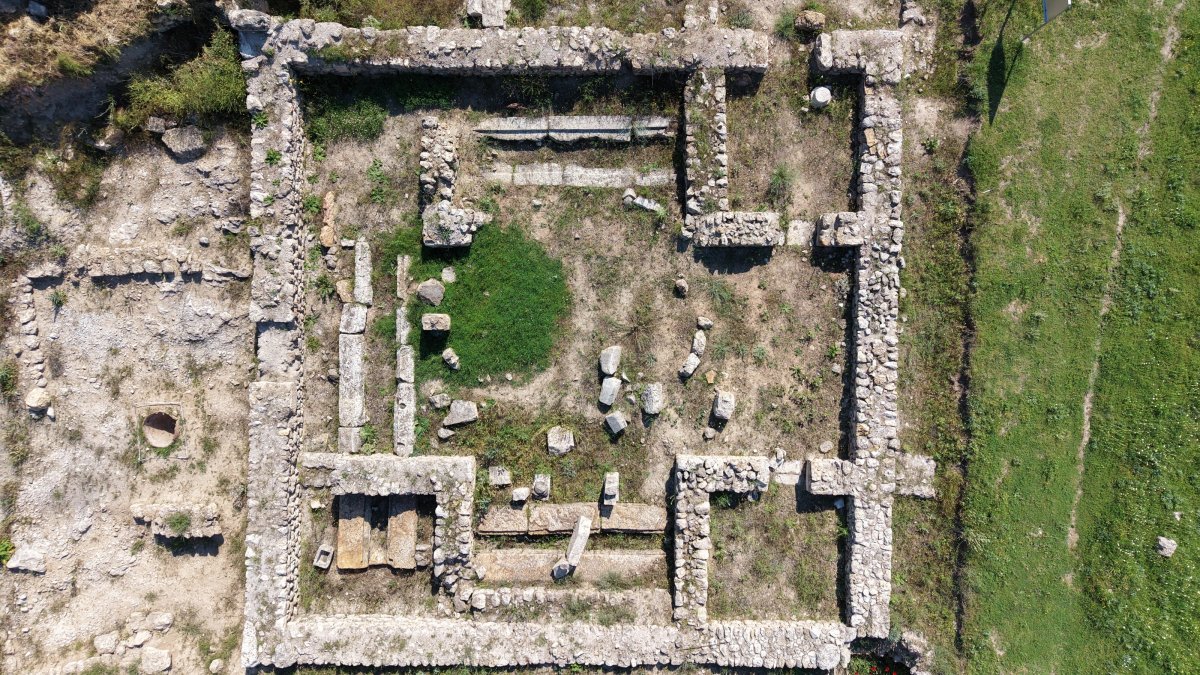
According to Live Science, the discovery was made during excavations near the Temple of Artemis at the ancient city of Ephesus, one of the Seven Wonders of the Ancient World. Within the sanctuary, archaeologists uncovered an unusual grave unlike any previously found at the site.
One of the most striking aspects of the find is the grave's location. The twins were buried inside the channel of an abandoned Roman latrine dating to the second or third century A.D. The latrine had been added to a Roman odeum, originally built in the first century A.D. for musical performances within the sanctuary of the Temple of Artemis.
Premature Byzantine twins
According to a study published in the journal Childhood in the Past, the stone-lined grave dates to the Middle Byzantine period, around the eighth or ninth century A.D. By examining the size of the skeletal remains, researchers determined that the infants were born prematurely at approximately 33 to 34 weeks of gestation.