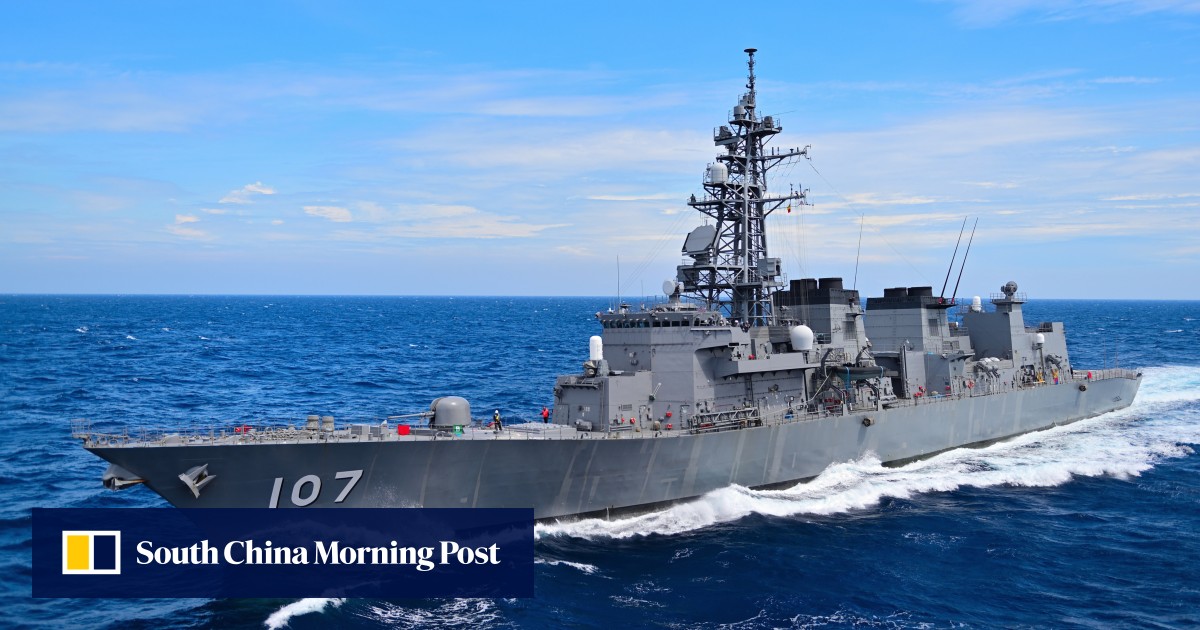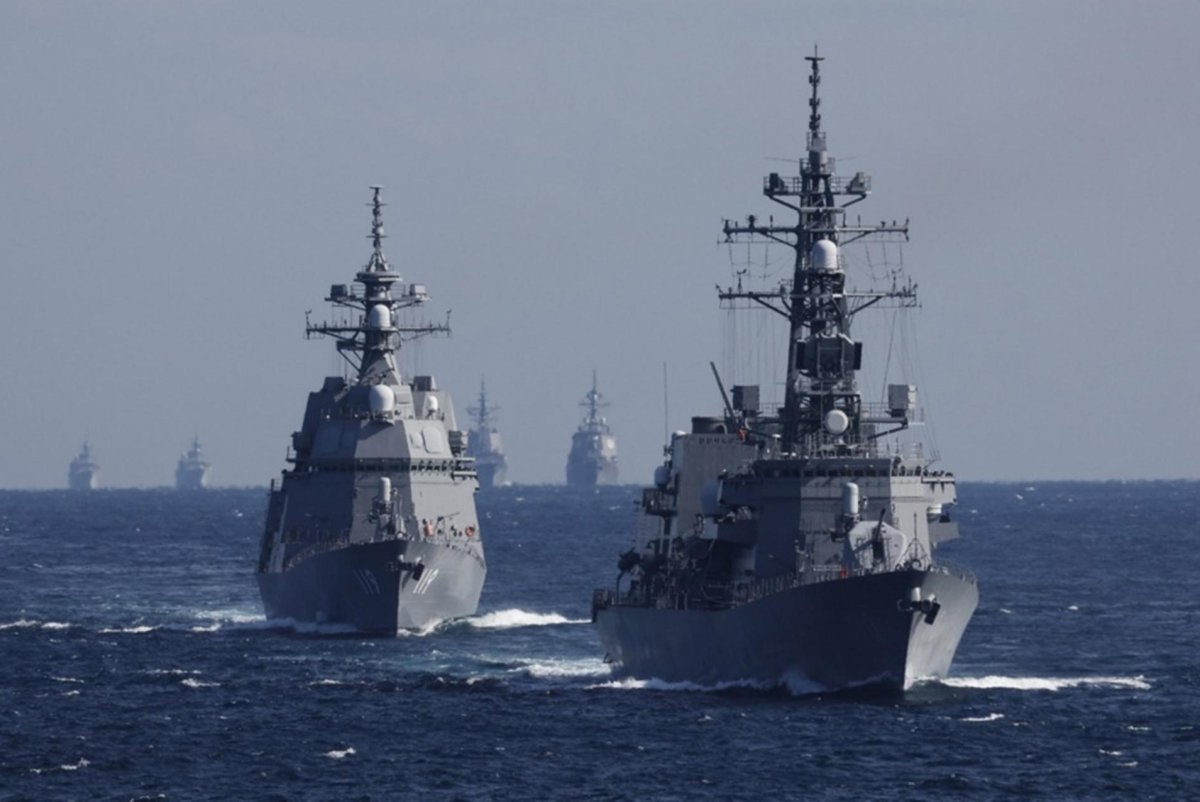
In April 2026, a Murakami-class Japanese Maritime Self-Defense Force (MSDF) destroyer transited the Taiwan Strait. Such passages have become more frequent amid rising tensions over Taiwan since 2025. Yet this instance triggered an unusually strong reaction from China. The reason was not the transit itself, but its timing. It occurred on April 17, the anniversary of the 1895 Treaty of Shimonoseki, which ended the First Sino-Japanese War. In Chinese historical narratives, the Treaty of Shimonoseki is part of the “Century of Humiliation.”
Chinese commentators quickly interpreted the timing as deliberate. Some viewed it as a symbolic reminder of imperial victory. Others saw it as a signal of strategic intent toward Taiwan. Japanese officials offered no indication that the date carried symbolic meaning. It may have been coincidence. But the dispute highlights a deeper structural problem in East Asian security. States do not only react to actions; they react to meanings. And increasingly, those meanings are determined not by present behavior but by historical memory.
For decades, analysts have explained East Asian tensions through familiar geopolitical factors: military modernization, alliance politics, maritime disputes, and Taiwan’s strategic importance. These remain essential, but they can’t fully explain why relatively minor events generate outsized political controversies between China and Japan.