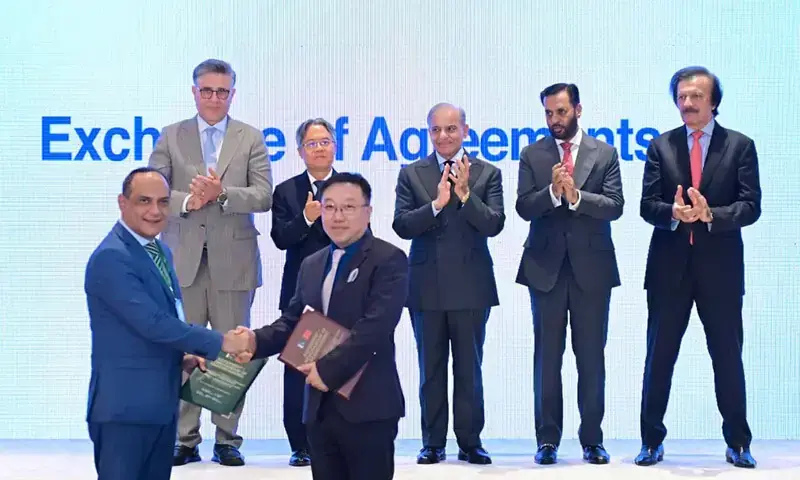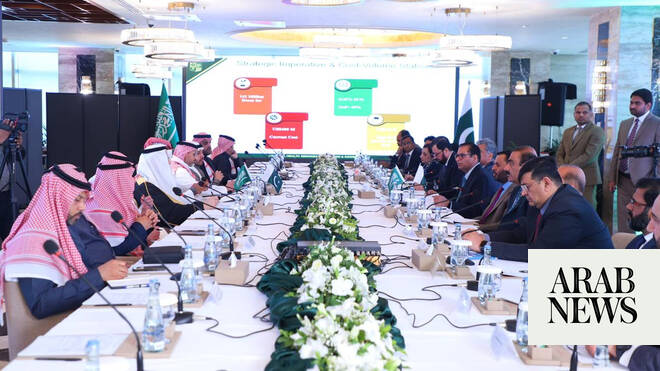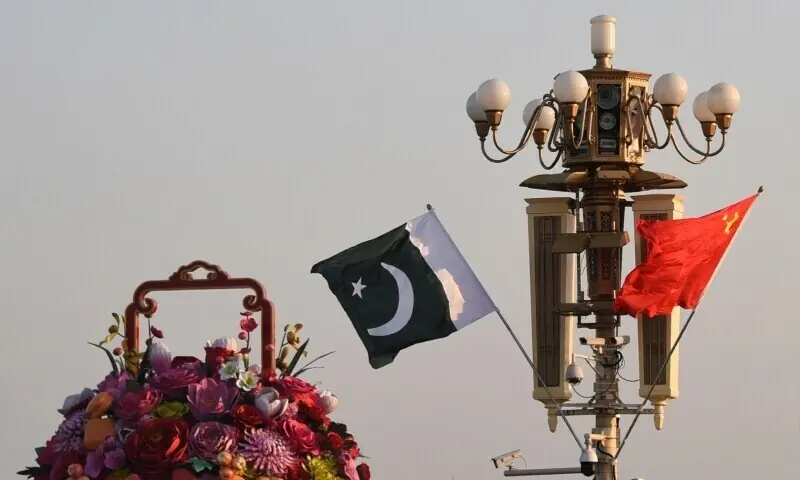
Last week, Pakistan and Chinese companies signed agreements worth $850 million at the Pakistan-China Pharmaceutical and Healthcare B2B Investment Conference in Islamabad.
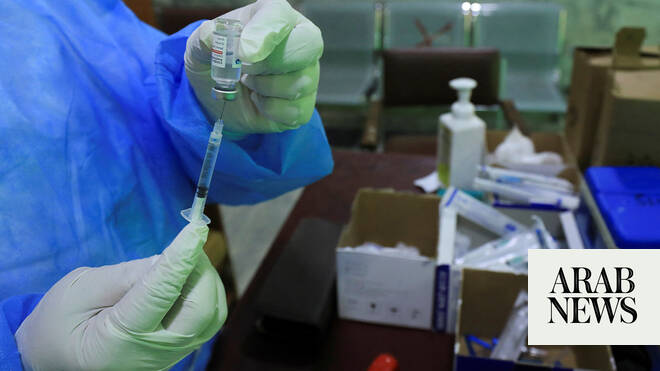
Held on July 17 and 18, the event focused on vaccine production, active pharmaceutical ingredients (API), medical devices, clinical trials, and related pharmaceutical subsectors. It brought together 146 Chinese companies with around 220 delegates and more than 200 Pakistani firms, marking one of the largest China-Pakistan business engagements in the pharmaceutical, healthcare, and biotechnology sectors.
Federal Health Minister Mustafa Kamal announced on July 18 that 16 contracts and 80 memoranda of understanding had been finalized during the event. He termed the development a key economic milestone for cooperation between China and Pakistan in the pharmaceutical sector. The deals signed and the scope of the expected cooperation mark a clear shift toward industrial collaboration between the two countries, beyond the limited trade exchanges of earlier years.
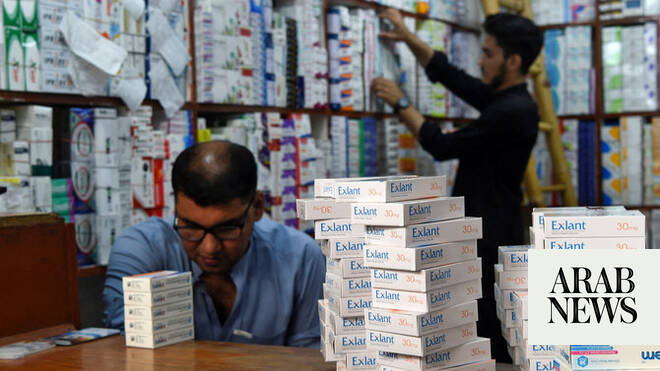
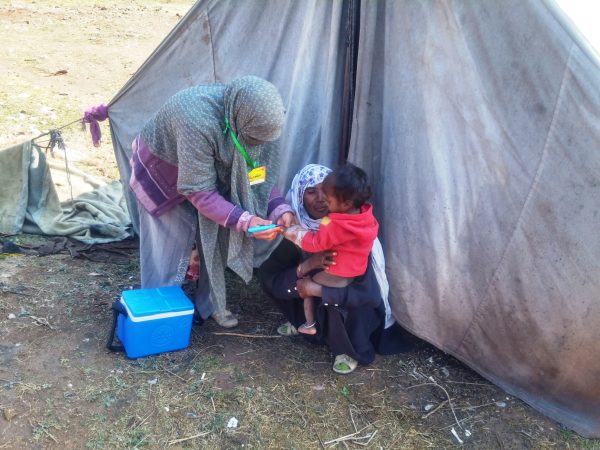
Notably, Pakistan’s dependence on imported vaccines and pharmaceutical inputs remains critical. For instance, the country administers 13 vaccines under its national immunization program, and all these vaccines are imported. Moreover, while Pakistan manufactures about 85 percent of its finished medicines locally, it imports around 95 percent of the API required to produce them. The country’s dependency also extends to imports for essential vaccines and specialized medicines. This essentially means that Pakistan’s healthcare system is vulnerable to global shipping delays, currency shifts, cuts in foreign aid, and changes in donors’ priorities.