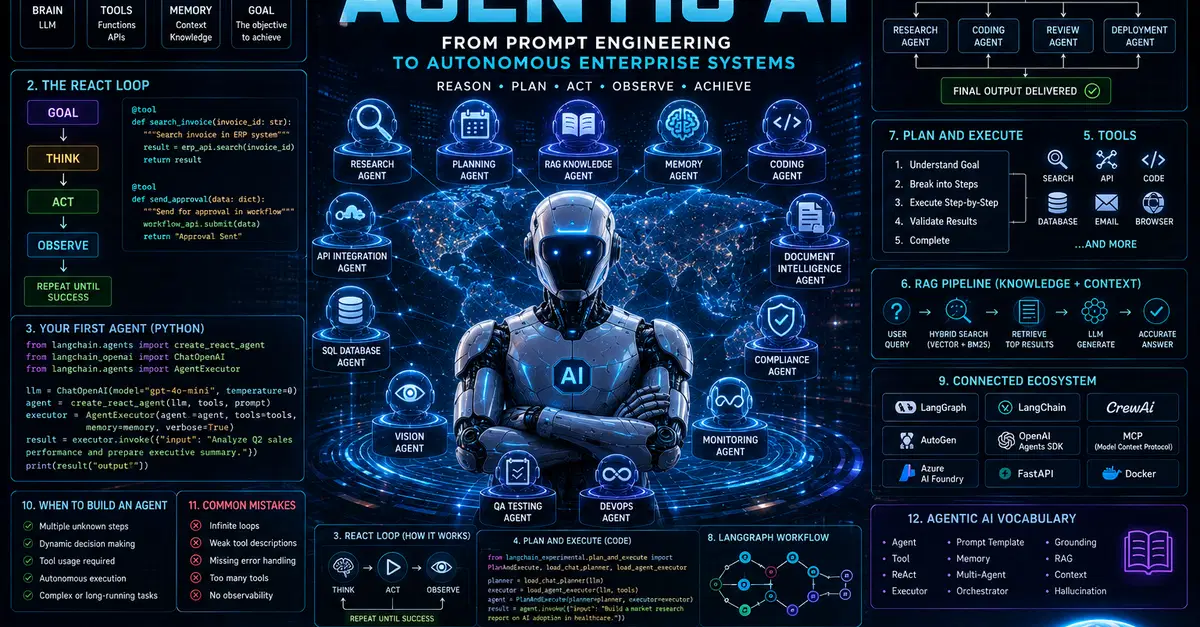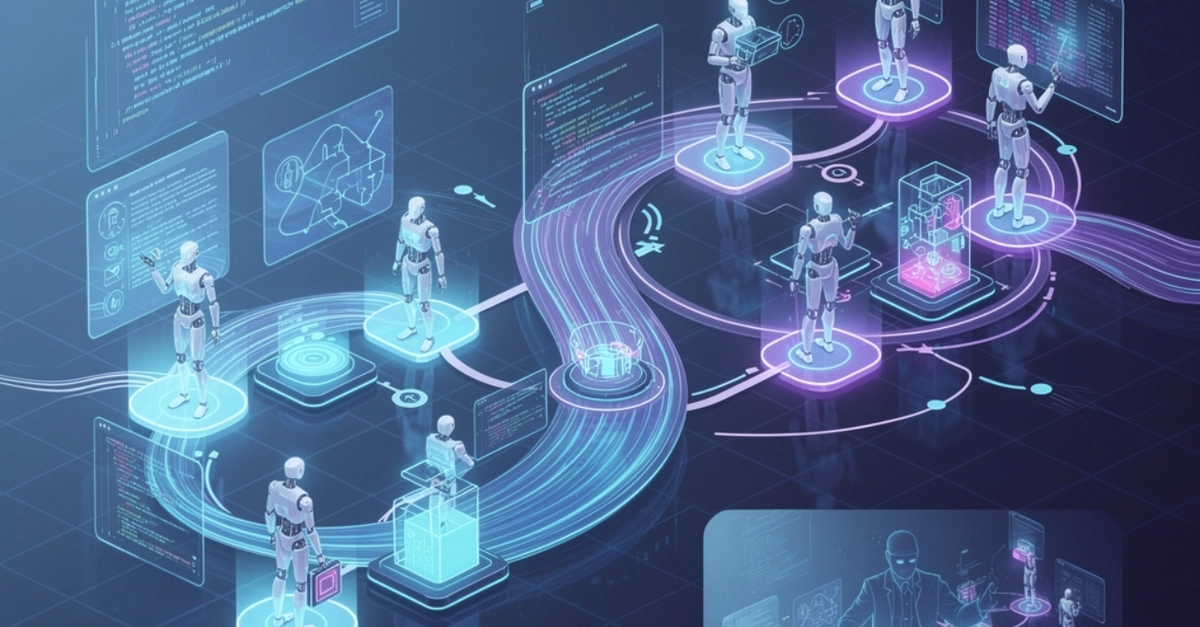
Over the past couple of years, AI in software development has quietly crossed a major threshold. What started as glorified tab-completion—handy for filling in boilerplate or guessing the next syntax block—has morphed into something fundamentally different. Today’s modern models don't just complete your sentences. They reason through problem specs, map out entire repositories, write comprehensive test suites, hunt down tricky bugs, and execute multi-step workflows with startling autonomy.
We're no longer just talking about AI assistants; we’ve entered the era of agentic AI.
For engineering leaders, this shifts the strategic conversation entirely. It’s no longer a question of if AI belongs in your toolchain, or even how many copilot licenses to buy. The real challenge is operational: How do we structure our teams and engineering culture so developers collaborate with agentic systems safely, effectively, and without sacrificing code quality or ownership?
The leaders and organizations that figure this out early won't just ship features faster—they will solve dramatically larger problems with smaller, more focused teams.
What Is "Agentic AI" Really?