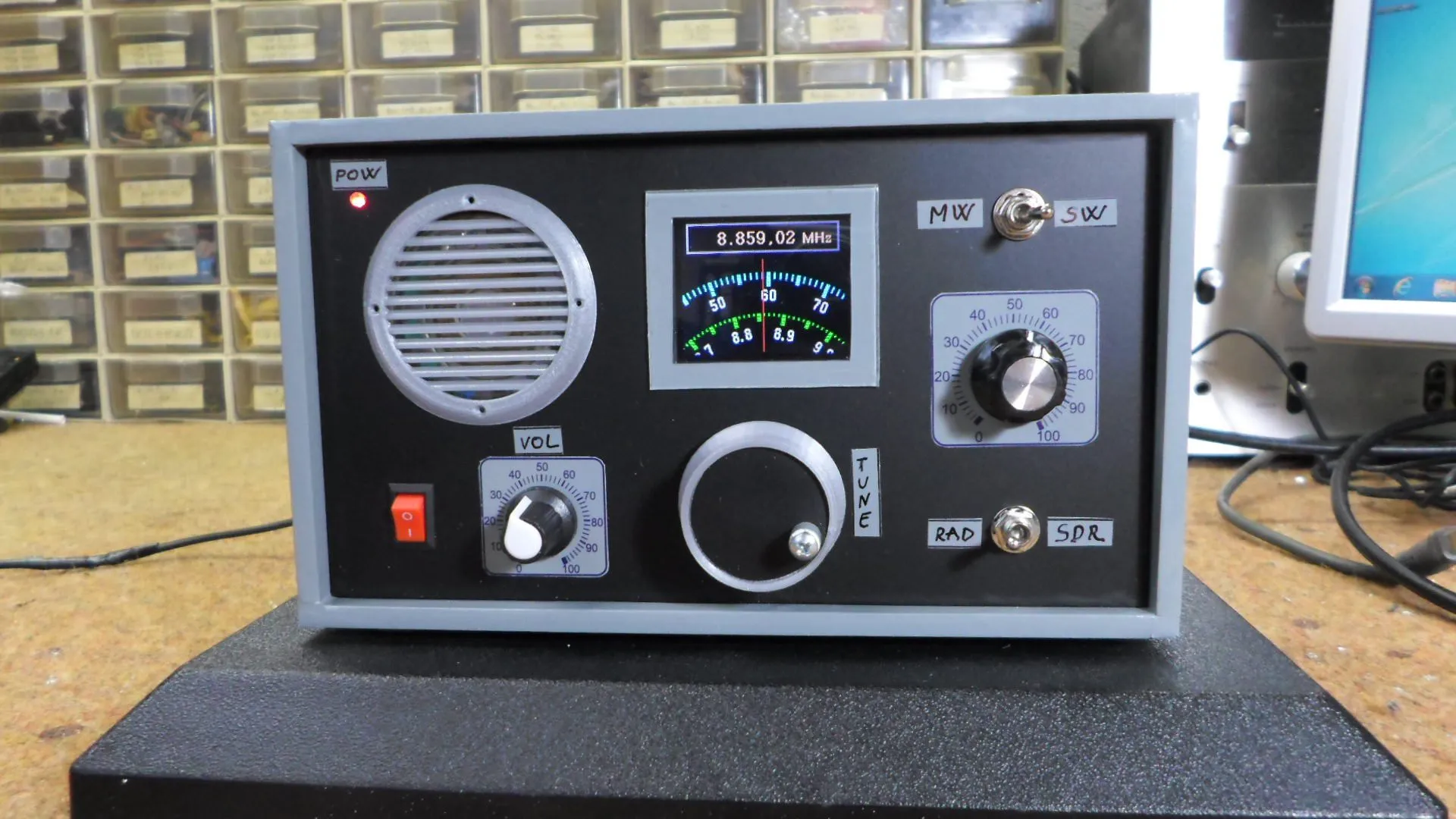
Radios were once big complicated appliances, full of warm valves and paper-wrapped capacitors, all humming and glowing to capture signals from the aether and spit them out of a speaker. Every component was chosen to build the radio to suit a particular purpose.
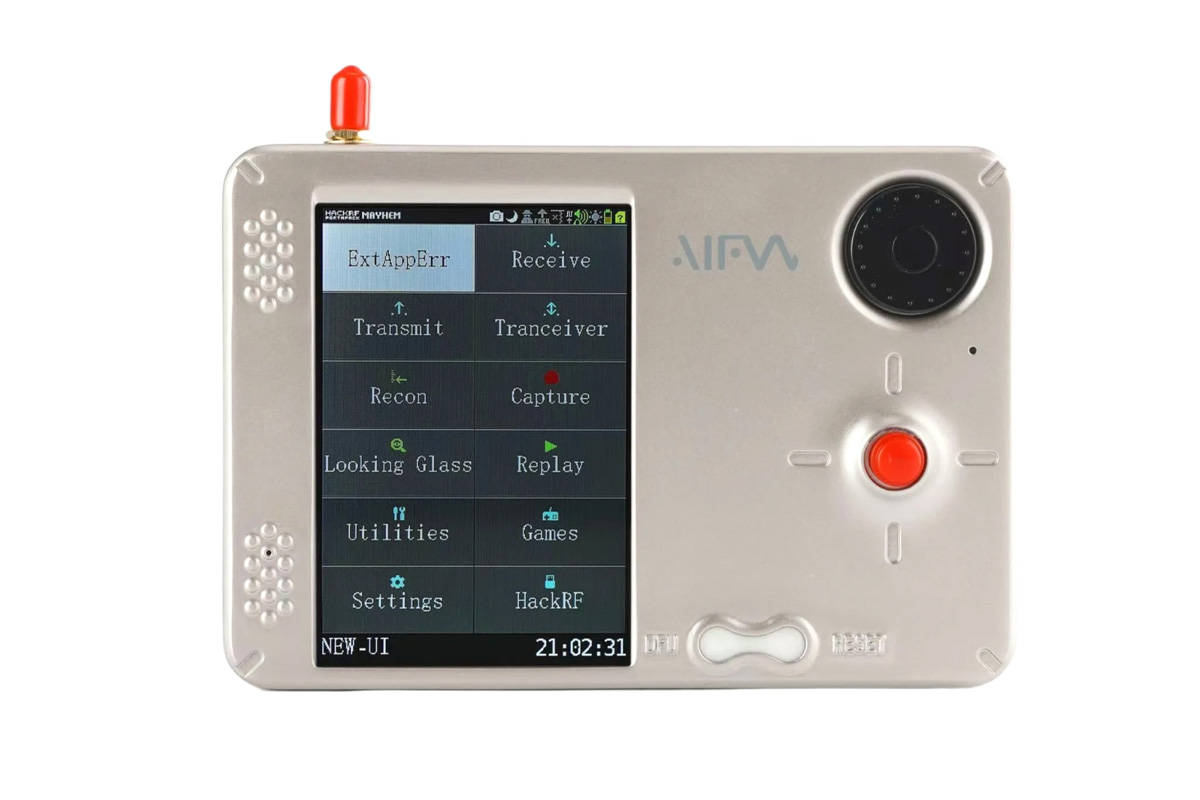
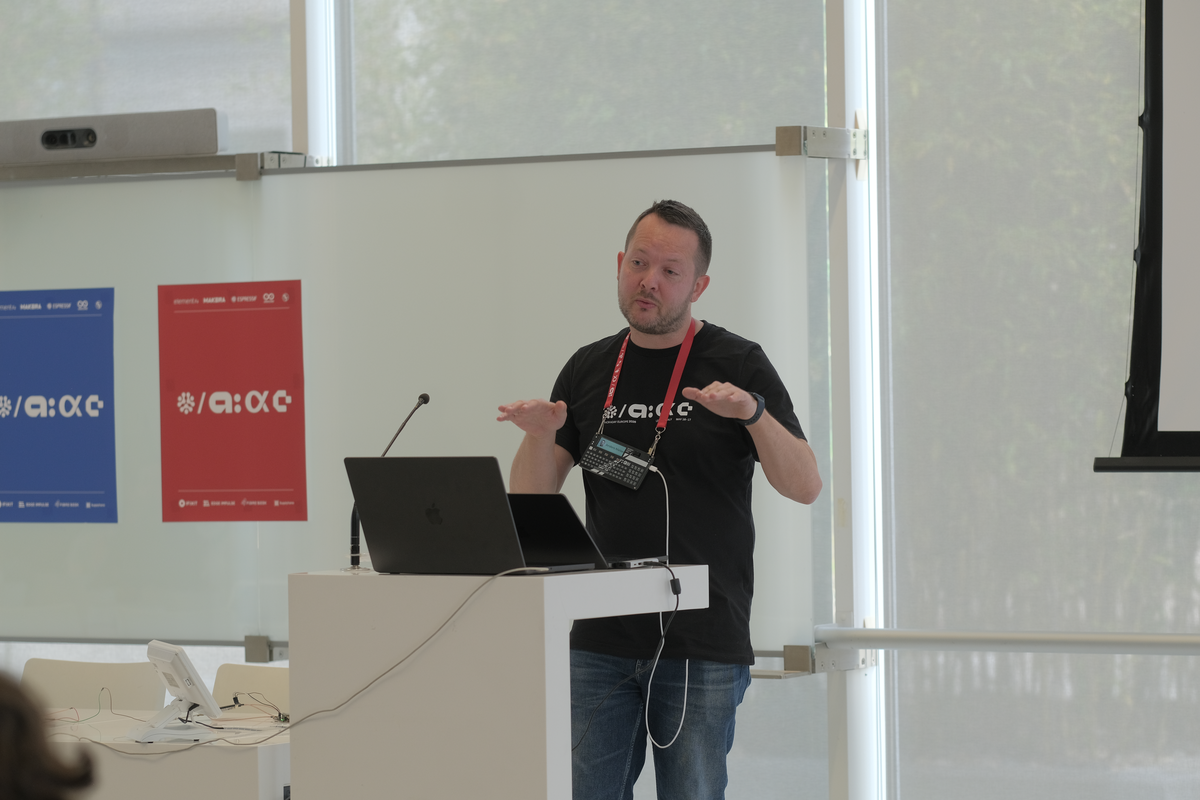
These days, we have altogether fancier technology that lets us build radios that can be reconfigured on the fly; software-defined radios, if you will. [Anders Nielsen] has been exploring how to build a high-performance SDR recently, and came to Hackaday Europe 2026 to tell us all about it.
SDR Killed The Radio Star
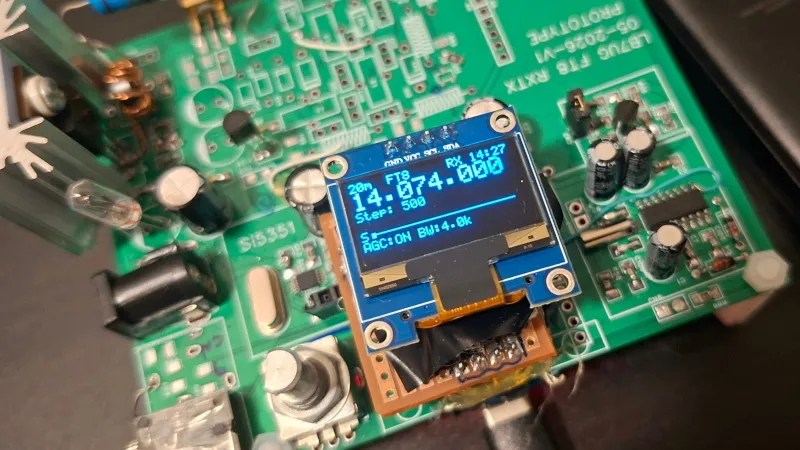
[Anders] is a bit of hacker type. He’s a firmware developer for satellites in his day job, and he’s always a fan of tinkering with old integrated circuits and trying to build new and interesting things with them. Recently, though, his personal project has been developing a software-defined radio on a budget of under $50.
Now, [Anders] could have simply bought a cheap SDR off the shelf; he himself calls out the Zync/AD9363 platform as one particular example. However, he notes that many available options hide a lot of the signal chain and come at a certain price. He wanted to build something cheap and transparent for experimentation’s sake.