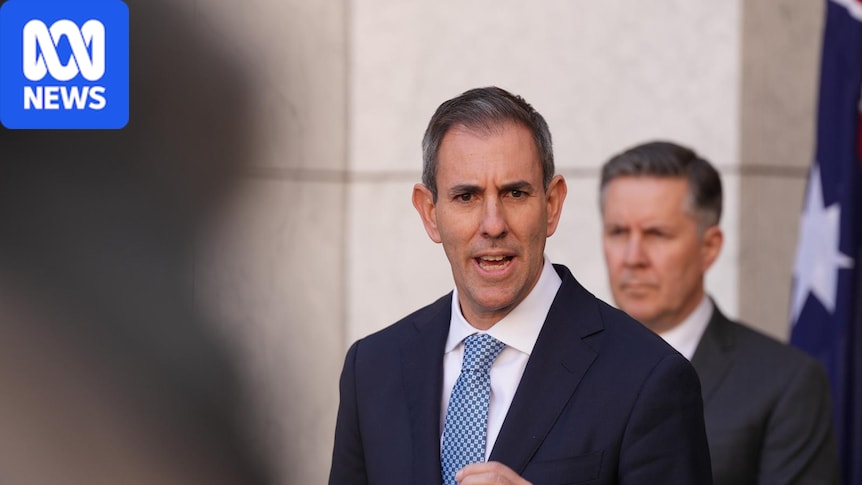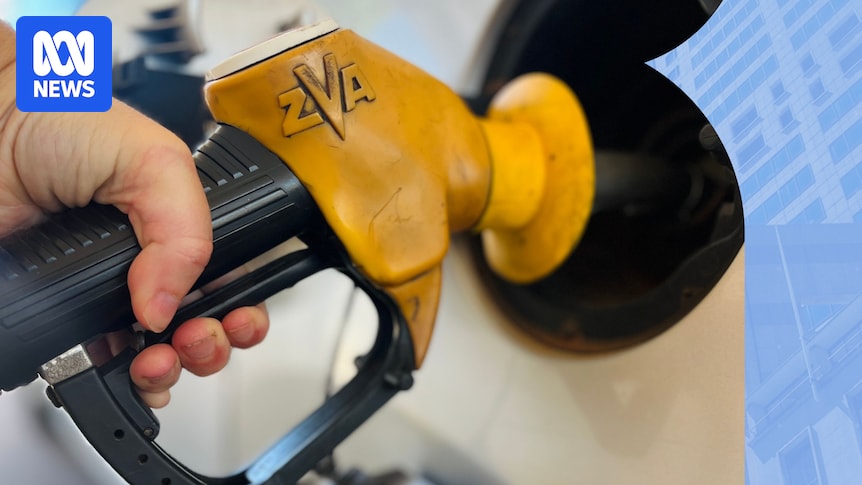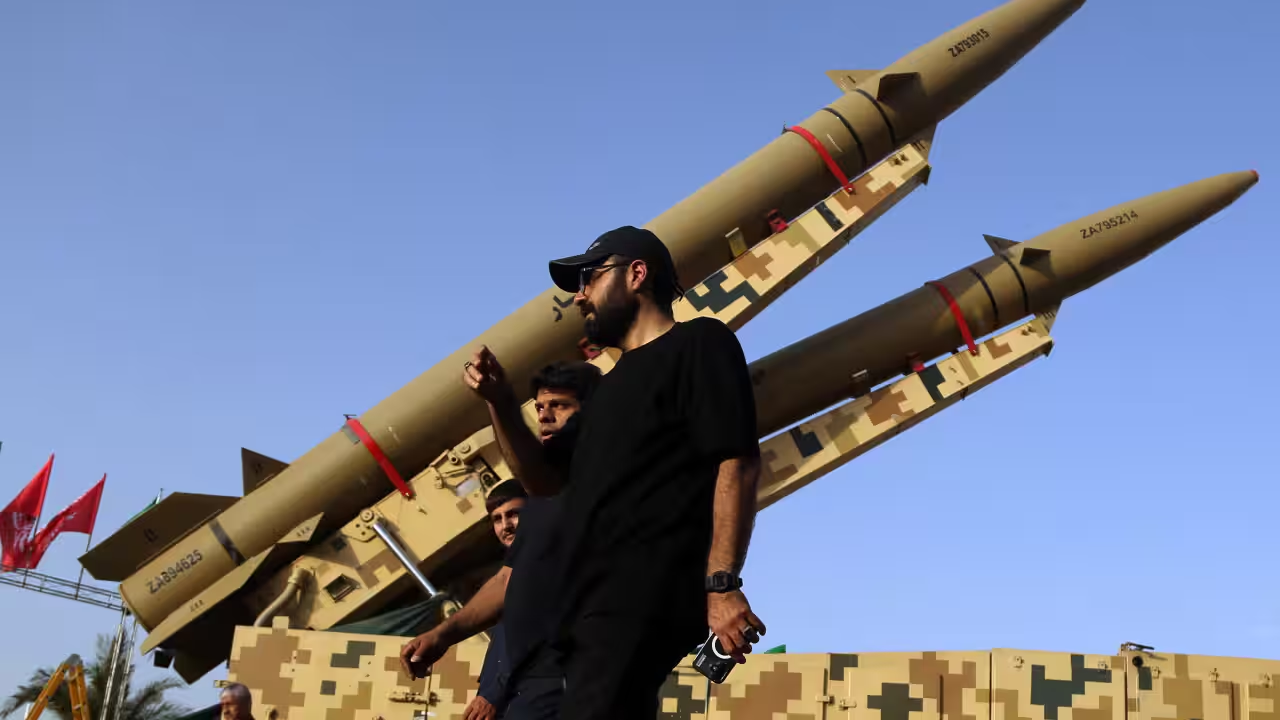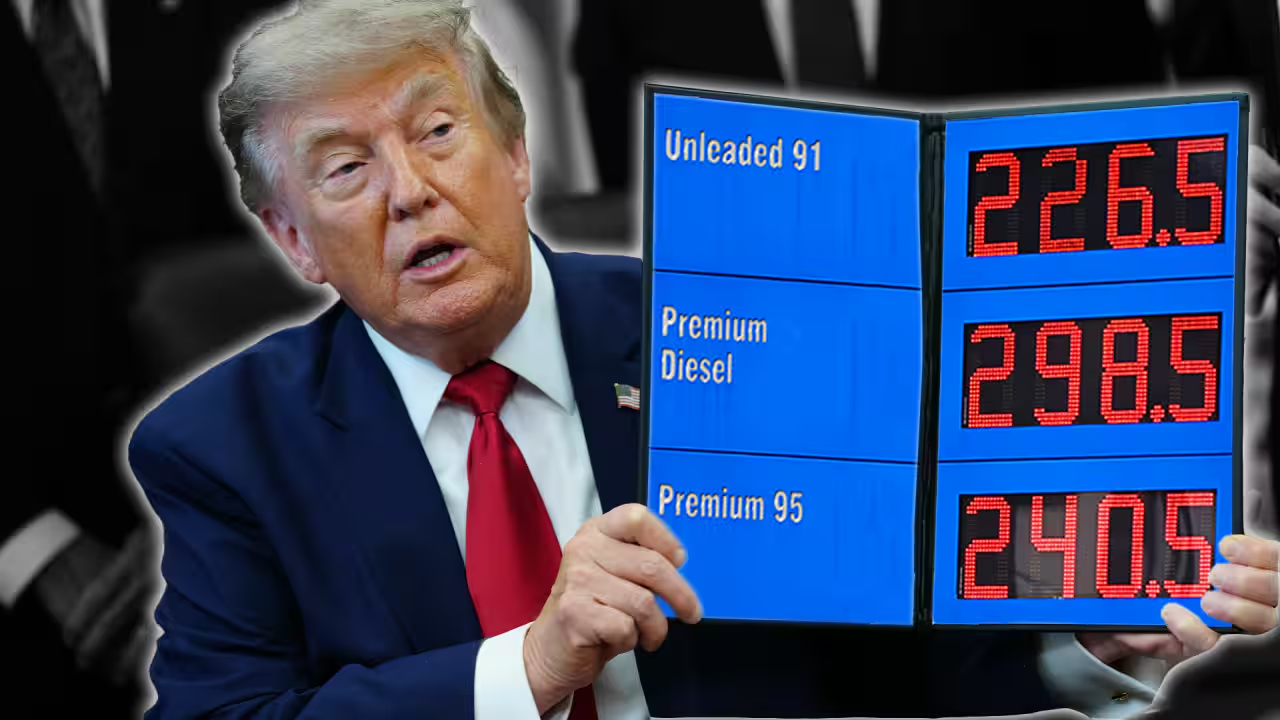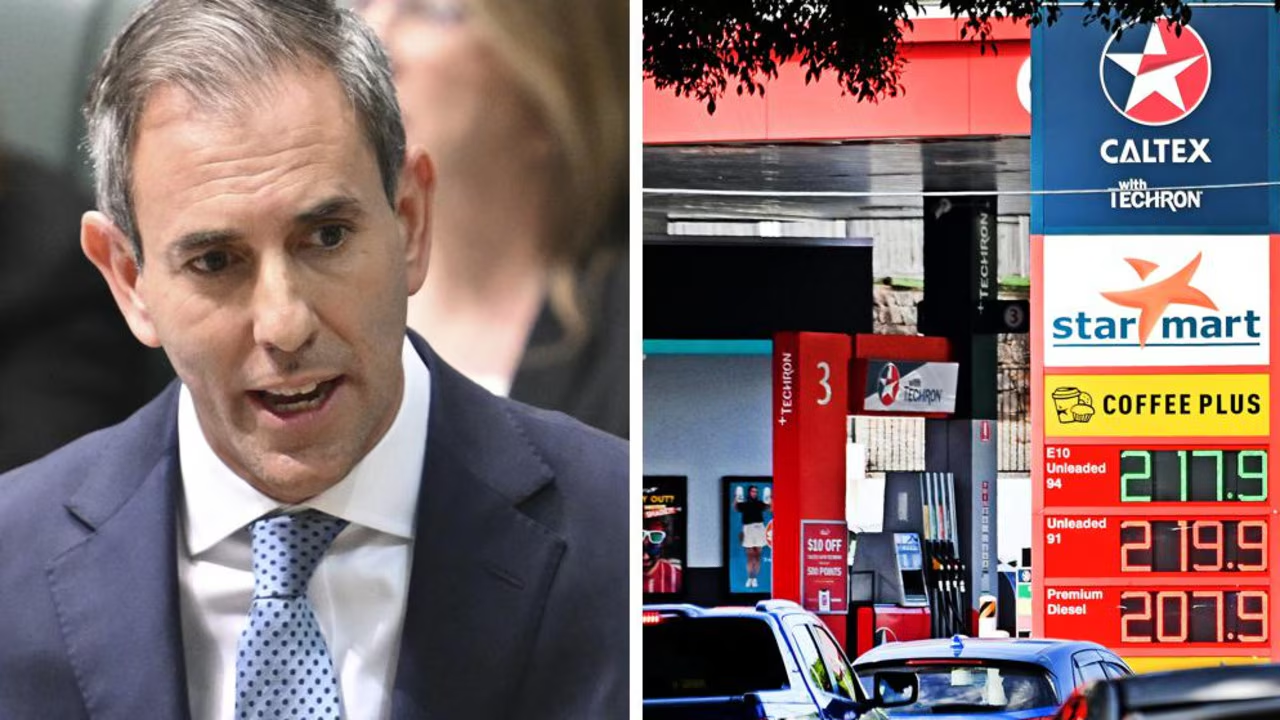
Australians are facing a fresh fuel nightmare amid the intensifying conflict in the Middle East, with the government warning prices “may intensify” as inventories are depleted.The grim prediction, outlined in a Treasury briefing, follows Brent crude oil prices rising by 28 per cent since US President Donald Trump declared the Since Donald Trump declared the Memorandum of Understanding between the United States and Iran was “over”.After the US and Israel launched extensive air strikes on Iran in late February, vehicle fuel prices increased by 32.8 per cent in Australia over March.The pump surge drove headline inflation up to 4.6 per cent, forcing the Reserve Bank and Treasury to warn inflation could peak as high as 5 per cent by the end of the June quarter.While drivers got temporary relief when unleaded plunged back to around $1.48 to $1.63 per litre in June, prices have rapidly swung back up.The price for Unleaded 91 petrol is currently costing Australians living in major cities anywhere from $1.85 to $1.97 per litre. The 2026-27 Budget did cost estimate for a downside scenario which involved oil prices peaking at $200 USD per barrel in the September quarter 2026.Under this scenario, real GDP was half of a per cent lower than in the budget baseline in both 2026-2027 and 2027-2028, while inflation peaked at around seven-and-a-quarter per cent through to the December quarter.Treasurer Jim Chalmers said there was still “so much uncertainty” about the war and the ongoing “costs and consequences”, saying Australians had “already paid to hefty a price” for the conflict.“From an economic point of view, a proper and permanent end to the war can’t come soon enough,” Mr Chalmers said. “Like the rest of the world, we are monitoring day-to-day developments very closely because so much hinges on a proper ceasefire and the permanent reopening of the Strait.”“The longer this drags out the more serious the consequences for inflation and growth here and around the world.”The grim prediction comes as the federal government prepares for a fresh cost-of-living nightmare for millions of motorists. With crude oil futures having traded above $US100 per barrel on July 24, prices could continue to soar.The initial energy price shock arising from the conflict was dealt with through resource redirection to bypass the Strait of Hormuz and strategic reserves being released.But now, the oil market has now been left with weaker buffers against future supply shocks. Headline inflation rose 4.6 per cent in the 12 months to March – driven by a 32.8 per cent rise in automotive fuel prices in the months.It is tipped to rise to 5 per cent through to the June quarter, when accounting for the impact of higher fuel prices flowing onto other goods and services.In the RBA’s statement on Monetary Policy back in May, the bank forecasts headline inflation to peak at 4.8 per cent in the June quarter, with the higher prices for crude oil and refined fuels leading to significant price increases for vehicle fuel and domestic and international travel.
Aussies warned of fresh fuel nightmare
Australians are facing a fresh fuel nightmare amid the intensifying conflict in the Middle East, with the government warning prices “may intensify” as inventories are depleted.
500 words~2 min read