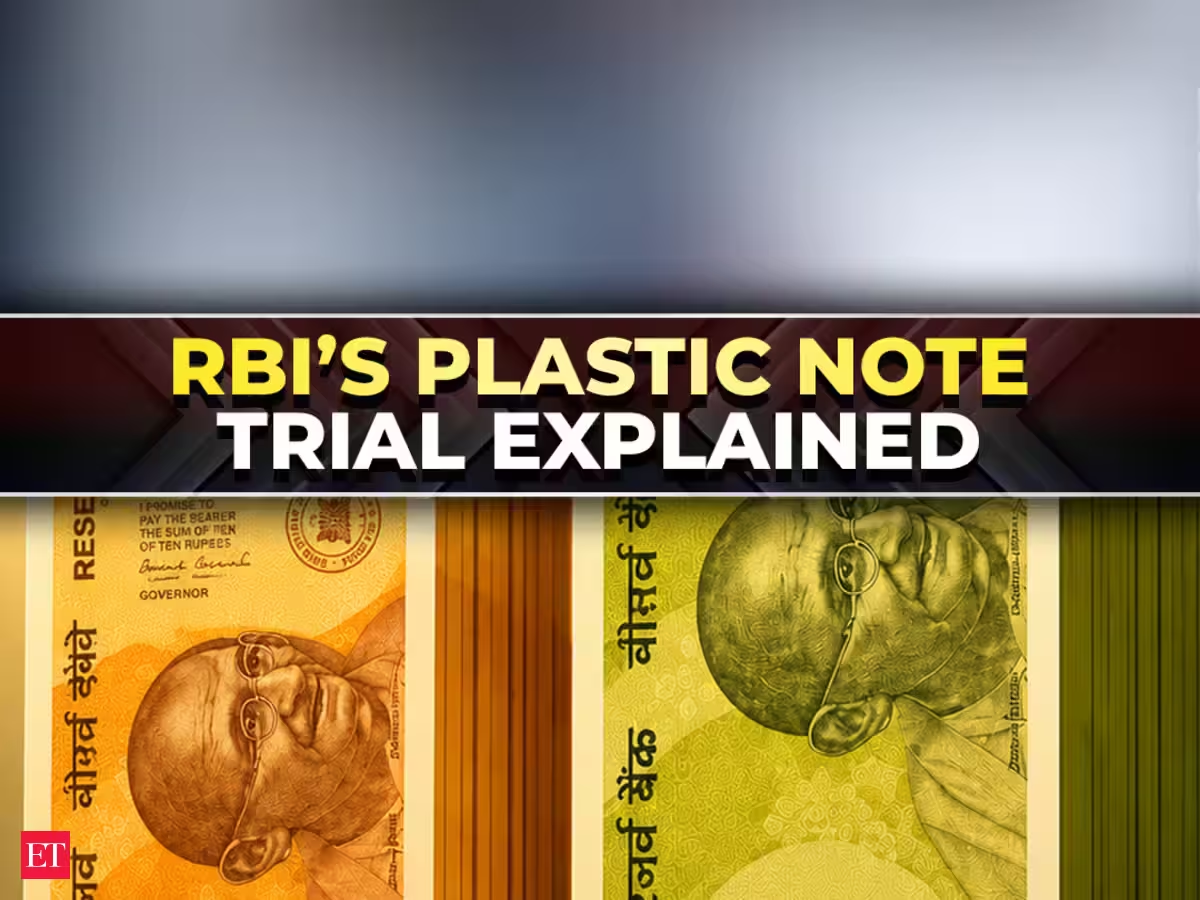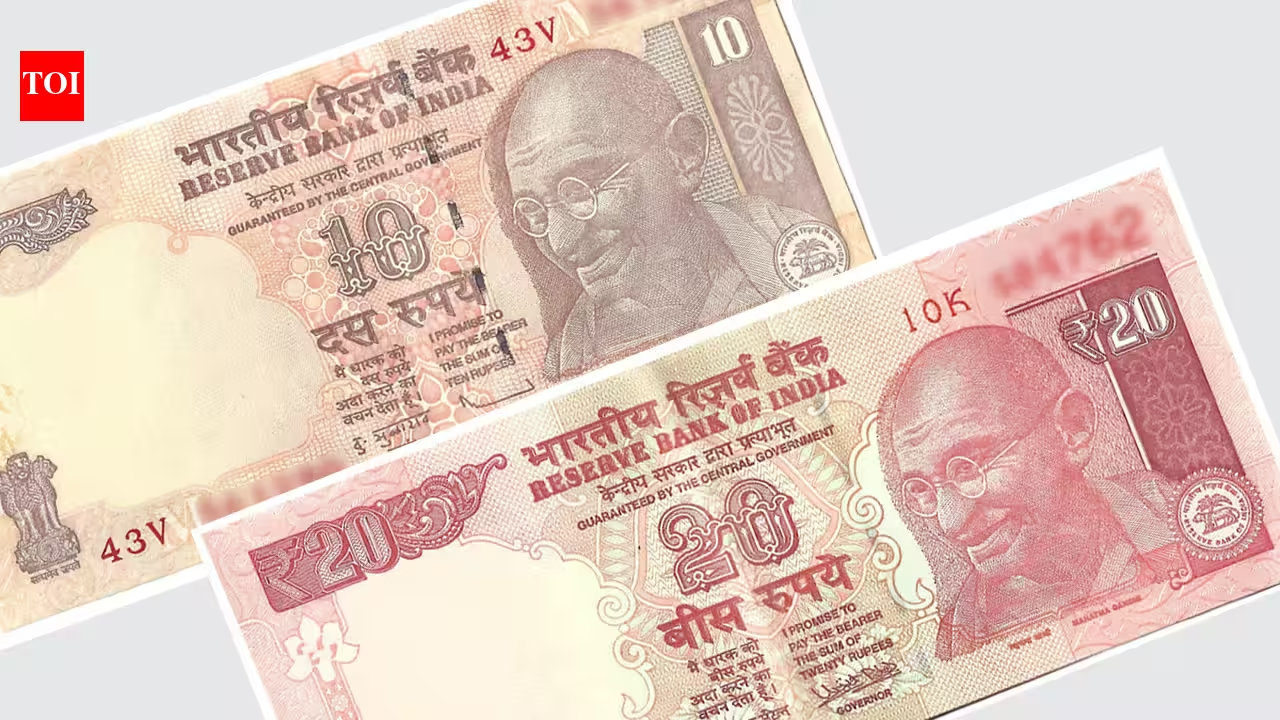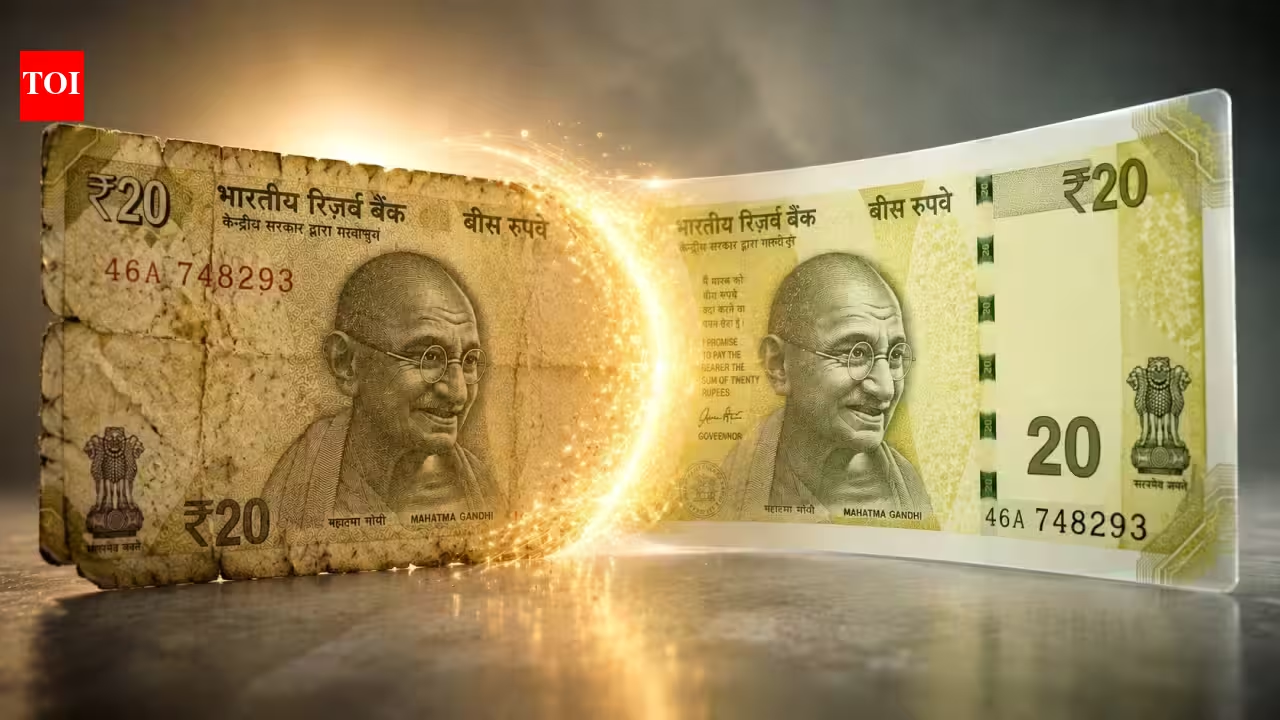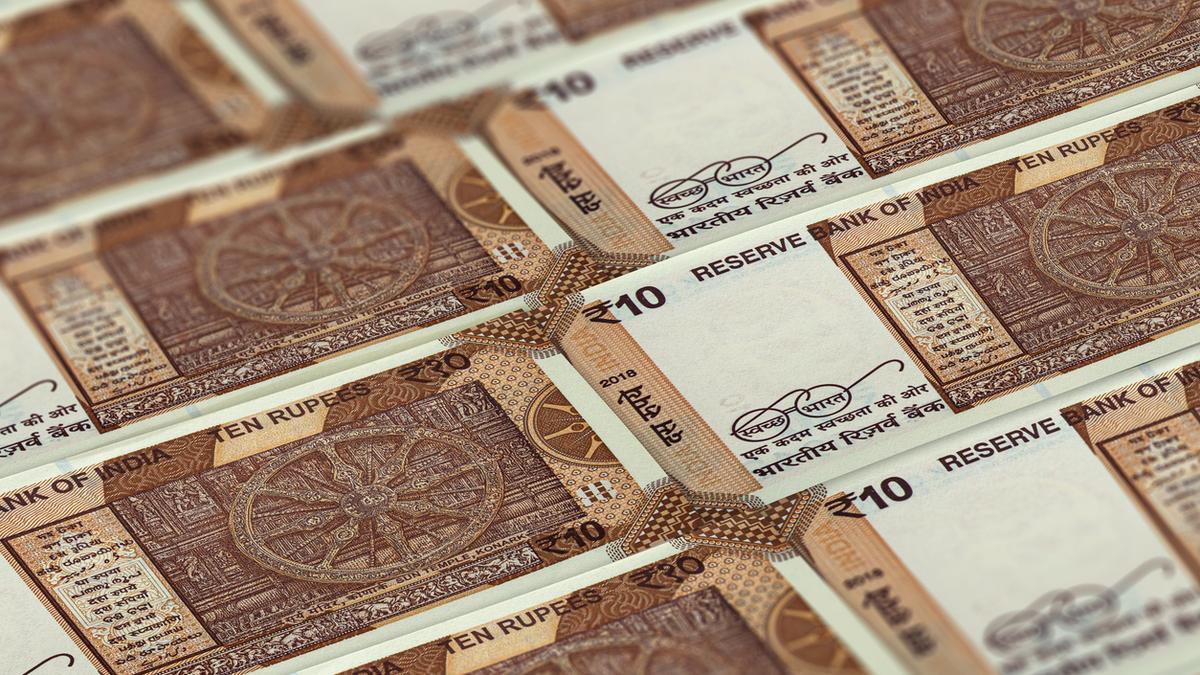
The RBI is currently assessing the impact of these polymer notes on the digital payment landscape, with plans for one billion pieces of each denomination to be produced following successful field trials
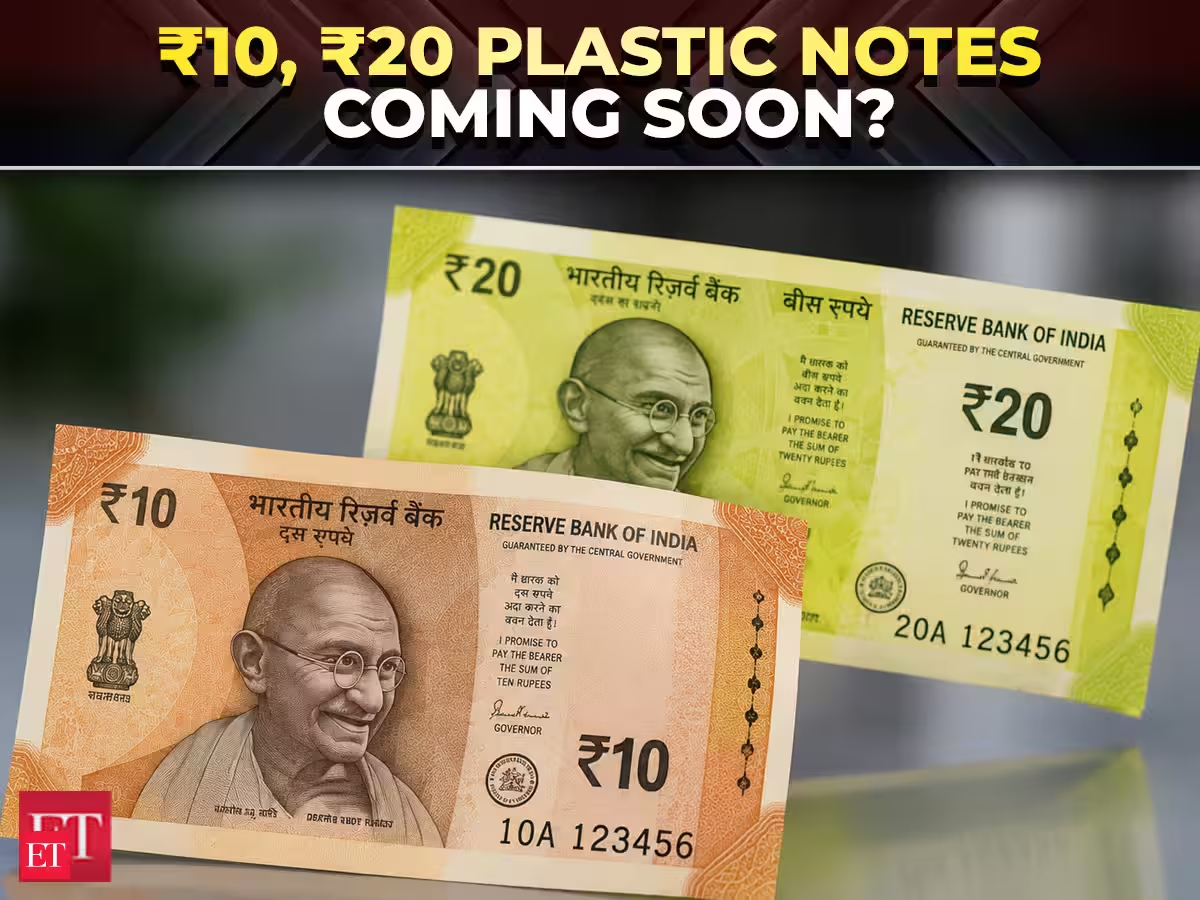
The government has approved introduction of plastic notes in two denominations — ₹10 and ₹20 — for field trial and regular issuance, Lok Sabha was informed on Monday. However, government clarified that plastic currency will not replace paper currency.On July 17, RBI-owned Bharatiya Reserve Bank Note Mudran (P) Ltd (BRBNMPL) floating a global expression of interest (EoI) for manufacturing and supply of polymer substrate used to print plastic currency notes.In a written reply, Minister of State in Finance Ministry, Pankaj Chaudhary said that the RBI with the recommendation of its Central Board, had sent a proposal to the government for introduction of one billion pieces each of ₹10 and ₹20 polymer banknotes for field trials and for regular issuance of polymer banknotes after successful completion of field trials. “The proposal has been approved by the government,” he said.According to the Minister, RBI had informed that as per international studies, the life span of polymer banknotes is significantly higher than that of paper banknotes. The introduction of polymer banknotes is currently in a preliminary phase and the impact on digital payments, if any, could be ascertained only after regular issuance of these notes. Moreover, banknotes and digital payment systems are complementary payment tools available to public, he said.“As per RBI, polymer banknotes are proposed to be issued along with paper substrate-based banknotes and that there is no proposal to replace paper currency with polymer substrate-based banknotes,” Chaudhary clarified.Under considerationLast month, after the meeting of the Monetary Policy Committee (MPC) RBI Governor Sanjay Malhotra acknowledged that the proposal was under consideration. “We will let you know as soon as a decision is made,” he said while adding that the central bank is examining the pros and cons of it and “whether it will be worthwhile to do it. It is still at a preliminary stage.”Meanwhile, the EoI document placed the indicated requirement for ‘Biaxially oriented polypropylene (BOPP)-based opacified polymer substrate with security features for printing of Indian banknotes’ has been set at 68,000 reams with 34,000 reams for each denomination. Each ream will consist of 500 sheets. The bidder should offer minimum 30 per cent of the above quantity i.e., at least 20,400 reams of polymer substrate for banknotes to qualify in this EoI, the document said.“The indicative requirement in this EoI is meant for immediate requirement. Once our field trials are successful, we intend to go for procurement of larger quantity of substrate across different denominations and the same is likely to be shared in the upcoming RFP/final tender or in future tenders which shall follow this EoI,” the document said.According to RBI annual report, total of 2,810 crore pieces of currency notes supplied by BRBNMPL and Security Printing and Minting Corporation of India Ltd. The central bank spent over ₹4,800 crore during the fiscal on printing notes. During the same year, it destroyed 1,700 crore pieces of soiled notes. In the same year, the value and volume of banknotes in circulation increased by 11.9 per cent and 10.5 per cent respectivelyPublished on July 27, 2026