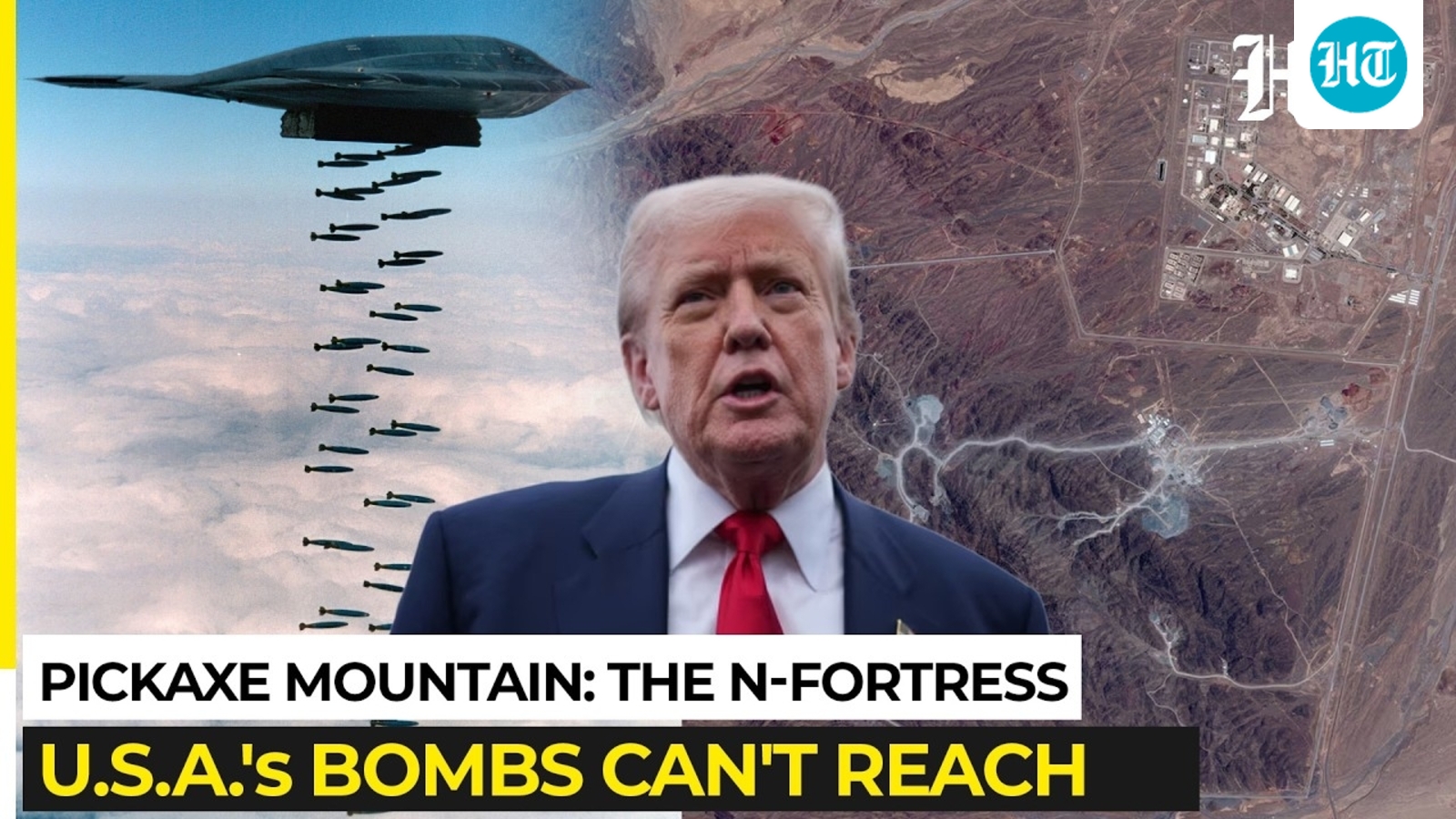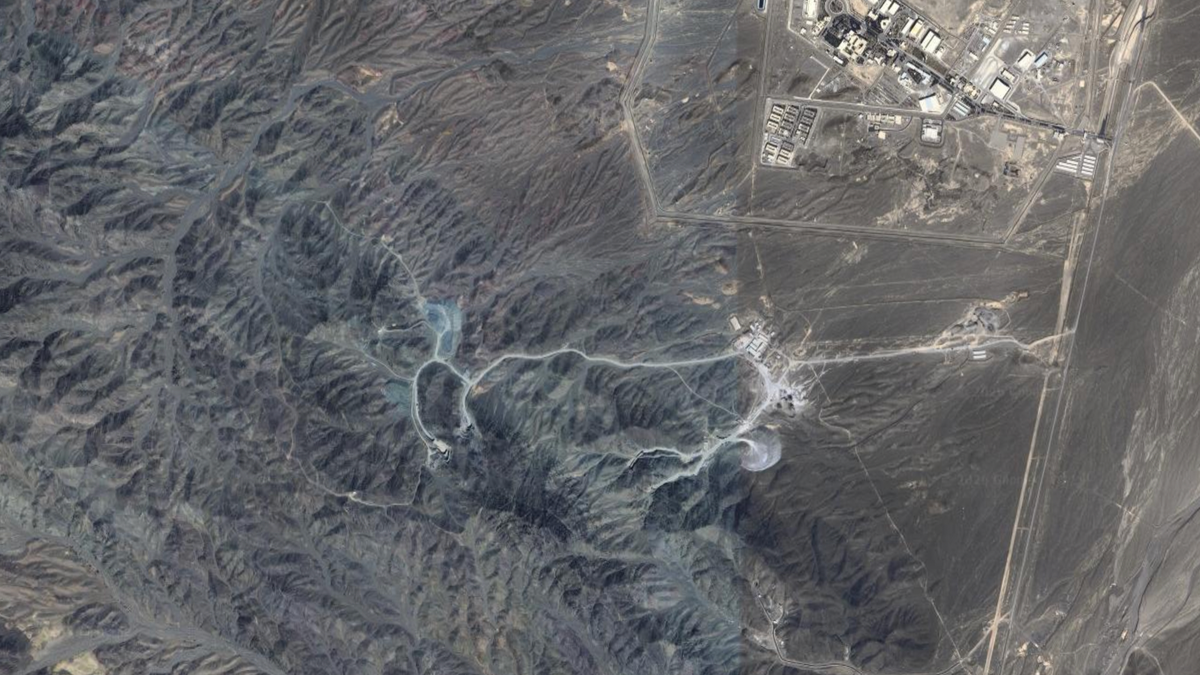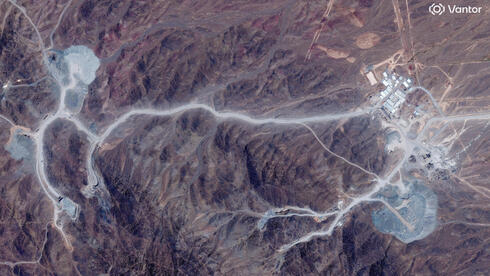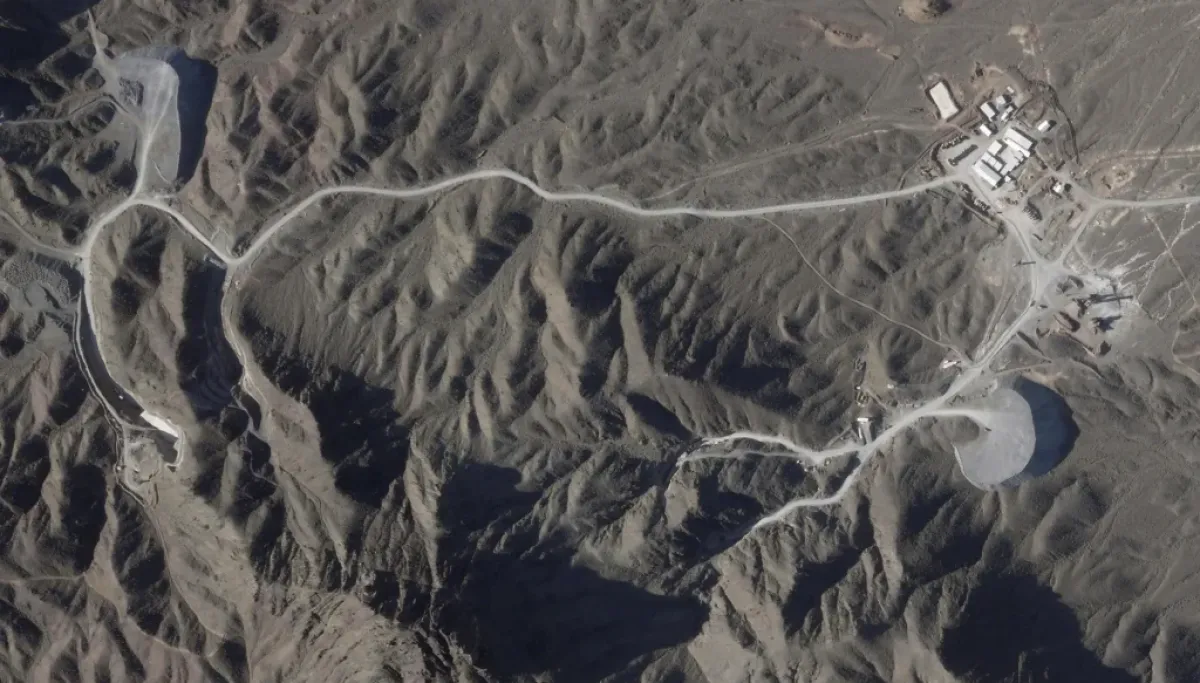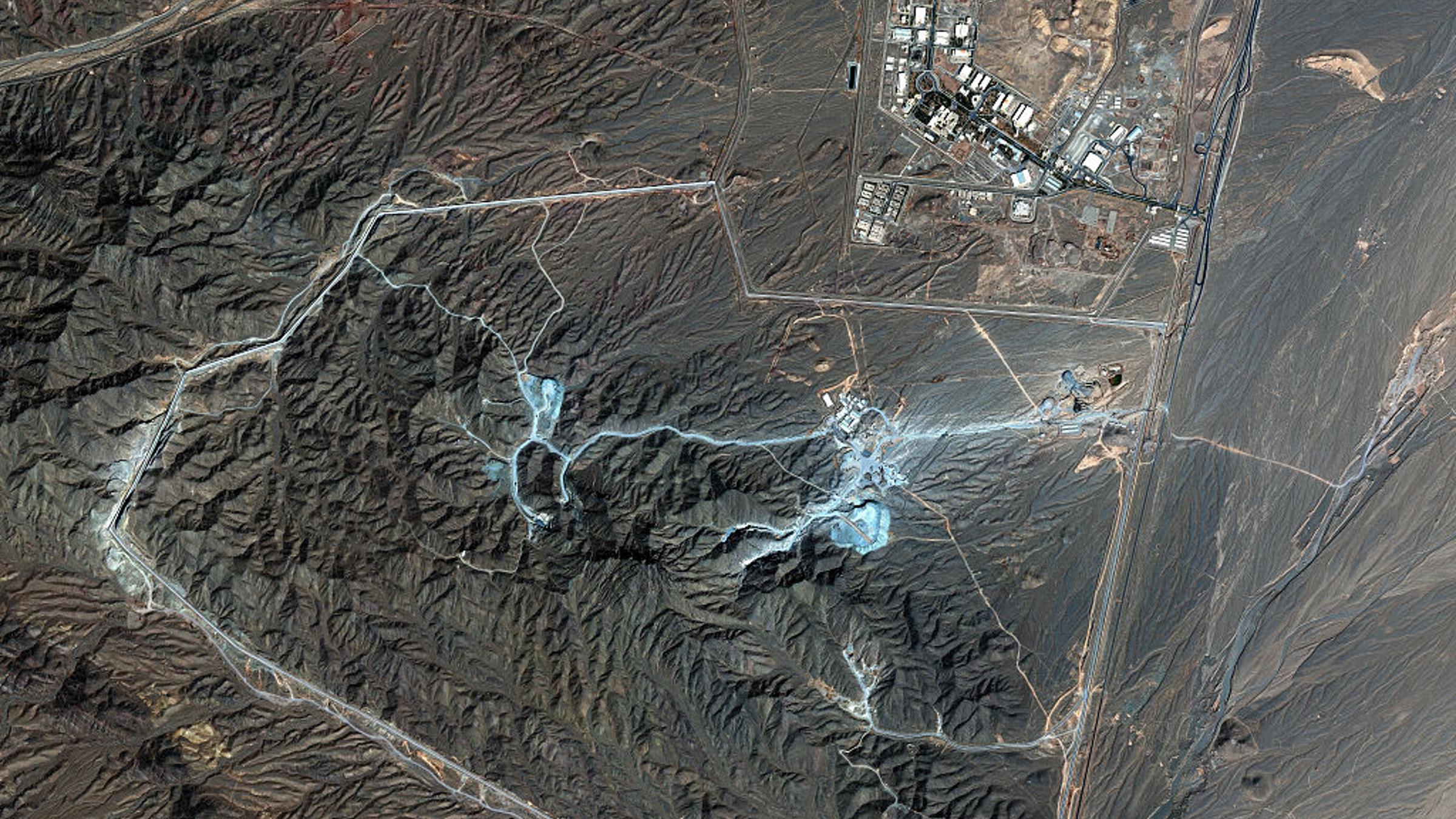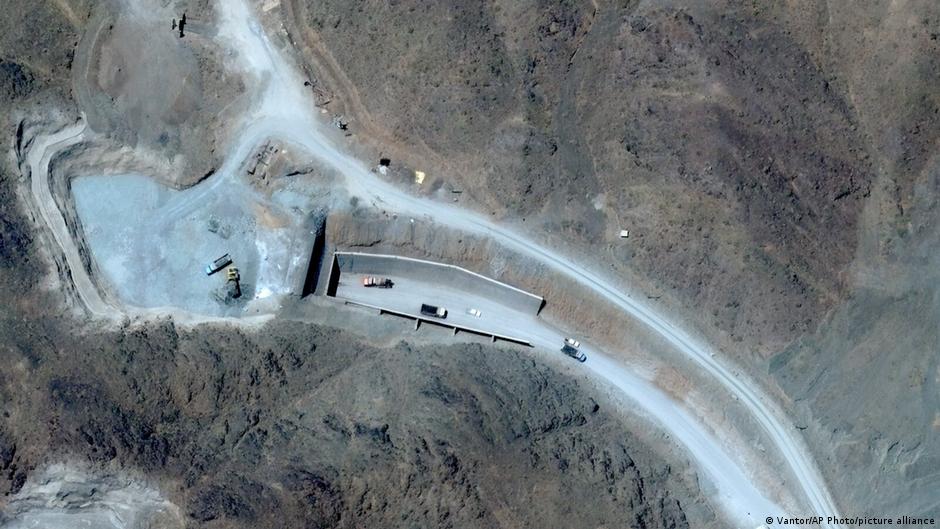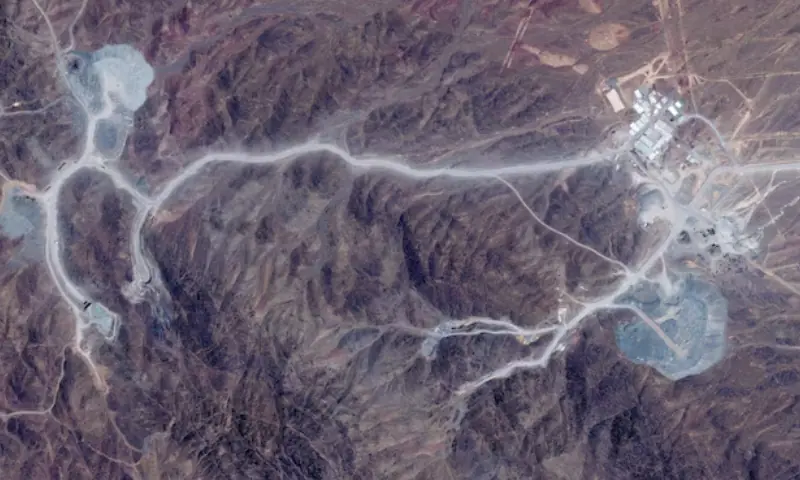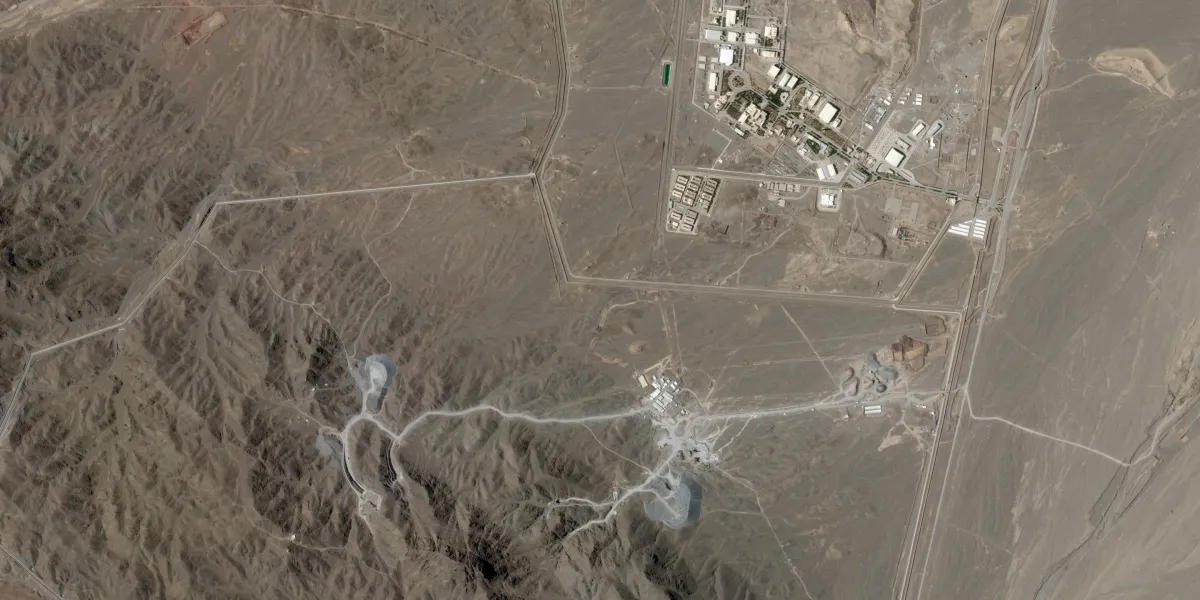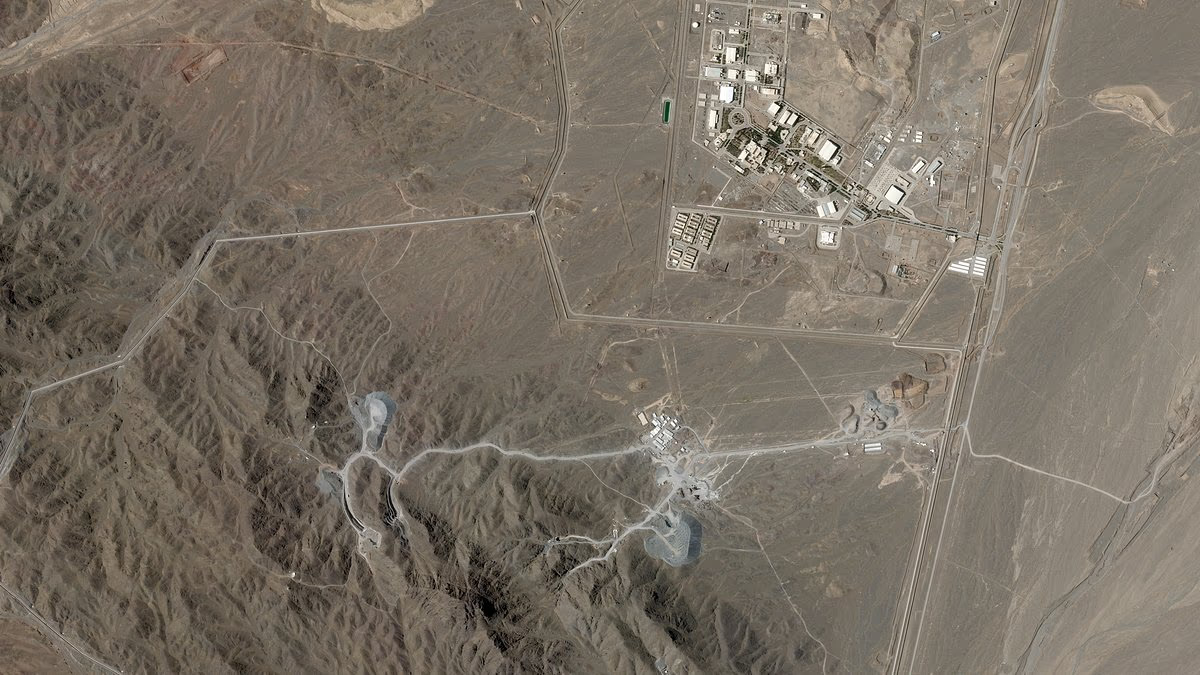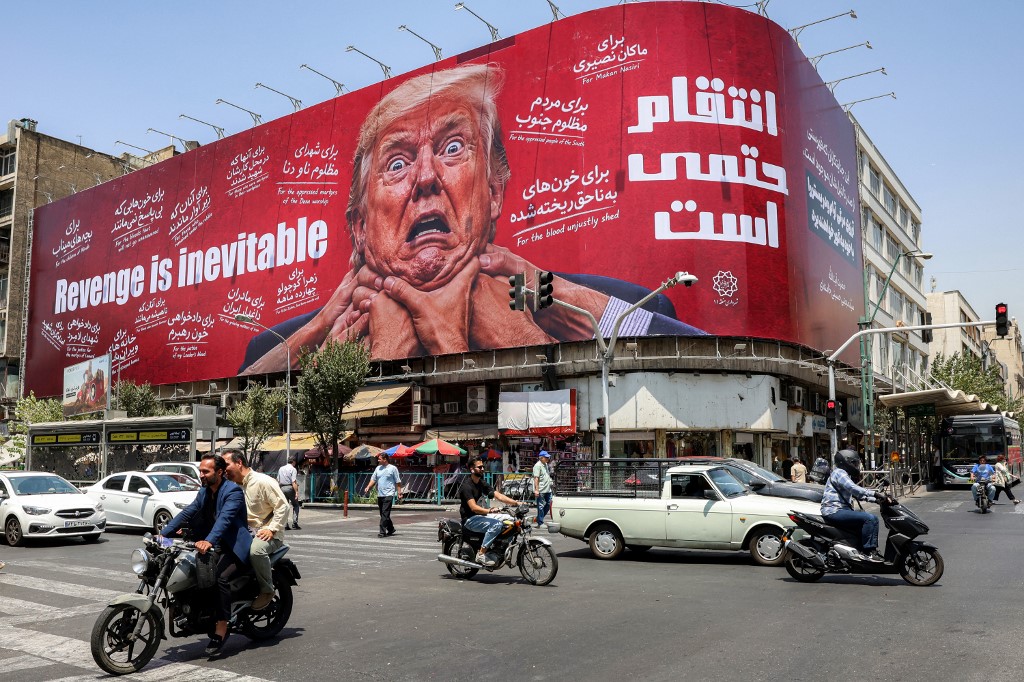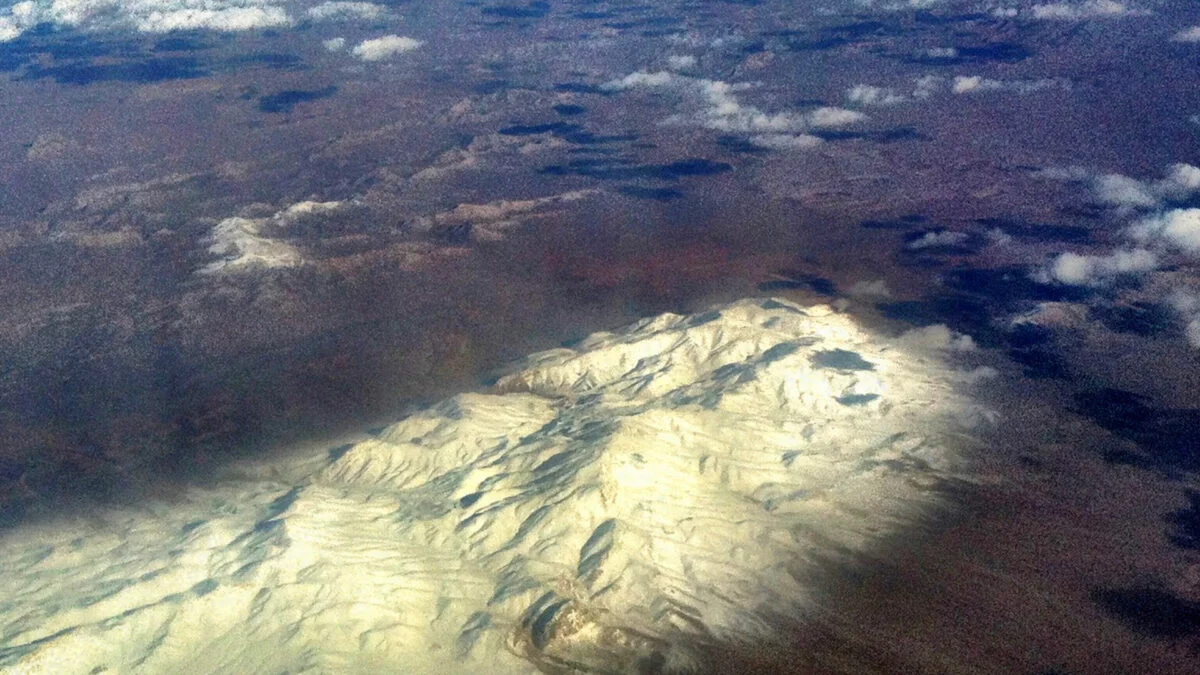
In between vowing to “assume total control” of Iran’s oil and threatening to bomb its bridges and power plants, Queens-born U.S. President Donald J. Trump made an interesting disclosure this July 13. Speaking to talk radio host Hugh Hewitt, Trump said, “We have eyes on it and Pickaxe Mountain is a possible target for a nice big fat shot right in the front door […] We’re going to take out Pickaxe Mountain. Tell the Iranians to be ready.” Known within Iran as Kuh-e Kolang Gaz La, Pickaxe Mountain has been subjected to increased scrutiny by journalists, think tanks, and United Nations’ nuclear weapons observers since late last year as one of Iran’s possible new underground nuclear enrichment sites. But recent reports on this formidable geological formation issued by the nonprofit Institute for Science and International Security (ISIS), as well as a deep dive by Scientific American last Thursday, have added new concerns on top of the prior evidence that Iran has been busy building-out the site. In short—beyond covert subterranean construction by Iran itself—Pickaxe Mountain is a uniquely tough natural fortification laced with Andesite, a volcanic rock capable of withstanding anywhere from 21,000 to 43,000 pounds per square-inch of pressure. In other words, the bunker-busting GBU-57 bombs that Trump has threatened to unleash—which reportedly only penetrate about 26 feet (7.9 meters) through medium-strength rock—aren’t likely to devastate any potential nuclear centrifuges tucked beneath this mountain any time soon.
America’s Bunker-Busters Are Useless Against This Underground Base in Iran
Iran’s underground construction beneath Pickaxe Mountain is naturally protected by tons of volcanic rock capable of withstanding anywhere from 21,000 to 43,000 pounds per square-inch of pressure.
659 words~3 min read