The crypto scene is giving off serious 2016 vibes. That year saw big banks seek to remake the crypto space on their terms under the slogan “blockchain not Bitcoin.” It didn’t end well. The banks burned through buckets of money but achieved little, while decentralized blockchains—the very thing the banks wanted to stamp out—flourished like never before. Now, we’re seeing the same movie all over again, and it’s likely to end the same way.
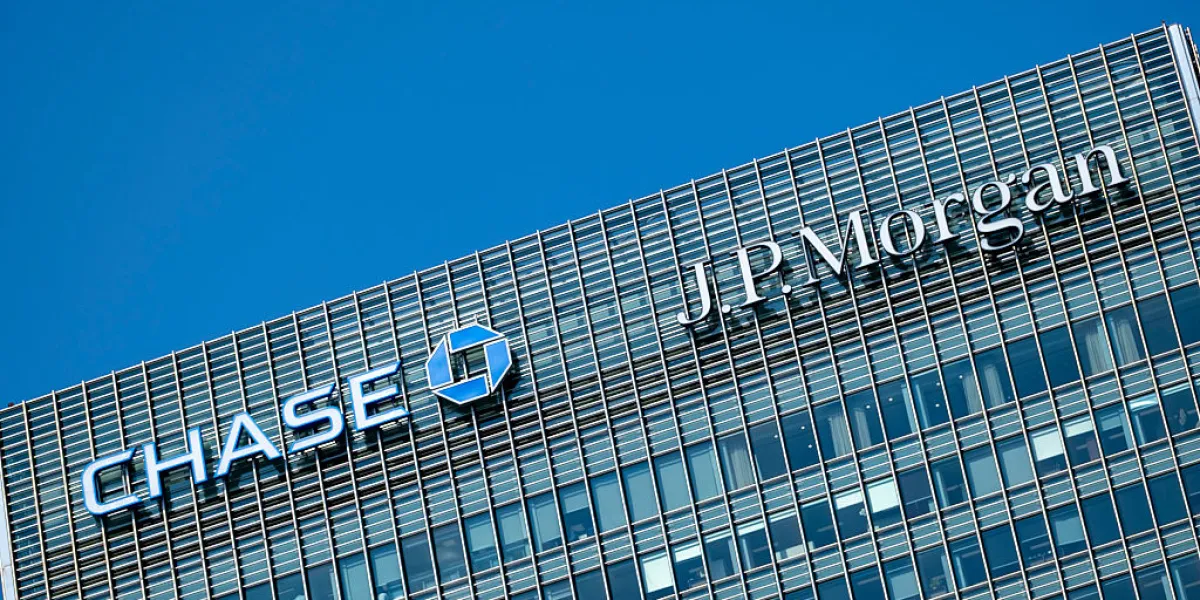
If you missed it, legacy financial firms on Wall Street have been making a flurry of announcements to tout their embrace of blockchain. That includes a pilot program to issue tokenized stocks that is being carried out by clearing and settlement giant DTCC and firms like JPMorgan and Morgan Stanley. Meanwhile, the London Stock Exchange says it will roll out 24/7 blockchain-based stock trading later this year.
It all sounds grand and innovative, but look a little closer, and some obvious questions emerge. The biggest is: Just what do these firms mean by blockchain? For crypto natives, blockchain means software like Bitcoin or Ethereum that is decentralized, indelible, and permissionless. For the banks, it turns out, blockchain means “DTCC’s Hyperledger Besu network or [the] Canton Network” and, in the case of the LSE, something or other involving Microsoft’s Azure cloud.