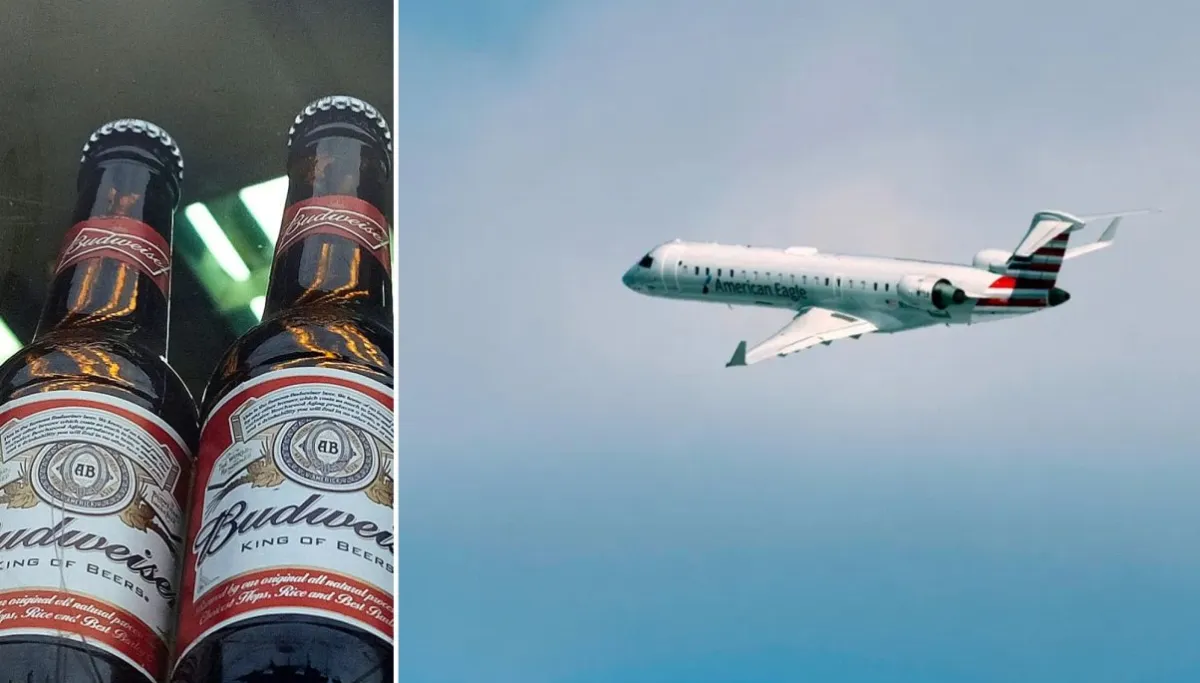
A $95,000 airplane. A six-pack of Budweiser. Thirteen years of litigation. The Supreme Court agreed to hear Jouppi v. Alaska, and if you want to understand why the Excessive Fines Clause exists, you won’t find a cleaner teaching case.Ken Jouppi has flown bush routes across Alaska for decades, the kind of work that keeps remote villages supplied when there’s no road in or out. On April 3, 2012, he was set to fly a passenger and her groceries from Fairbanks to Beaver, a village of fewer than 100 people that voted itself dry in 2004. State troopers searched the plane before takeoff and found beer in the passenger’s bags, two cases of Budweiser and one of Bud Light, a gift she was bringing to her husband. Jouppi says he didn’t know it was there. A jury convicted him anyway of a misdemeanor alcohol-importation offense. The statutory penalty was a $1,500 fine and three days in jail. He served it.That should have been the end of it. Instead, Alaska spent the next thirteen years trying to take his airplane. In April, the Alaska Supreme Court obliged, ruling that forfeiting a $95,000 Cessna over a single six-pack wasn’t constitutionally excessive because, as the court put it, “the illegal importation of even a six-pack of beer causes grave societal harm.” I’ve read a fair number of judicial opinions that strain to reach a conclusion the underlying facts don’t support. This one strains harder than most.
Legalized robbery: Alaska seized a $95,000 plane over a six-pack of beer
Alaska's $95,000 plane seizure over a six-pack of beer violates the Excessive Fines Clause and fuels civil asset forfeiture abuse.
696 words~3 min read