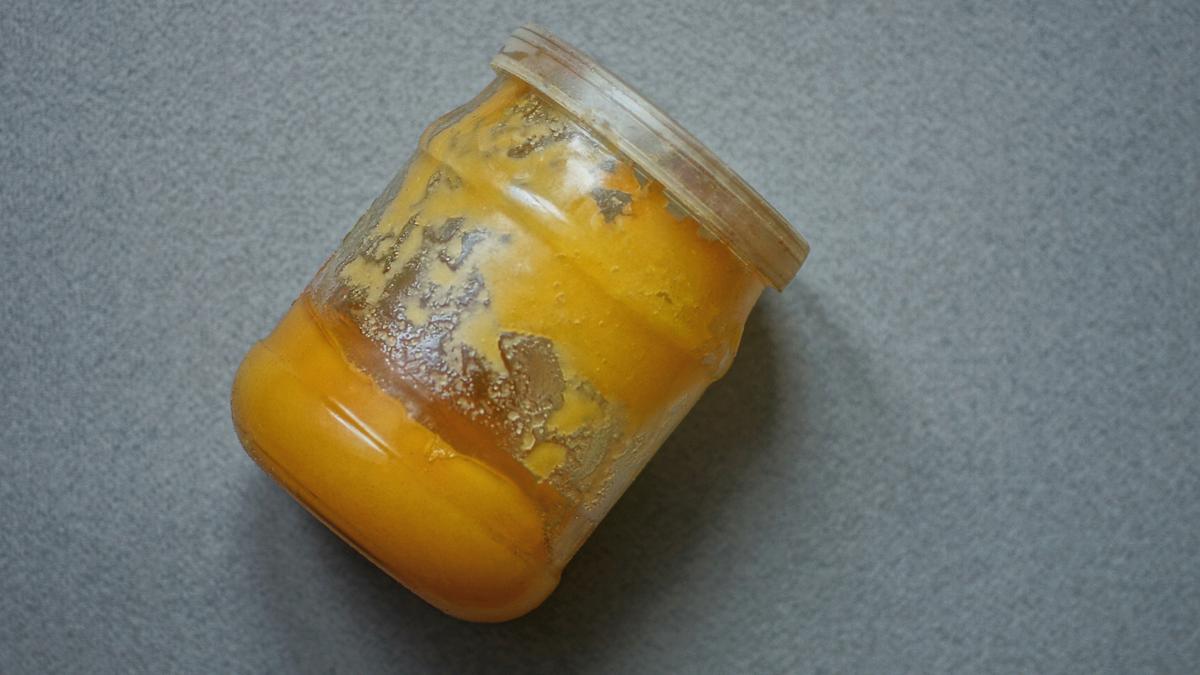
Researchers from the Department of Chemistry at the Central University of Tamil Nadu (CUTN) in Tiruvarur have developed an analytical method to detect and quantify multiple adulterants in clarified butter (ghee) made from cow’s milk.The method utilises Angular Sweep Total Fluorescence Spectroscopy (ASTFS) and with Multivariate Curve Resolution – Alternating Least Squares (MCR–ALS) chemometric analysis, a technique that was said to offer a fast, reliable, and cost-effective solution to combat food fraud while safeguarding consumer health.According to a CUTN official release, the research team, led by Dr. John Prakash along with researchers Anupama Vijayan and Anjali Rajesh, employed ASTFS to record the unique fluorescence fingerprint of pure cow ghee.When adulterants such as hydrogenated vegetable oil (vanaspati), beef tallow, and pork lard are introduced, the fluorescence profile undergoes characteristic changes.These complex spectral variations are then resolved using the MCR–ALS algorithm, enabling the system to distinguish the spectral contributions of individual components within adulterated samples.Unlike conventional methods that primarily detect the presence of adulteration, the ASTFS–MCR–ALS approach can simultaneously identify and accurately quantify multiple adulterants in mixed samples.The method demonstrated excellent predictive performance by estimating the concentration of each adulterant even at levels as low as 1% (w/w), making it suitable for identifying sophisticated adulteration practices involving more than one foreign fat.The technique was validated using both laboratory-prepared samples and commercially available ghee brands, consistently delivering high accuracy, robustness, and reproducibility.The combination of rapid fluorescence measurements with advanced chemometric modelling provides a powerful non-destructive alternative to conventional chromatographic techniques, significantly reducing analysis time without compromising analytical performance.The analysis requires only five micrograms of sample. Although it relies on specialised laboratory instrumentation, the estimated operational cost is approximately ₹50 per sample, making it economically viable for routine quality assessment, said the release.The CUTN research team aims at integrating the ASTFS–MCR–ALS platform into portable handheld devices, to enable dairy industries, regulatory agencies, and food safety inspectors perform rapid on-site screening and quantification of multiple adulterants. Published - July 27, 2026 05:47 pm IST
Central varsity scientists develop technique to detect and quantify multiple ghee adulterants
CUTN scientists develop a cost-effective method using ASTFS and MCR–ALS to detect and quantify ghee adulterants reliably.
329 words~1 min read