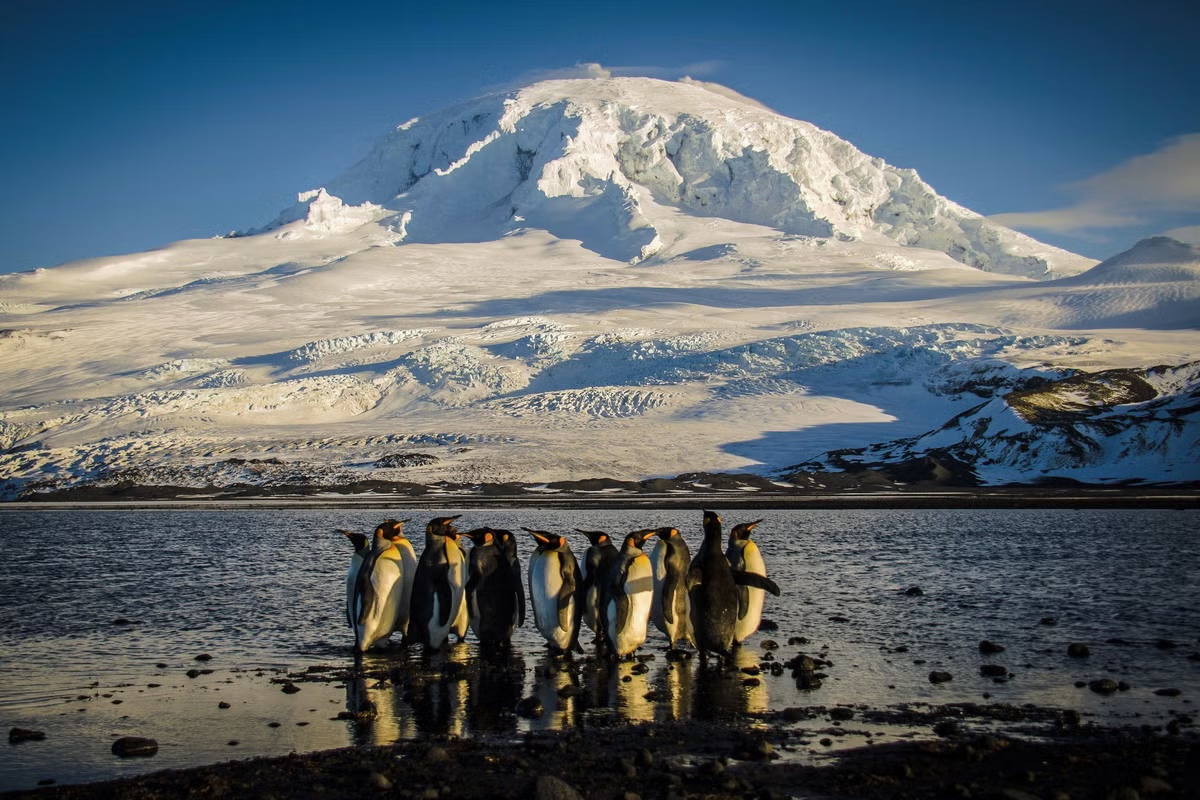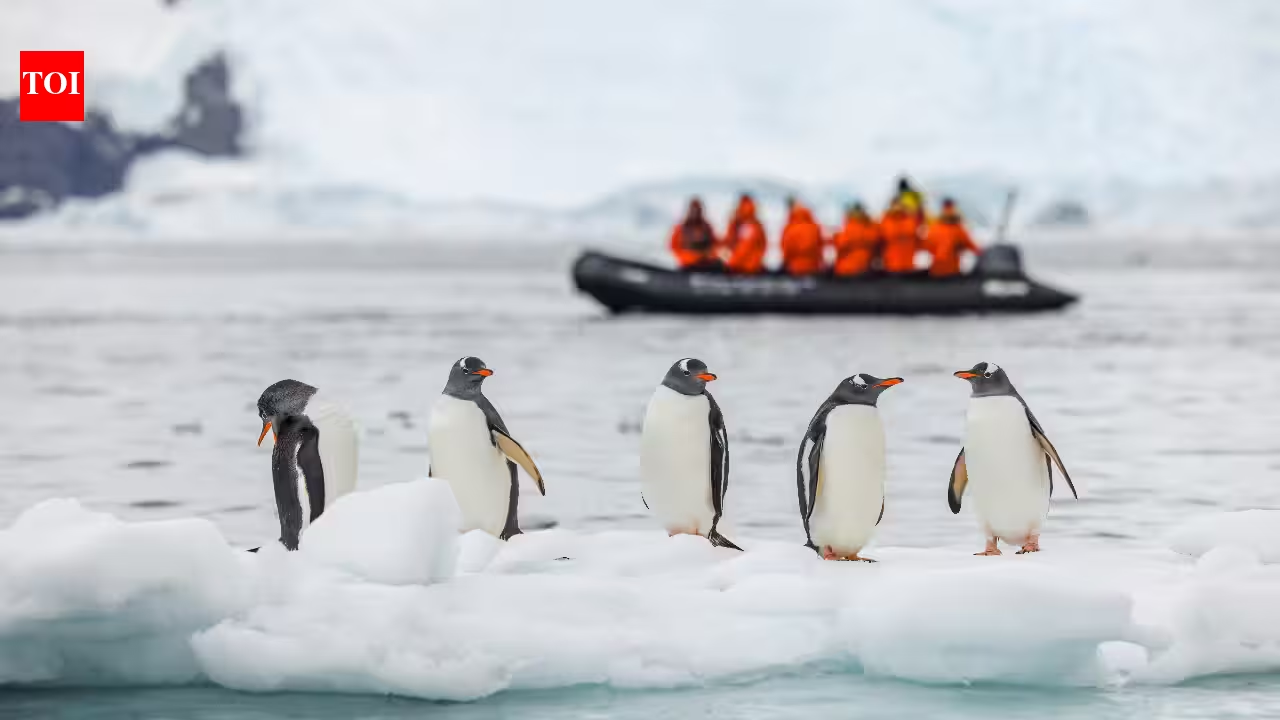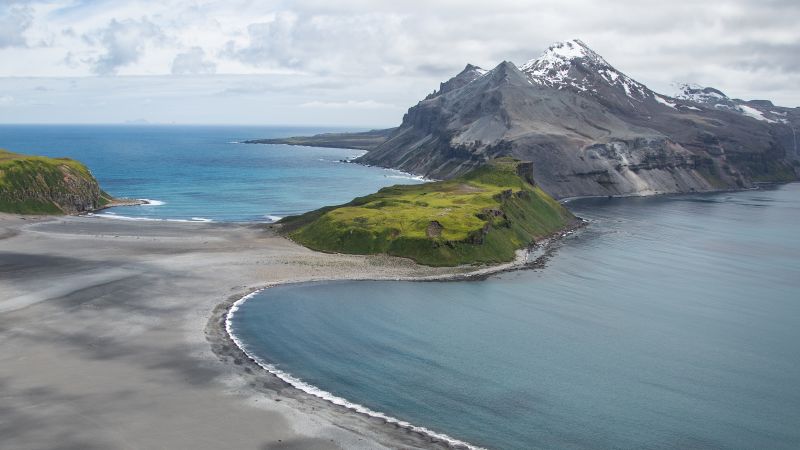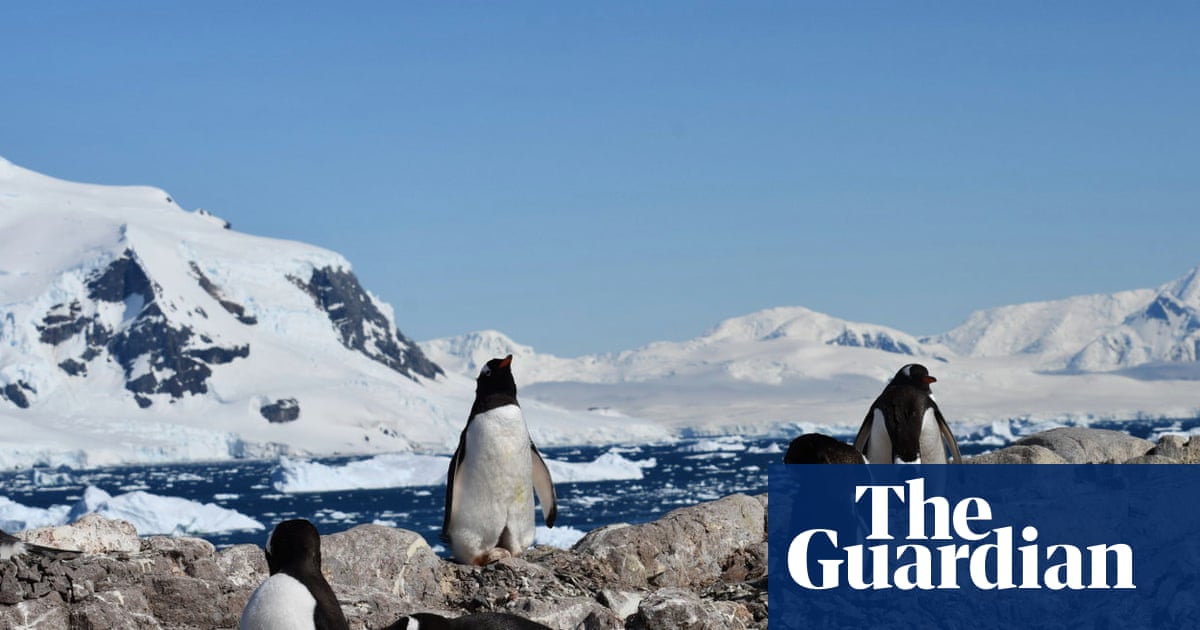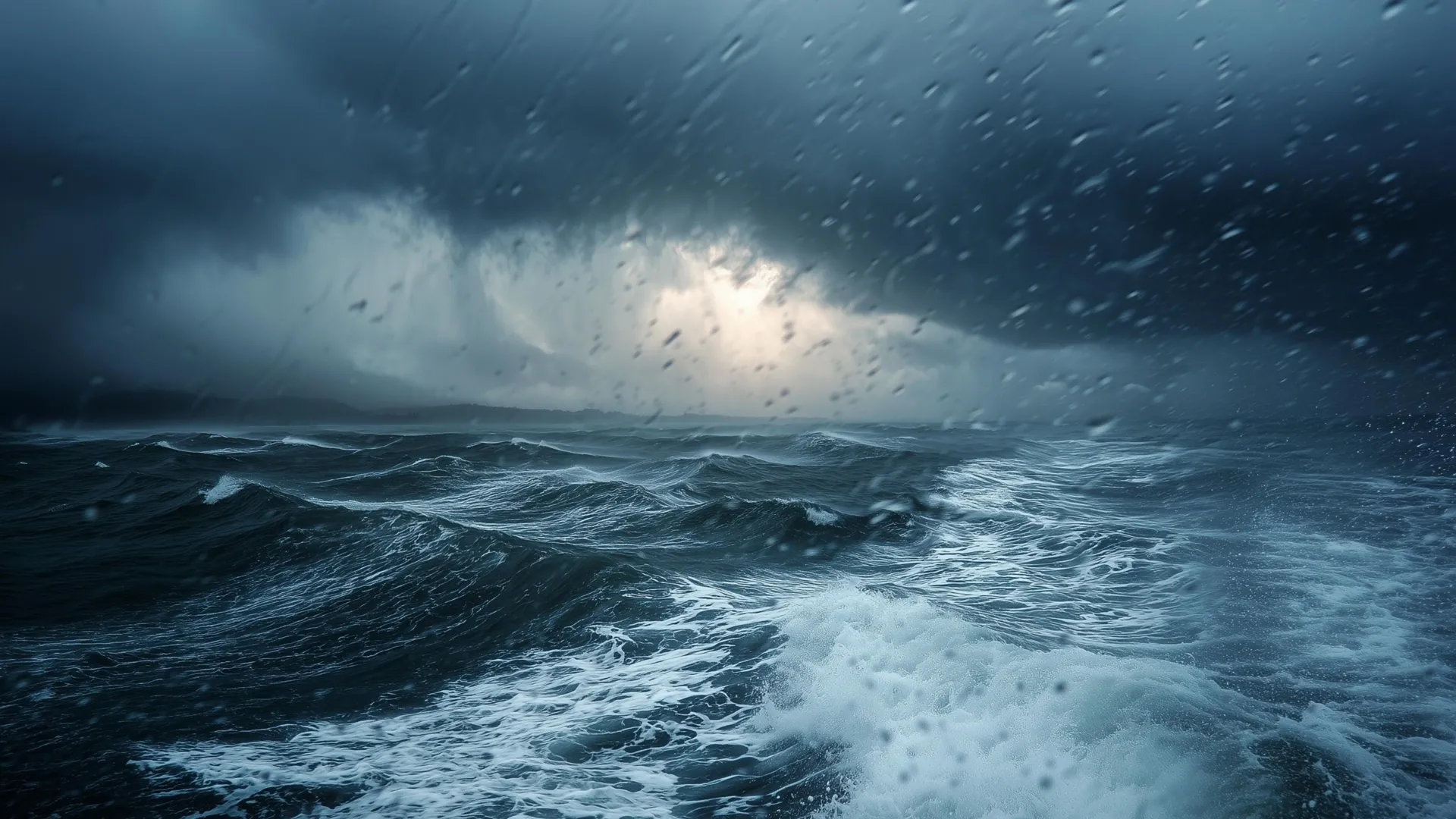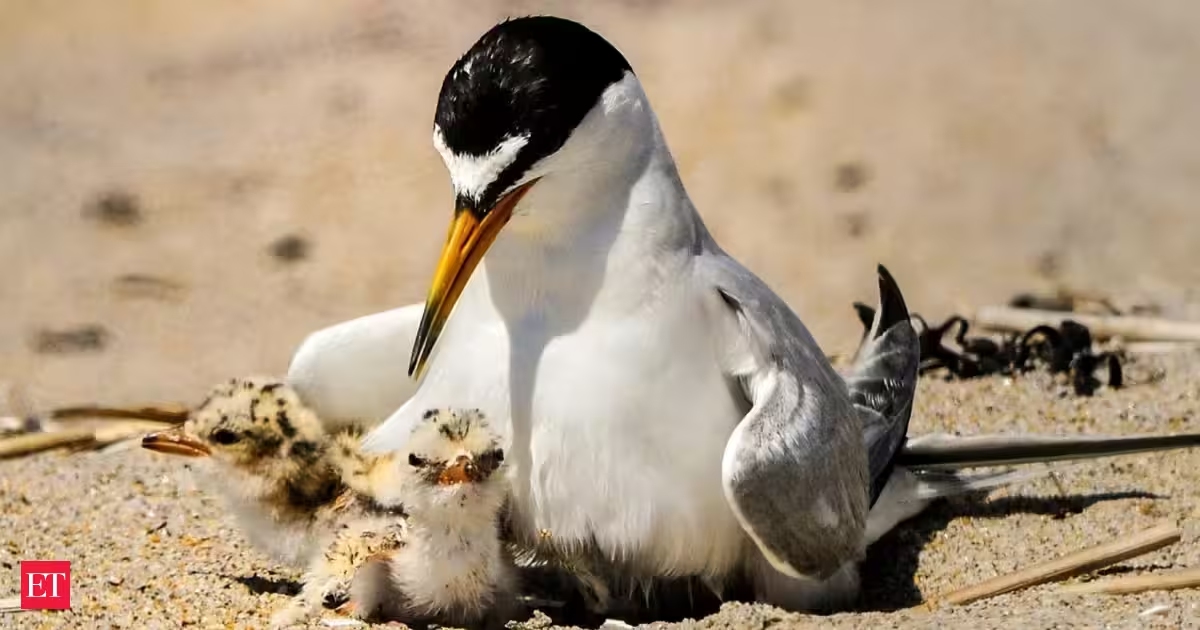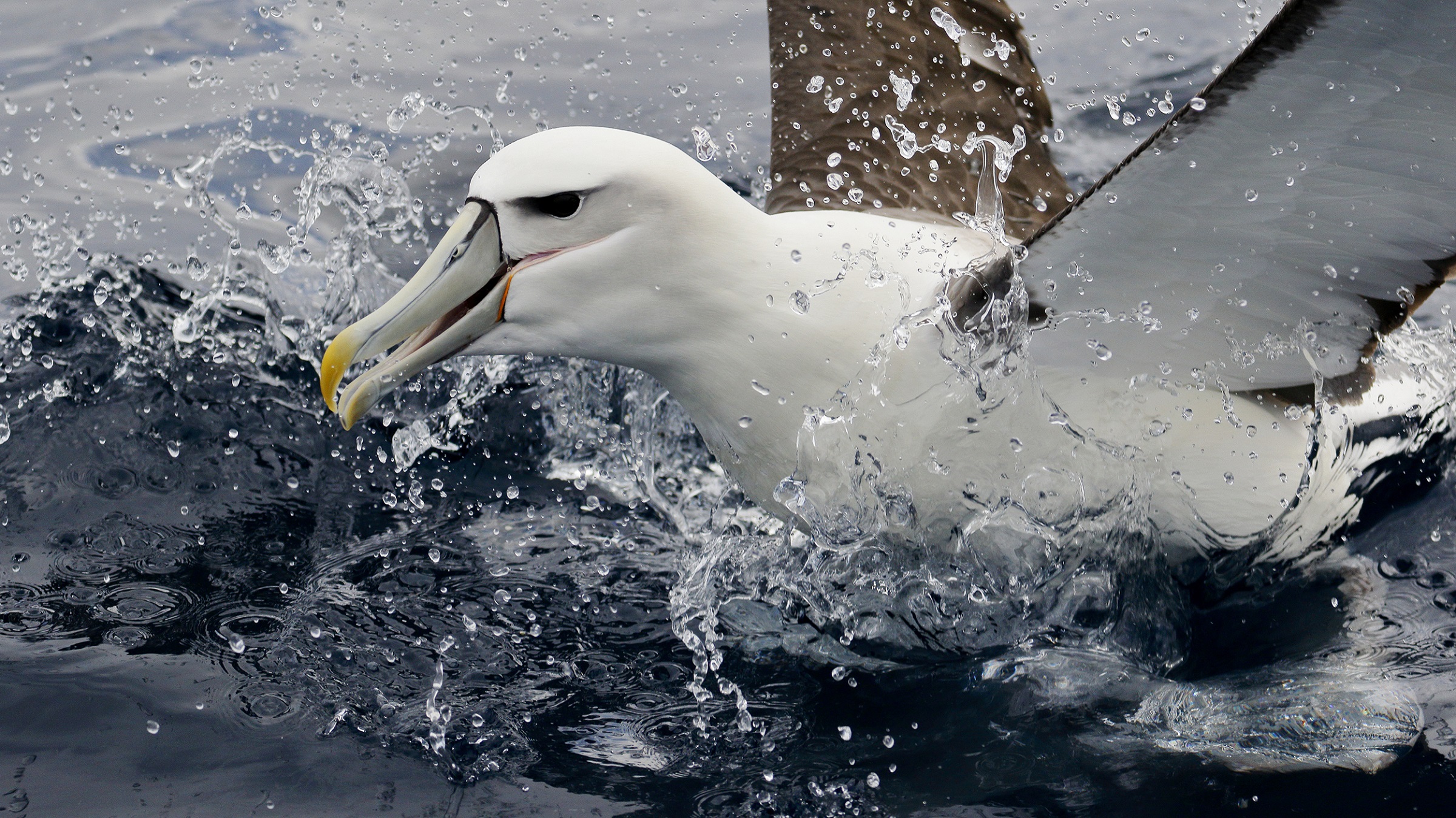
A recent study found that extreme weather events like storms, heat waves and floods can interfere with the breeding success of marine predators like seals, shearwaters and albatross that raise their young along the coasts of the Australian state of Tasmania.While some colonies appeared unaffected by extreme weather, others saw offspring swept away by powerful waves and storm surges, hypothermia during unusually wet episodes, and deadly overheating during periods of high temperatures.The researchers noted that these extremes are among many challenges seals, seabirds and other marine predators face, including pollution, disease and declining food supplies, which can also be influenced by extreme weather events.
On the rocky shores of Tasmania, seals and seabirds can’t shelter indoors during a storm or turn on the AC during a hot spell. When extreme weather strikes, they’re exposed to the elements, especially when they’re tied to a clumsy pup or a nest of newly hatched chicks.
The effects can be deadly. A study published in Science Advances in June found that extreme weather events like storms, heat waves and floods can interfere with the breeding success of important marine predators like seals, shearwaters and albatross that raise their young along the coasts. As these events become both more frequent and increasingly intense due to climate change, the study authors stress the need to monitor predator populations to better protect them from the effects, especially during vulnerable times in the breeding season.