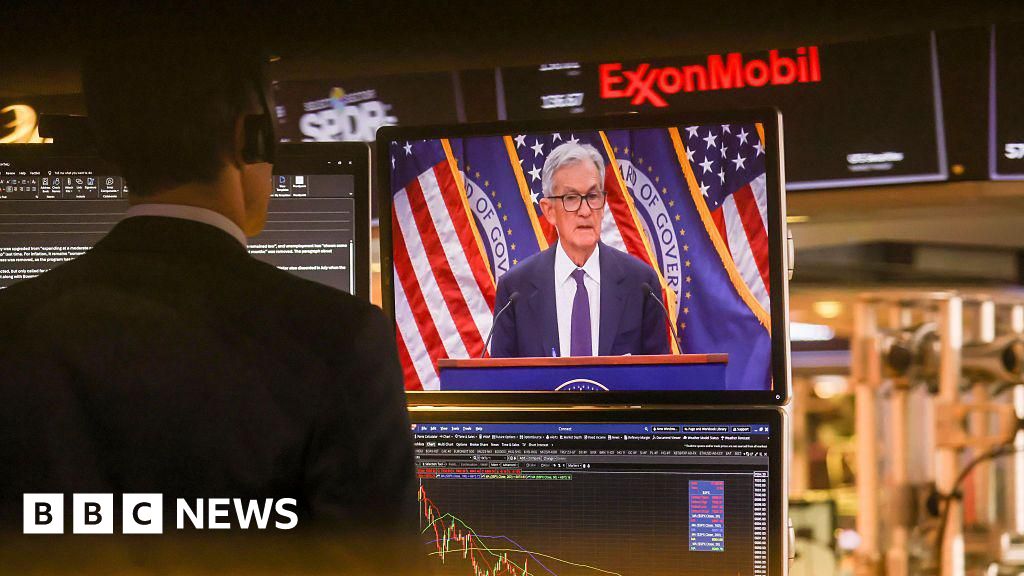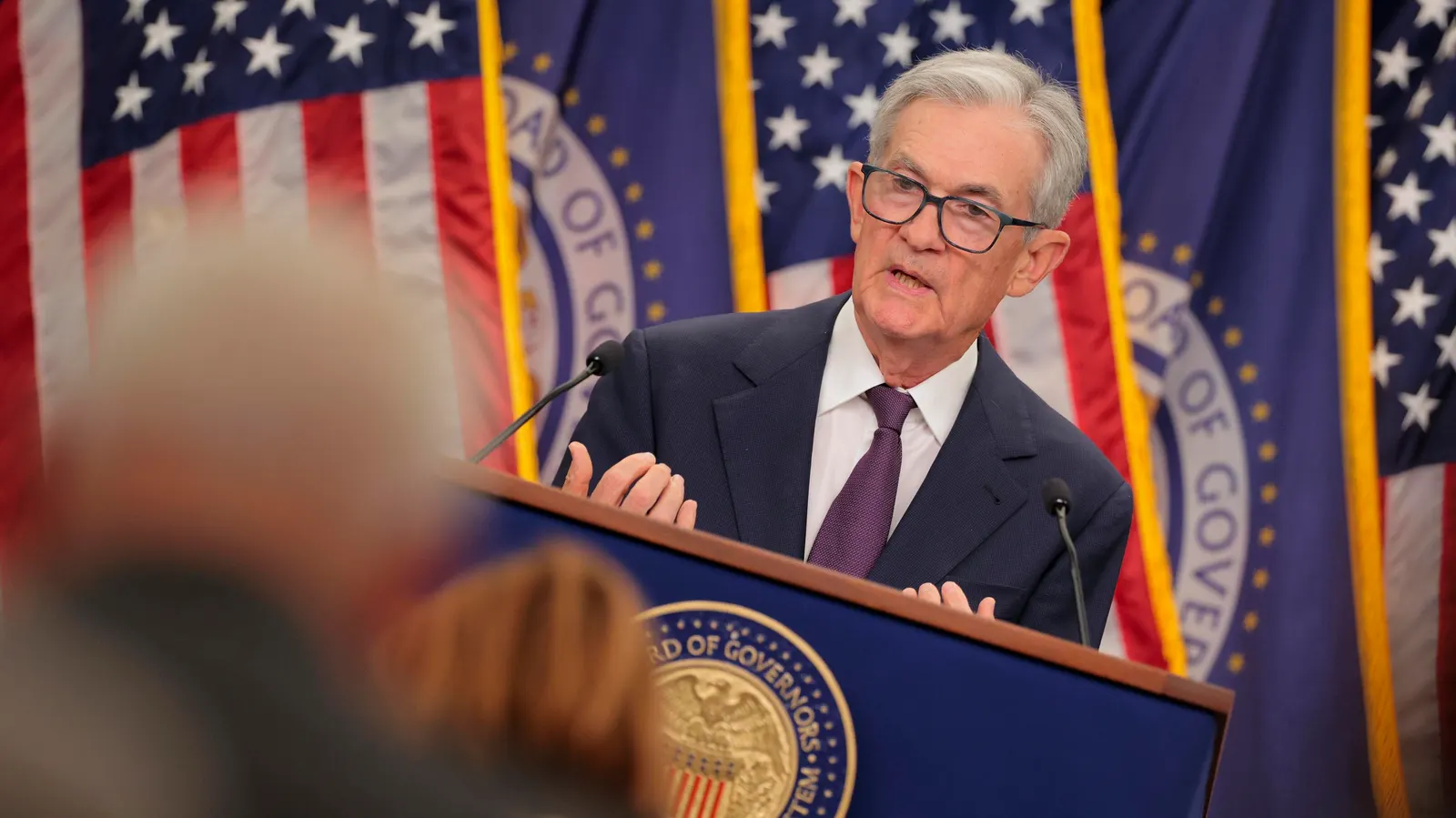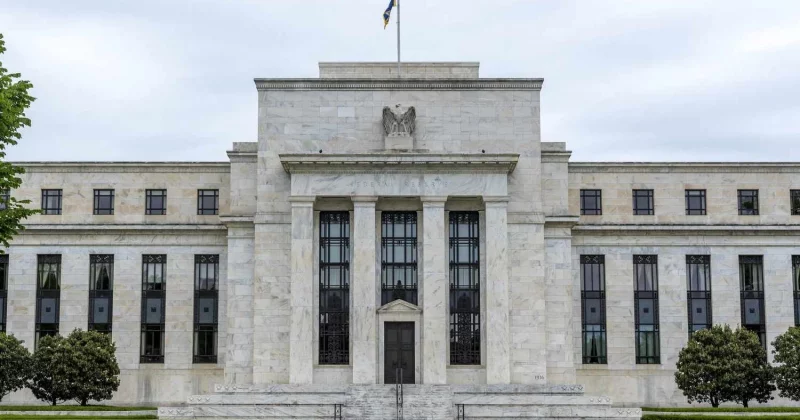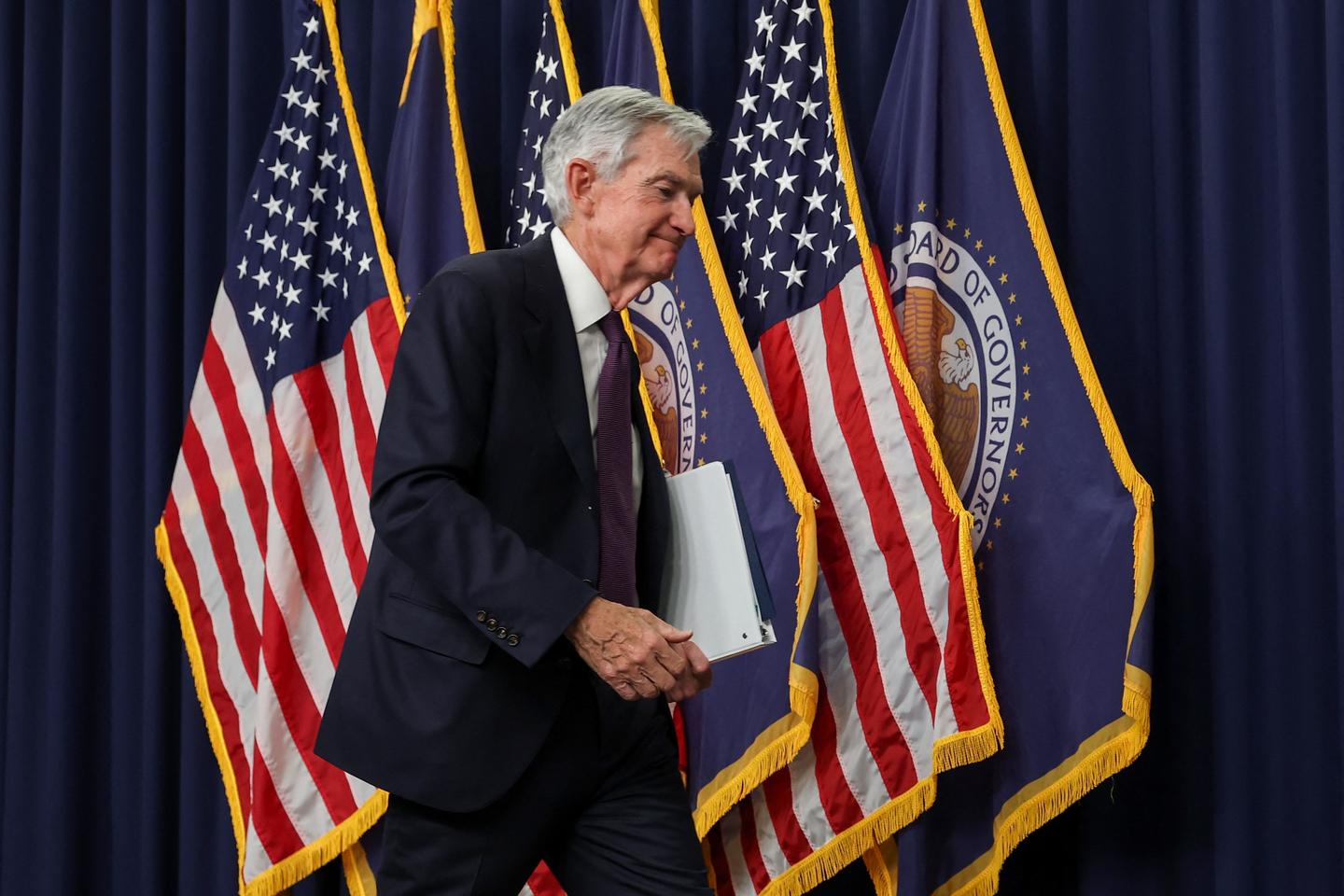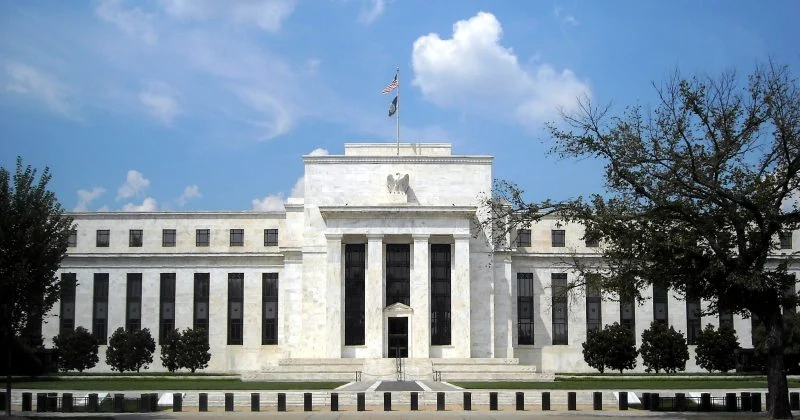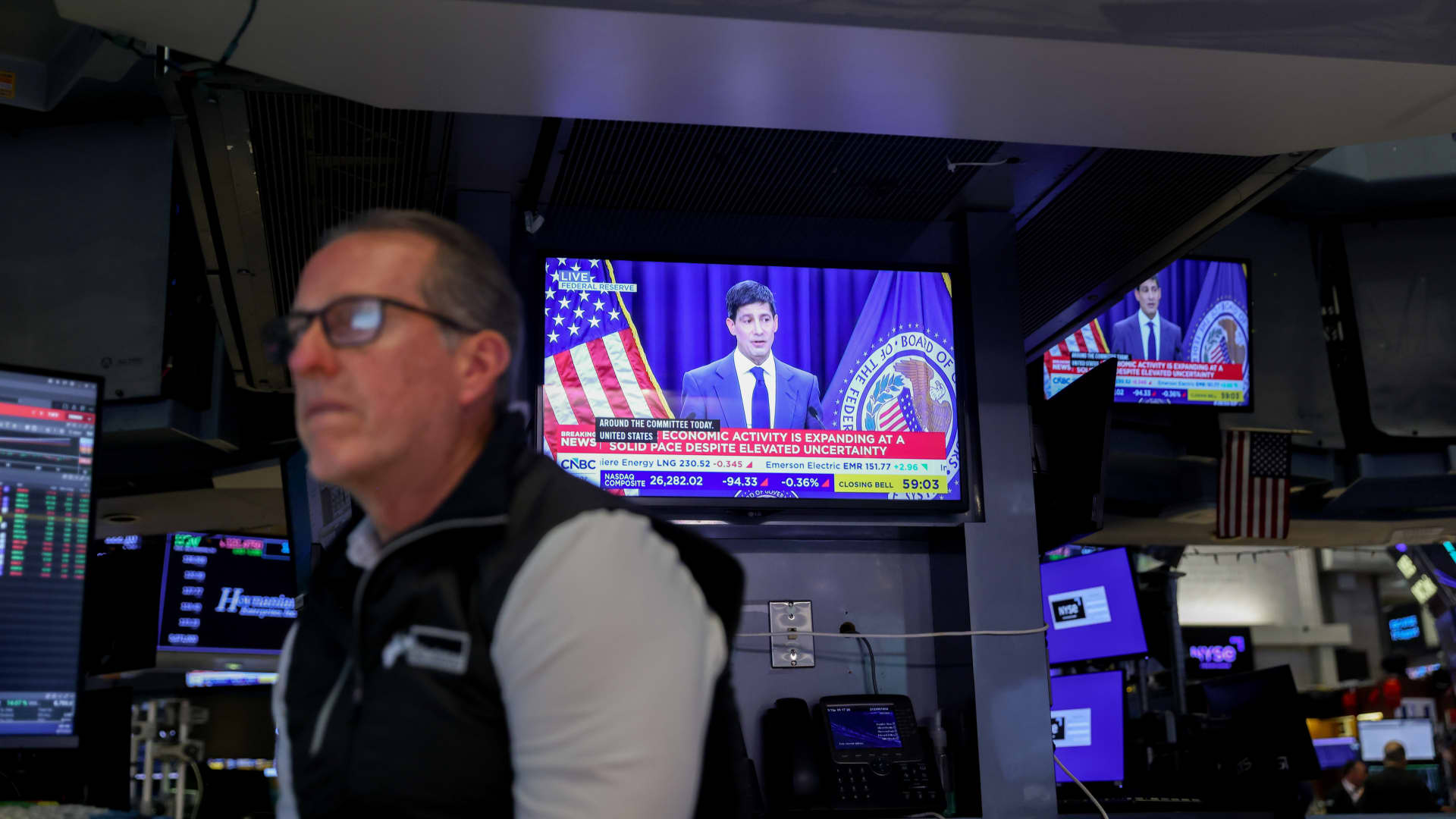
Markets enter this week's Federal Reserve meeting uncertain over how the US central bank will react to surging oil prices on heightened escalations in the Iran war.Roughly 62 per cent of traders anticipate the Fed will maintain interest rates between 3.5 and 3.75 per cent for a fifth straight time on Wednesday, according to CME Group data. “That is unusual before a meeting. Usually the market's pretty sure about what the outcome will be,” said Derek Tang, an economist at MPA Macro.However, the path forward from July is less certain. Some of this market apprehension is by design. Kevin Warsh, who is leading his second meeting as Fed chairman, has not offered forward guidance that clues markets in on future policy decisions.Other contributing factors are the renewed tension in the Iran war, the Houthis' so-called maritime embargo in Bab Al Mandeb and rekindling inflation fears because of the two.Fed futures indicate a September rate hike is firmly on the table. Central banks in the UAE and across the Gulf will surely follow because of their currencies' pegs to the dollar, leading to higher borrowing costs across the region. That would mark a stunning turnaround for the Fed, which had previously anticipated it would need to cut interest rates this year.“I believe we could see a rate hike during this year, especially with the Middle East tensions back, and increasing oil prices,” said Khaled El Khatib, head of global market analysts at MH Markets.The price of Brent crude ripped past $100 after the Houthis placed the embargo on Saudi Arabia before settling around $97 a barrel on Friday. Most recent data showed annual inflation slowed to 3.5 per cent in June, partly driven by lower energy costs, although still well above the Fed's long-term 2 per cent target. However, that relief might be only temporary.“Rising security risks around Bab Al Mandeb now threaten the route that markets were relying on to compensate for part of the Hormuz shortfall,” said Ahmed Azzam, head of market research at Equiti Group.And while the US is largely insulated from these oil-market shockwaves because of its status as a top exporter, the nation's oil reserves are depleting and petrol prices are pushing past $4 a gallon. Those effects will could push up inflation pressures elsewhere, leading to higher operating expenses for businesses who might be forced to cut back on spending and hiring."In parallel, these higher oil prices will bring the fear of inflation back to the markets," Mr El Khatib said.Great expectationsDriving concerns within the central bank may not be the initial sticker shock inside grocery and department stores, but the pressure it places on household budgets at a time when the Fed has not yet returned inflation to target after the 2021-22 surge. “Which is the last thing the Fed wants,” Mr Tang said.Fed officials have been clear that long-term inflation expectations so far remain anchored. This matters for policymakers because long-term inflation expectations shape how business and workers react to higher prices. If they no longer believe high prices will persist, inflation could spiral out of control. “If inflation is above target and inflation expectations are unanchored, the central bank faces two problems – getting inflation back down and re-anchoring inflation expectations. This will typically require significantly larger and faster rate hikes for the same degree of above-target inflation,” Governor Christopher Waller said in a speech before the Fed's quiet period.That puts added pressure on Mr Warsh, who will probably be grilled about his commitment to keeping inflation in check. Speaking to politicians on Capitol Hill this month, Mr Warsh said he has no appetite for high inflation. However, the prospect of raising rates would also put him at odds with President Donald Trump, who repeatedly attacked Mr Warsh's predecessor, Jerome Powell, for not delivering aggressive rate cuts.“The clearest test will come from long-term inflation expectations. If they remain anchored without Warsh resorting to dramatic hawkish language, his message has worked. If investors demand a larger inflation premium because they doubt the Fed’s independence, repeating 'price stability' will achieve very little,” Mr Azzam said.
Iran war escalation puts Federal Reserve in a bind | The National
Investors increase bets on US central bank to raise rates on surging oil prices
681 words~3 min read