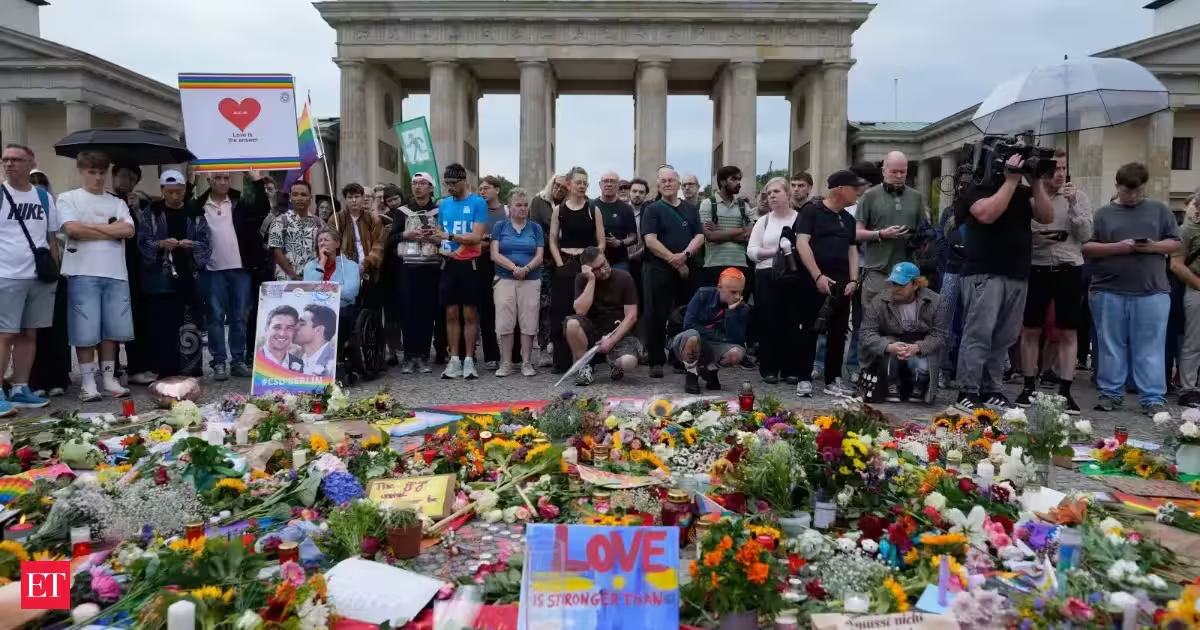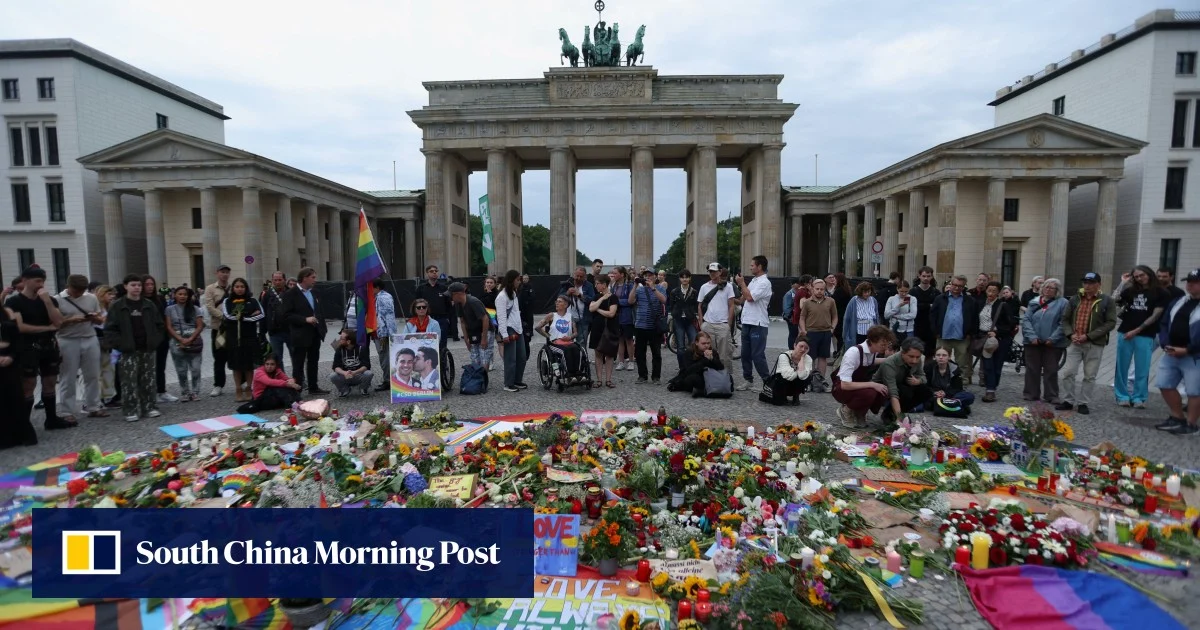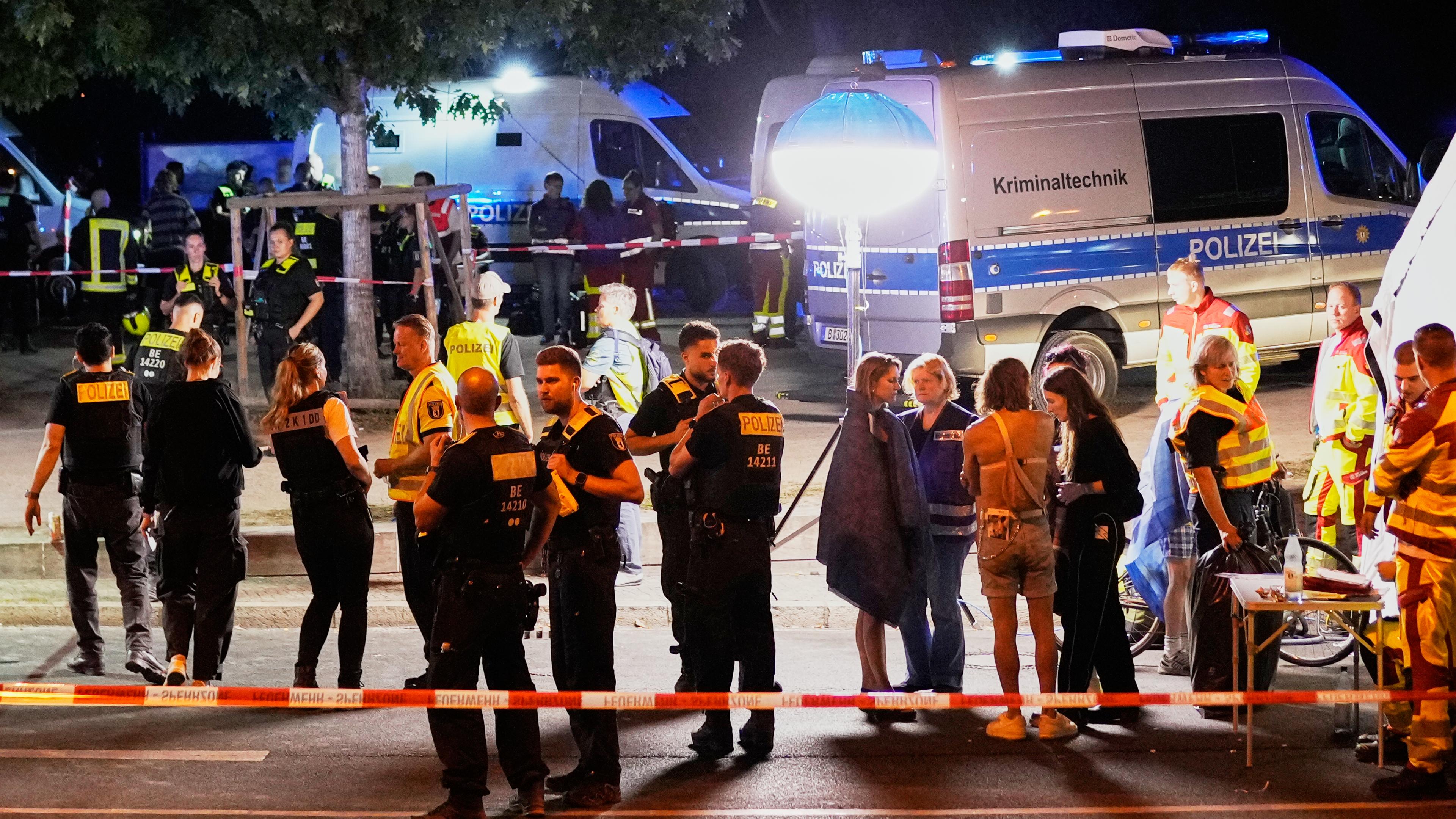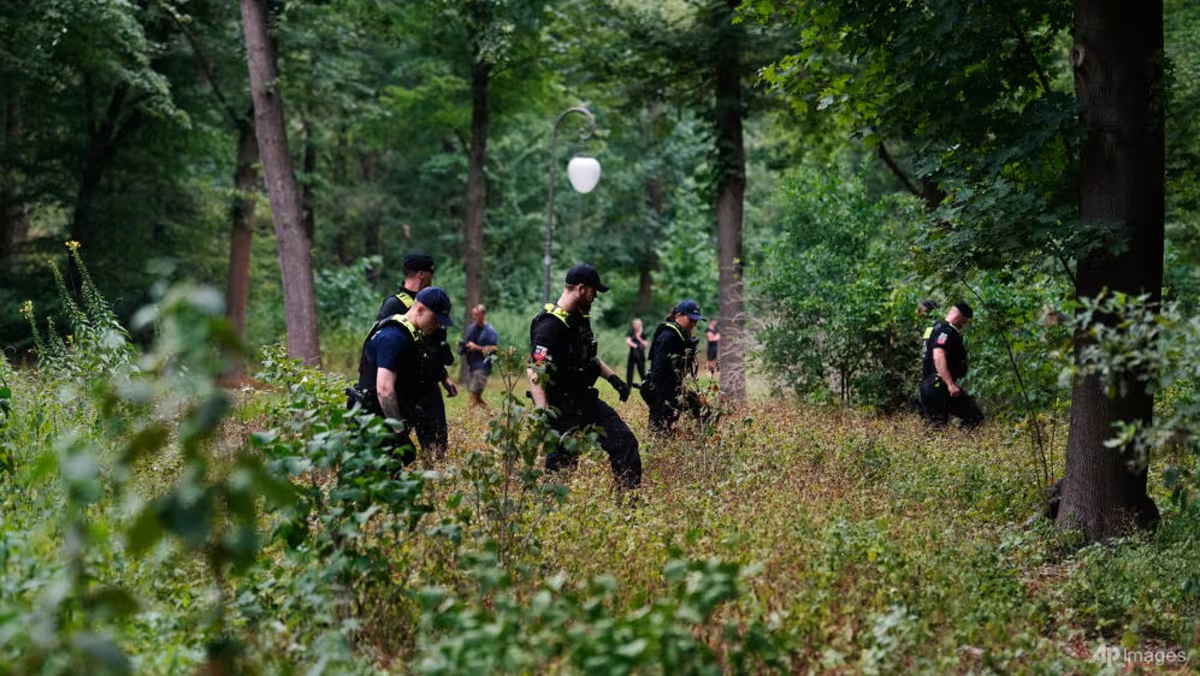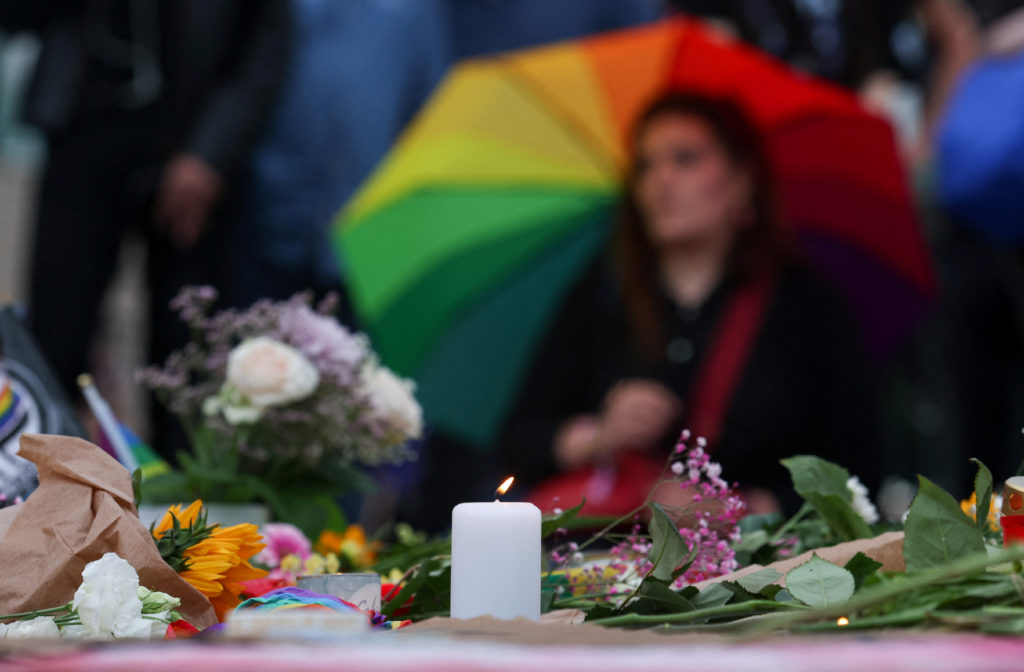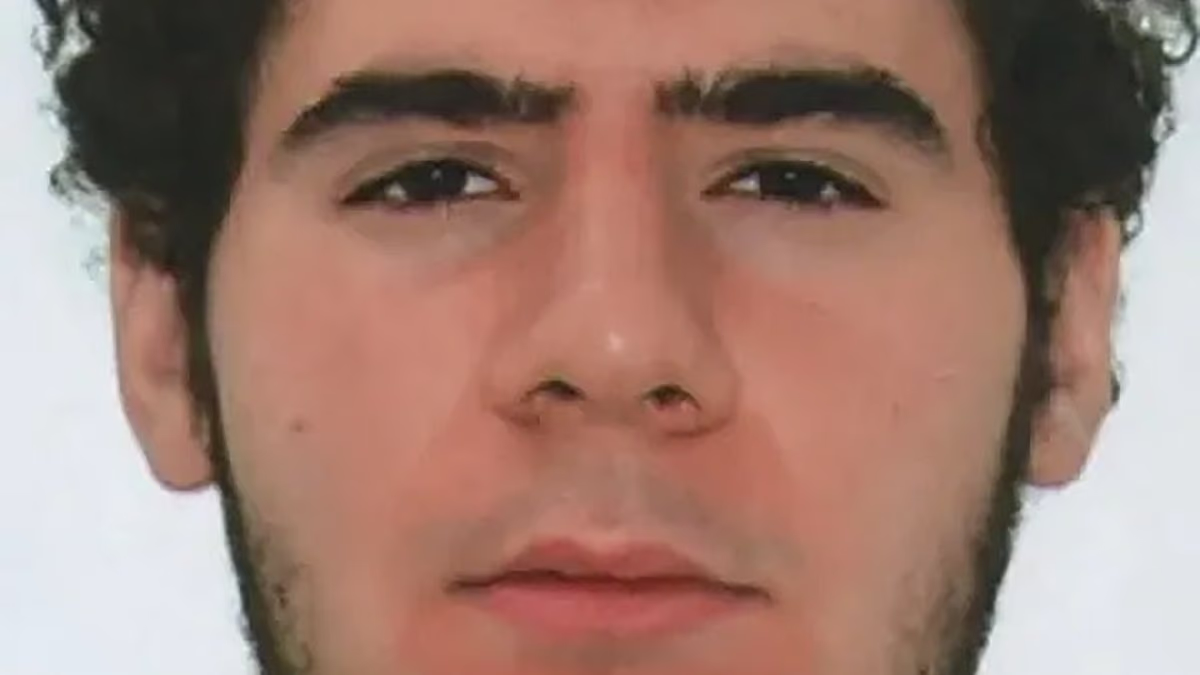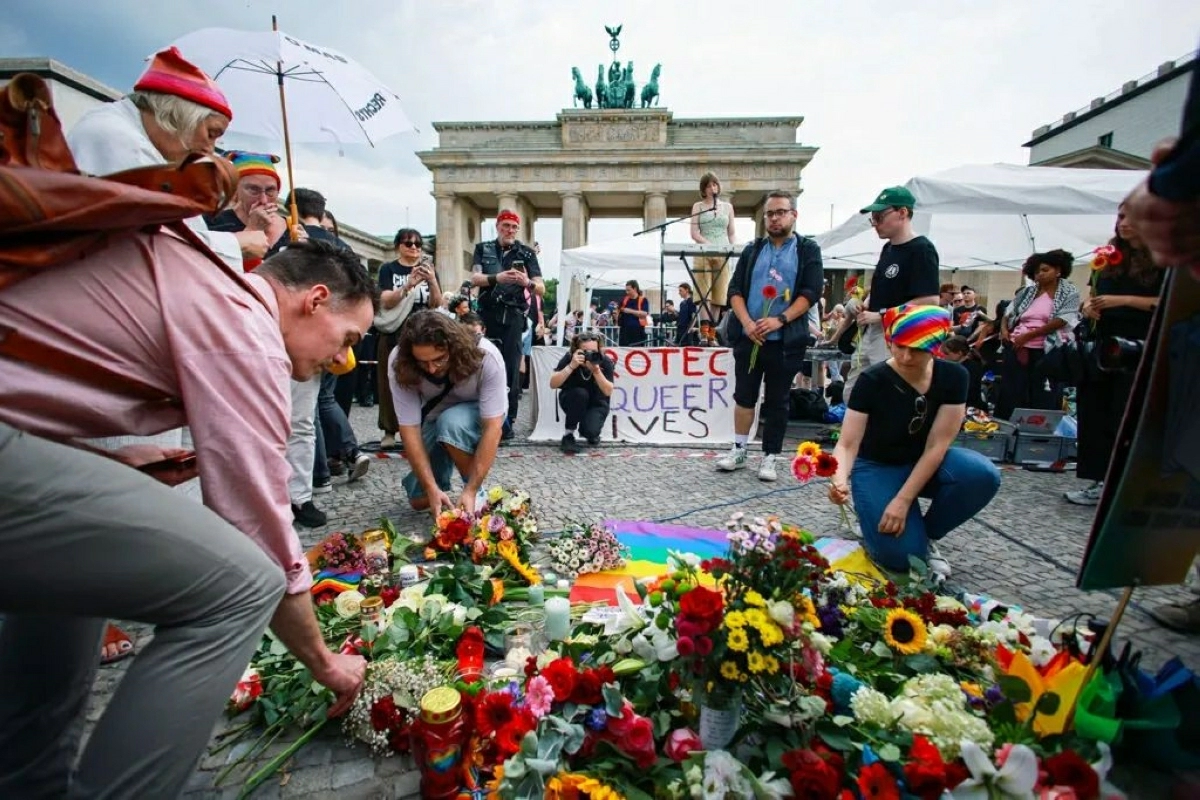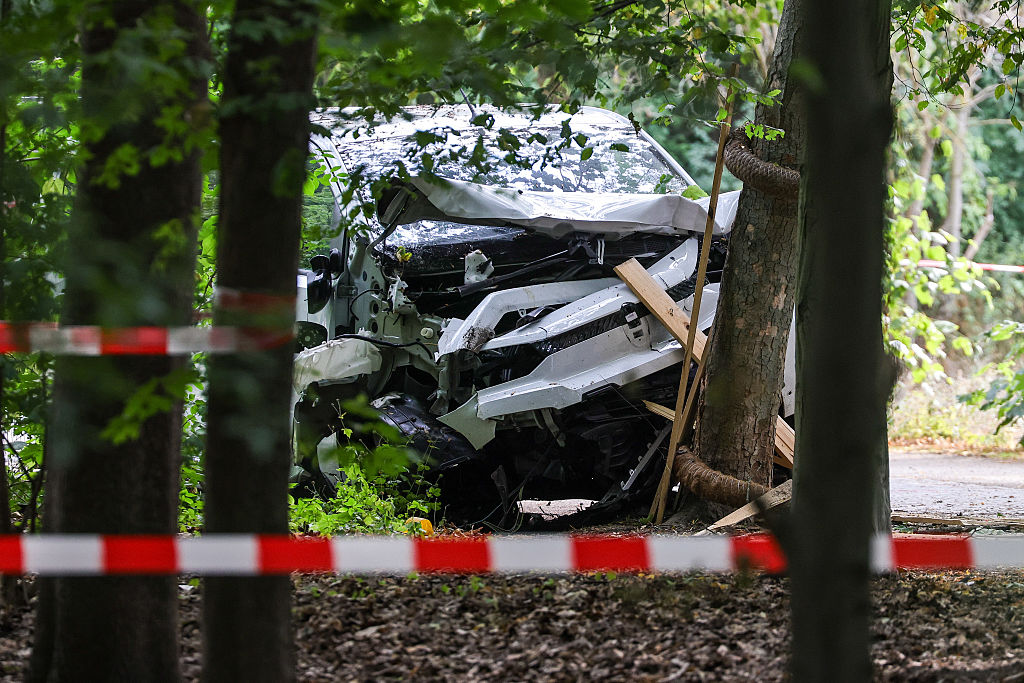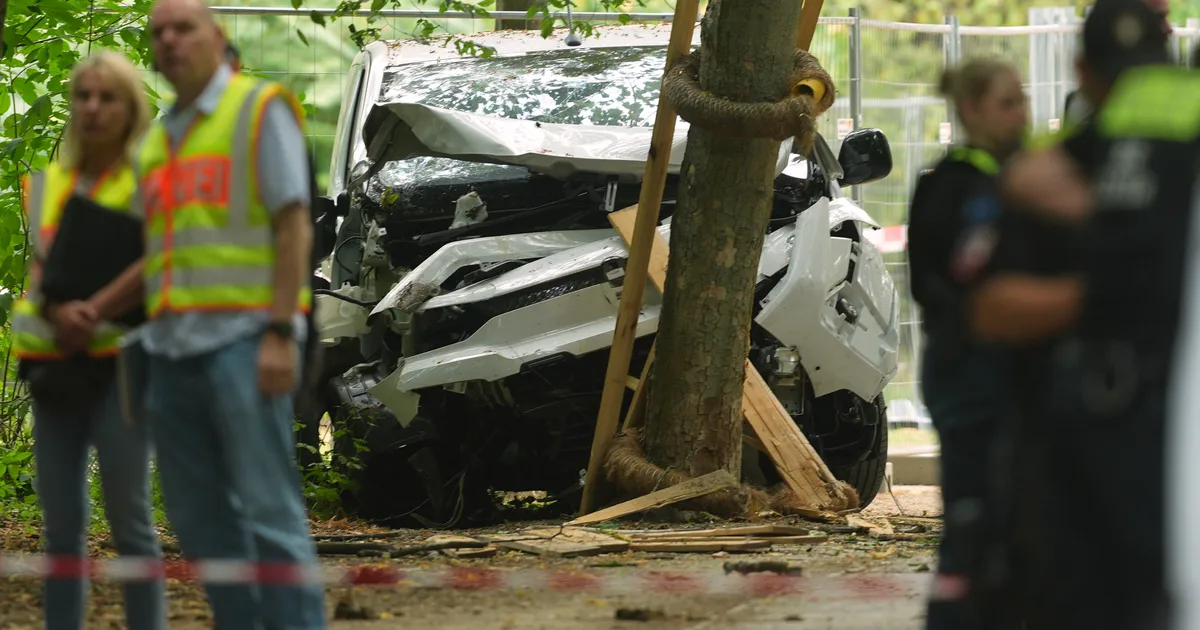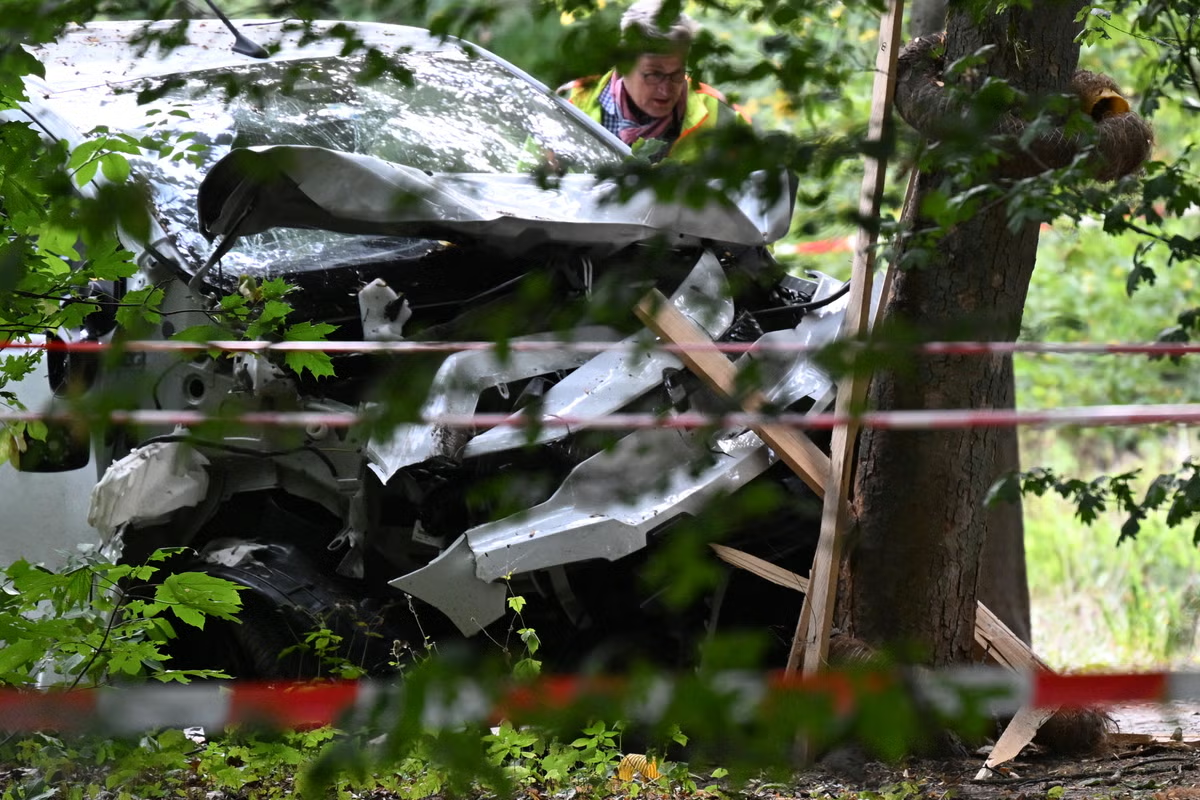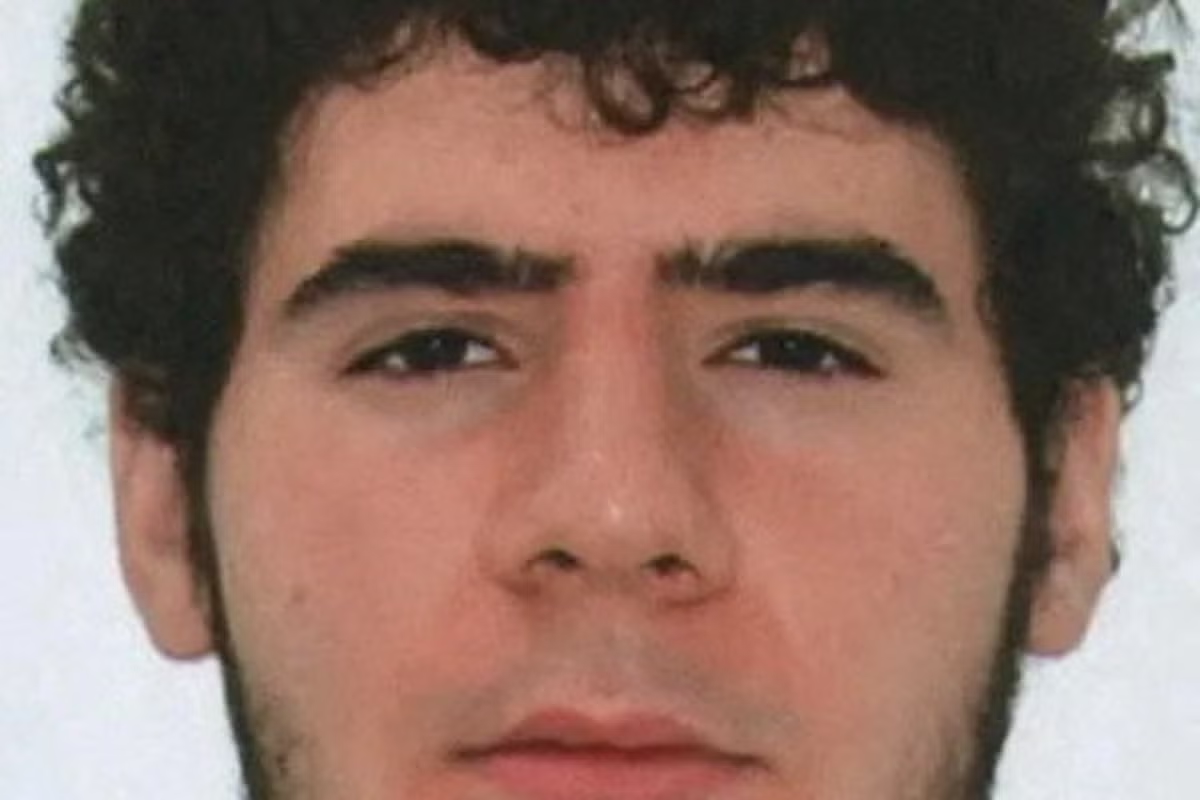
A 21-year-old man was shot dead by police on Sunday after allegedly driving a minivan into a crowd during Berlin’s Pride parade, killing one person.The attack happened in the Tiergarten park near the Brandenburg Gate at around 10pm local time on Saturday, near one of Europe’s biggest annual LGBTQ+ celebrations.Officials said that in addition to the one fatality, 29 people were injured, some by a bladed weapon wielded by the attacker.Authorities identified the suspect as Abdul Ballout, a German citizen of Lebanese heritage, who they said was known to police and had been radicalised. He is reported to have links to terrorist group ISIS. A white van (pictured) crashed into a crowd near Berlin's annual Christopher Street Day Pride parade on Saturday evening (Reuters)The incident - the latest in a string of vehicle ramming attacks on crowds in Germany in recent years - prompted renewed calls across the political spectrum to tighten laws and crack down on Islamic radicalism.Here’s what we know so far about the attack at Berlin Pride:What happened at Berlin Pride?One person was killed and more than two dozen injured, some in life-threatening condition, after a vehicle mowed down a crowd near Berlin's Pride celebrations on Saturday evening.Hundreds of thousands of people had gathered in the German capital for the annual Christopher Street Day celebrations prior to the attack. Police said the vehicle struck multiple people after charging into the city's central Tiergarten park close to the Brandenburg Gate.The 21-year old suspect identified by police as Abdul B. in a public call for his arrest, before he was shot dead by police on Sunday (Reuters)A witness told tabloid newspaper Bild that a man emerged from the vehicle and fled on foot.The celebrations were called off on Saturday after the attack, as police launched a manhunt for the driver.A spokesperson for Berlin police said the suspected perpetrator was “known to the police as a member of the Islamist scene here in Berlin”.They initially said it was not clear whether he acted alone, but later on Sunday said they were not looking for any other suspects.Who is the suspect in the Berlin Pride attack?On Sunday evening, police said they had located and shot dead the suspect in Berlin’s westernmost borough.They said they found the suspect at an allotment garden complex in Spandau. Their initial report said that the suspect “ran towards officers while armed with a bladed weapon” prompting police to open fire.“Despite immediate resuscitation efforts by the Berlin Fire Department, he died at the scene,” Berlin police said in a statement posted to social media.Police shot dead a suspect on Sunday who they believe carried out a deliberate attack on a Pride crowd in Berlin a day prior (AFP/Getty)Interior minister Alexander Dobrindt had said earlier that the suspect had "attracted attention in the past through a high number of criminal offences, through radicalisation, through membership of the Islamist scene”. He said that the suspect was a German citizen of Lebanese heritage, born in Germany in 2005.Security sources told Reuters the suspect had been released from juvenile detention only two months ago. They said he was known to domestic intelligence and was among the hundreds of people classed as potentially dangerous, a label that usually leads to monitoring.The Berlin public prosecutor's office released a statement revealing details of his criminal history. Prosecutors said in May 2025 that he had travelled to Lebanon with the intention of joining Islamic State in Syria.While there, he allegedly made contact with several individuals he believed were members of ISIS.He was then arrested in Lebanon in July 2025 and sentenced to three months in prison for incitement to religious and sectarian conflict. Ballout returned to Germany that November and was arrested and held in pre-trial detention.On 12 May of this year, the Tiergarten District Court sentenced him to one year and 10 months in prison for “preparing a serious act of violence endangering the state” - but the decision was deferred for six months.His address was searched on 3 July on suspicion of a violation of Germany's Weapons Act, but only a toy gun was found.He had also been convicted of assault and robbery in 2022, and of robbery in 2020.Asked about reports he had received a suspended sentence, Dobrindt told broadcaster ZDF: “It would certainly have been advisable to place this individual in custody”.What has the response been to the Tiergarten attack?The attack has intensified debate around security and immigration amid a surge in support for the far-right in Germany.There were calls across the political spectrum to tighten laws and crack down on Islamic radicalism.Ahead of a memorial service at St Mary's Church in Berlin, centre-right Chancellor Friedrich Merz vowed consequences and urged Germans not to be intimidated, affirming the country would stand united in defence of its freedom.Police watch a vigil after the attack, on Sunday (AP)“We will defend the freedom, openness, and liberal spirit of our lives and our society with everything we can do,” he said.Green politician and Bundestag Vice President Omid Nouripour wrote on X that Germany must stand against “murderous Islamism”.Daniel Peters, a regional leader of the centre-right CDU, said on X that Islamic State “supporters must not walk free in Germany”.The attack comes at a sensitive time for Merz's unpopular coalition government, which is going through a bruising cabinet reshuffle.State elections take place in two months, with the far-right opposition party Alternative for Germany (AfD) campaigning on issues including immigration and security in a bid to secure control of a regional government for the first time. The AfD was quick to comment on the attack.German Chancellor Friedrich Merz speaks during a mass on Sunday, after the attack, at the Marienkirche church in Berlin (AFP/Getty)"We will not allow religious extremists to divide our country with violence and intolerance!" AfD co-chief Tino Chrupalla said on X.The organisers of Christopher Street Day said in a statement: “We don't want this act to be exploited for political purposes or for people to be placed under general suspicion.“Such violence is an attempt to divide our society and incite people against each other. We, as Berlin CSD, will not allow this.”
Berlin Pride attack suspect ‘tried to join ISIS’ and had previous criminal conviction
Police identified the suspect as Abdul Ballout, a German citizen of Lebanese heritage who was known to authorities
1,018 words~5 min read