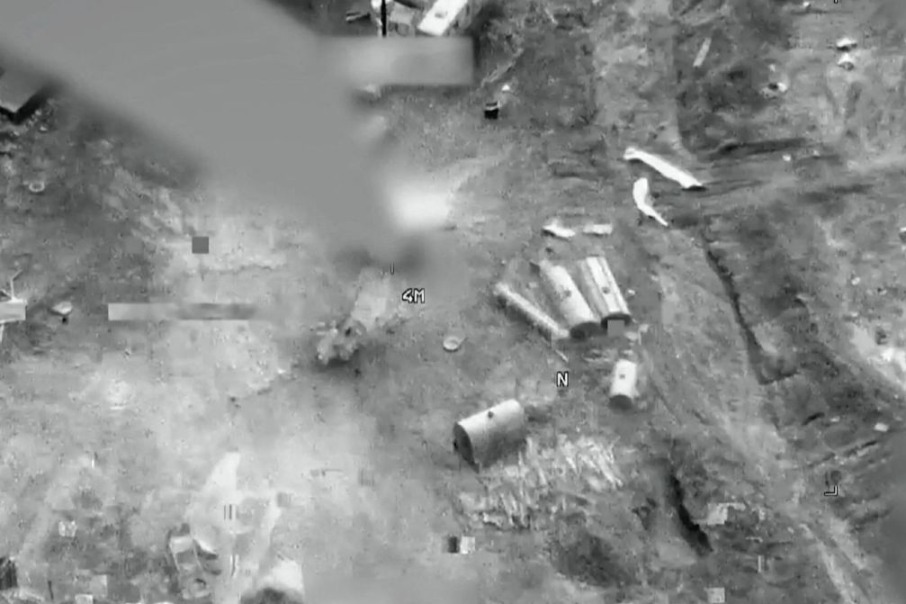
This screen grab made on July 23 from handout video footage released by the US Central Command on July 22 shows US forces launching what the military says are precision strikes against Iran for the twelfth consecutive night. [Photo/Agencies]
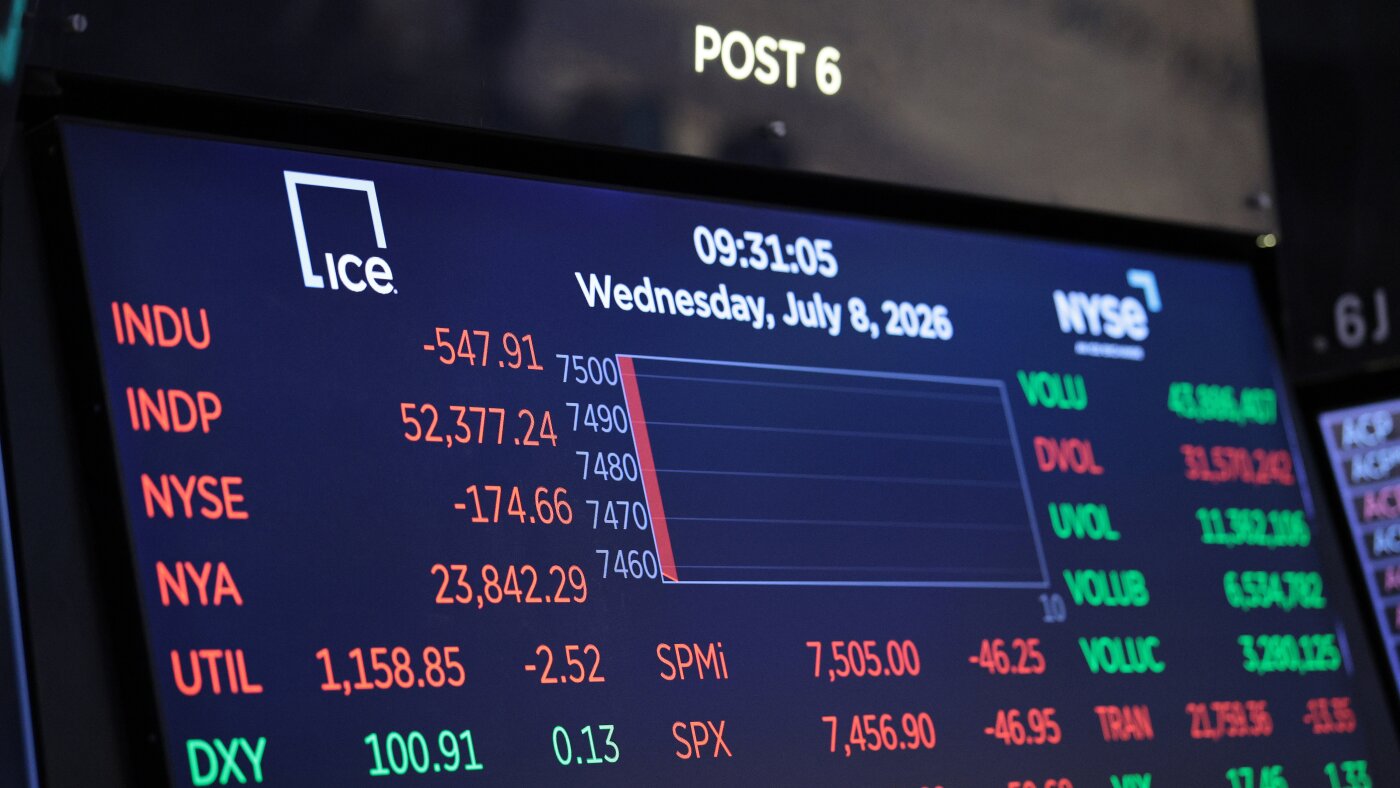
Nearly five months into the latest round of tensions between the United States and Iran, prospects for renewed negotiations remain dim. The prolonged standoff has pushed up crude oil and gasoline prices, fueling concerns over regional stability and clouding the outlook for the global economic recovery, experts said.
Escalating hostilities between the United States and Iran could reignite inflation, drive up interest rates and weigh heavily on global economic growth, World Bank Chief Economist Indermit Gill warned.
The World Bank lowered its global growth forecast for 2026 to 2.5 percent in a report released in June and outlined a worst-case scenario reflecting prolonged instability in the Middle East.
However, in an interview on July 21, Gill said the worst-case scenario, in which hostilities persist for six months or longer, is already close to becoming reality. Under that scenario, global growth could slow to as low as 1.3 percent, while global headline inflation would climb to 4.5 percent.