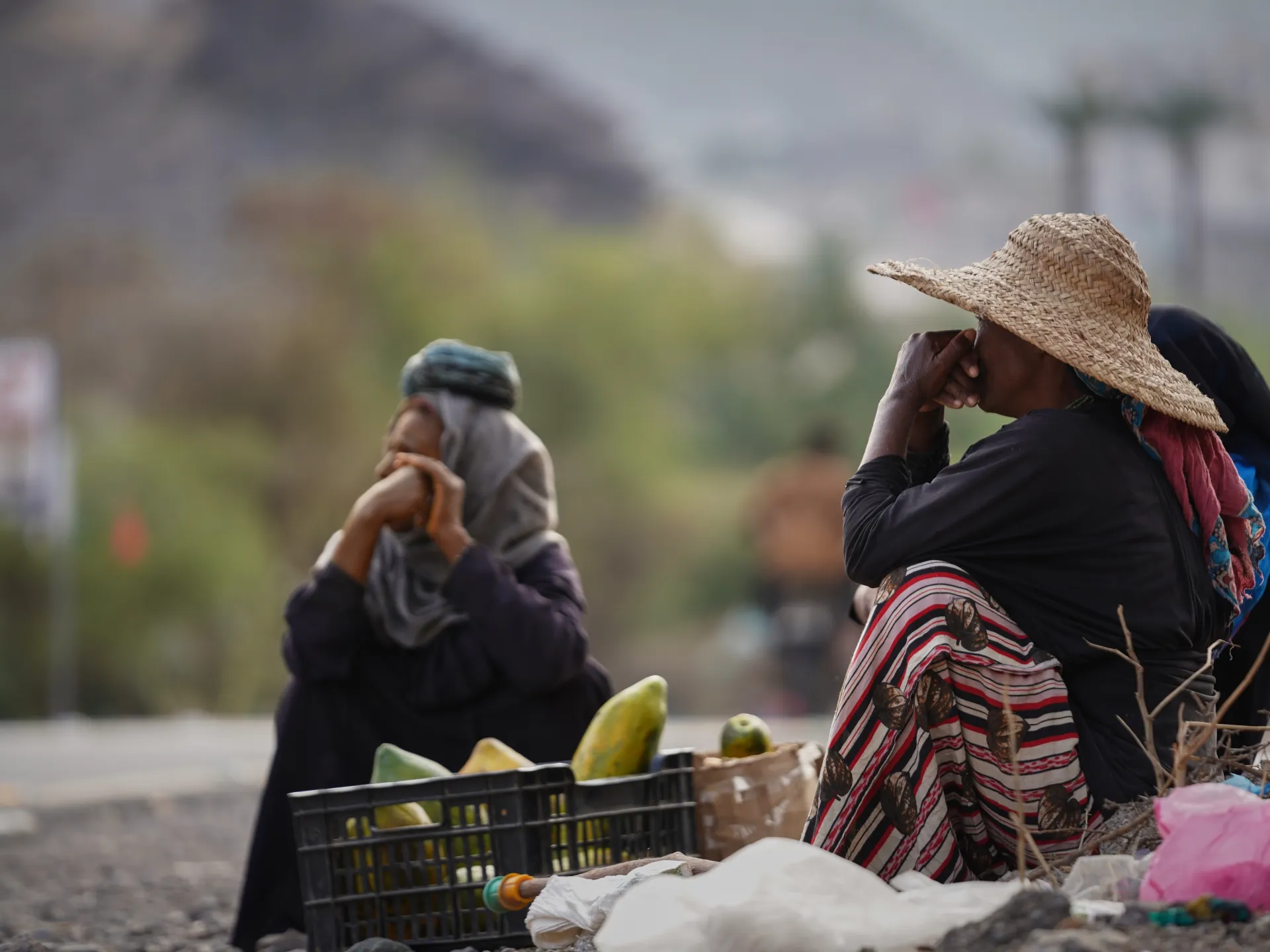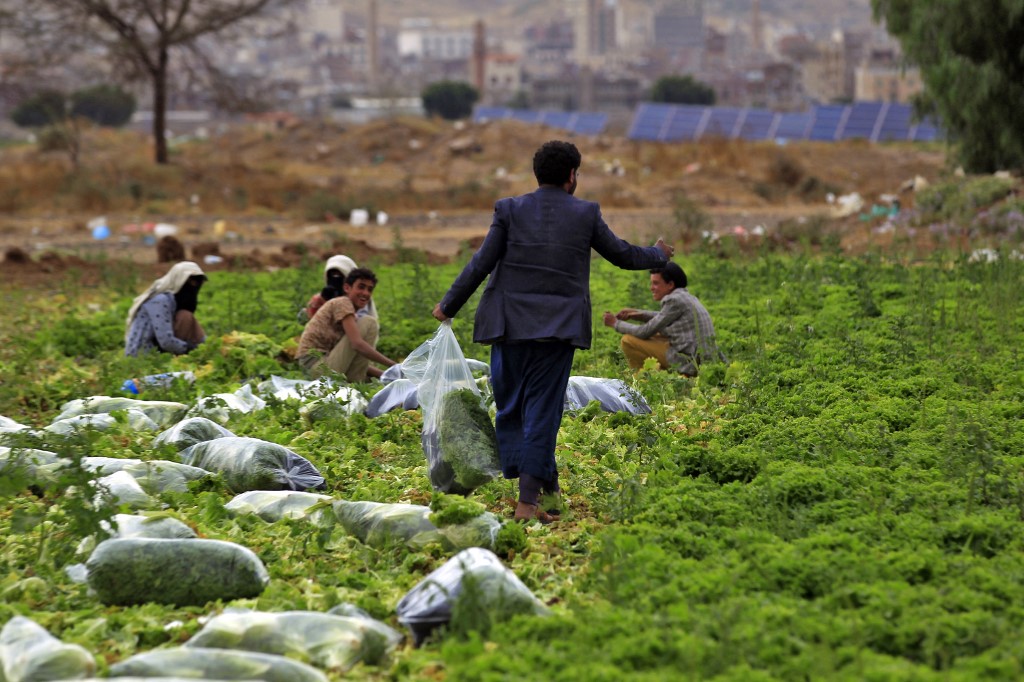
It is common in Yemen for people to inherit their professions from their fathers, especially those without formal education, who enter the workforce at an early age.
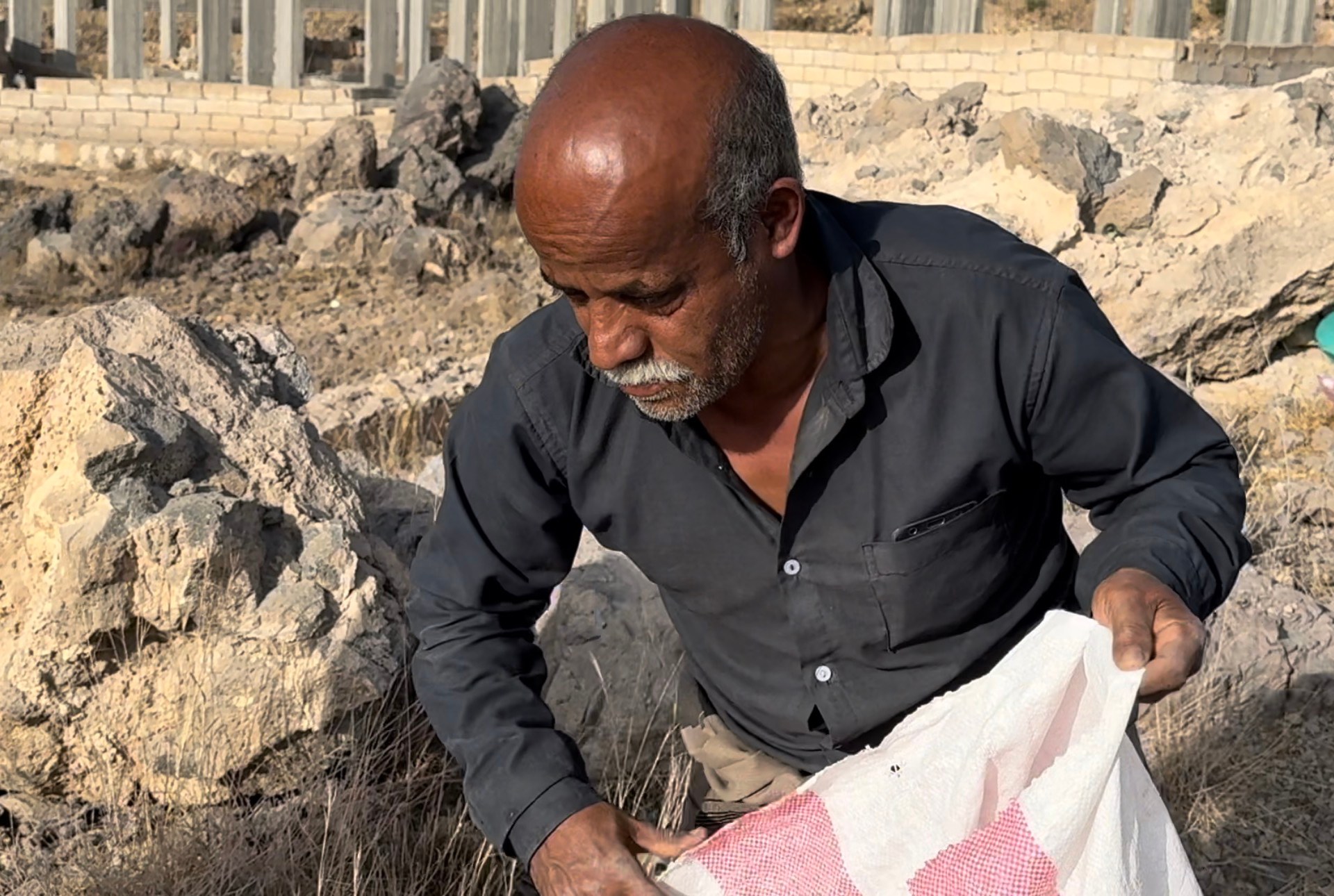
Ridhwan Raweh, 28, inherited the craft of shoe polishing from his father. For over 13 years, every morning was the same for Raweh: carrying an old bag packed with worn shoes, a small hammer, and polishing supplies, he would head to the market. Sitting on the street with shoes arranged before him, he began his daily routine.
Raweh belongs to the Muhamasheen – literally "the marginalised" – an ethnic and social minority in Yemen who have long endured caste-like discrimination, extreme poverty and social isolation.
For generations, rigid social barriers have relegated the Muhamasheen to low-wage, informal jobs such as street cleaning and shoe repair.
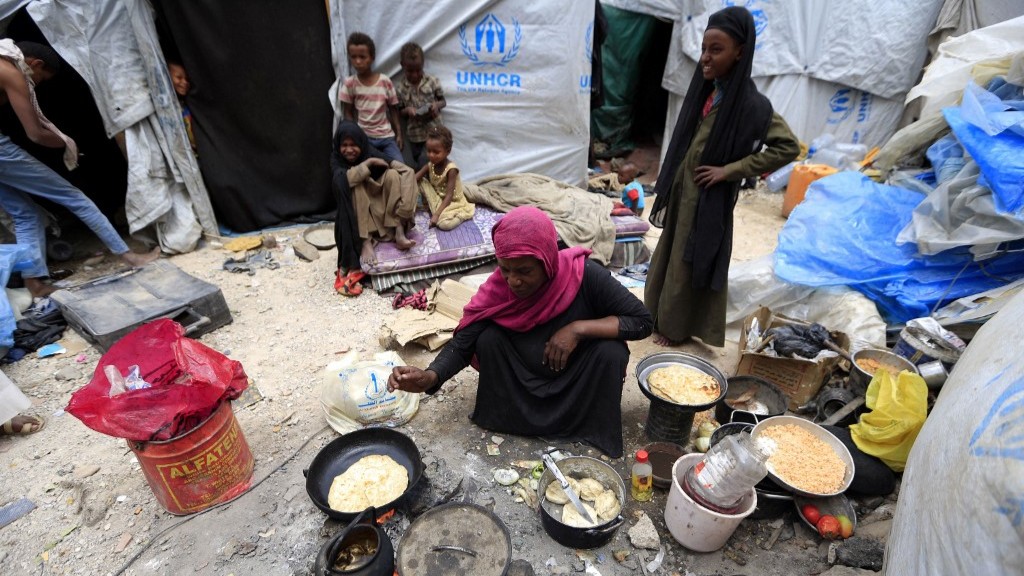
While this work allowed Raweh to earn enough to marry and support his three children, he felt it wasn't enough to provide food while his family continued to live under a flimsy plastic sheet, without running water, electricity, proper roofs to block the rain, or walls to offer basic dignity.