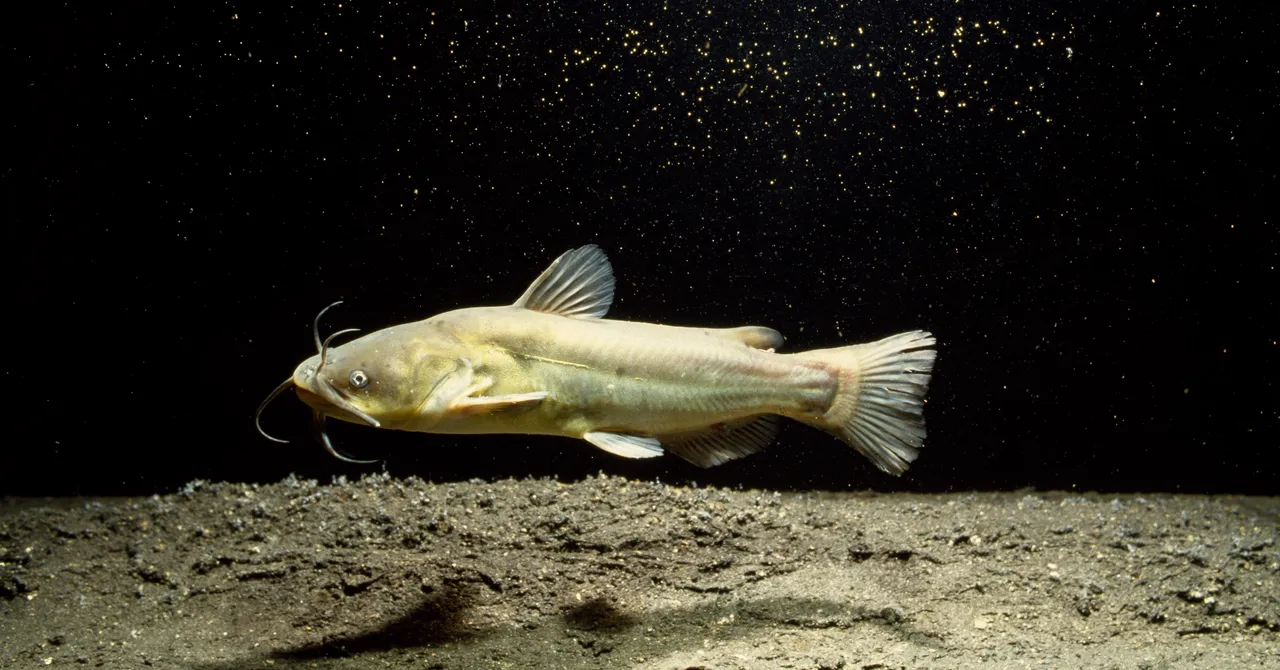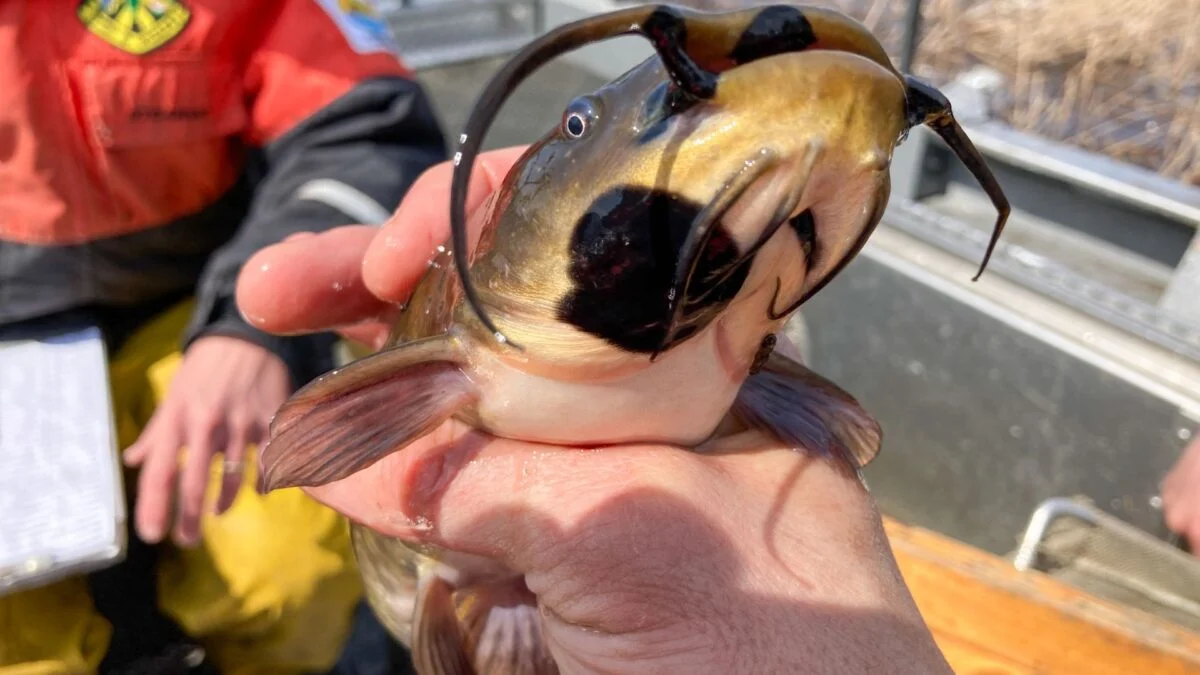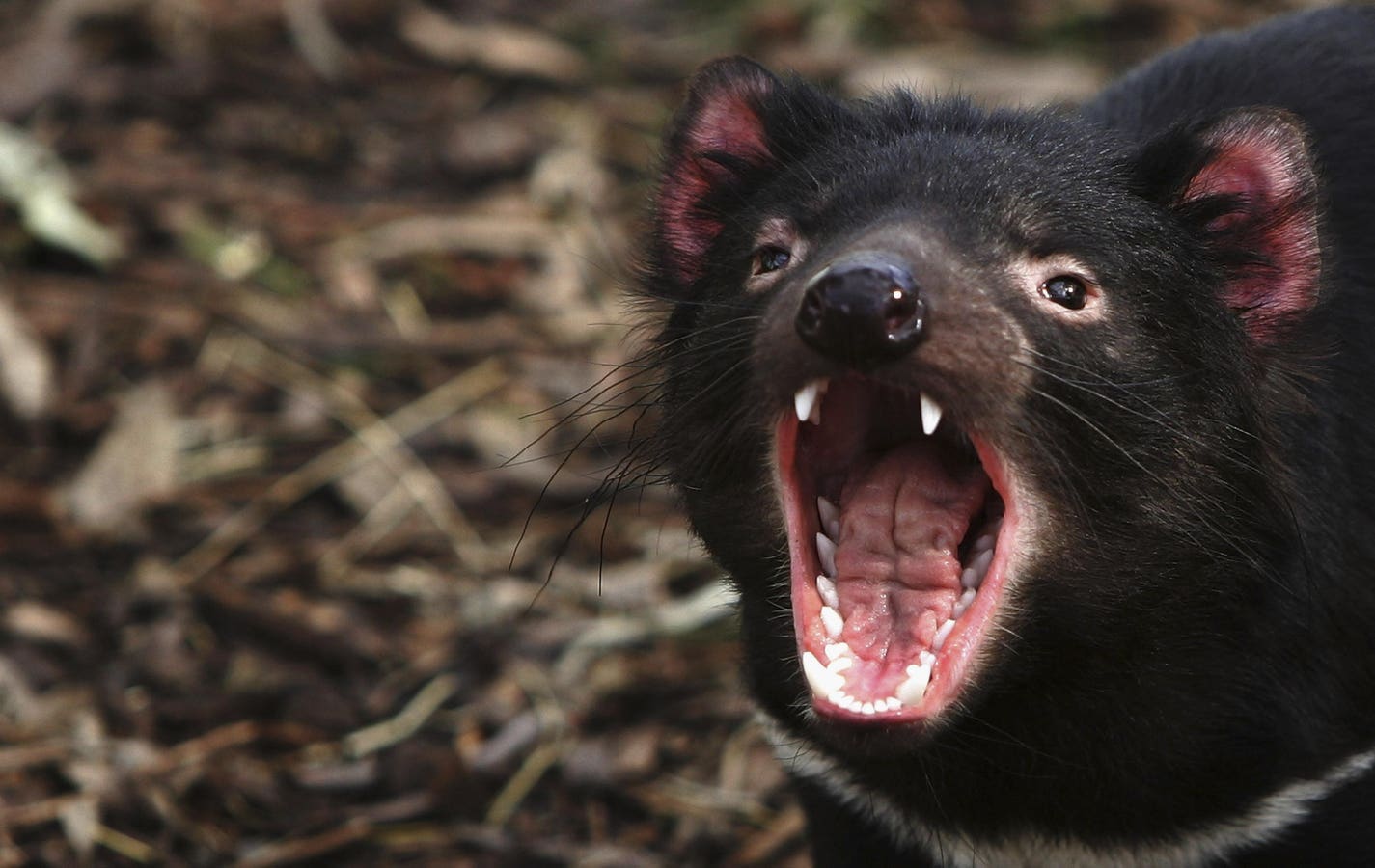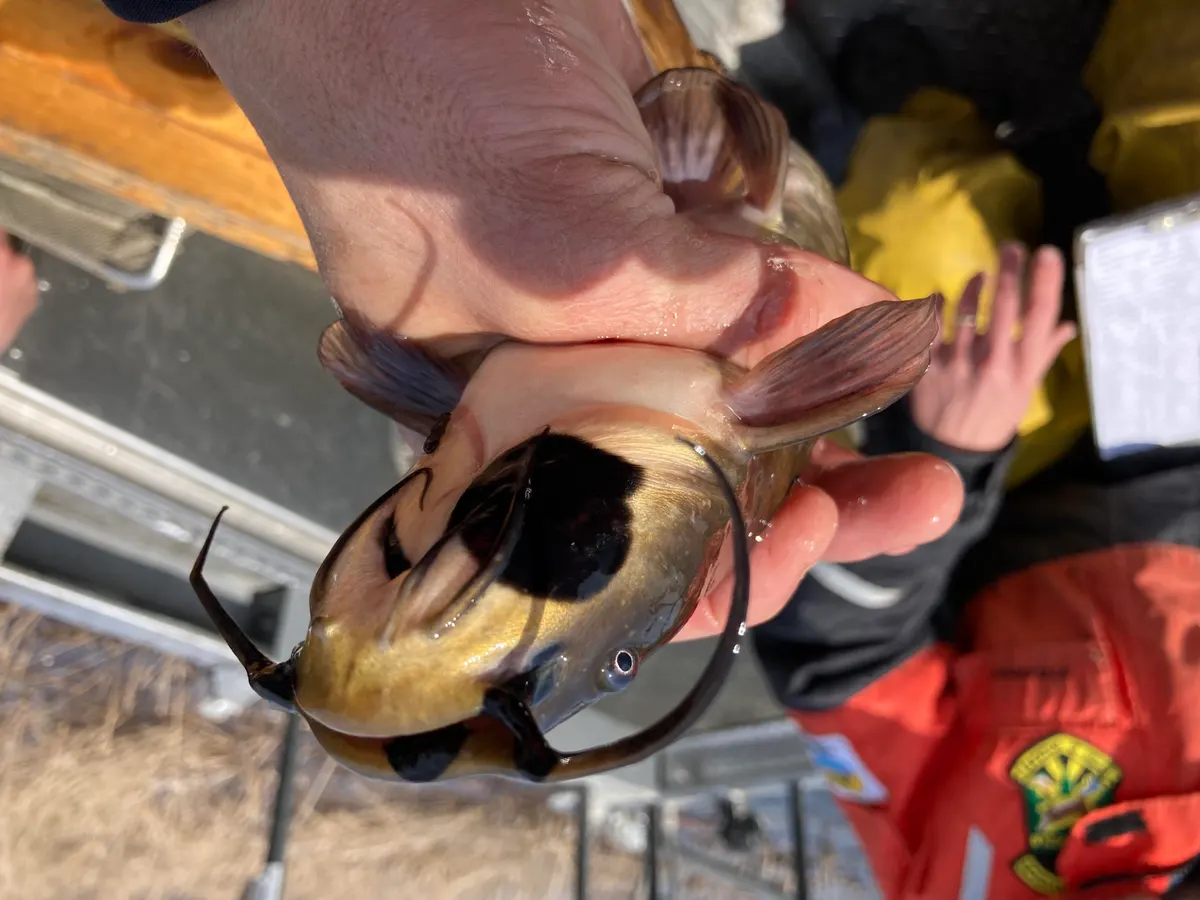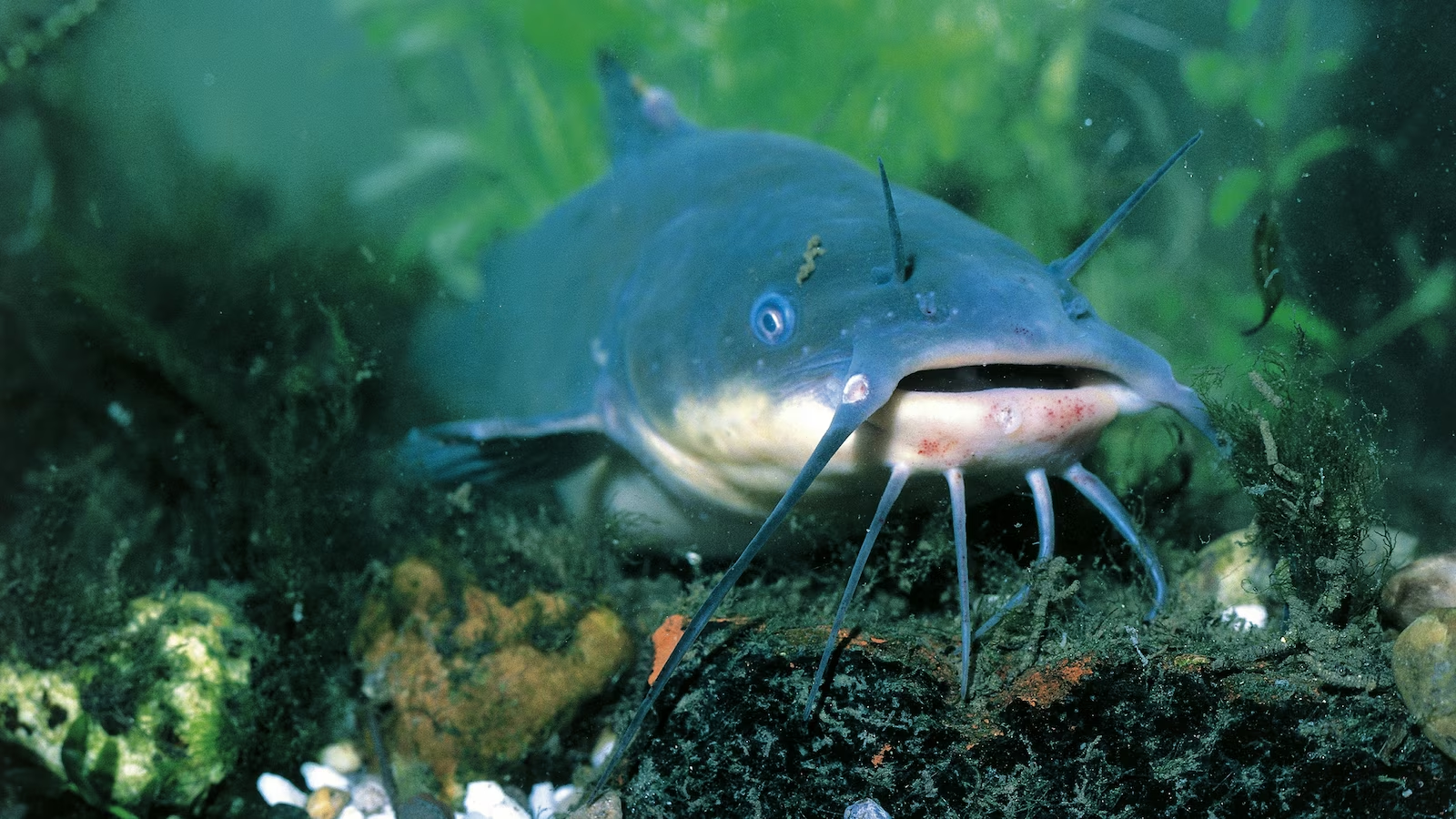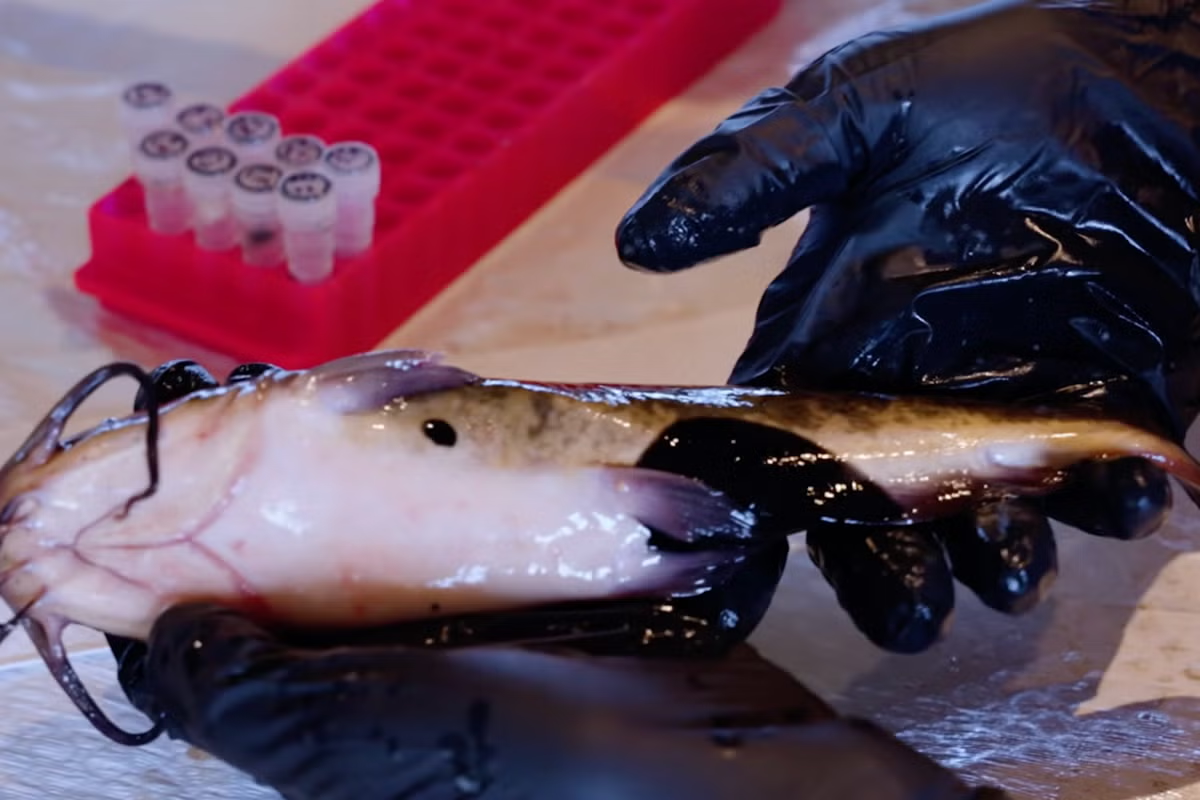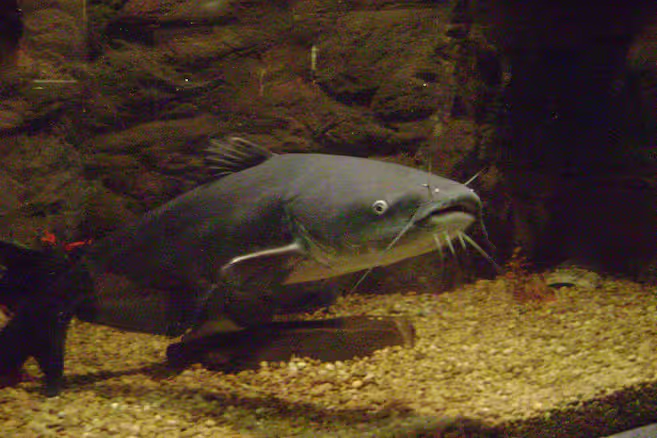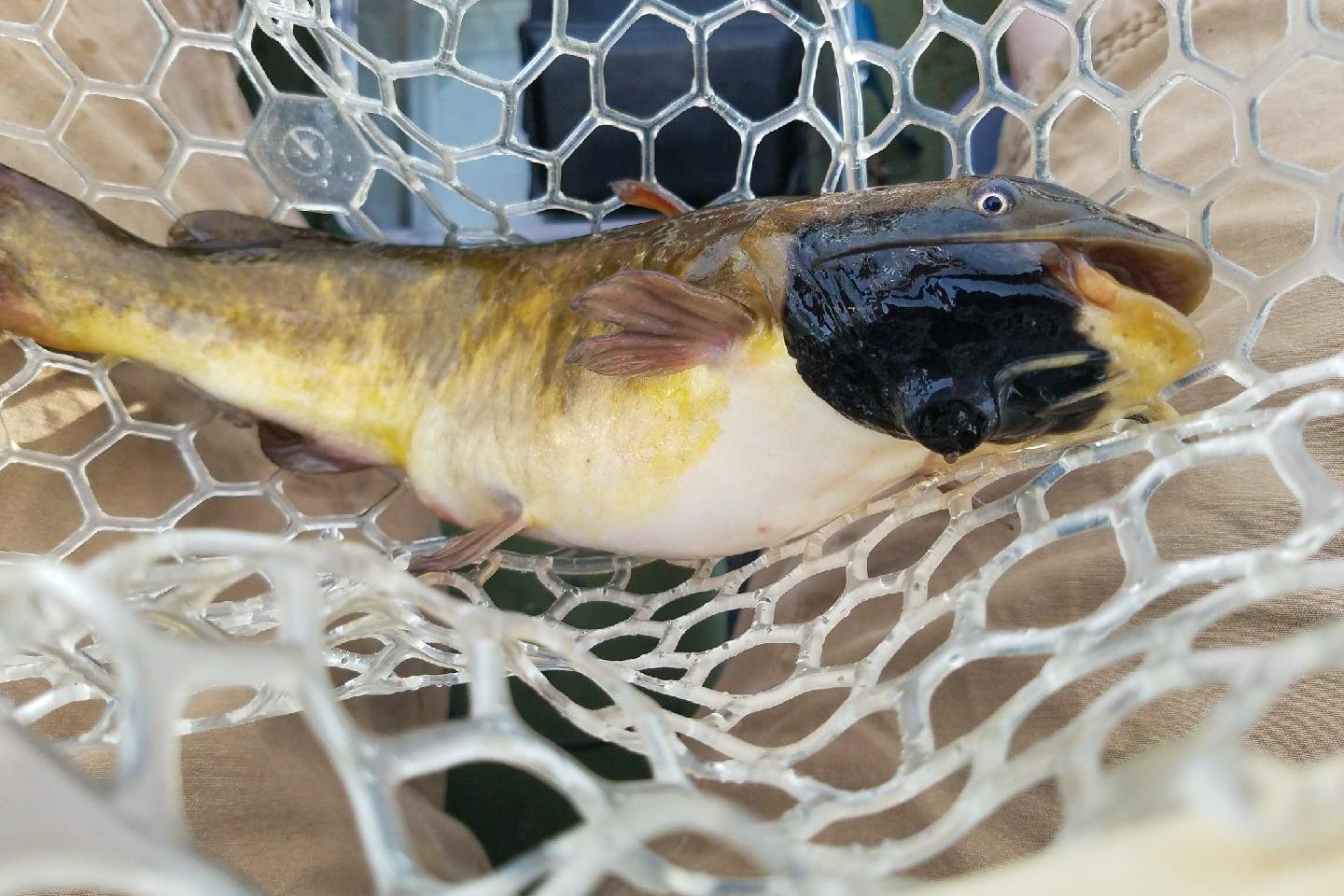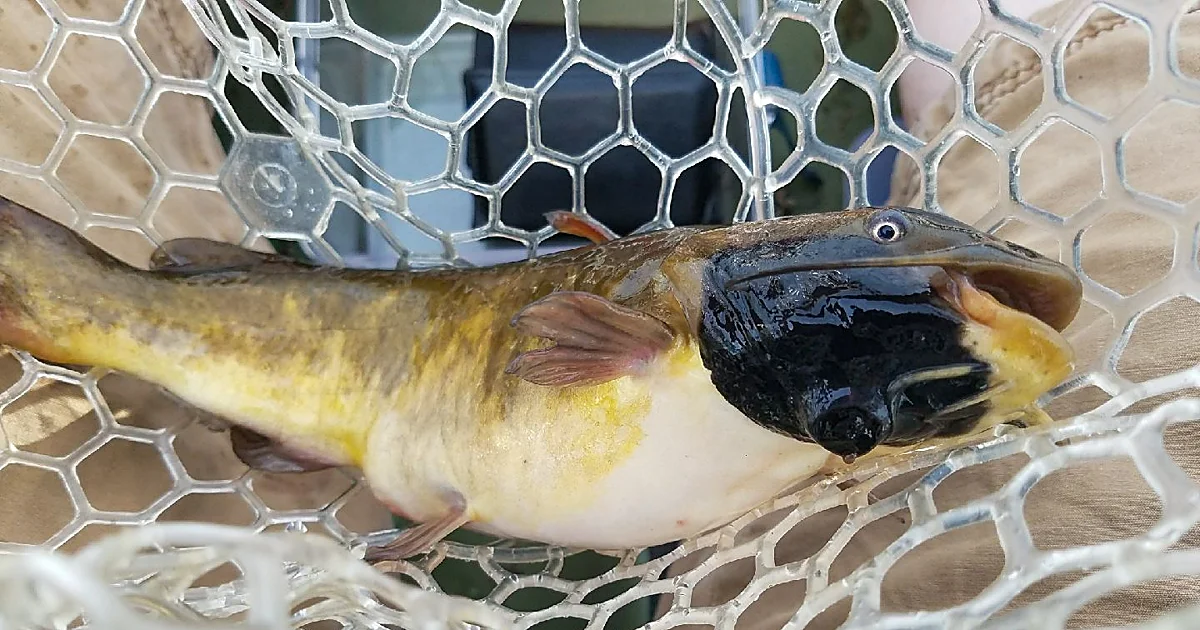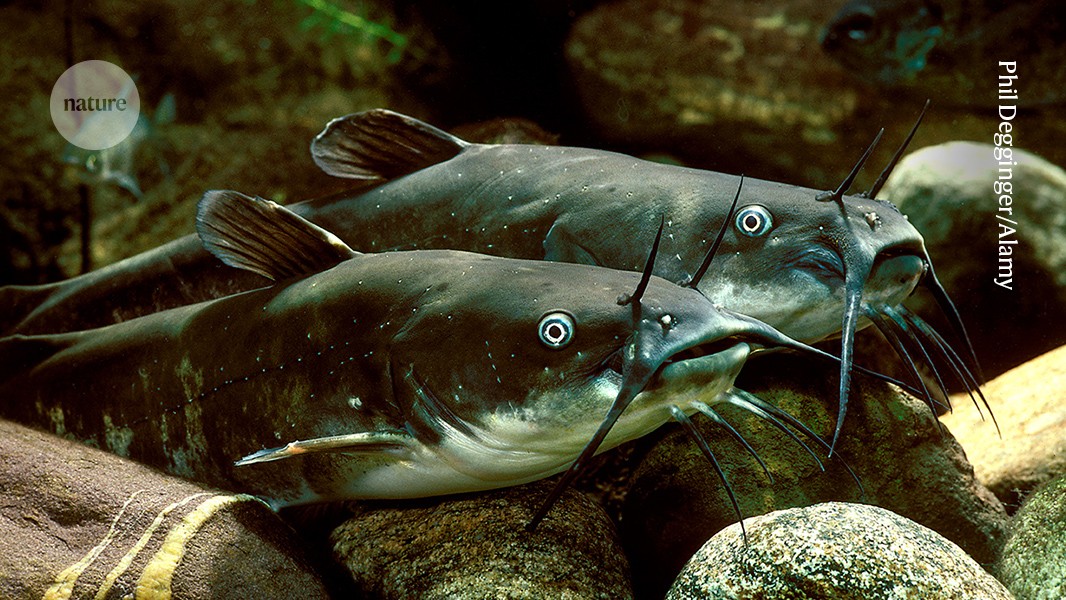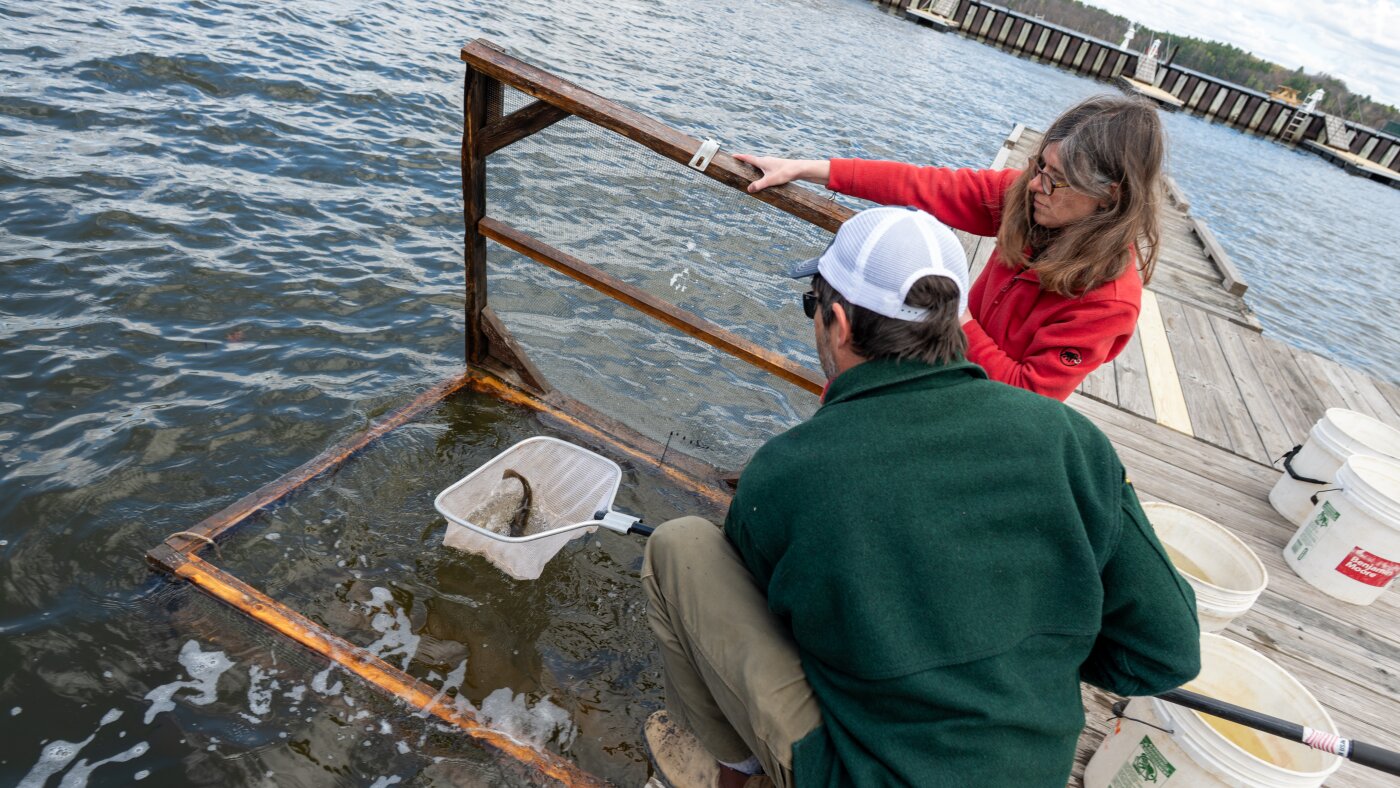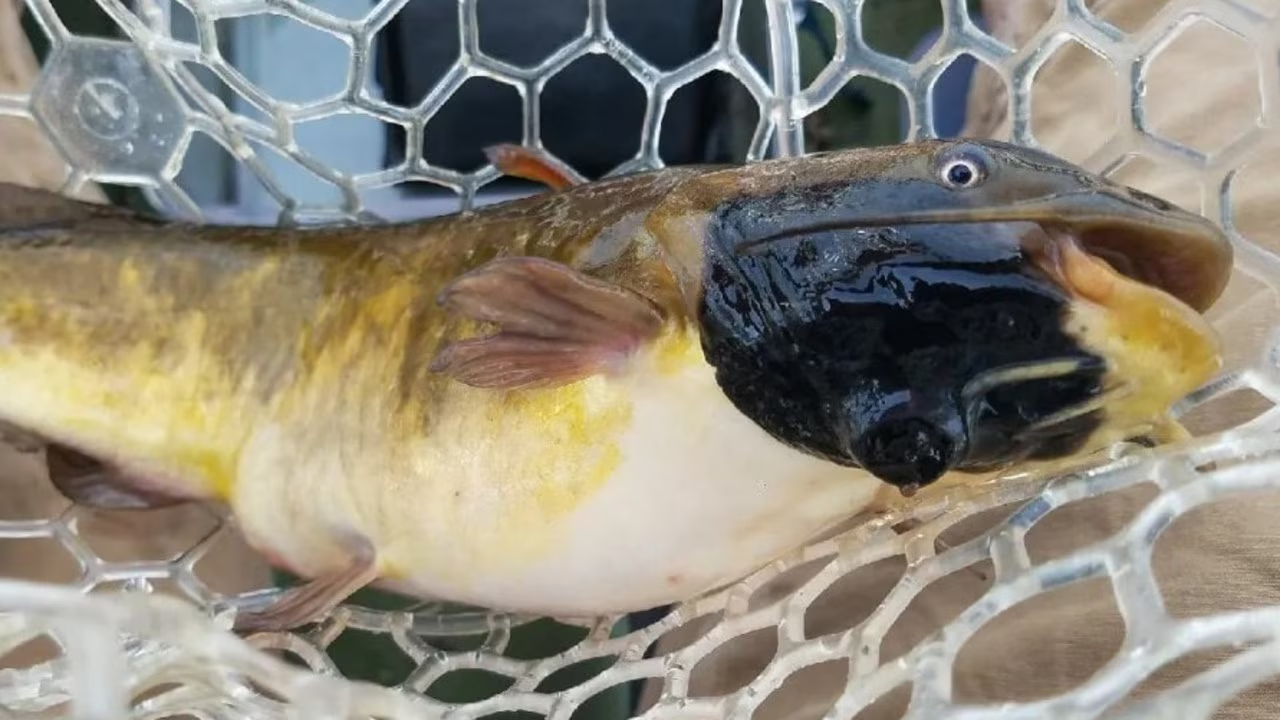
Contagious cancer. It’s a terrifying concept.Researchers believe up to 38,000 Tasmanian devils (more than 80 per cent of the population) have been killed by the mutating disease.Now, a similar affliction has been found in North America.It started with strange-looking catfish in 2012.They were being caught in Lake Memphremagog (between Vermont and Quebec) with stark black growths on their heads and bodies.Then more and more of them began being reported.University of Vermont environmental scientists took it upon themselves to figure out what was going on.“At first, we thought this disease might be a virus, but that wasn’t panning out,” says cancer researcher Dr Julie Dragon. Autopsies failed to isolate any such infection.Pollution was the next most likely source of attack on the animal’s soft tissues. Again, the acquired evidence fell short.But the data eventually led the researchers in an unexpected direction: Melanoma. “This was surprising,” says Dr Dragon. “We wanted to know how a bottom-dwelling fish was getting a cancer we associate with exposure to too much sunlight.”Especially in the numbers being encountered.Did these catfish have a DNA mutation that made them extremely susceptible to sunburn? No. But the cancerous growths had more DNA in common with each other than the fish they infested.That left only one possible cause: transmissible cancer.Their results, published in the science journal Nature, describe a melanoma cell that has mutated to take on the characteristics of a parasite.Researchers say one in three of the freshwater lake’s brown bullhead catfish (Ameiurus nebulosus) now has the flesh-eating disease.Rogue cellsOnly four examples of transmissible cancer have ever been found.One produces a venereal tumour in dogs, spread through sex and bites.Another is a transmissible leukaemia-like disease in clams and mussels.Then there are the facial tumours of the Tasmanian devil, also spread through bites.It’s never been encountered in humans. Cancer transference is limited to accidental exchange through organ transplants.And it need not always be fatal.Dogs have found a way to live with their tumours over the millennia, though their cauliflower-shaped growths are undoubtedly uncomfortable.Now, University of Tasmania researchers believe surviving Tasmanian devils are displaying resistance to a new variant of their transmissible tumour.“What we are seeing is slower spread than anticipated and populations that have remained stable over that period,” ecologist Dr Rodrigo Hamede says in a university statement. “That suggests there may be some capacity for devils to adapt and live with this cancer over time.”Likewise, the catfish tumours may not be new.University of Vermont research found Massachusetts fisher Henry David Thoreau wrote of catfish afflicted with a similar “inky-black kind of leprosy” in his 1852 and 1858 journals.It may simply have not been noticed. Or have spread more widely recently.Fishy circumstancesIn the case of the catfish, the cancer appears to be spread through the reproductive process.“It seems to only happen in larger fish that are of spawning age,” notes fish biologist Dr Mark Henderson. “Maybe some part of spawning behaviour leads to the spreading of the cancer between animals.”That could be tightly-clustered fish rubbing against each other.It could be picking up tumour cells by brushing over the same sediment patches. And elevated levels of natural arsenic (pollutant sources have been ruled out) may be weakening their immune systems.“Arsenic is found naturally throughout New England, and there’s really high concentrations of it in Vermont’s Northeast Kingdom as well as up through Maine, which is where we’ve also seen evidence of this cancer,” says Dr Henderson.So far, the worst infection is found in the 52km long Lake Memphremagog, which cuts a swath across the United States and Canadian border. But it has been detected in surrounding ponds and lakes.Lake Memphremagog is also a water source for 175,000 people in the surrounding area.“The cancer cells cannot infect or survive in another species, and the fish are safe to handle and study,” the researchers say.But they advise against eating infected fish anyway.Their lesions could lead to other forms of infection and contamination.“By studying how cancers survive and spread outside their original host, we can learn a great deal about what keeps cancers contained — and what happens when those boundaries break down,” concludes Dr Dragon. “These fish provide an opportunity to look at the evolution of cancer.”Jamie Seidel is a freelance writer
‘Cancer’: Scientists’ horror find in lake
Contagious cancer. It’s a terrifying concept.
699 words~3 min read