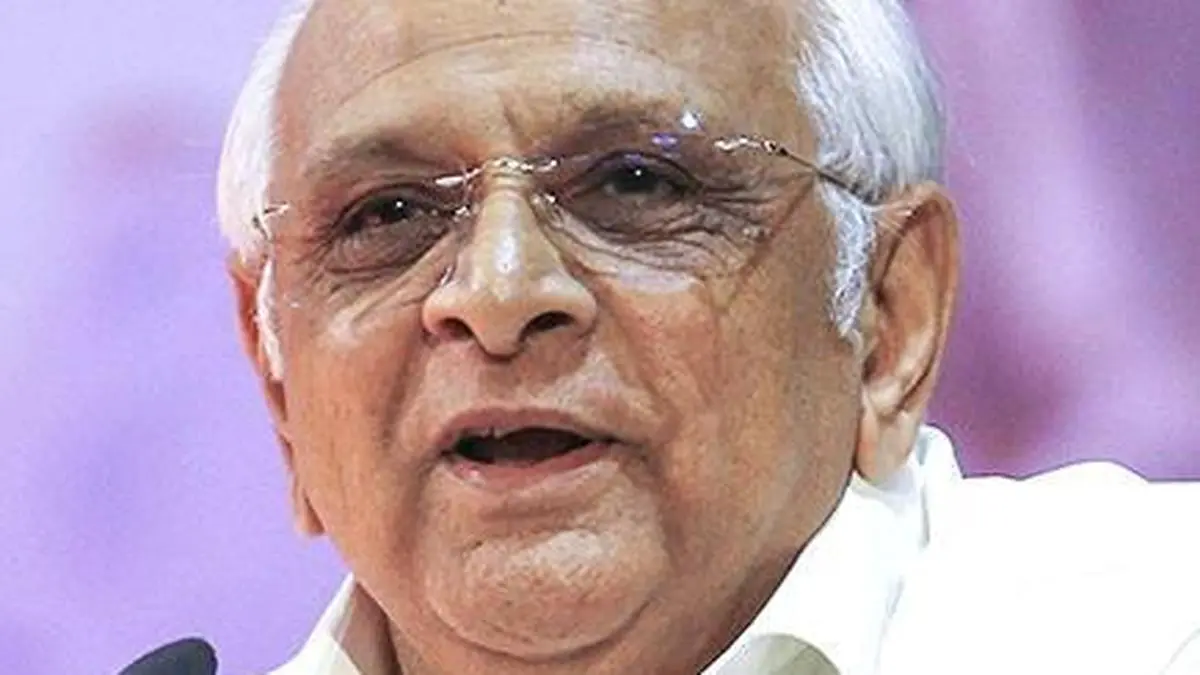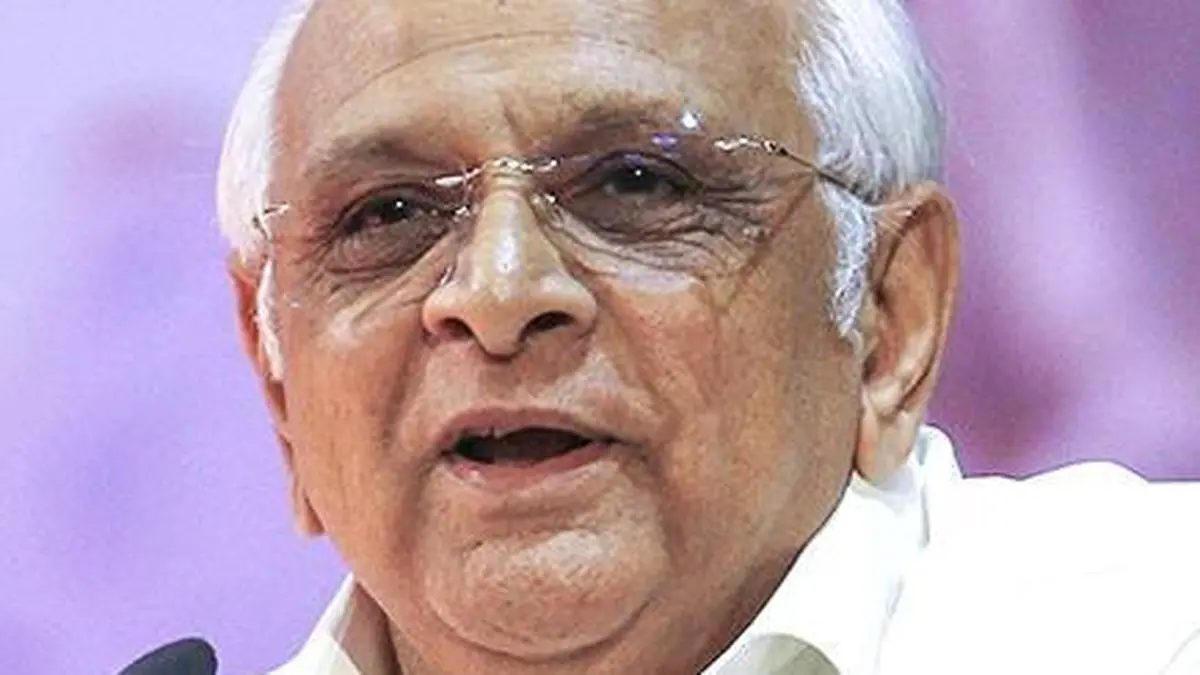
Launching the policy in Gandhinagar, CM Bhupendra Patel said the Centre has approved the establishment of the Mega Greenfield Shipbuilding Cluster at Kuchhadi
| Photo Credit:
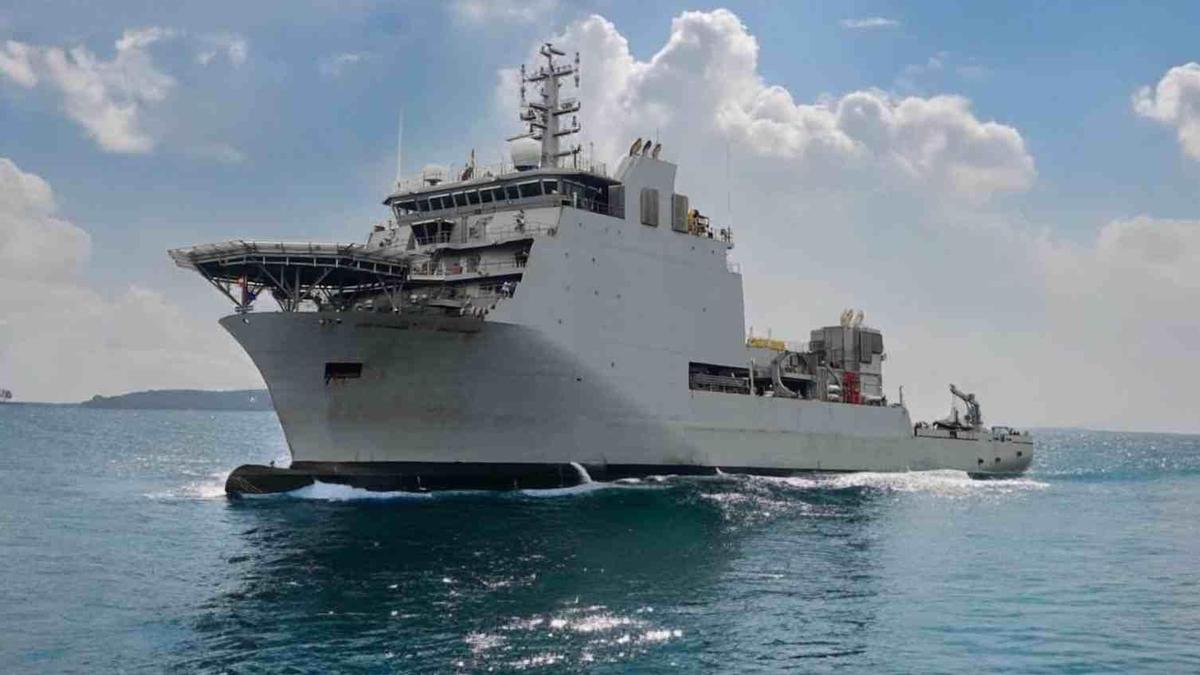
Gujarat government on Monday unveiled its Shipbuilding and Repair Policy 2026, setting an ambitious target of attracting ₹27,000 crore of investment for building over 50 lakh deadweight tonnes (DWT) of shipbuilding capacity while backing a mega greenfield shipbuilding cluster at Kuchhadi in Porbandar district, as part of its plan to emerge as India’s leading shipbuilding and ship repair hub.Launching the policy in Gandhinagar, Chief Minister Bhupendra Patel said the Centre has approved the establishment of the Mega Greenfield Shipbuilding Cluster at Kuchhadi. The project is expected to attract about ₹23,700 crore in private investment for shipyards and ancillary industries, while ₹3,300 crore will be invested in common marine and land infrastructure with support from the Centre and the Gujarat government.The policy on the back of the businessline’s report no June 24 about the Gujarat Maritime Board (GMB) inviting Expressions of Interest (EoIs) for developing three greenfield shipyards at Mithapur (Devbhumi Dwarka), Ghogha (Bhavnagar) and Vadhera (Amreli), an Integrated Mega Shipbuilding Cluster at Kuchhadi in Porbandar district.Broader objectivesPointing out that the Gujarat Shipbuilding and Repair Policy 2026 is aligned with the Government of India’s Shipbuilding Financial Assistance Scheme (SBFAS) 2025, the Shipbuilding Development Scheme (SbDS), Maritime Vision 2047 and the broader objectives of Aatmanirbhar Bharat, the detailed project reports (DPRs) are being prepared by the Gujarat Maritime Board for the establishment of the Mega Greenfield Shipbuilding Cluster at the location. The cluster will house two to three world-class shipyards along with a network of ancillary industries.The common infrastructure planned for the cluster includes breakwaters, floating cranes, heavy-lift ships, dredging facilities, harbour basin development, navigation channels, roads, electricity supply, water supply and other shared utilities. The integrated approach is expected to reduce infrastructure costs for investors, speed up project execution and improve Gujarat’s competitiveness as a maritime manufacturing hub.Promoting investmentsTo promote investments, the policy provides a range of fiscal and non-fiscal incentives, including capital assistance, stamp duty reimbursement, interest subvention, dredging assistance, subsidies to encourage procurement from MSMEs, support for electricity tariffs, subsidies on water charges, incentives for marine equipment manufacturing clusters and additional benefits for early-bird investors who commence development activities within the prescribed timelines.The State has also proposed a Single Window Clearance System and a dedicated grievance redressal mechanism to ensure faster approvals and timely implementation of projects. Under the policy, Gujarat said it aims to establish two Integrated Mega Shipbuilding Parks, raise shipbuilding capacity to more than 50 lakh DWT, and provide skill development and capacity-building training to over five lakh people. The Gujarat Maritime Board has prepared detailed implementation guidelines to simplify application procedures for developers and investors and expedite project execution.Published on July 27, 2026